Bali Wildlife
Every Spices Matter


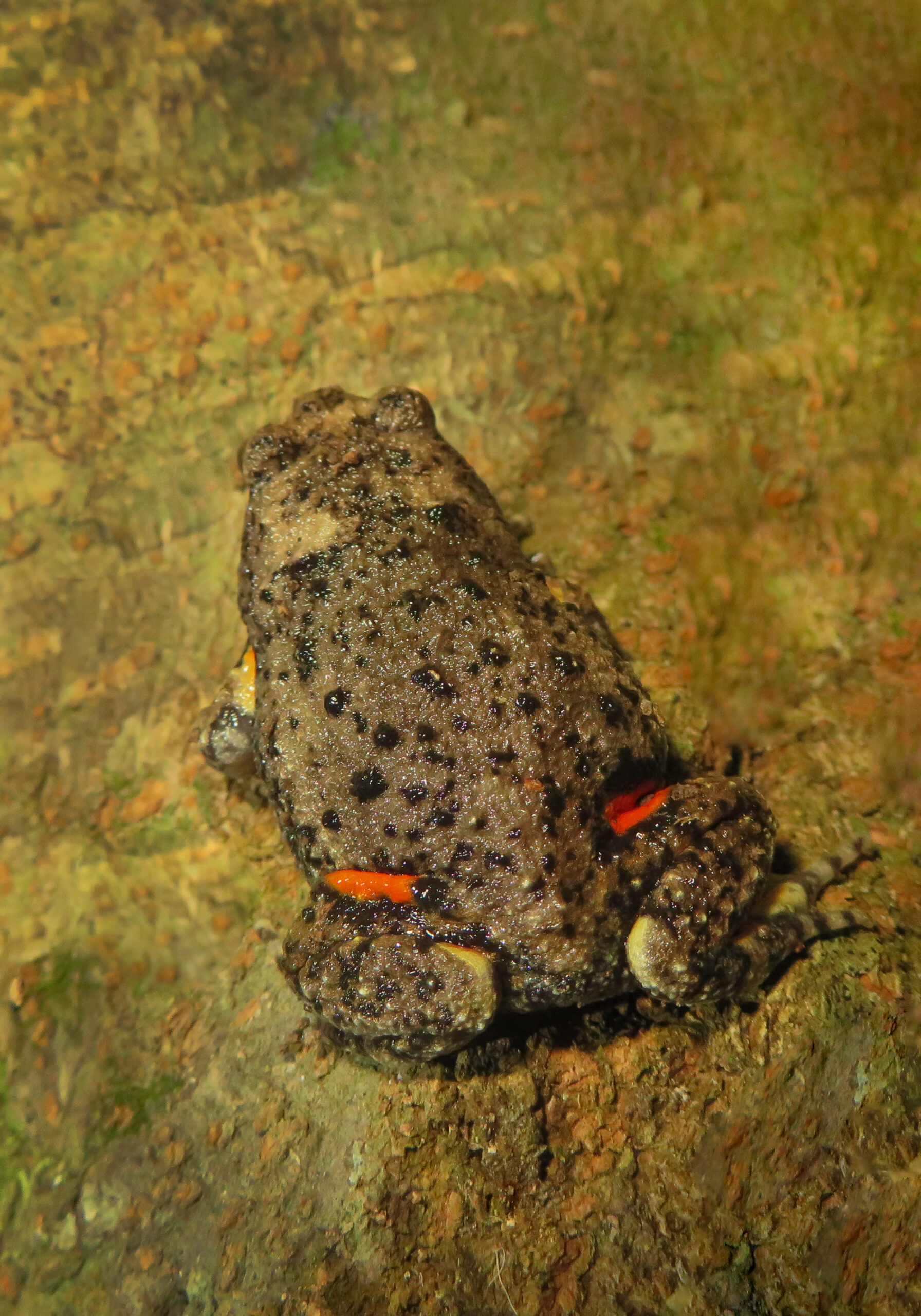
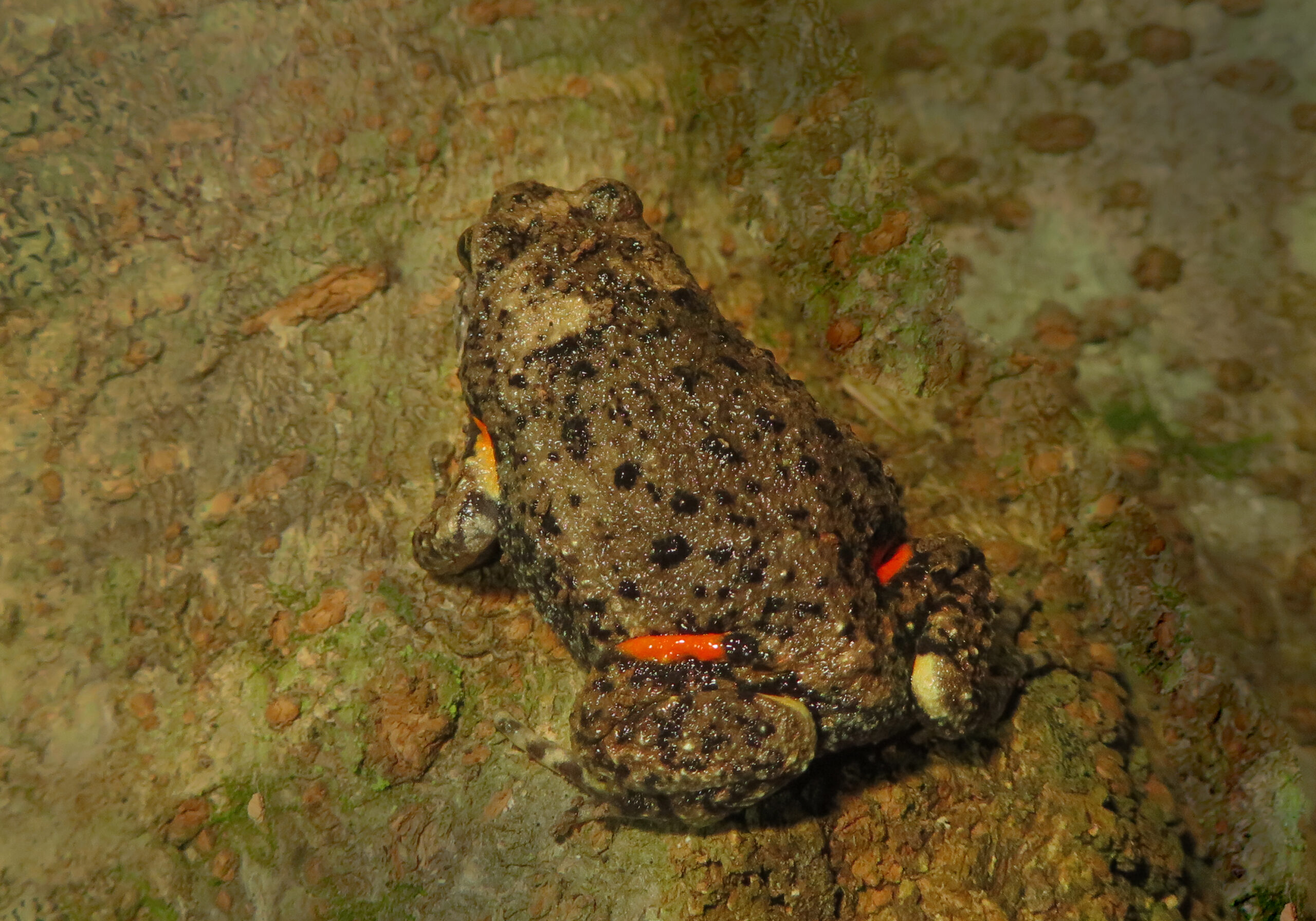
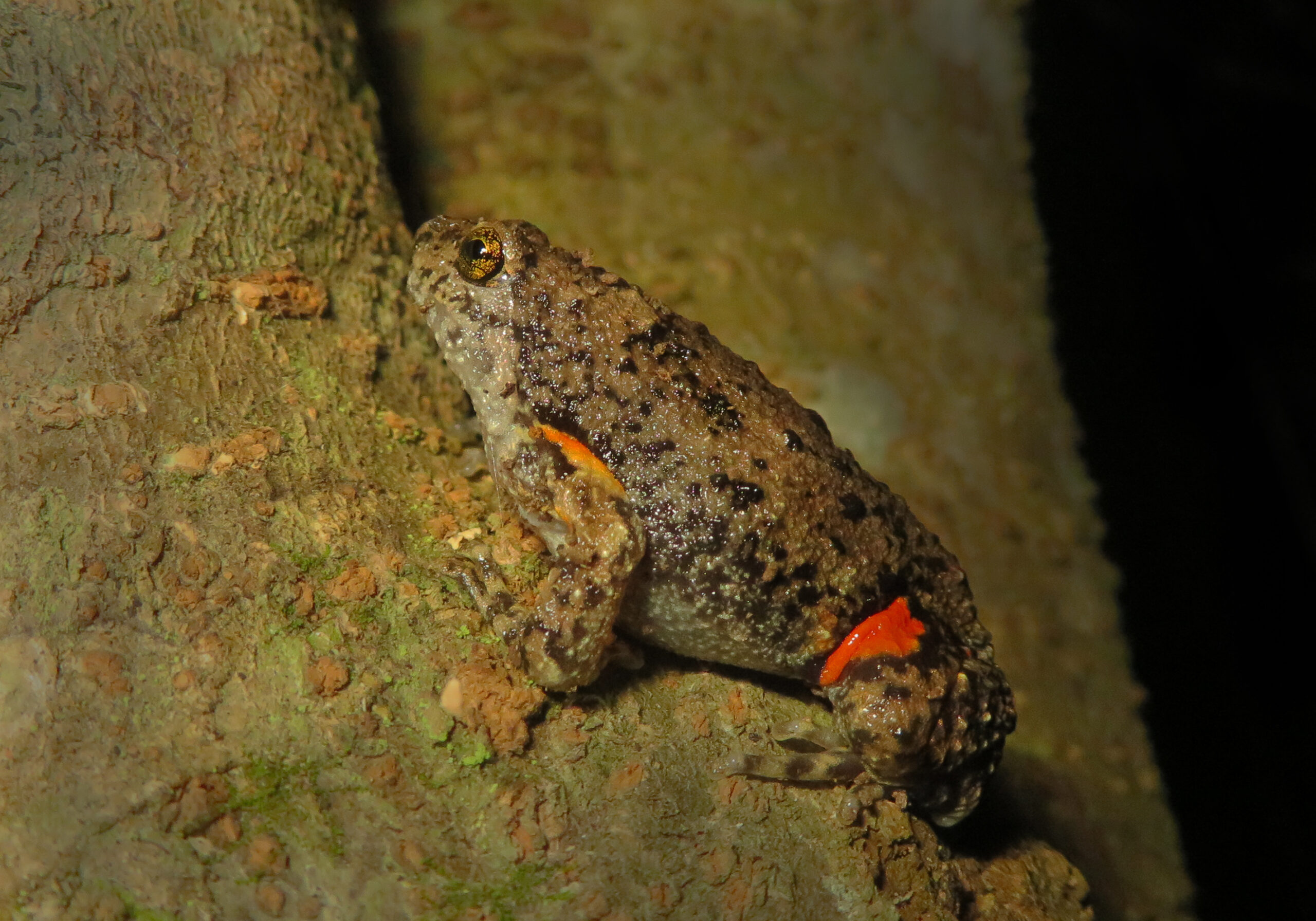
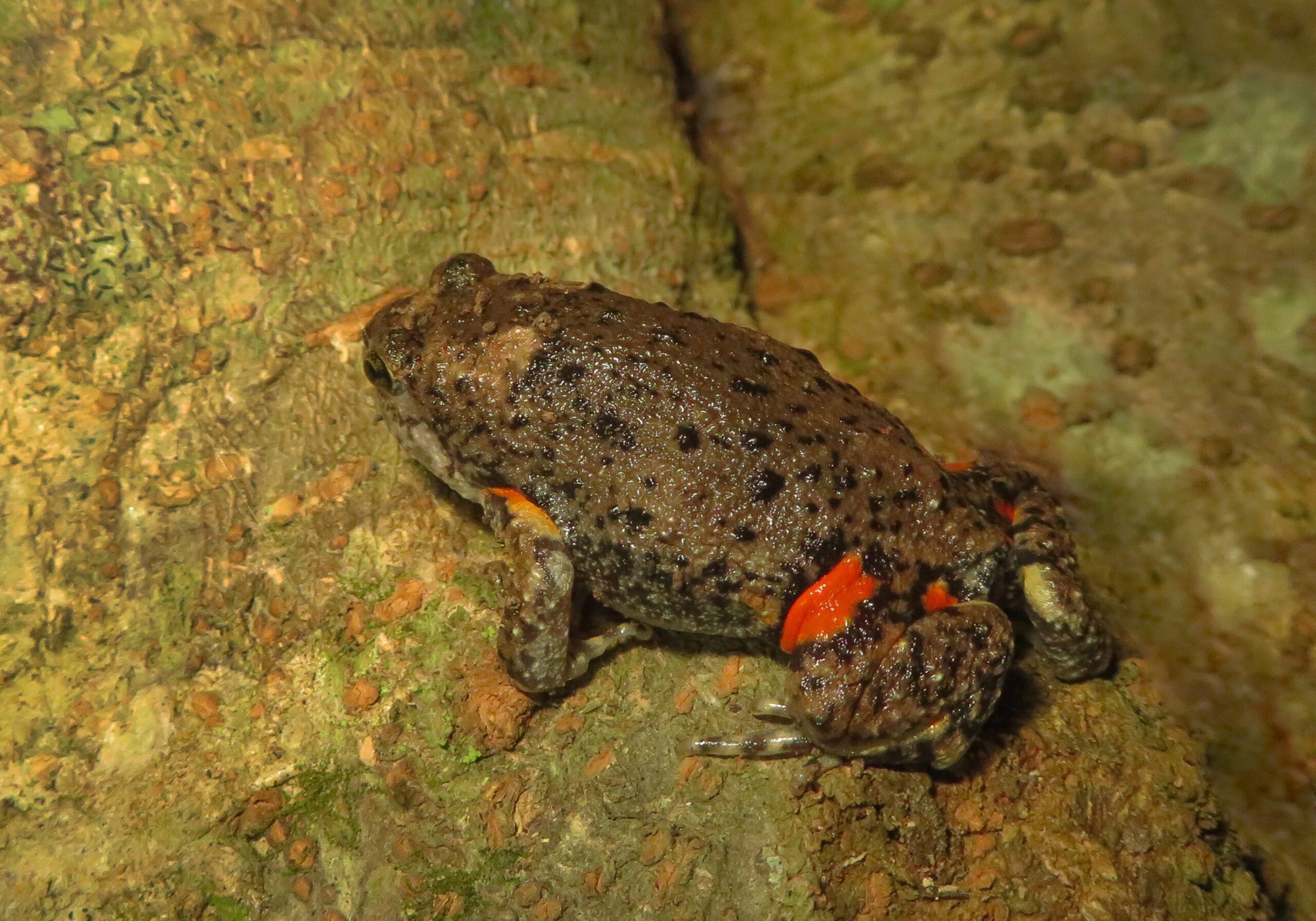
Kaloula is a genus of narrow-mouthed frogs within the subfamily Microhylinae (Family Microhylidae, Order Anura). Members of this genus are distributed across South, Southeast, and East Asia, extending into parts of the Indonesian archipelago. These frogs are commonly found in forests, grasslands, agricultural fields, gardens, and urban environments, often near temporary pools or moist habitats.
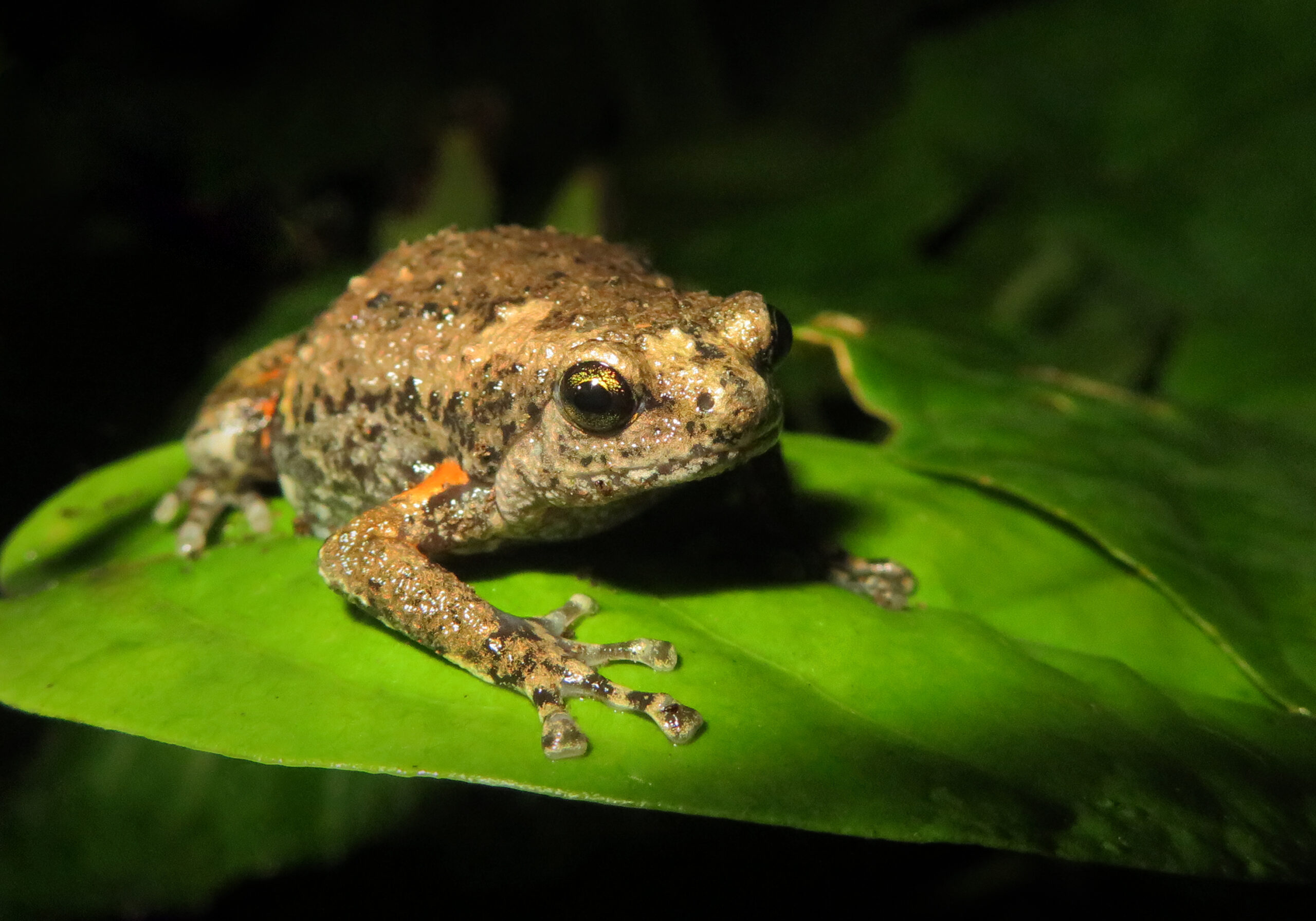
Frogs of the genus Kaloula are generally small to medium-sized and are easily recognized by their rounded, stout body and relatively short limbs. Their skin is usually smooth, and coloration often includes striking patterns or contrasting bands in shades of brown, black, cream, or reddish tones. These markings provide camouflage among leaf litter and soil.
A characteristic feature of Kaloula species is their narrow mouth, adapted for feeding on small invertebrates. Many species are fossorial or semi-fossorial, spending much of their time hidden underground, beneath logs, or within leaf litter. They often emerge during rainy periods or at night to forage and breed.
The life cycle involves typical amphibian metamorphosis. Eggs are usually laid in temporary pools, ponds, or flooded areas created by rainfall. Tadpoles develop rapidly in these ephemeral water bodies before transforming into juvenile frogs.
Feeding habits are primarily insectivorous. Kaloula species commonly feed on ants, termites, and other small arthropods, using their sticky tongue to capture prey efficiently.
Many species produce loud, distinctive calls during the breeding season, especially after heavy rains. Males often call from shallow water or concealed locations to attract females.
Ecologically, Kaloula frogs play an important role in controlling populations of small insects, particularly termites and ants. They also serve as prey for snakes, birds, and other predators. Their adaptability allows some species to thrive in disturbed and urbanized environments, although habitat loss and environmental change may threaten more specialized species.