Bali Wildlife
Every Spices Matter


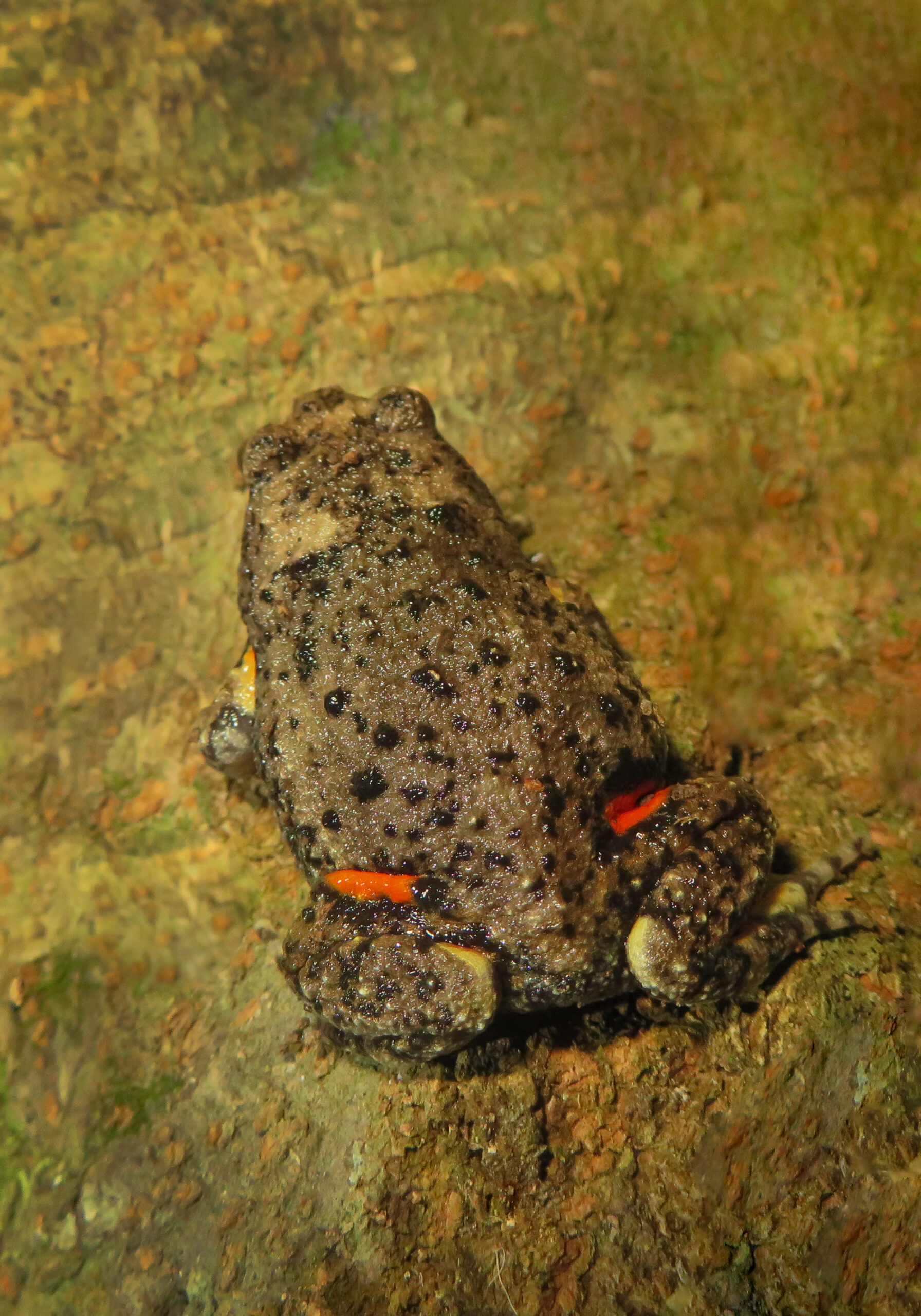
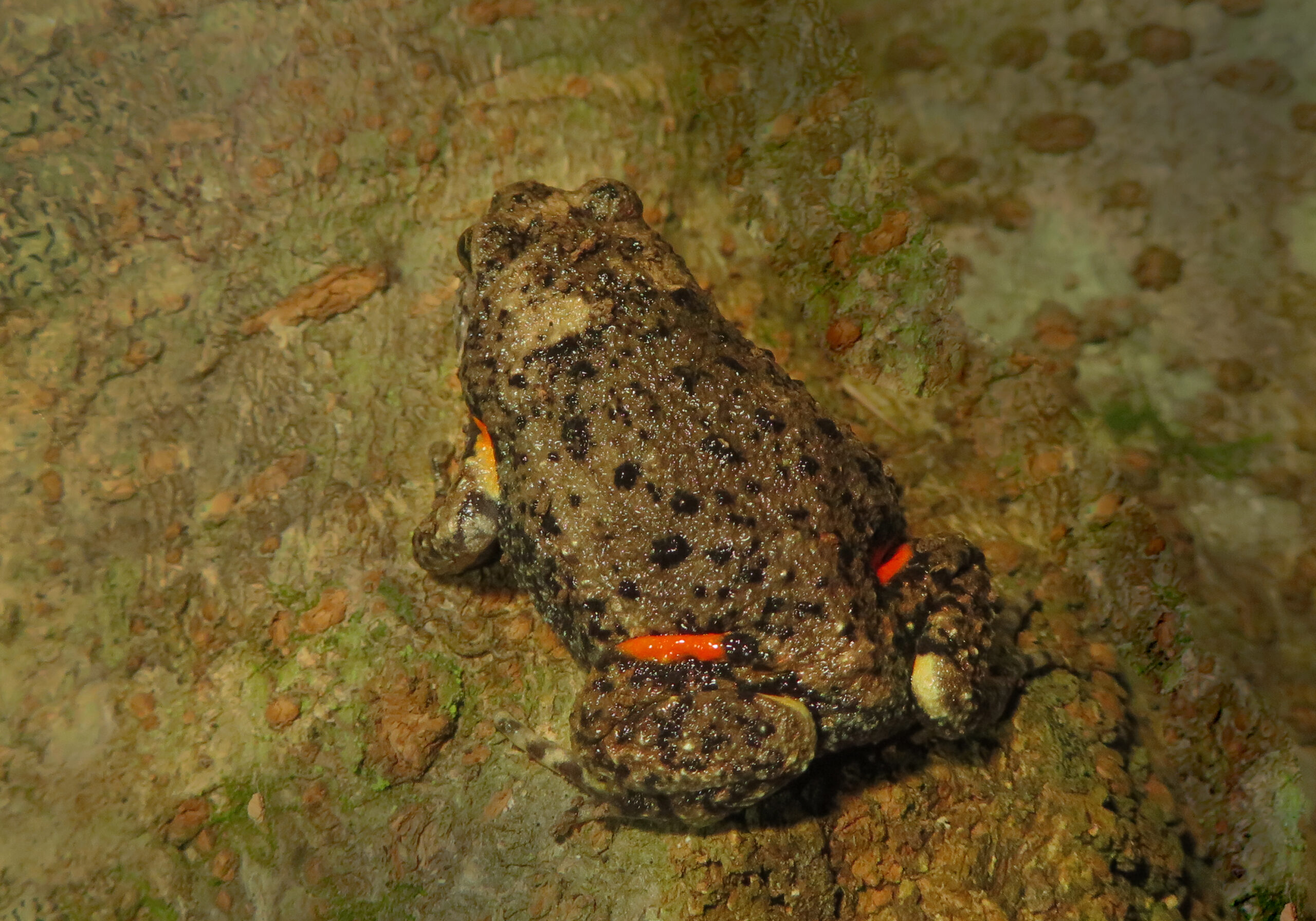
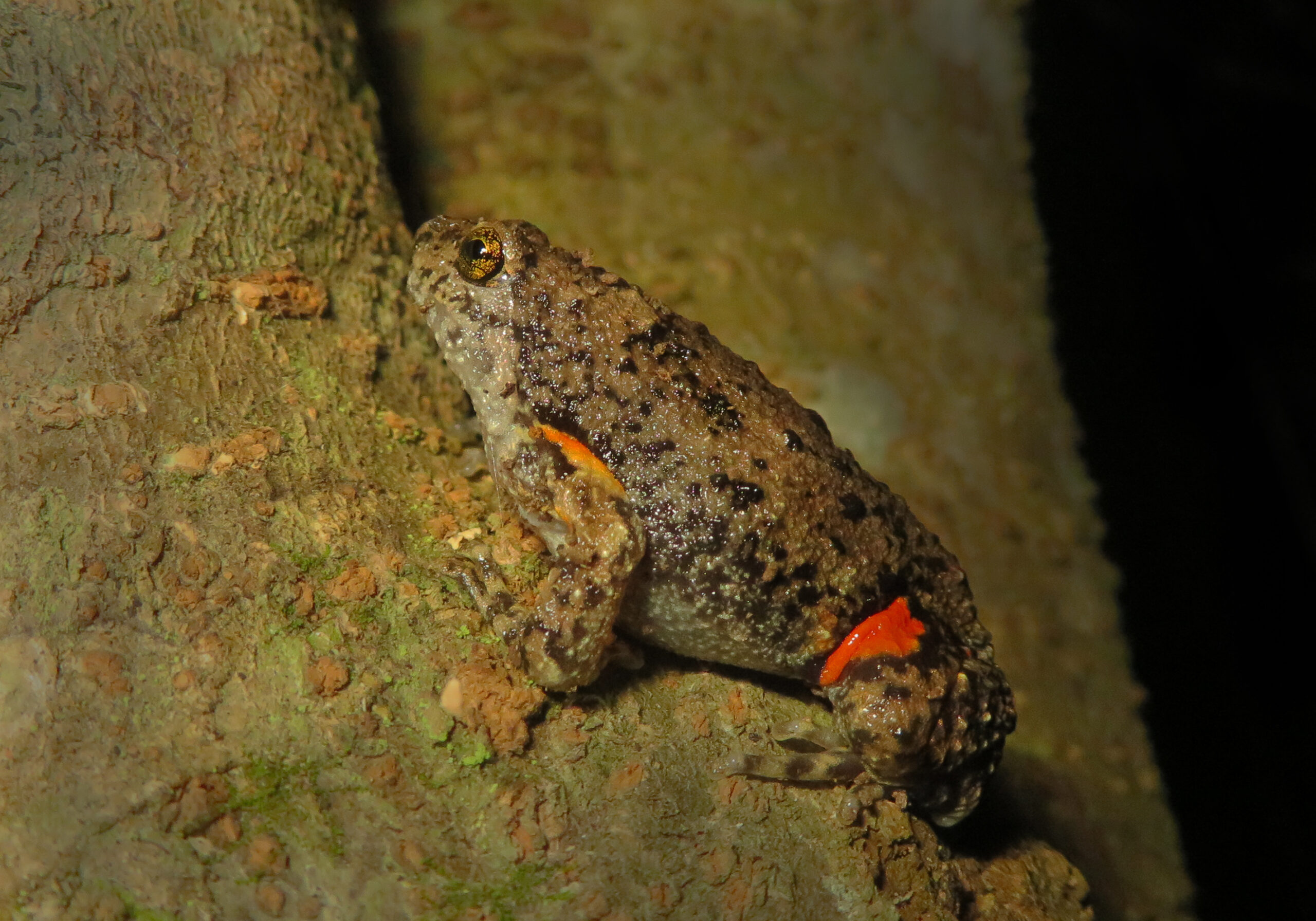
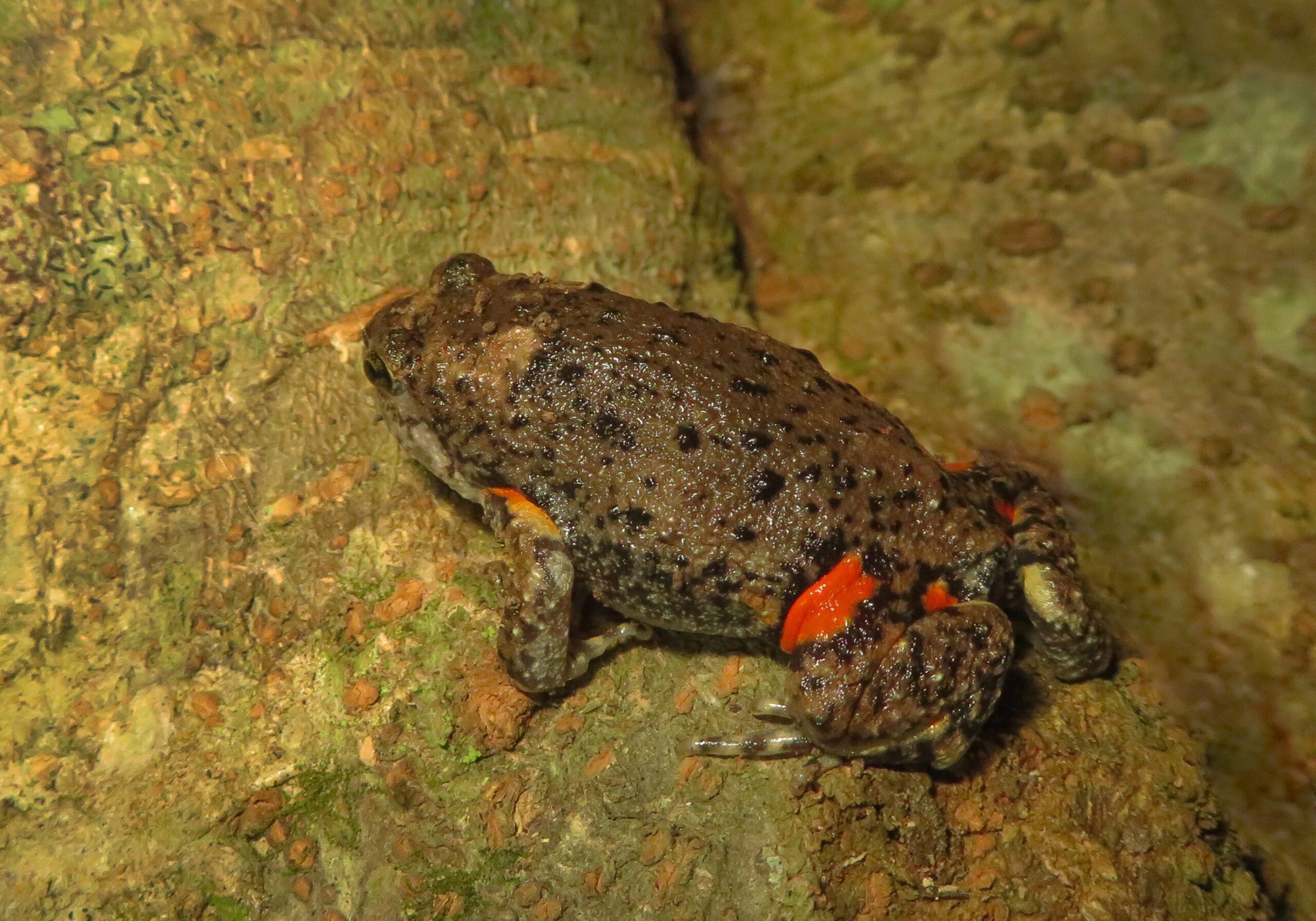
Microhylinae is a subfamily within the family Microhylidae (Order Anura), comprising a diverse group of narrow-mouthed frogs distributed mainly across Asia. Members of this subfamily occur in tropical and subtropical habitats such as rainforests, grasslands, wetlands, rice fields, gardens, and forest leaf litter.
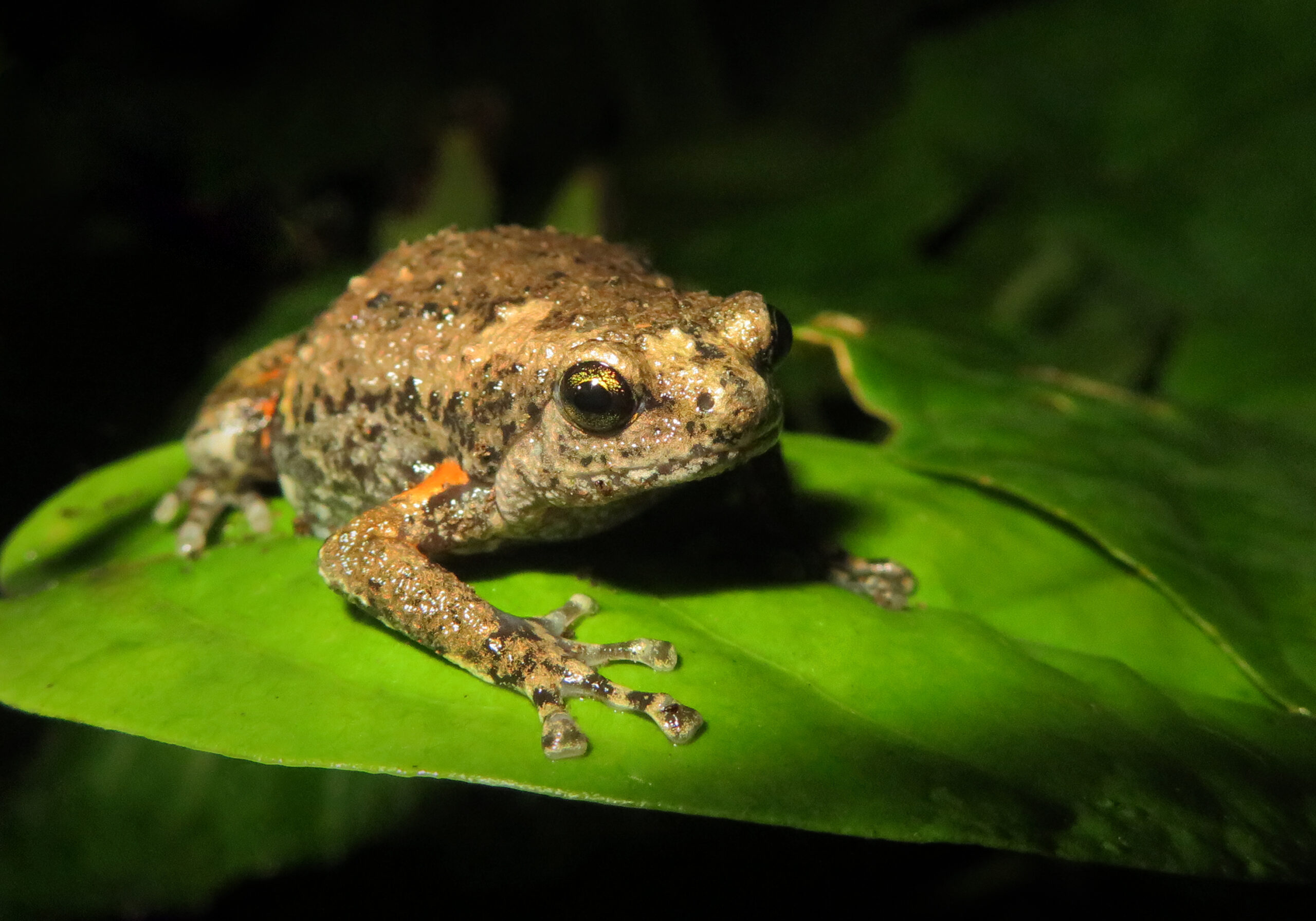
Frogs of the subfamily Microhylinae are generally small to medium-sized and are characterized by a compact body and a narrow mouth. Many species have short limbs, rounded bodies, and smooth skin, though coloration and body form vary considerably among genera. Their colors are often cryptic, including shades of brown, gray, black, or olive that provide camouflage in leaf litter and soil.
Many species are terrestrial or fossorial, spending much of their time hidden under leaf litter, logs, or underground. Some species become especially active during rainy periods and breeding seasons.
The life cycle usually involves metamorphosis. Eggs are commonly laid in temporary pools, ponds, or moist environments, where they hatch into tadpoles. In some species, reproductive strategies are more specialized, including foam nests or direct development.
Feeding habits are primarily insectivorous. Many members of Microhylinae specialize in feeding on ants, termites, and other small arthropods. Their narrow mouths and sticky tongues are well adapted for capturing tiny prey.
The subfamily includes genera such as Microhyla, Kaloula, Glyphoglossus, and related forms, representing a wide range of ecological adaptations and lifestyles.
Ecologically, Microhylinae frogs play an important role in regulating populations of small invertebrates, particularly social insects like ants and termites. They also serve as prey for larger animals and contribute to the balance of forest and wetland ecosystems. Due to their sensitivity to environmental changes, some species are threatened by habitat destruction, pollution, and climate change.