Bali Wildlife
Every Spices Matter


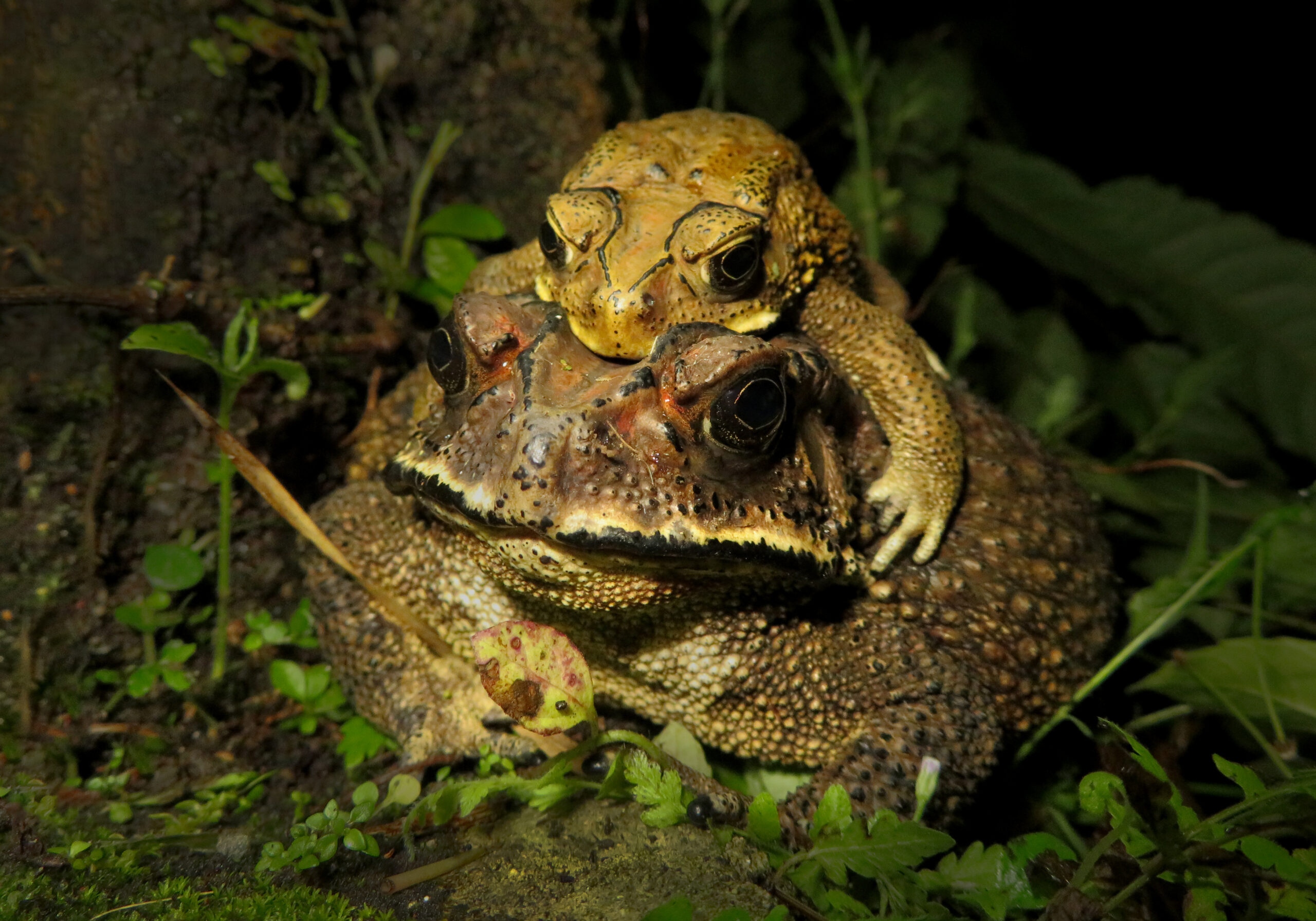
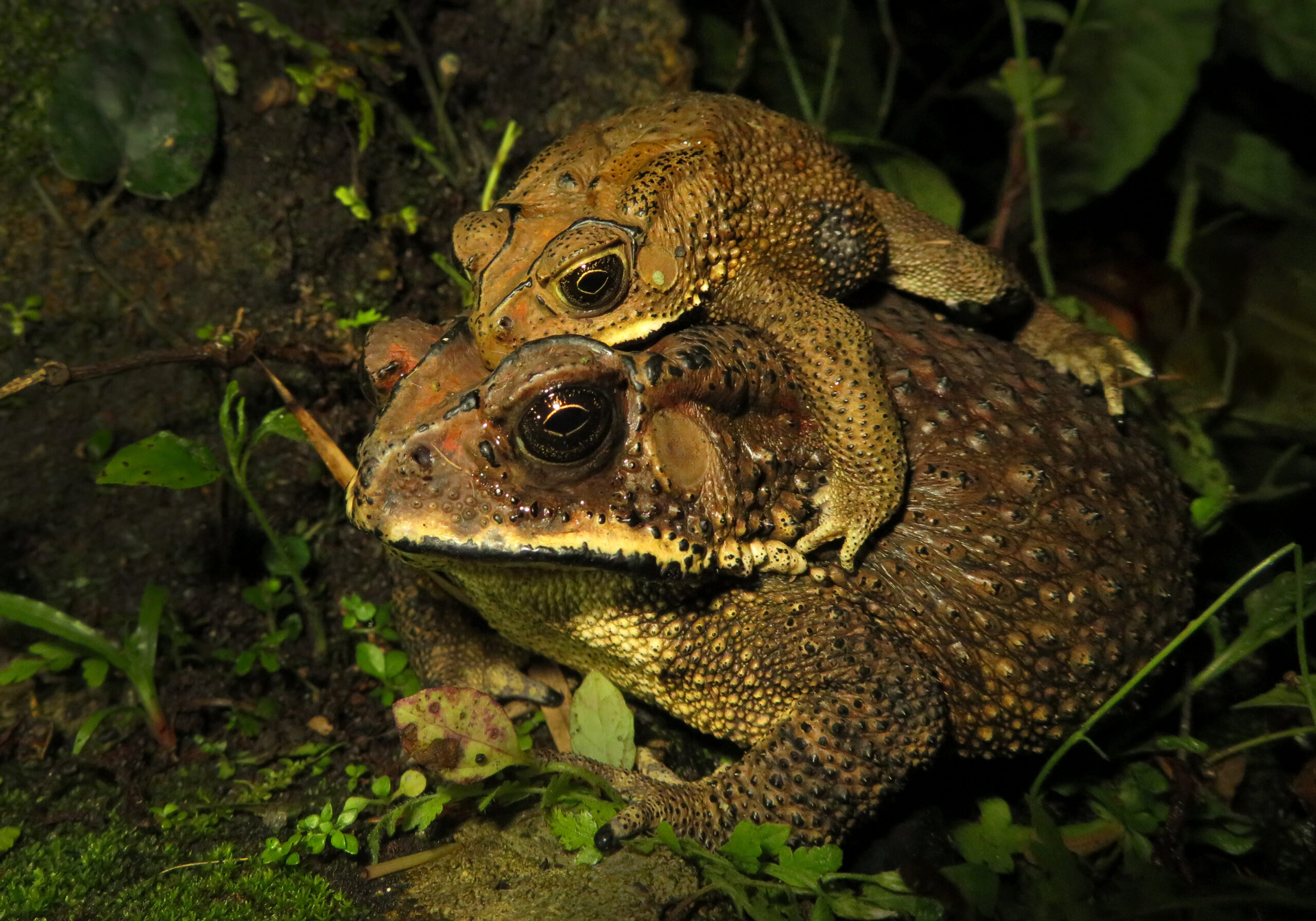
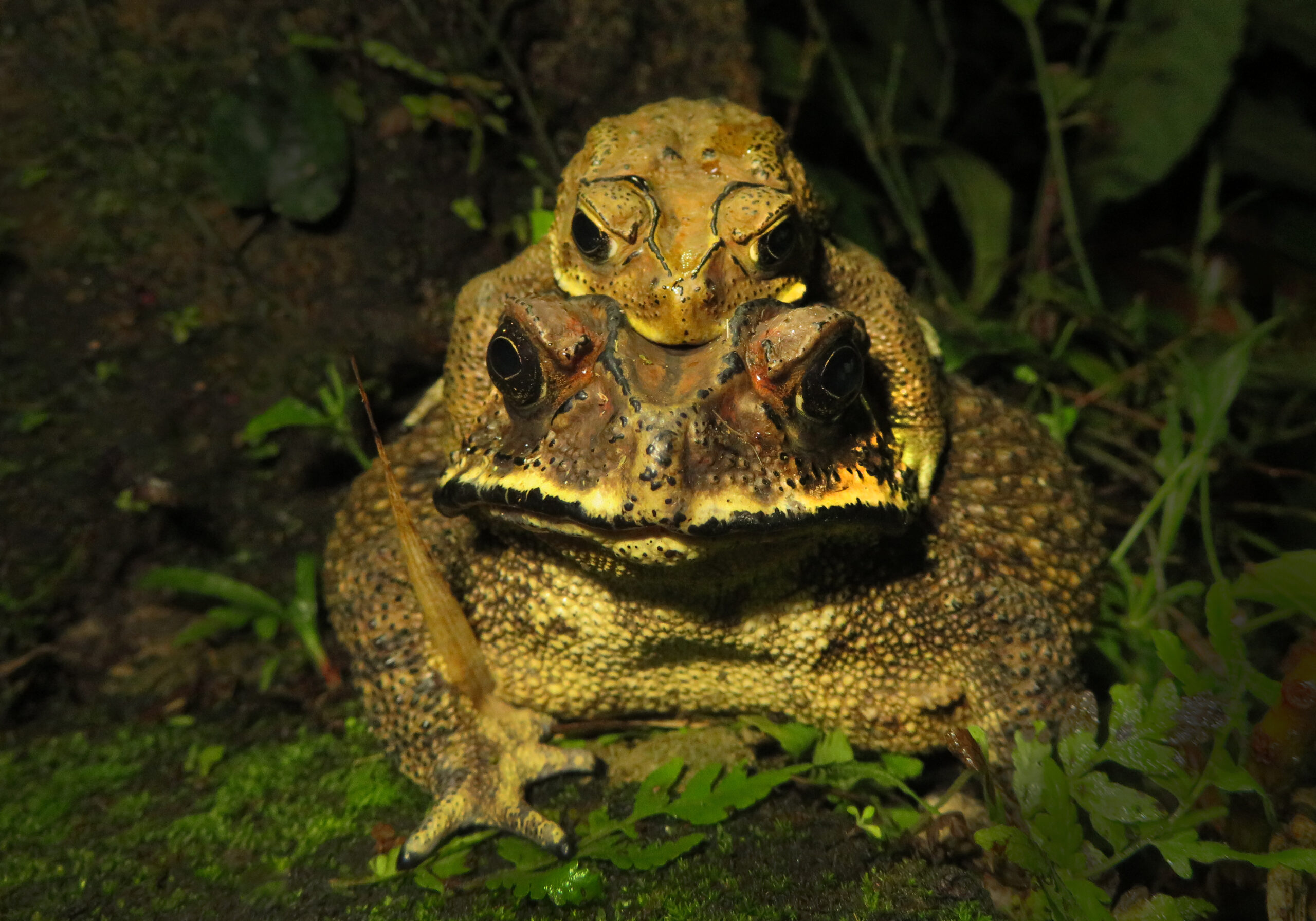
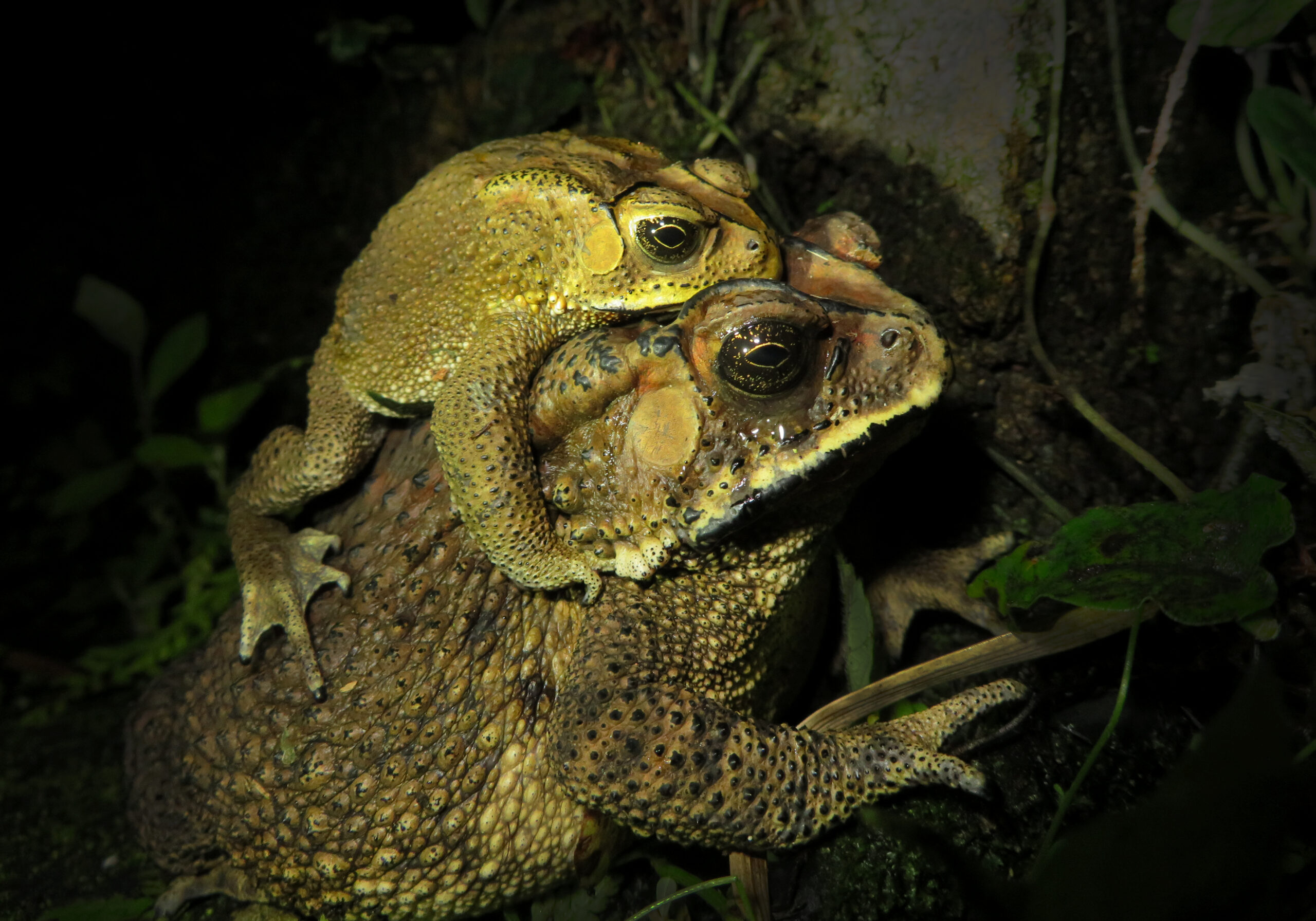
Amphibia is a class of ectothermic vertebrate animals that includes frogs, toads, salamanders, newts, and caecilians. Amphibians are widely distributed across the world, occurring on every continent except Antarctica, and inhabit a variety of environments such as forests, wetlands, rivers, ponds, grasslands, and tropical rainforests. Most species are closely associated with freshwater or moist habitats due to the nature of their skin and reproductive biology.
Amphibians are characterized by their moist, permeable skin, which is often used for gas exchange in addition to lungs or gills. Unlike reptiles, they lack scales, feathers, or fur. Most amphibians have four limbs, although caecilians are limbless and adapted for burrowing. Their body temperature is regulated by external environmental conditions, making them ectothermic.
A defining feature of amphibians is their life cycle, which often includes metamorphosis. Many species begin life as aquatic larvae with gills, such as tadpoles in frogs, and later transform into terrestrial or semi-aquatic adults with lungs. However, some species remain aquatic throughout life or bypass the larval stage entirely.
Reproduction in amphibians is generally tied to water or moist environments. Eggs are usually soft, jelly-like, and lack protective shells, making them vulnerable to desiccation. Fertilization may be external or internal depending on the group.
Feeding habits vary among life stages and groups. Larvae are often herbivorous or detritivorous, while adults are mainly carnivorous, feeding on insects, worms, small invertebrates, and occasionally small vertebrates. Amphibians play an important role in controlling insect populations.
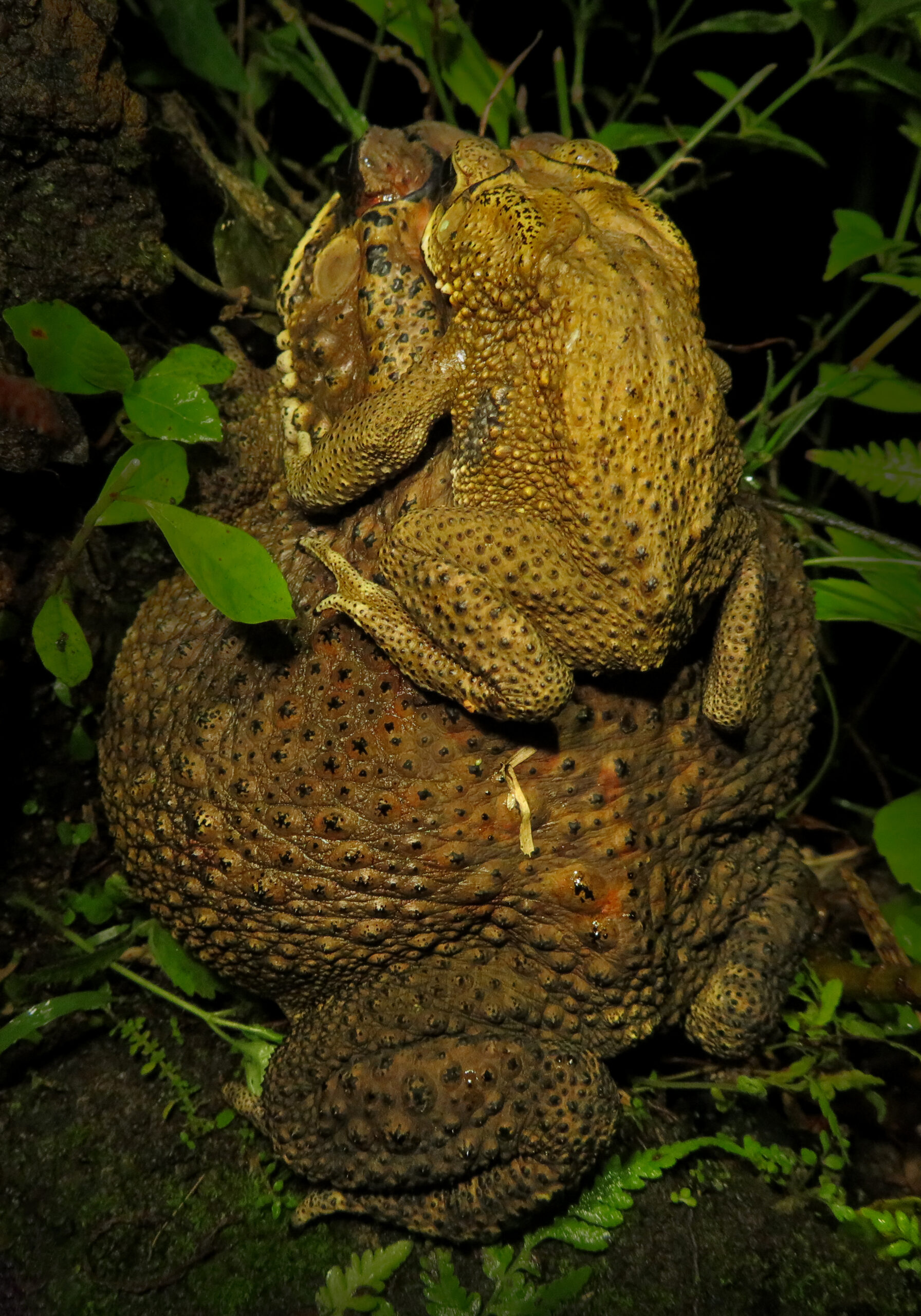
The class Amphibia is traditionally divided into three major orders: Anura (frogs and toads), Caudata or Urodela (salamanders and newts), and Gymnophiona or Apoda (caecilians).
Ecologically, amphibians are important components of food webs, serving as both predators and prey. Their permeable skin and sensitivity to environmental changes make them valuable indicators of ecosystem health. However, many amphibian species are threatened by habitat loss, pollution, climate change, disease, and invasive species, making them one of the most vulnerable groups of vertebrates worldwide.