Bali Wildlife
Every Spices Matter


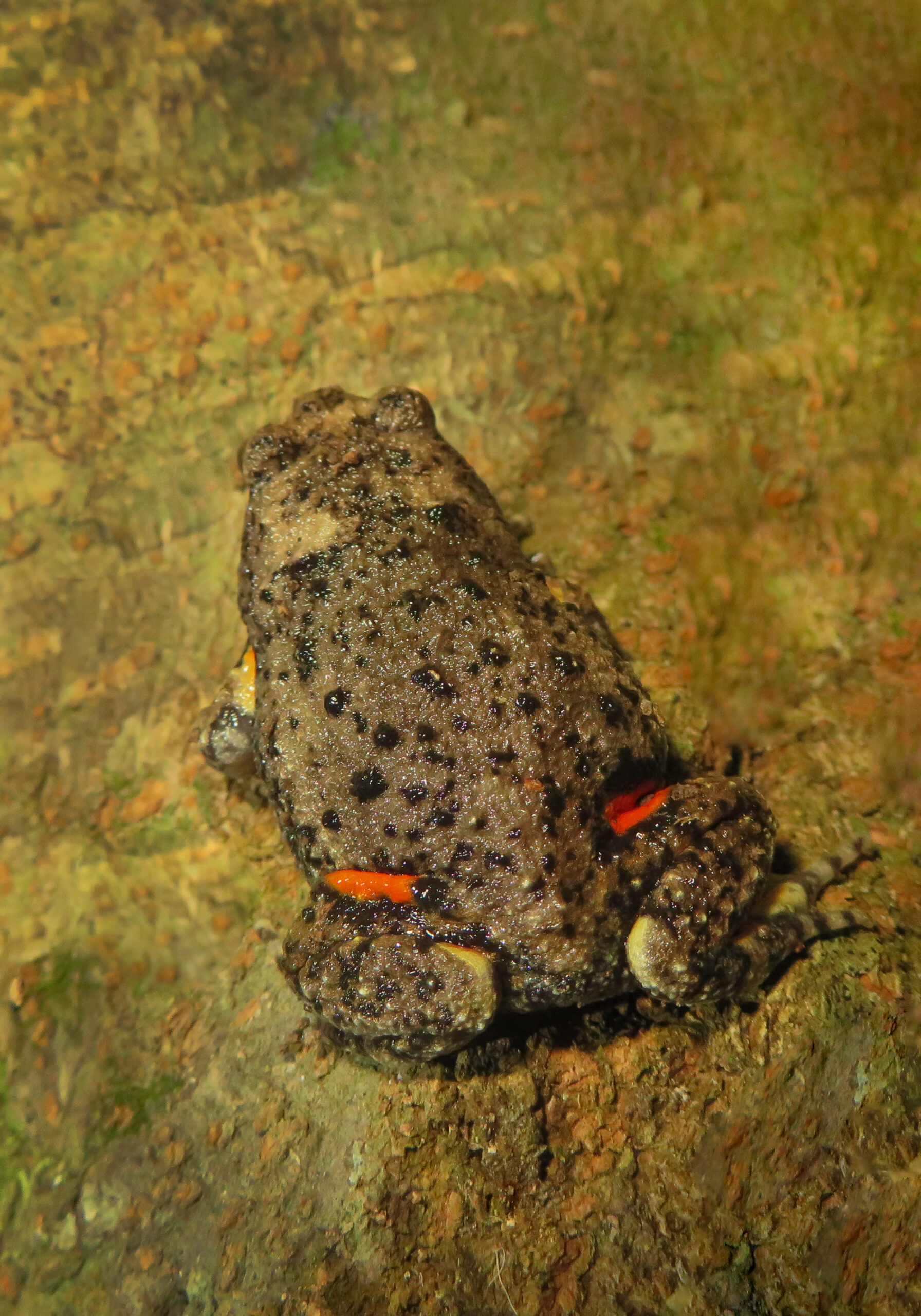
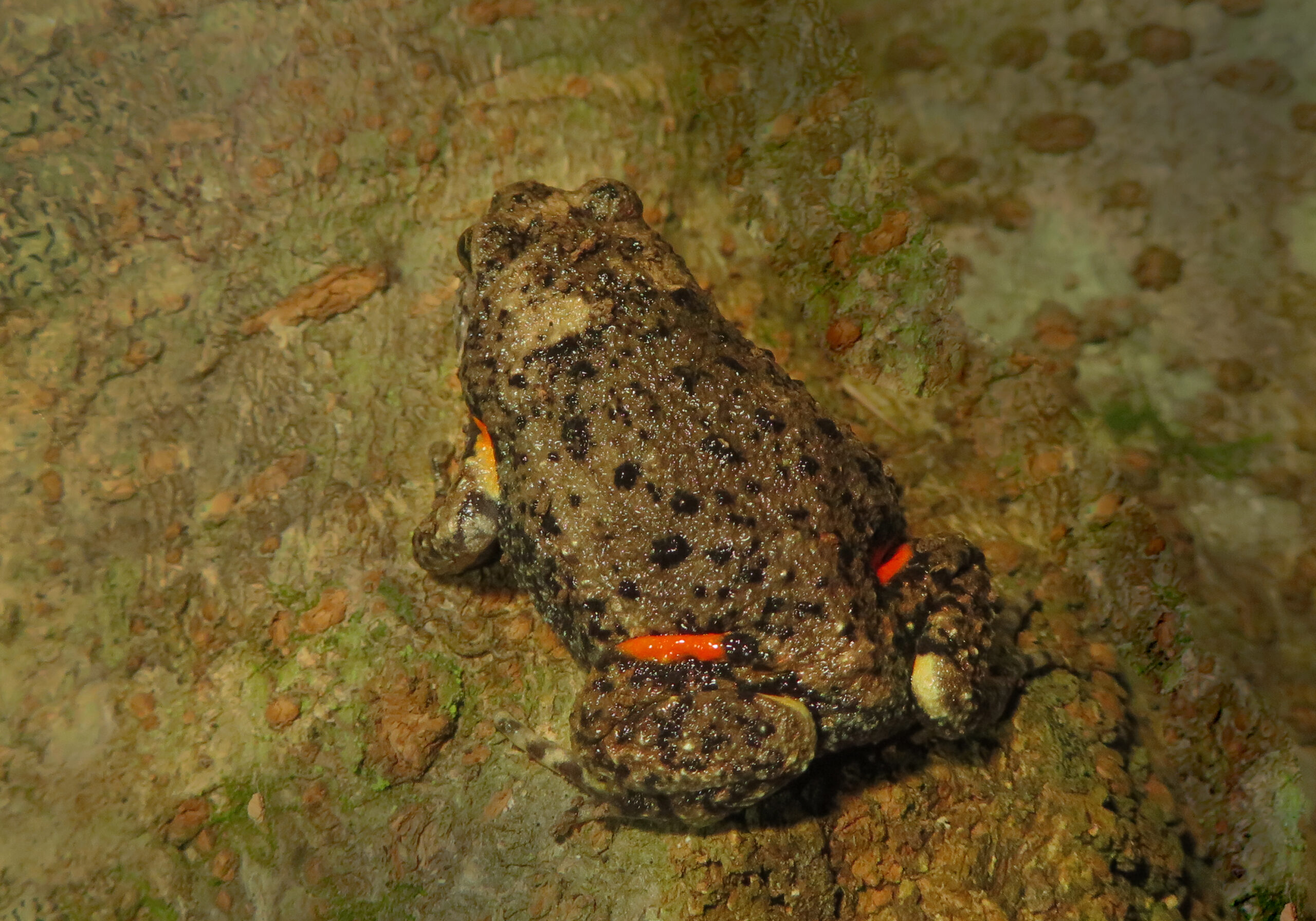
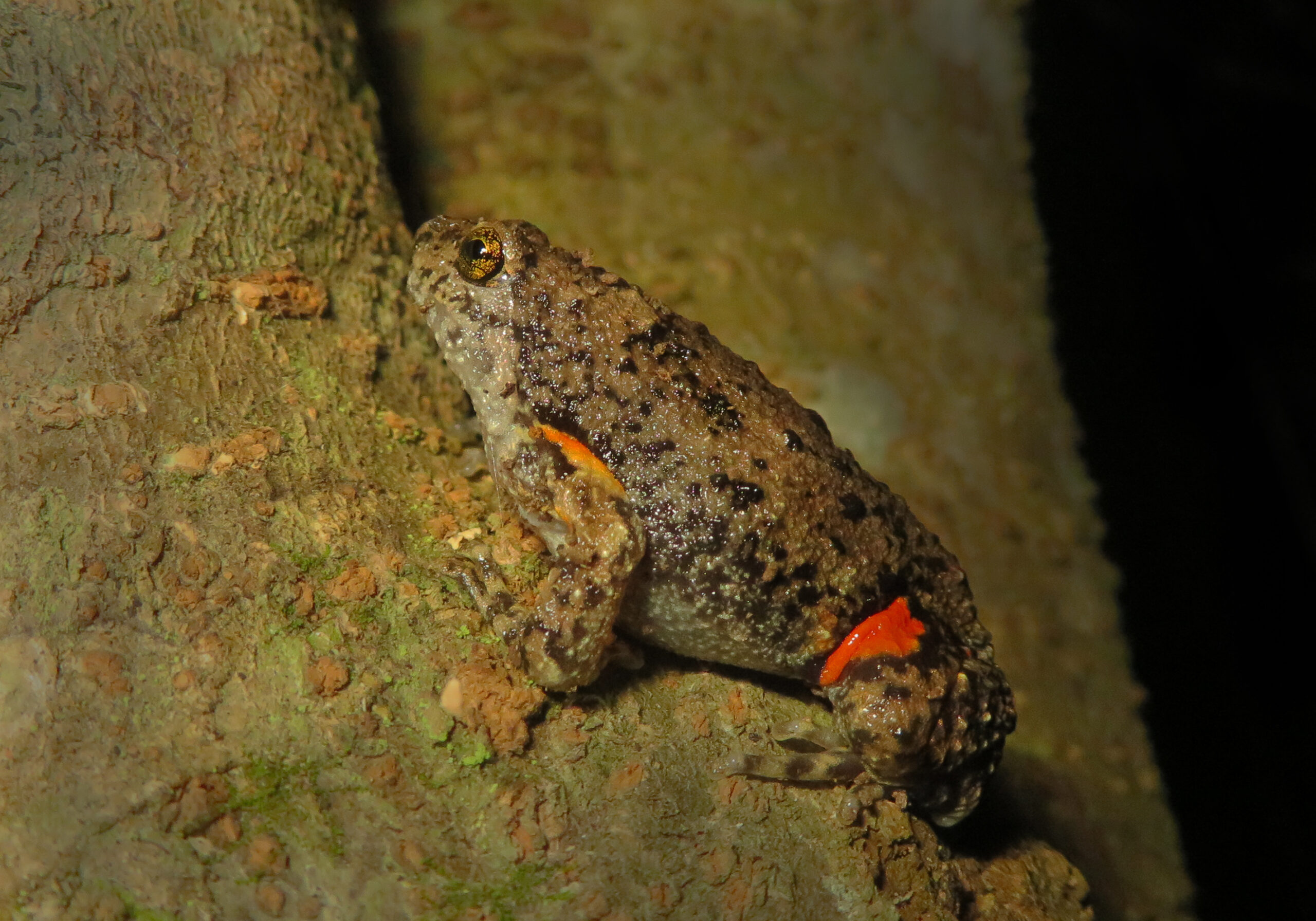
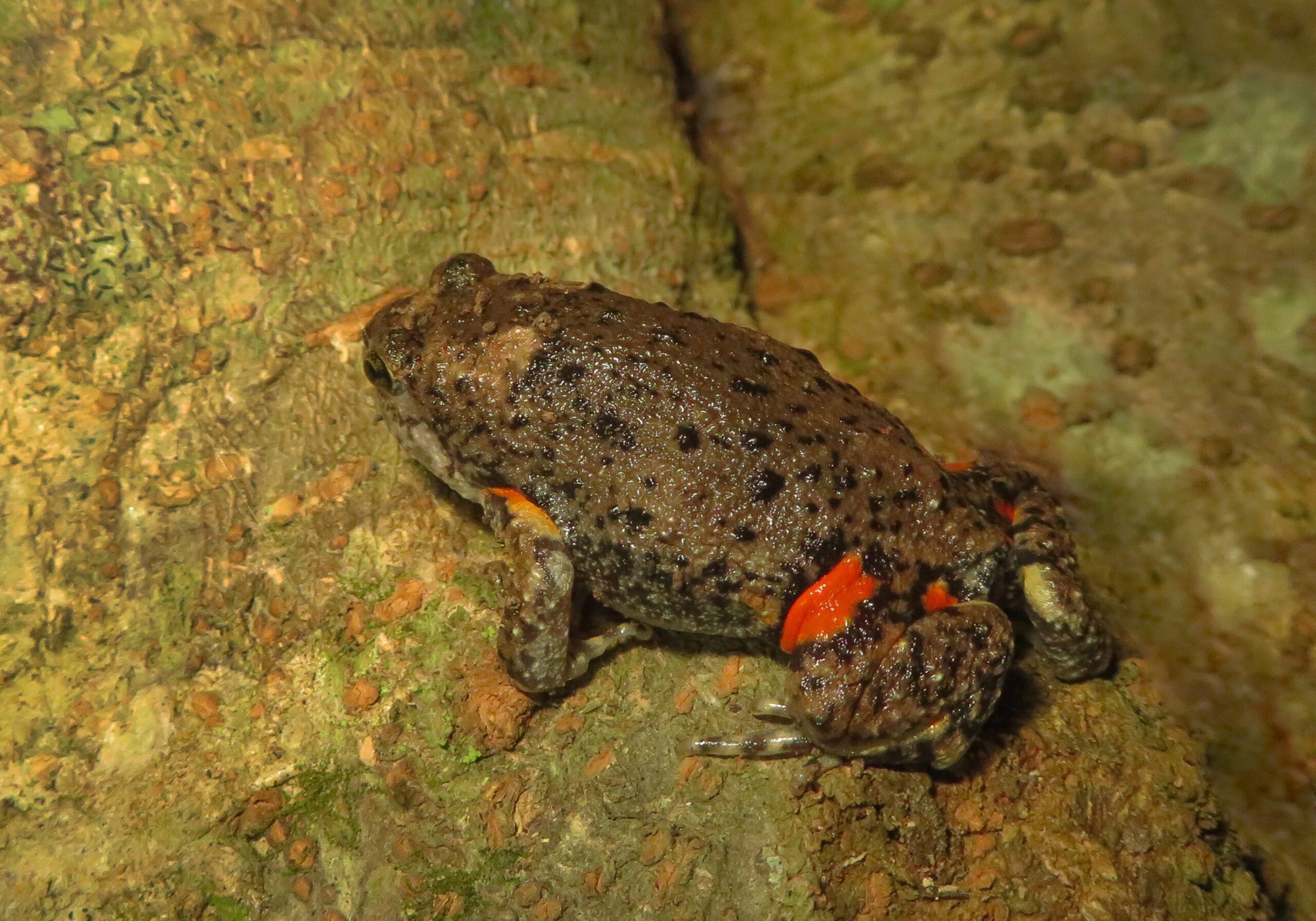
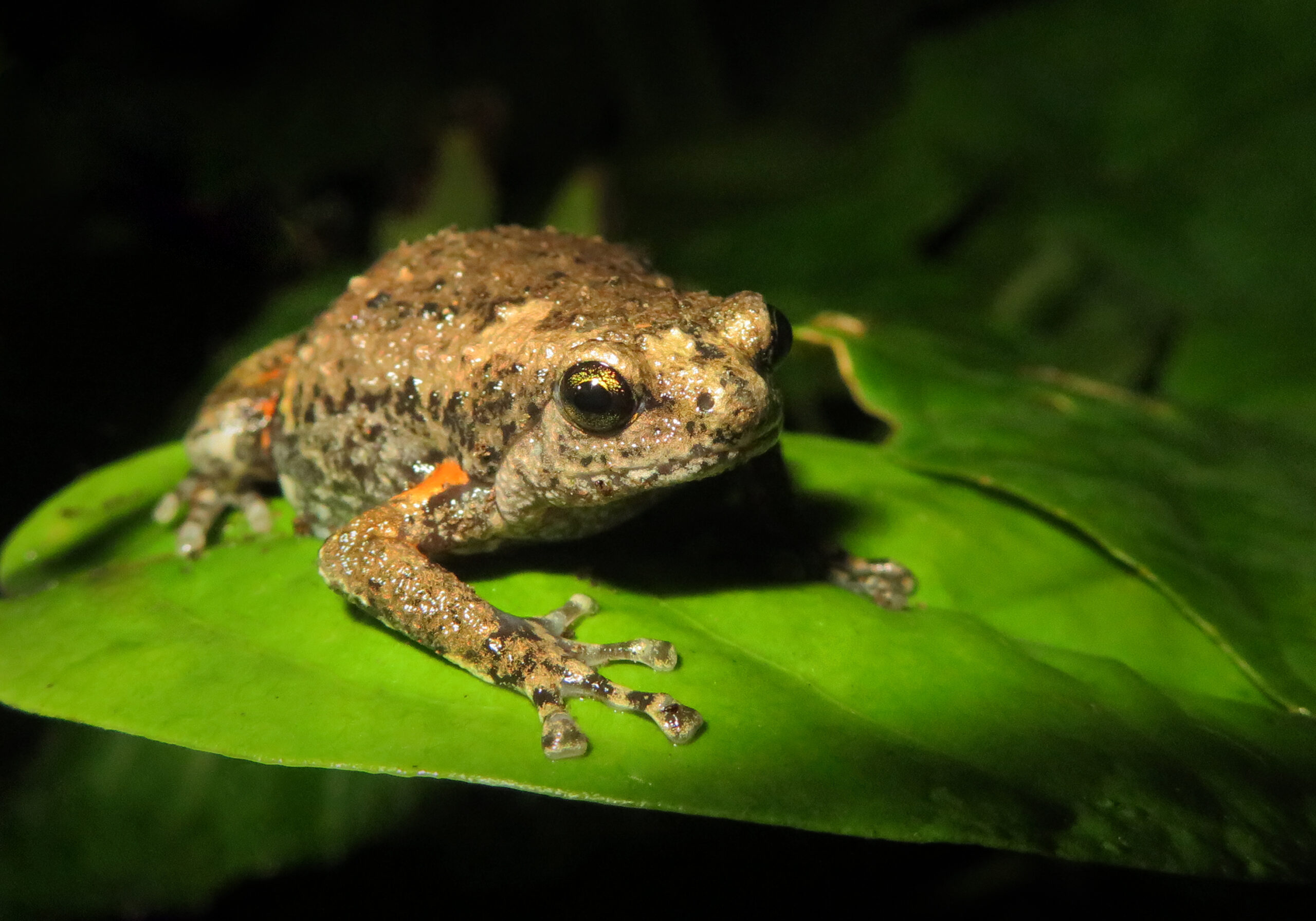
Microhylidae is a large and diverse family of frogs within the order Anura, commonly known as narrow-mouthed frogs. Members of this family are distributed widely across tropical and subtropical regions of the world, including Asia, Africa, Madagascar, the Americas, and Australia. They inhabit a broad range of environments such as rainforests, grasslands, wetlands, leaf litter, and underground burrows.
Frogs of the family Microhylidae are generally small to medium-sized and are characterized by a compact body and a distinctly narrow mouth, which gives the family its common name. Many species have short limbs, rounded bodies, and smooth skin, though body shape and coloration vary greatly among genera. Their coloration is often cryptic, helping them blend into soil, leaf litter, or forest floors.
Many microhylids are fossorial or semi-fossorial, spending much of their time hidden underground or beneath debris. Some species are arboreal or associated with moist forest habitats. Their movement is often more hopping or walking than long jumping compared to many other frogs.
The life cycle typically involves metamorphosis, although reproductive strategies can vary widely within the family. Eggs are usually laid in moist environments or shallow water, and tadpoles may be aquatic, semi-terrestrial, or in some species absent altogether through direct development.
Feeding habits are primarily carnivorous. Many microhylids specialize in feeding on ants, termites, and other small invertebrates, aided by their narrow mouths and sticky tongues.
The family includes numerous genera such as Microhyla, Kaloula, Glyphoglossus, and many others, reflecting considerable ecological and morphological diversity.
Ecologically, Microhylidae plays an important role in controlling populations of small insects, particularly ants and termites. They also form part of food webs as prey for reptiles, birds, and mammals. Due to their sensitivity to habitat changes and environmental conditions, many species are affected by habitat loss, pollution, and climate change, making conservation important for preserving their diversity.