Bali Wildlife
Every Spices Matter


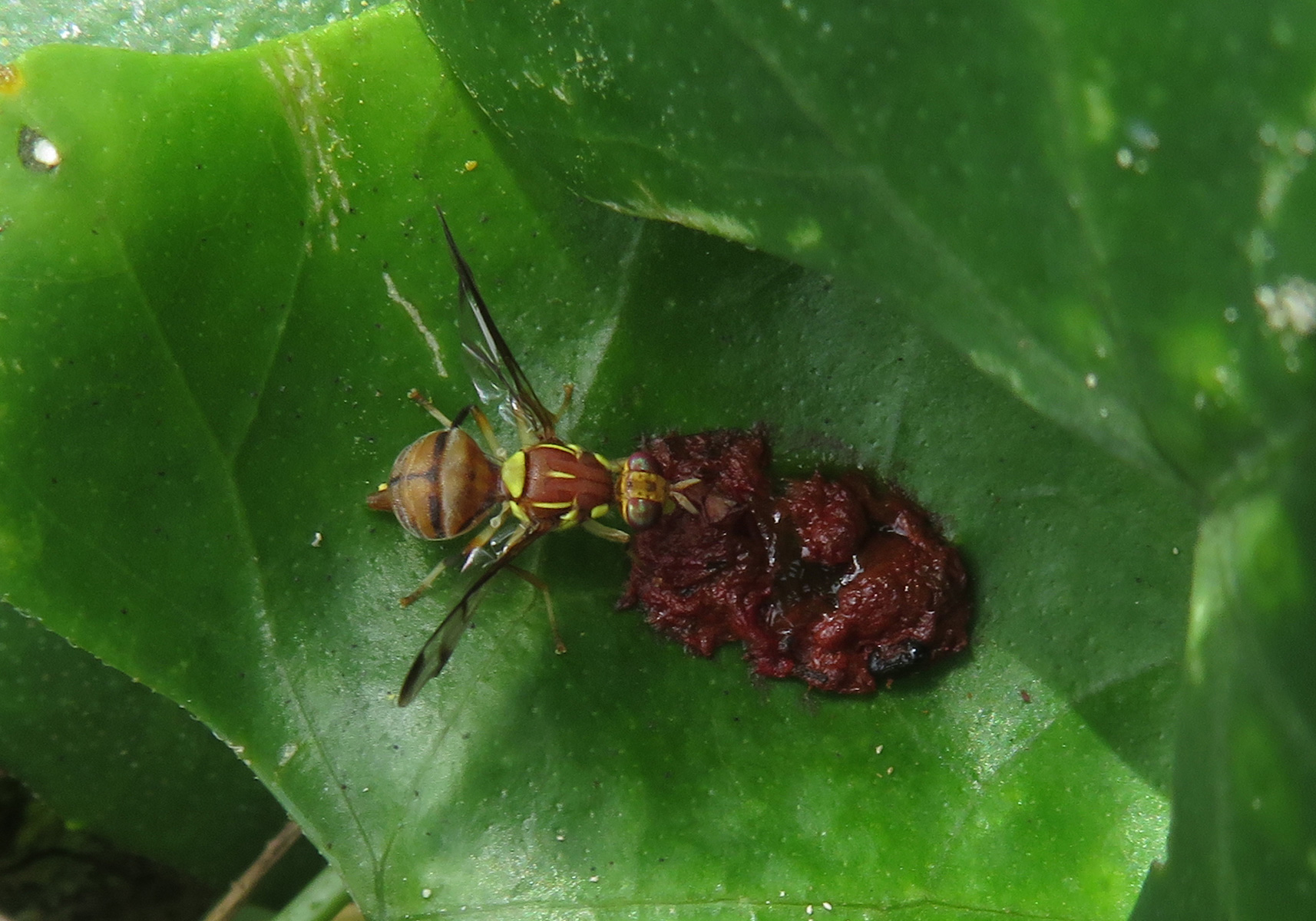
Tephritidae, commonly known as true fruit flies, is a large and diverse family within the superfamily Tephritoidea (Order Diptera). The family is distributed worldwide and is especially abundant in tropical and subtropical regions. Many species are closely associated with plants and are commonly found in orchards, agricultural fields, forests, and grasslands.
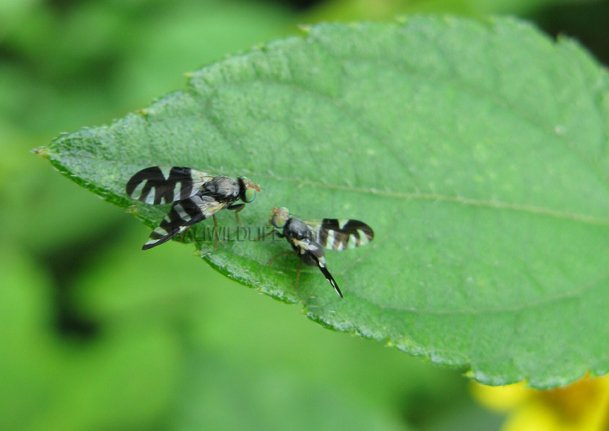
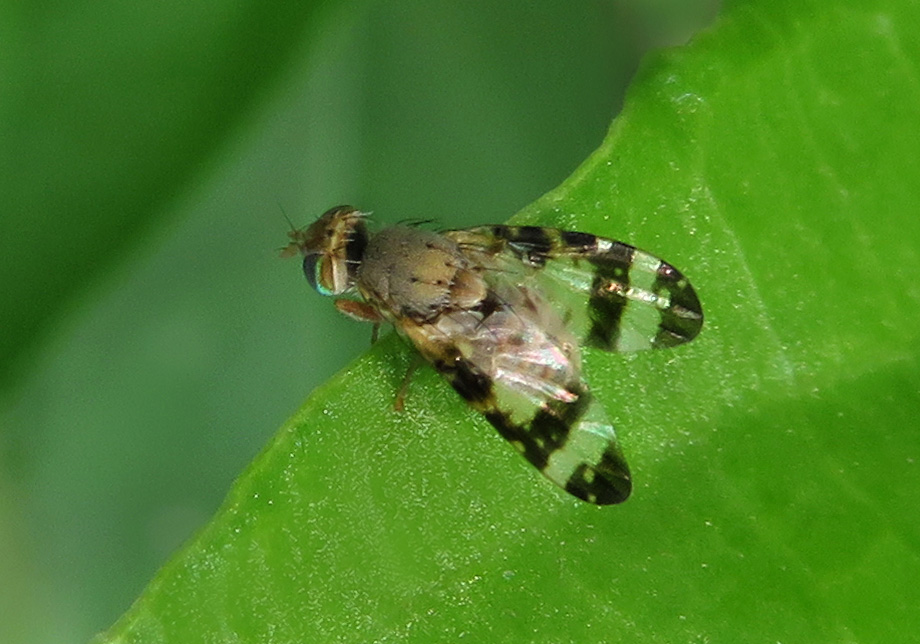
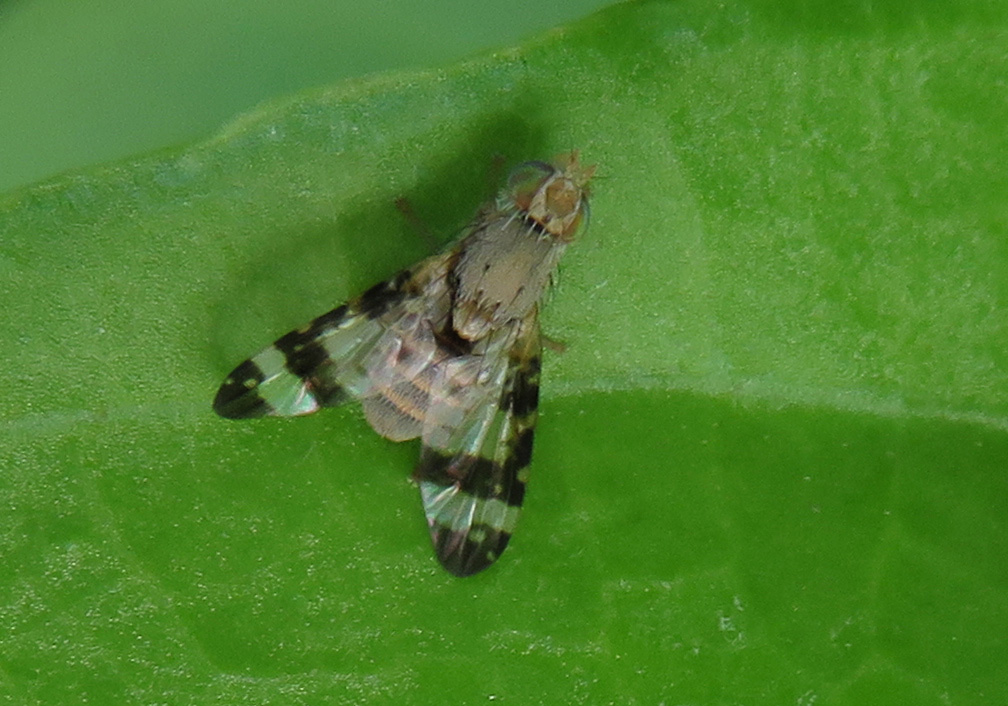
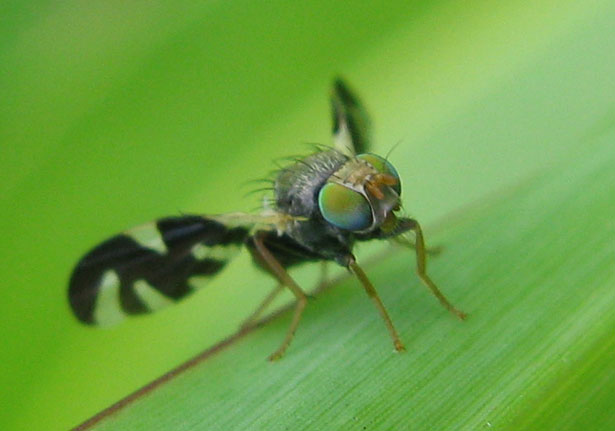
Tephritid flies are generally small to medium-sized and are easily recognized by their often brightly patterned wings, which may display bands, spots, or intricate designs. These wing patterns are frequently used in visual communication, including courtship displays and territorial signaling. The body is typically compact, with short antennae bearing an arista and large compound eyes.
The life cycle involves complete metamorphosis. Larvae are primarily phytophagous and usually develop within plant tissues. Many species infest fruits, where the larvae feed internally, causing significant damage. Others develop in stems, leaves, seeds, or flower heads, and some species induce the formation of galls.
Females typically use a well-developed ovipositor to insert eggs into plant tissues. After hatching, larvae feed within the host plant, protected from many external threats. Pupation usually occurs in the soil or within the plant material.
The family Tephritidae includes numerous economically important genera, such as Bactrocera, Ceratitis, Anastrepha, and Rhagoletis. Many species in these genera are major agricultural pests, causing substantial losses in fruit and vegetable crops worldwide.
Ecologically, Tephritidae play important roles as herbivores that influence plant populations and interactions. While many species are considered pests, others are used in biological control programs to manage invasive plants. Their diversity, complex behaviors, and economic impact make Tephritidae one of the most significant families within Diptera.