Bali Wildlife
Every Spices Matter


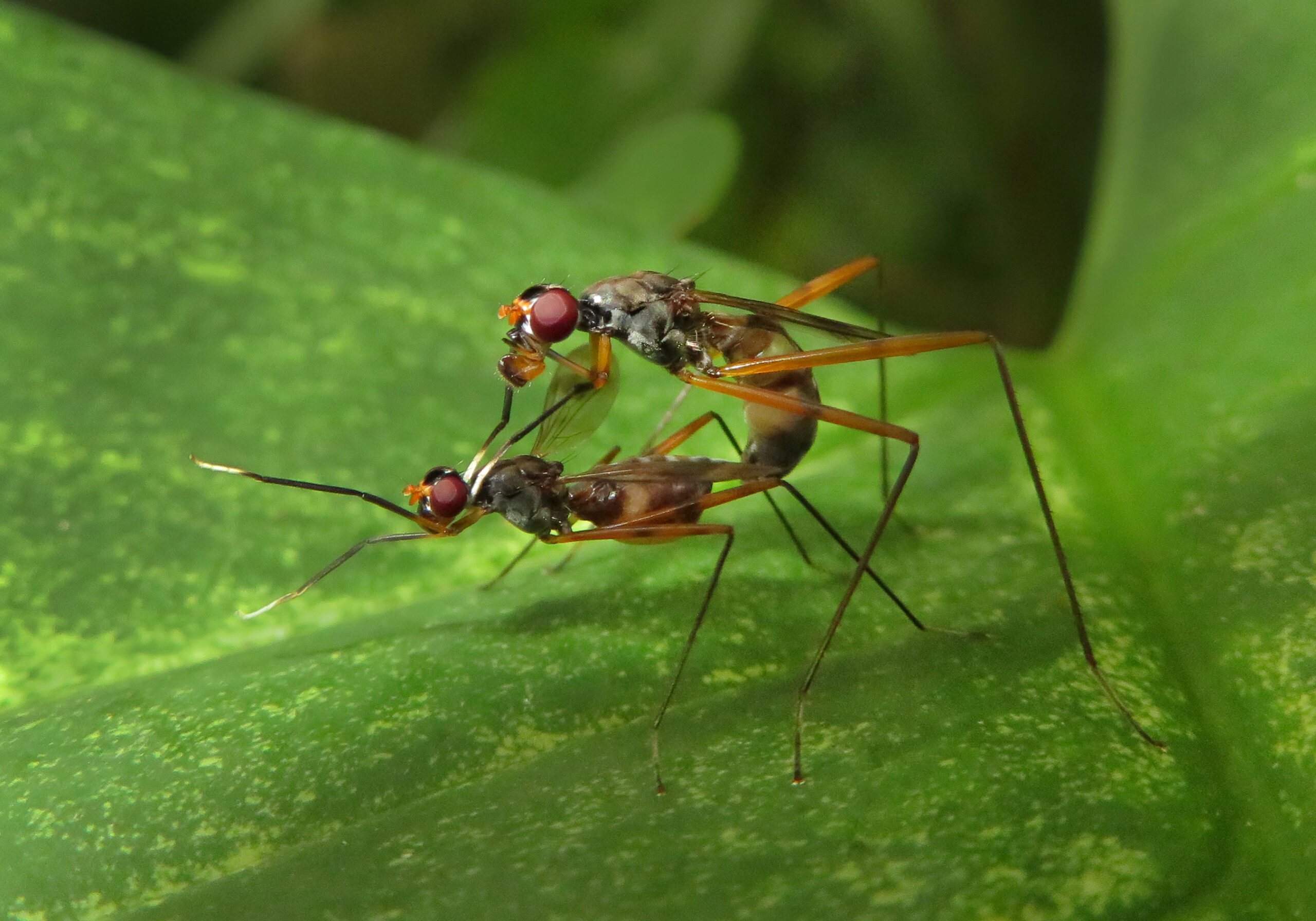
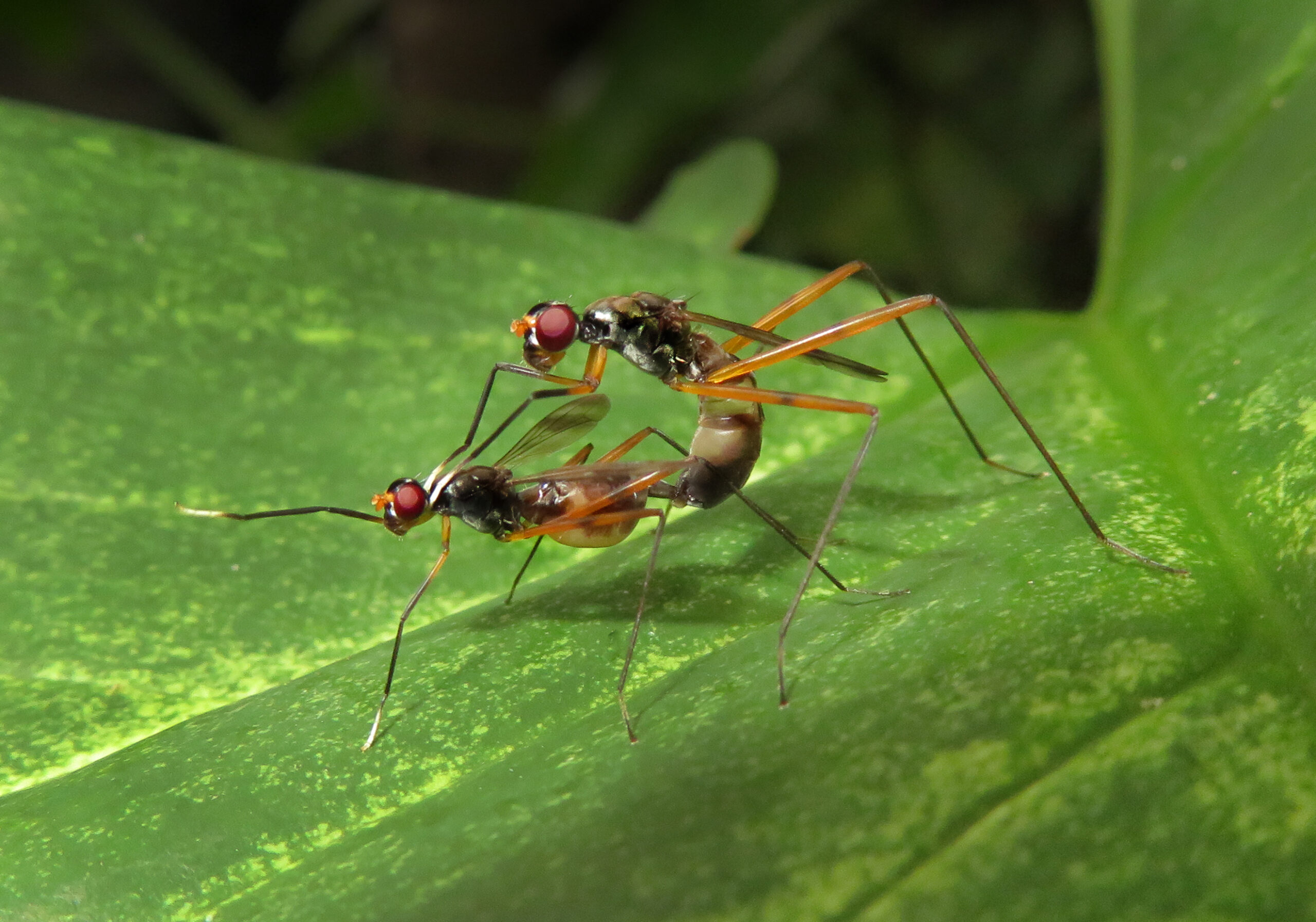
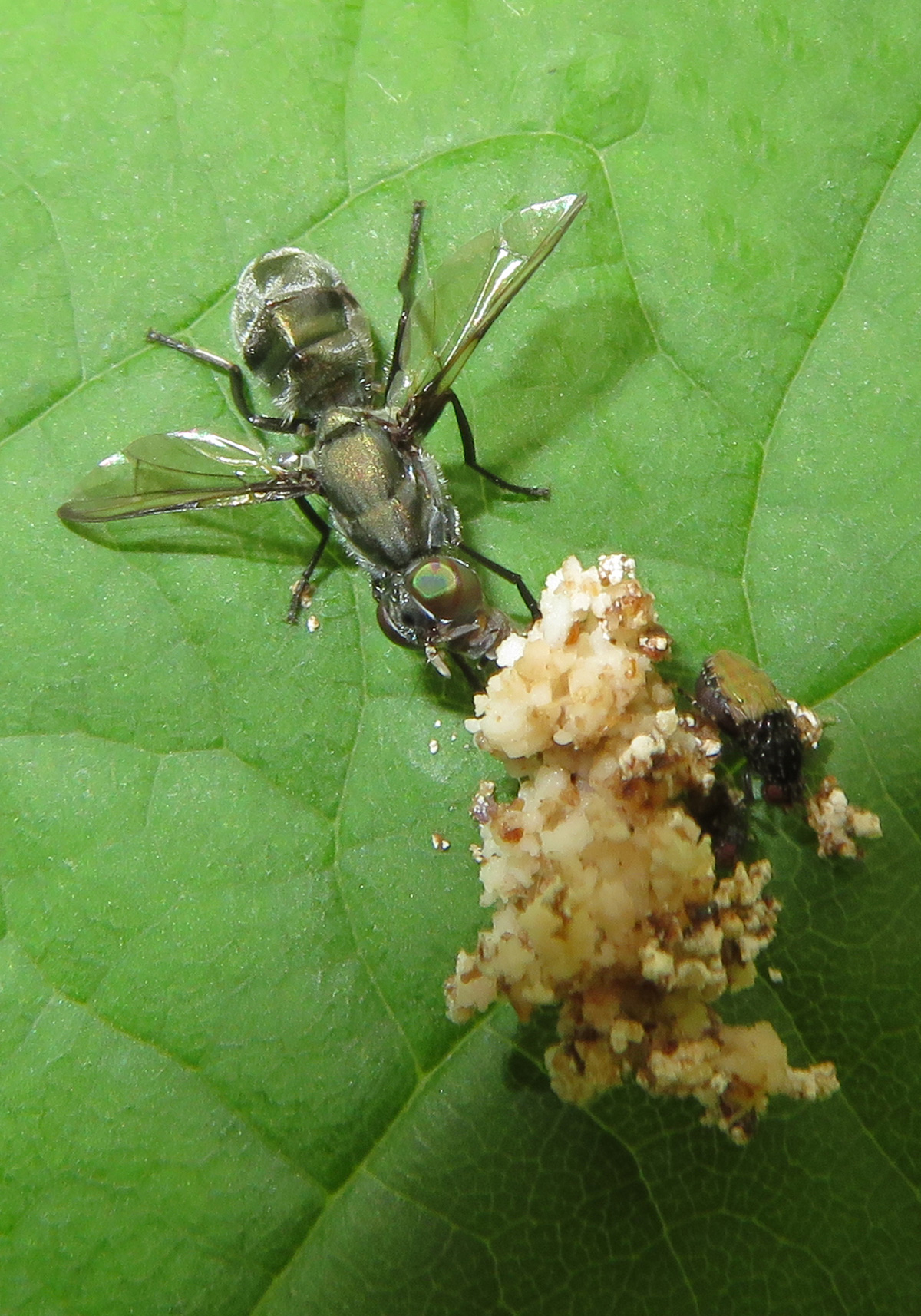
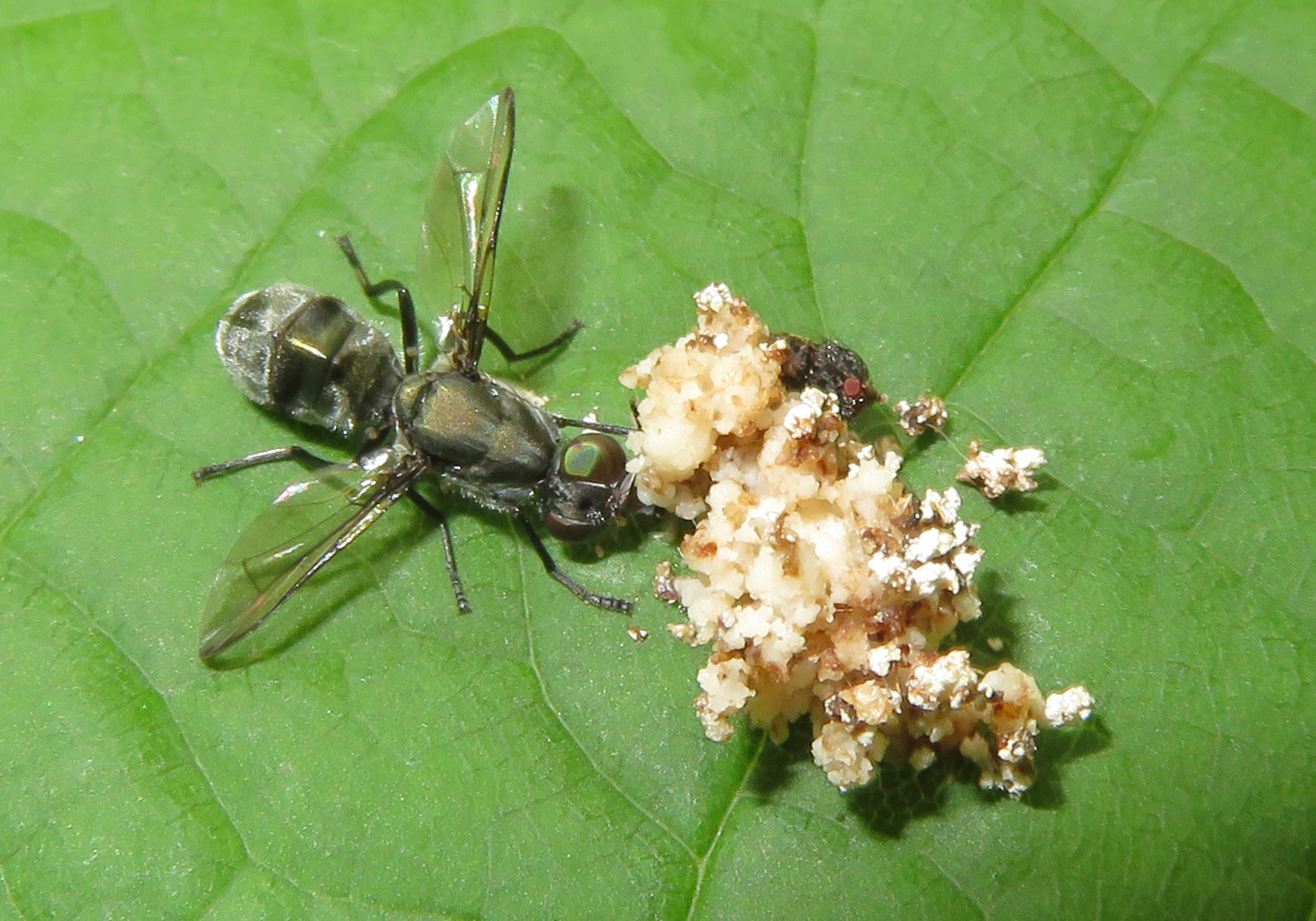
Acalyptratae is a large and diverse zoosubsection within the zoosection Schizophora (Infraorder Cyclorrhapha, Suborder Brachycera, Order Diptera). It comprises a wide array of flies that are generally smaller and more morphologically varied than their counterparts in Calyptratae. Members of Acalyptratae are distributed worldwide and occupy nearly all terrestrial habitats, including forests, grasslands, wetlands, agricultural systems, and urban environments.
A defining characteristic of Acalyptratae is the absence or strong reduction of calypters (small membranous lobes at the base of the wings), which are well developed in Calyptratae. Like all members of Schizophora, they possess a ptilinal suture on the head, marking where the ptilinum was used to emerge from the puparium. The body is often more slender and less heavily built than in calyptrate flies, and overall morphology is highly variable across families.
Acalyptrate flies typically have short antennae with an arista and well-developed compound eyes. Wing structure and coloration vary widely, with some groups exhibiting distinctive patterns used in communication or camouflage. Many species are agile fliers and display complex behaviors.
The life cycle involves complete metamorphosis, with egg, larval, pupal, and adult stages. Larvae are usually legless maggots that exploit a wide range of ecological niches. They may feed on decaying organic matter, plant tissues (as leaf miners, stem borers, or fruit feeders), fungi, or other insects. Some species are highly specialized and closely associated with particular host plants.
Acalyptratae includes numerous families, such as Drosophilidae (fruit flies), Tephritidae (true fruit flies), Agromyzidae (leaf-miner flies), Ulidiidae (picture-winged flies), and Ephydridae (shore flies). These families represent an enormous diversity of ecological roles and evolutionary adaptations.
Ecologically, Acalyptratae plays an important role in ecosystems as decomposers, herbivores, pollinators, and sometimes predators. Many species are beneficial, contributing to nutrient cycling and ecological interactions, while others are of economic importance as agricultural pests or as model organisms in scientific research (e.g., Drosophila melanogaster). The group reflects a highly successful evolutionary radiation within higher flies.