Bali Wildlife
Every Spices Matter


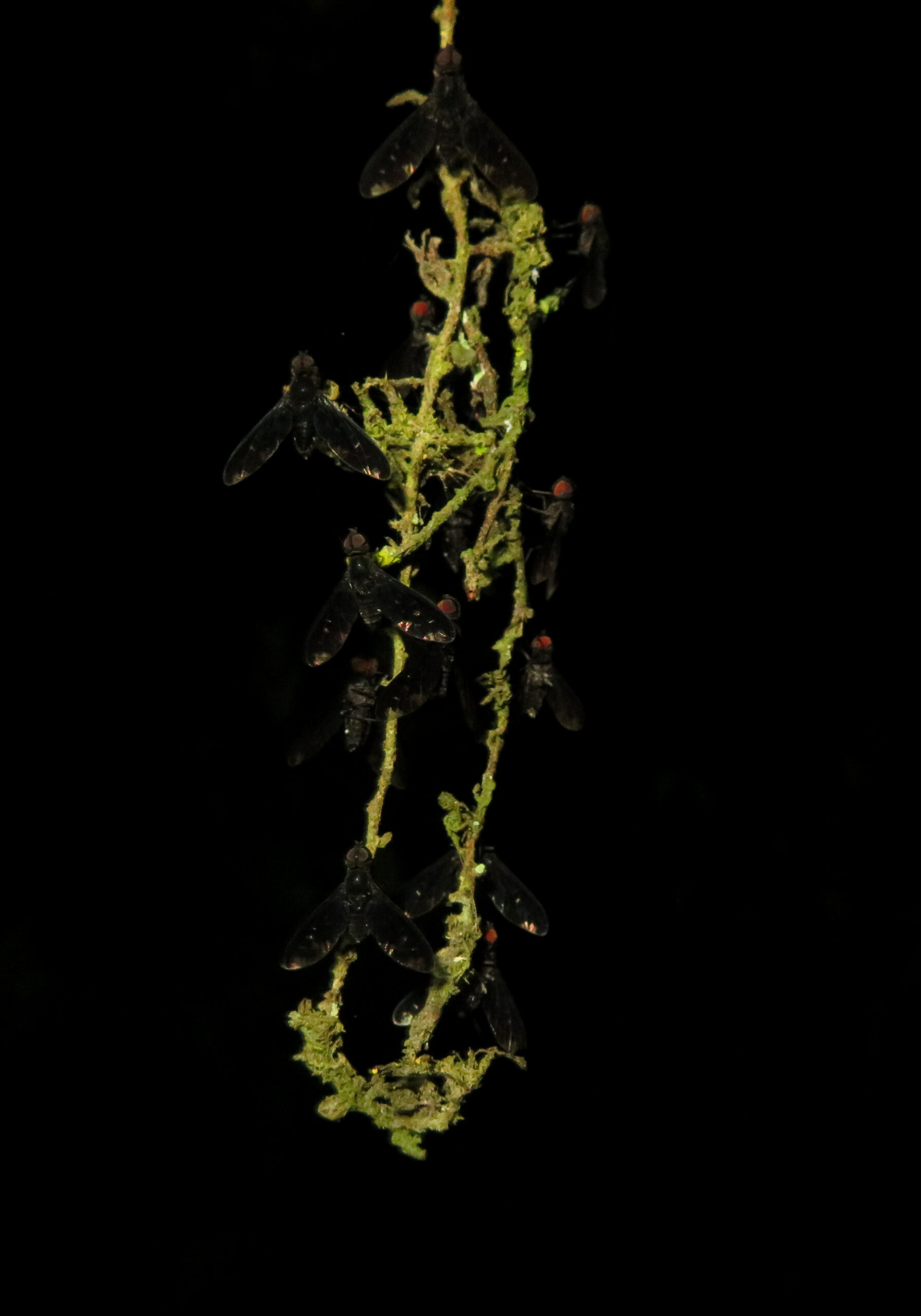
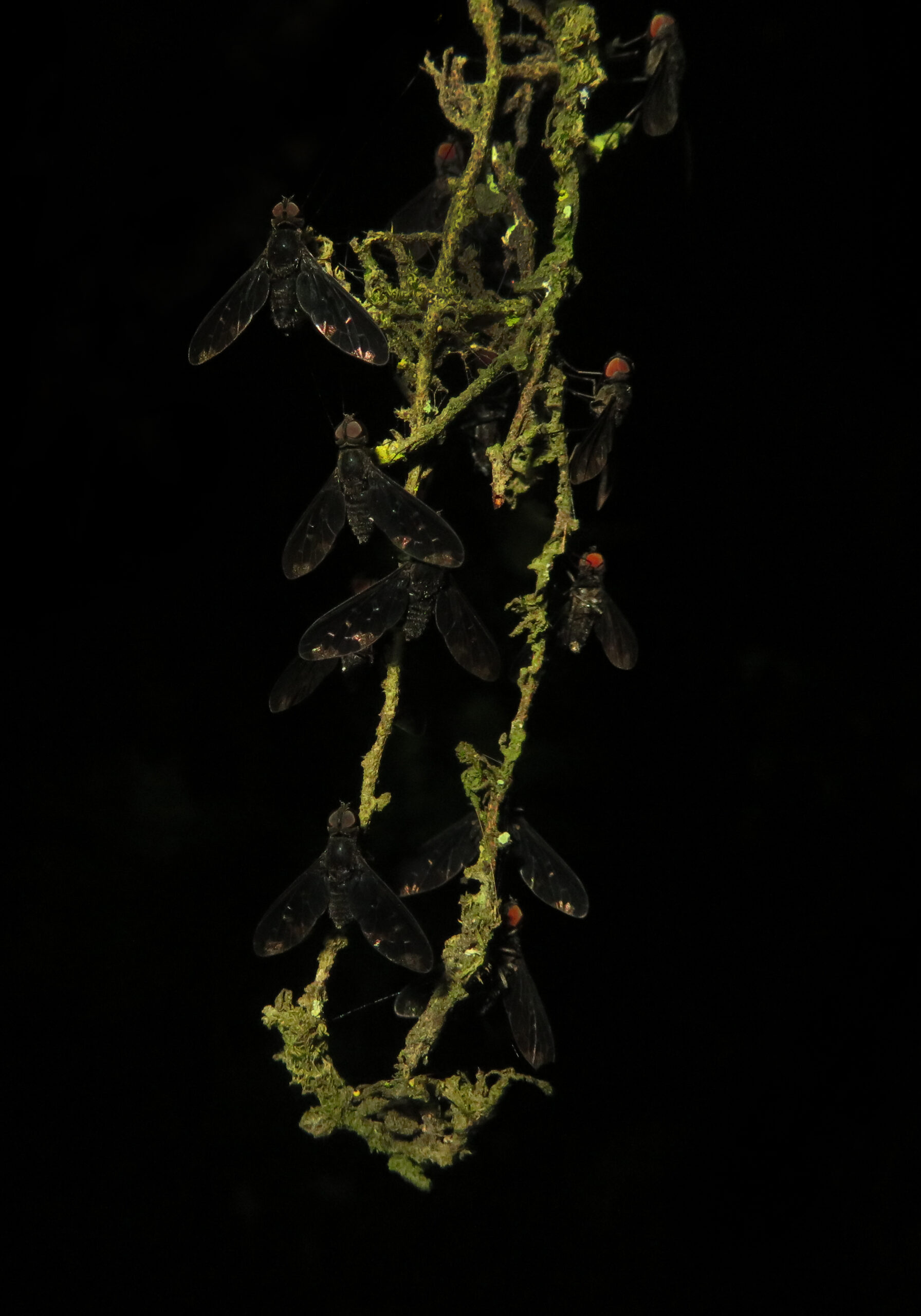
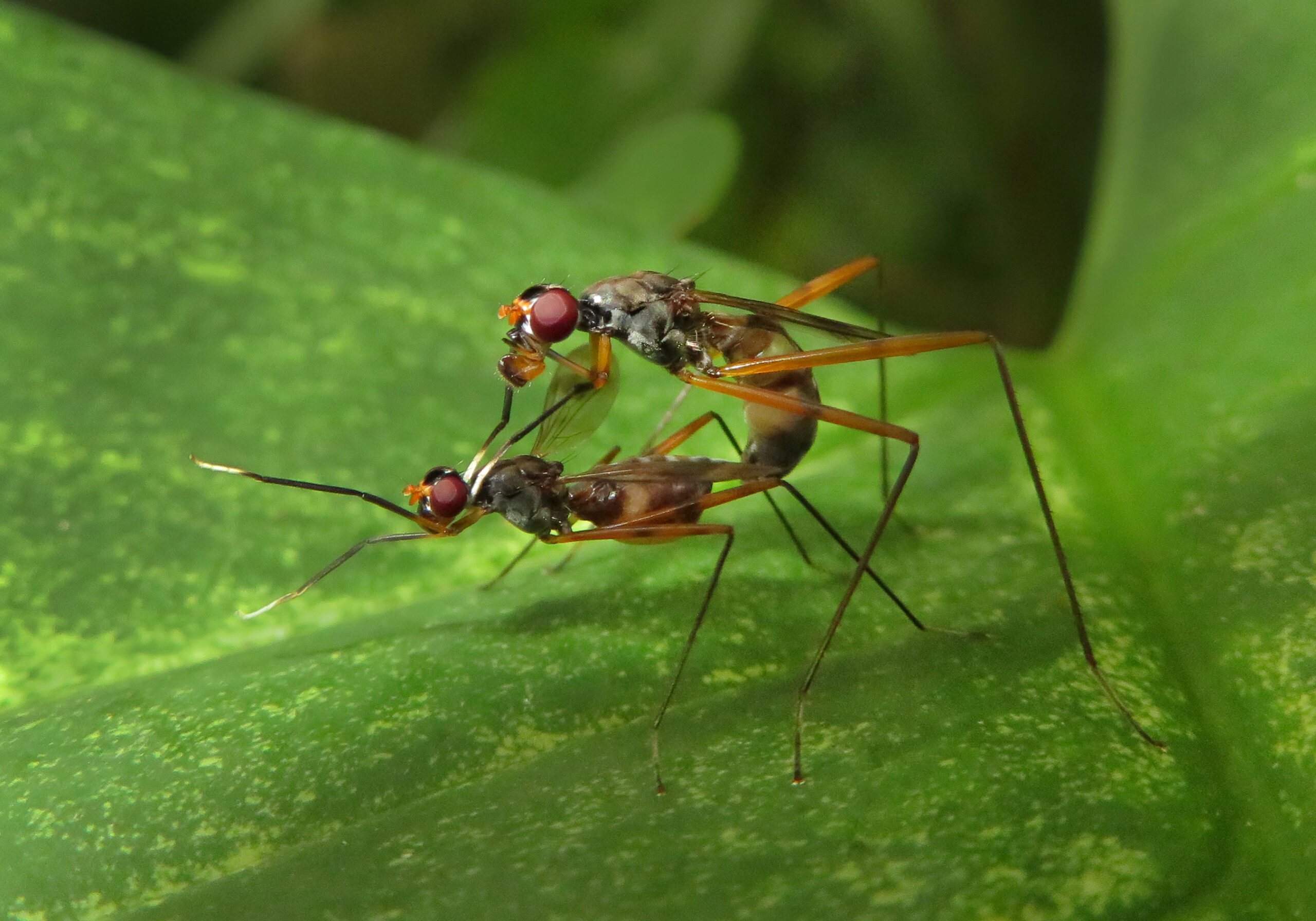
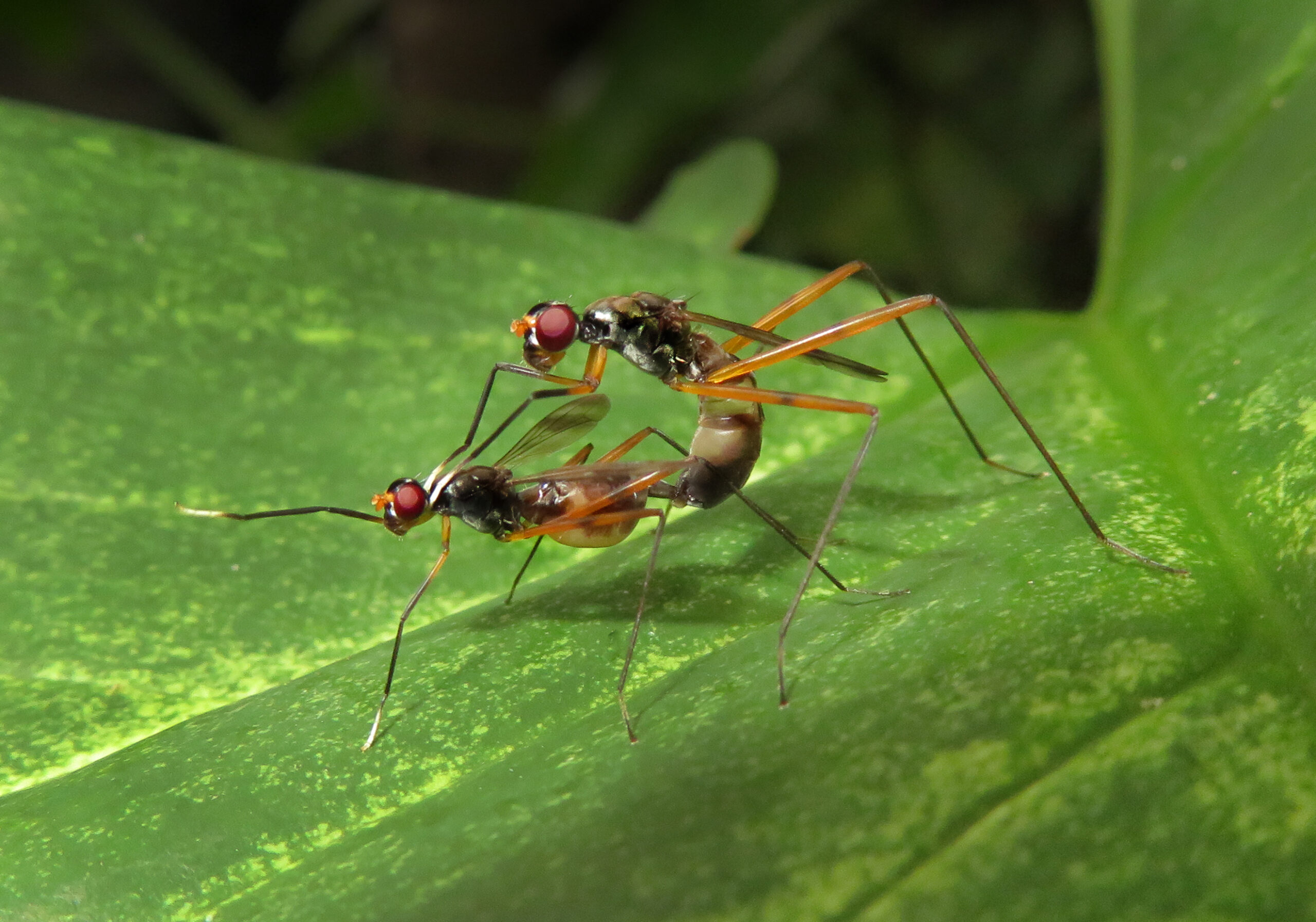
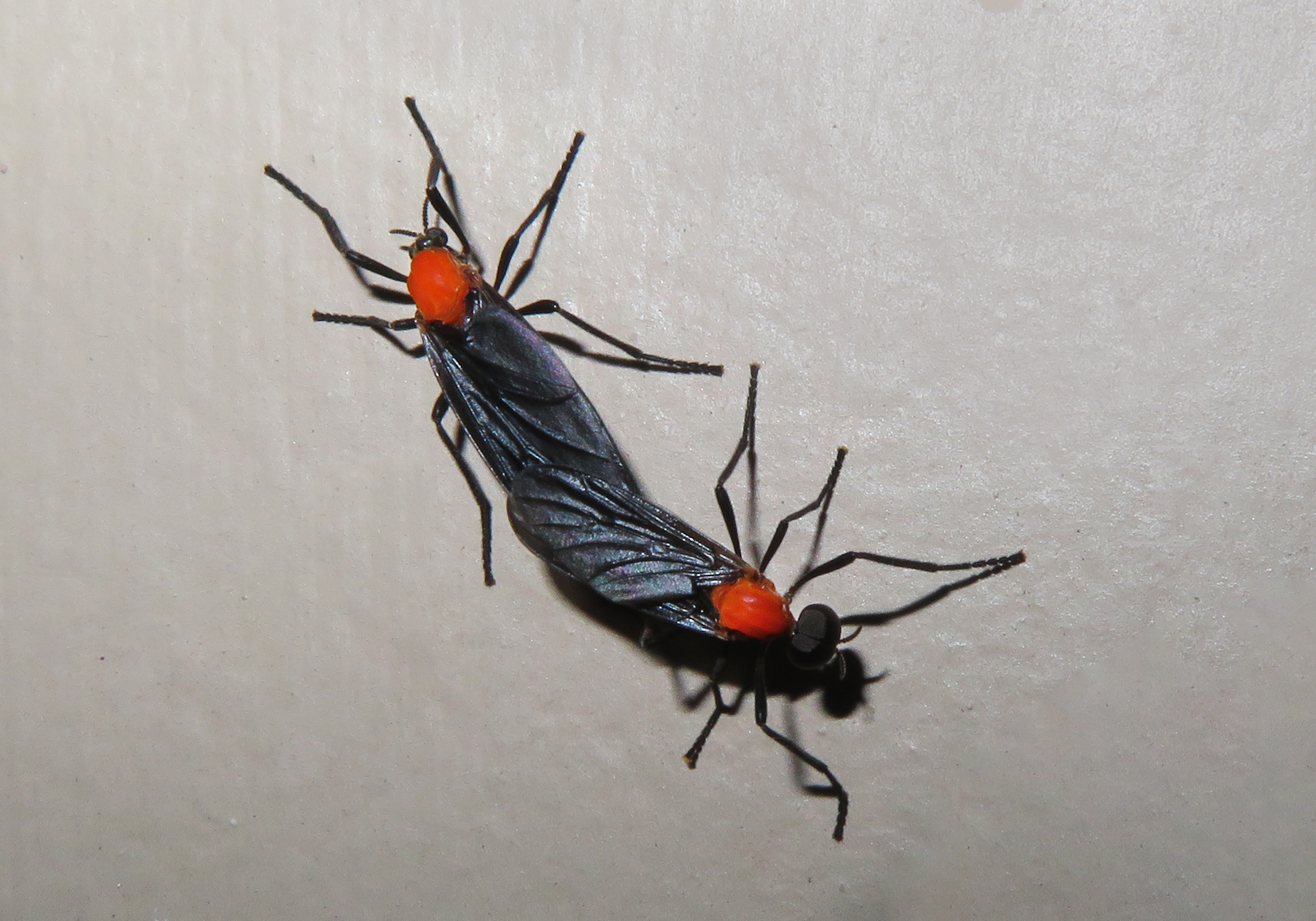
Diptera is a large and diverse order of insects commonly known as true flies, which includes house flies, mosquitoes, midges, gnats, and many other groups. Members of this order are distributed worldwide and inhabit nearly every type of environment, from forests and wetlands to deserts and urban areas. Diptera is one of the most ecologically and economically significant insect orders.
A defining characteristic of Diptera is the presence of a single pair of functional wings. The hind wings are reduced to small, knob-like structures called halteres, which function as balancing organs during flight and provide remarkable stability and maneuverability. The body is typically divided into head, thorax, and abdomen, with well-developed compound eyes and short to elongated antennae.
Mouthparts in Diptera vary widely depending on feeding habits. Some species have sponging mouthparts for feeding on liquids, while others possess piercing–sucking structures for blood feeding or plant feeding. Many flies feed on nectar, decaying organic material, or other liquid substrates.
Dipterans undergo complete metamorphosis (holometaboly), with egg, larval, pupal, and adult stages. Larvae, commonly known as maggots, are typically legless and adapted to a wide range of habitats, including soil, water, decaying matter, plant tissues, or as parasites of animals. Pupation may occur in a hardened case (puparium) in many groups.
The order Diptera includes numerous families, such as Muscidae (house flies), Culicidae (mosquitoes), Syrphidae (hoverflies), and Drosophilidae (fruit flies). These families exhibit a wide range of ecological roles and adaptations.
Ecologically, Diptera are extremely important. Many species act as decomposers, breaking down organic matter and recycling nutrients. Others are pollinators, especially hoverflies, which play a role similar to bees in some ecosystems. However, some dipterans are also of major medical and economic importance, as vectors of diseases (e.g., mosquitoes transmitting malaria and dengue) or as agricultural pests. Overall, Diptera represents one of the most adaptable and influential groups of insects.