Bali Wildlife
Every Spices Matter


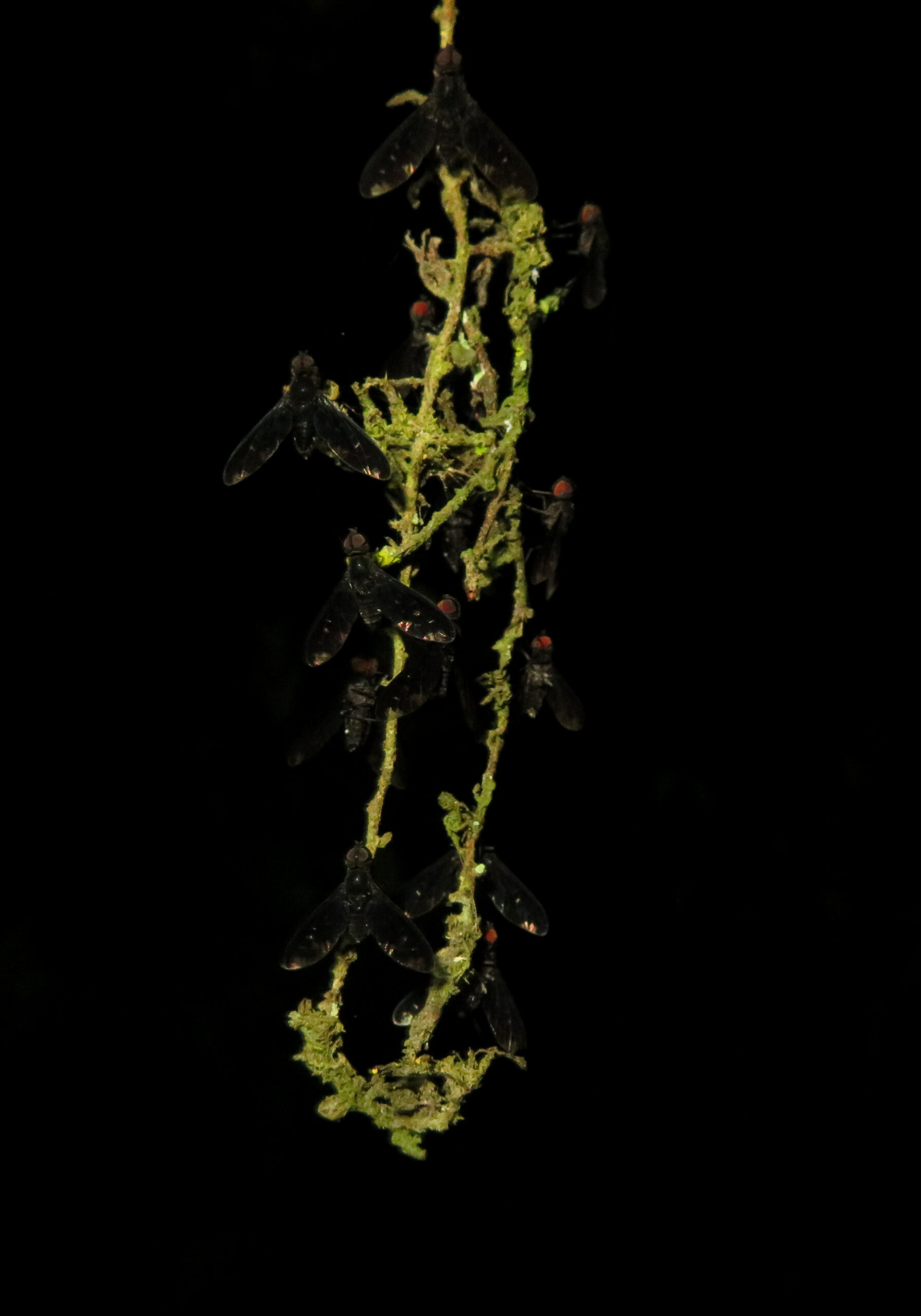
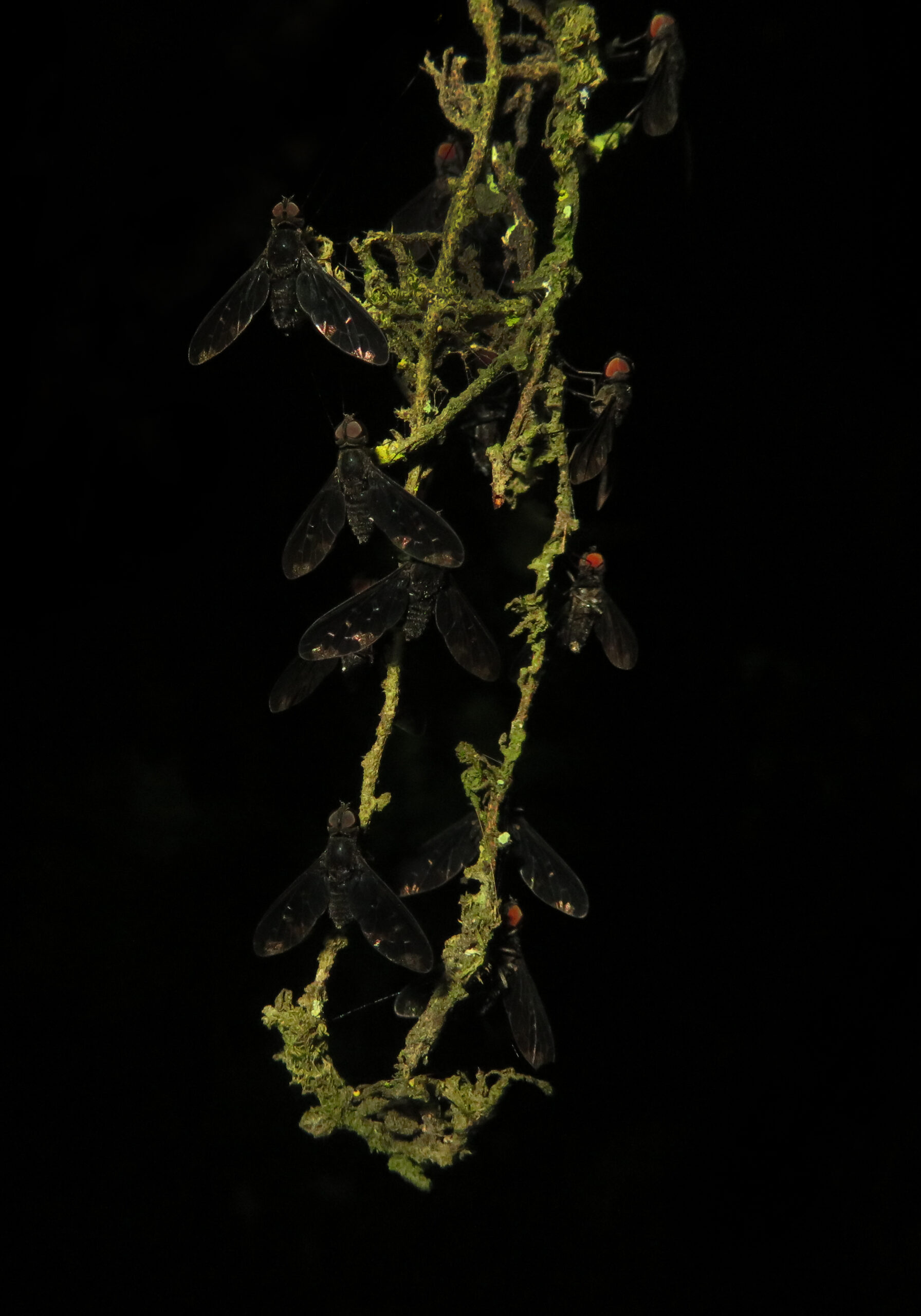
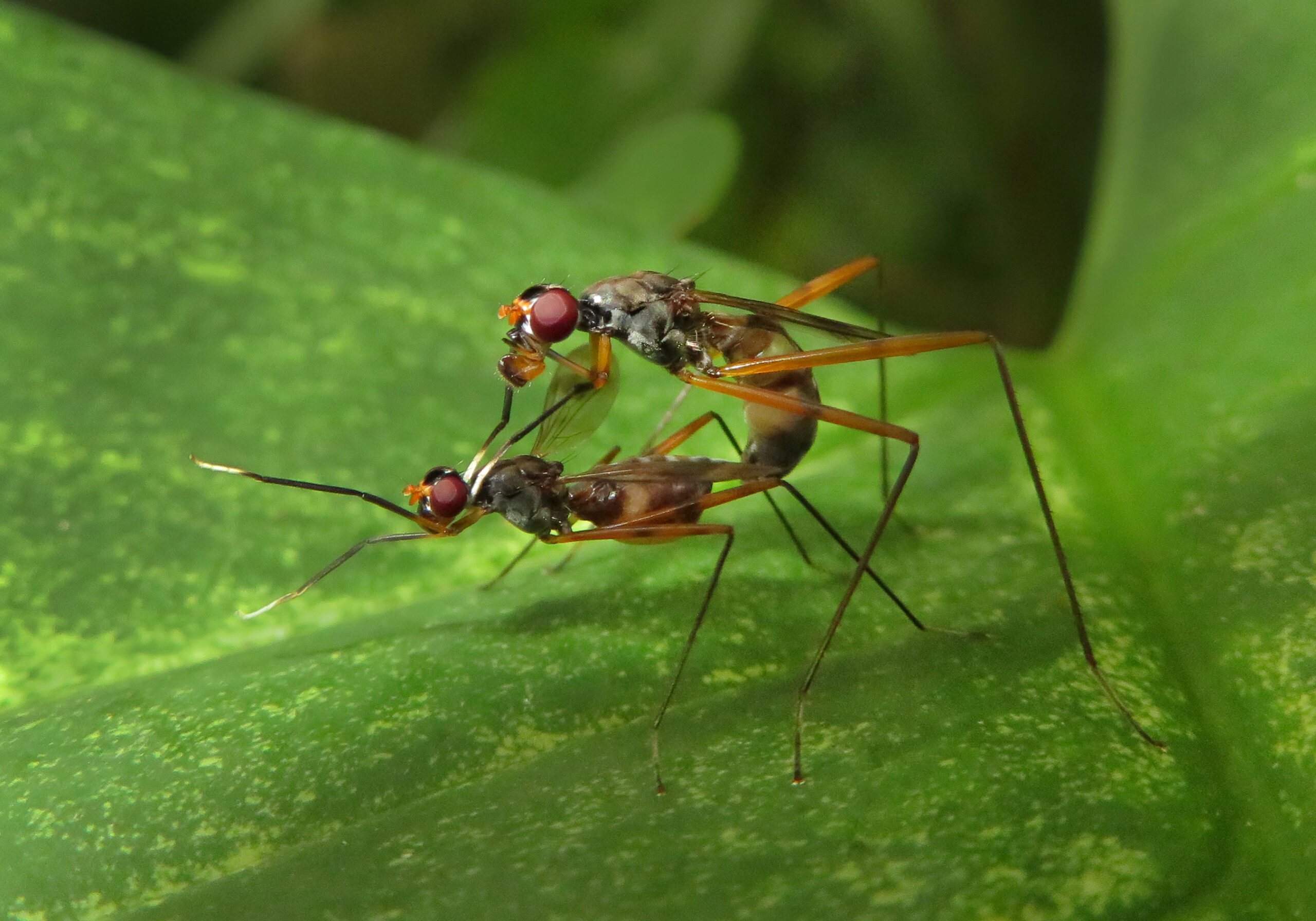
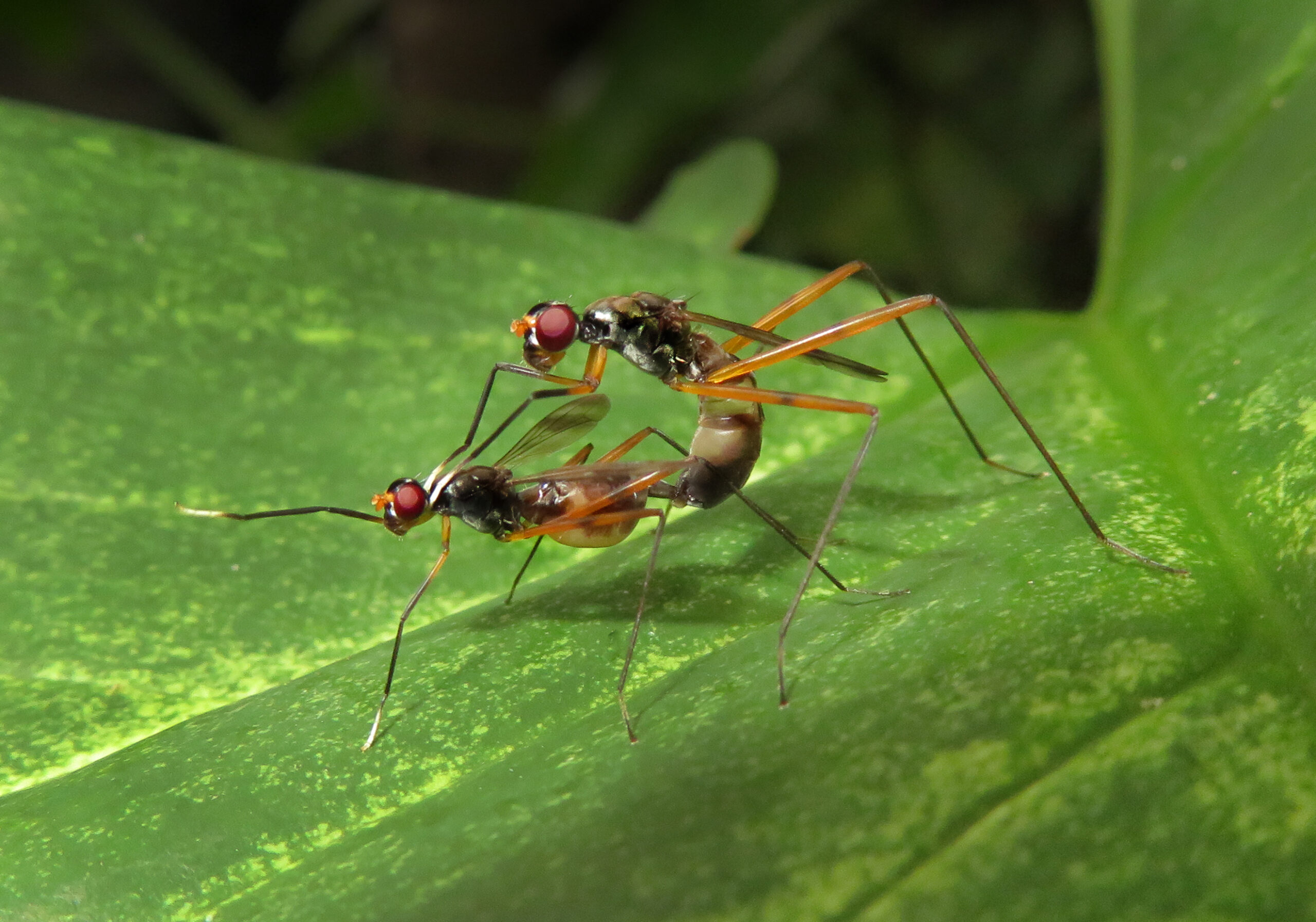
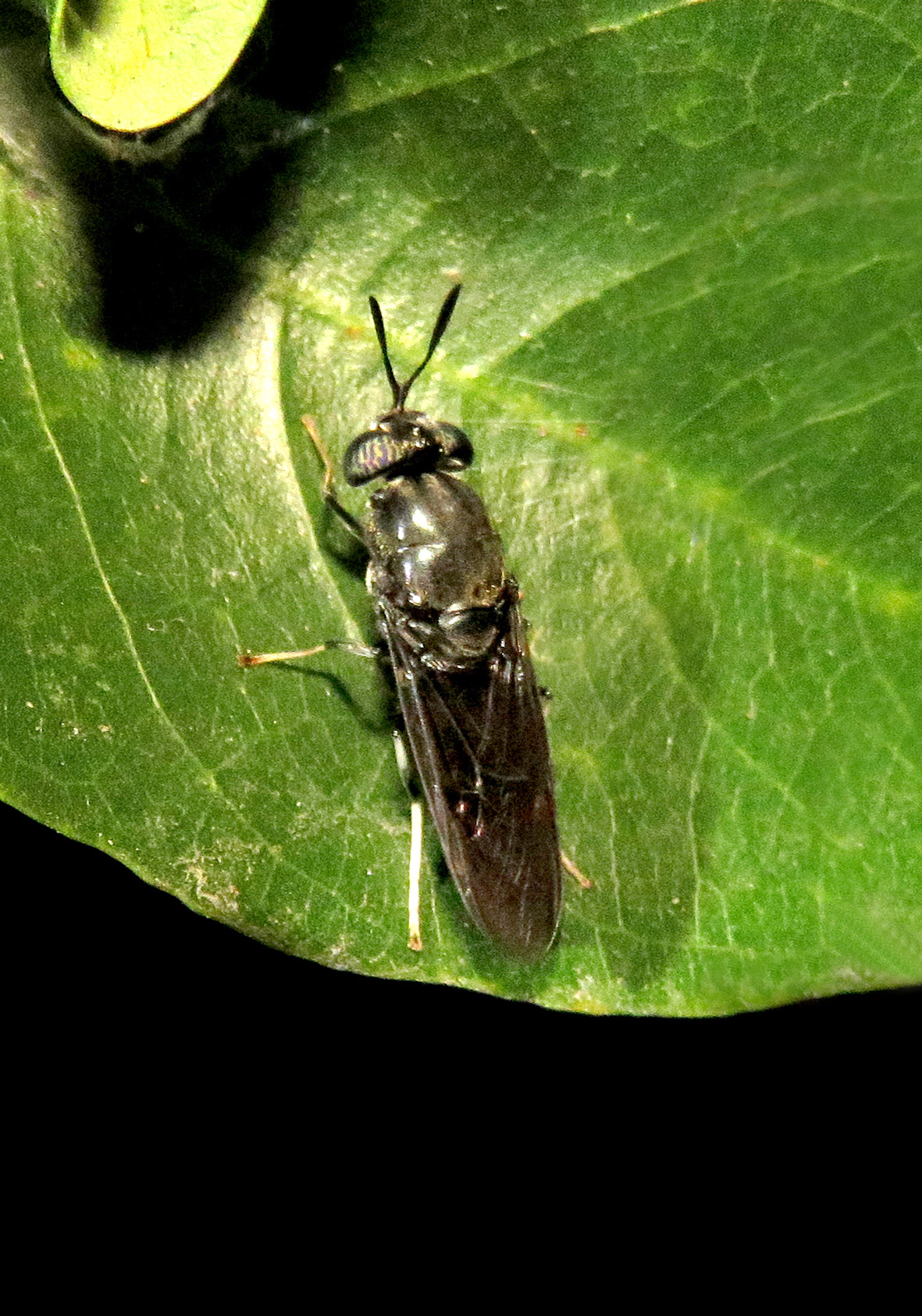
Brachycera is a major suborder within the order Diptera (true flies), comprising a highly diverse group of insects that includes house flies, horse flies, robber flies, hoverflies, and many others. Members of this suborder are distributed worldwide and occupy a wide range of habitats, from forests and grasslands to wetlands, deserts, and urban environments.
Brachyceran flies are typically characterized by their relatively short antennae, usually composed of three segments, with the third segment often bearing a bristle-like structure called an arista or stylus. This contrasts with the longer, multi-segmented antennae found in more primitive flies. The body is generally more robust and compact, and many species are strong fliers.
Like all Diptera, members of Brachycera possess a single pair of functional wings, with the hind wings reduced to halteres that act as balancing organs during flight. Mouthparts vary widely depending on feeding habits and may be adapted for sponging, piercing, sucking, or predation.
Brachycera undergo complete metamorphosis. Larvae are typically legless and often have a reduced or modified head capsule, giving them a maggot-like appearance. They inhabit diverse environments, including soil, decaying organic matter, aquatic habitats, or living hosts. In many species, the pupal stage occurs within a hardened case called a puparium.
The suborder includes several important infraorders and families, such as Tabanidae (horse flies), Asilidae (robber flies), Syrphidae (hoverflies), Muscidae (house flies), and Calliphoridae (blowflies). These groups display a wide range of ecological roles.
Ecologically, Brachycera are highly significant. Many species are predators or parasitoids that help control insect populations, while others act as decomposers, breaking down organic matter. Some, like hoverflies, are important pollinators. However, certain species are also of medical and economic concern, as vectors of disease or pests affecting livestock and crops.