Bali Wildlife
Every Spices Matter


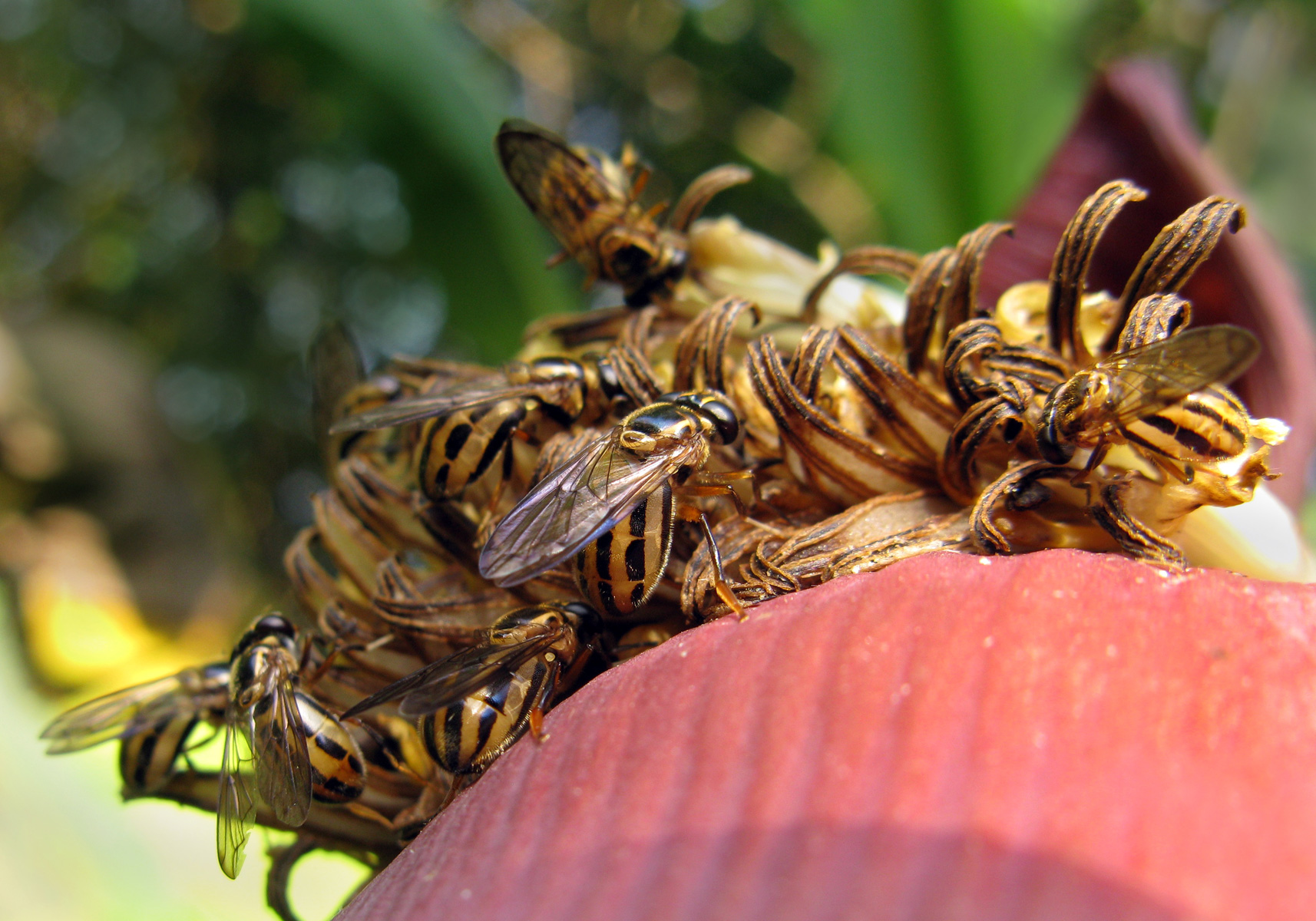
Syrphidae, commonly known as hoverflies or flower flies, is a large and diverse family within the zoosection Aschiza (Order Diptera). Members of this family are distributed worldwide and are especially abundant in habitats rich in flowering plants, such as meadows, forests, gardens, agricultural fields, and wetlands.
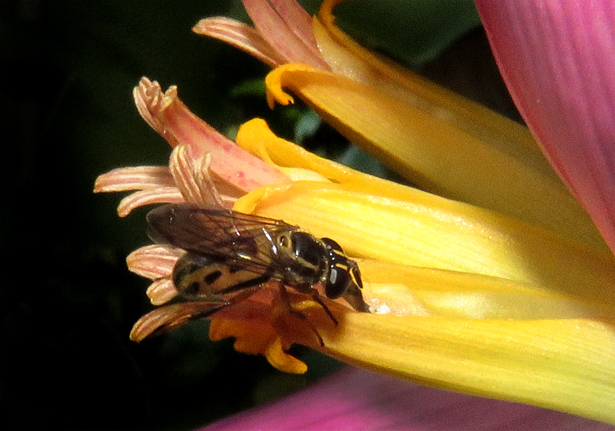
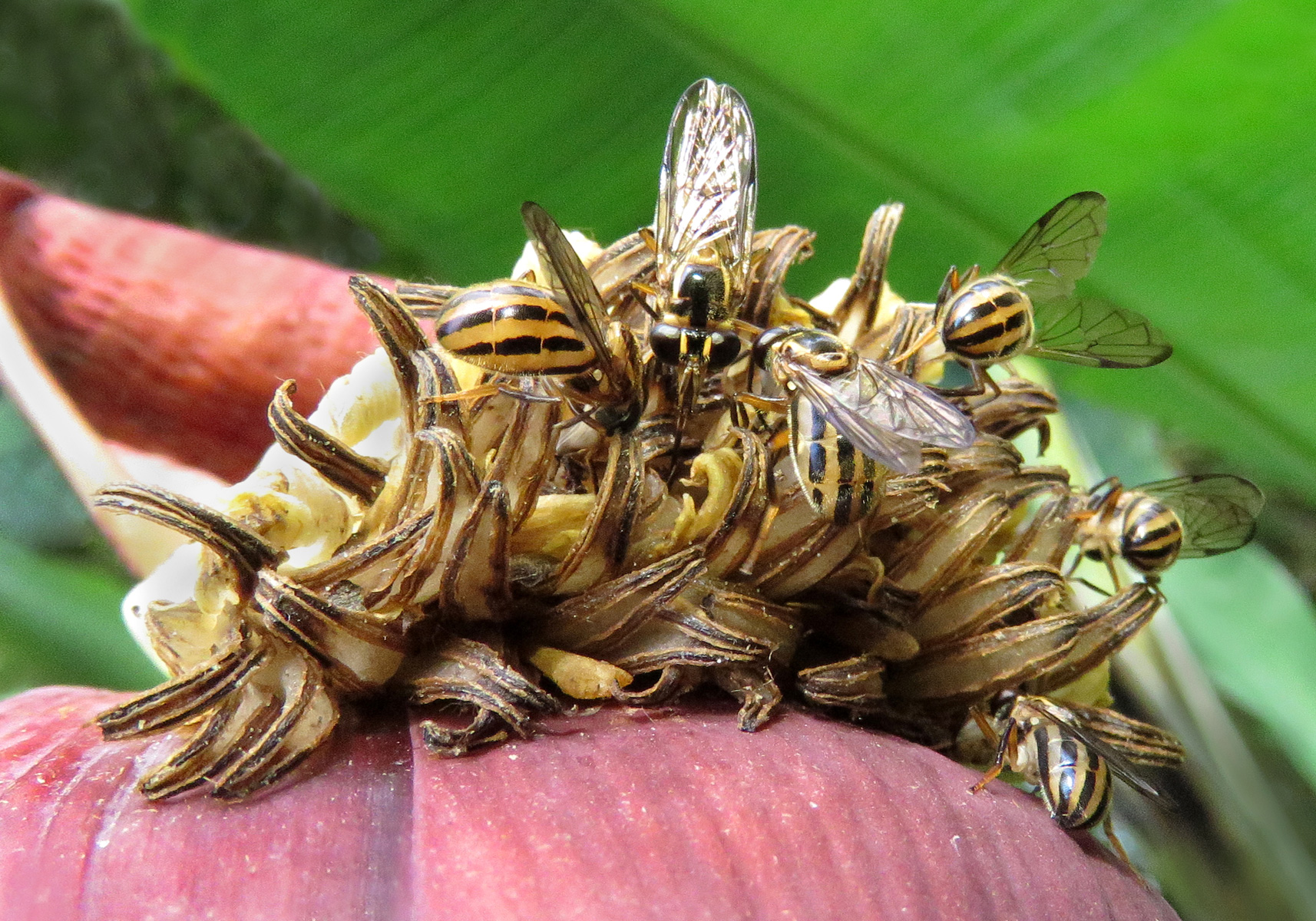
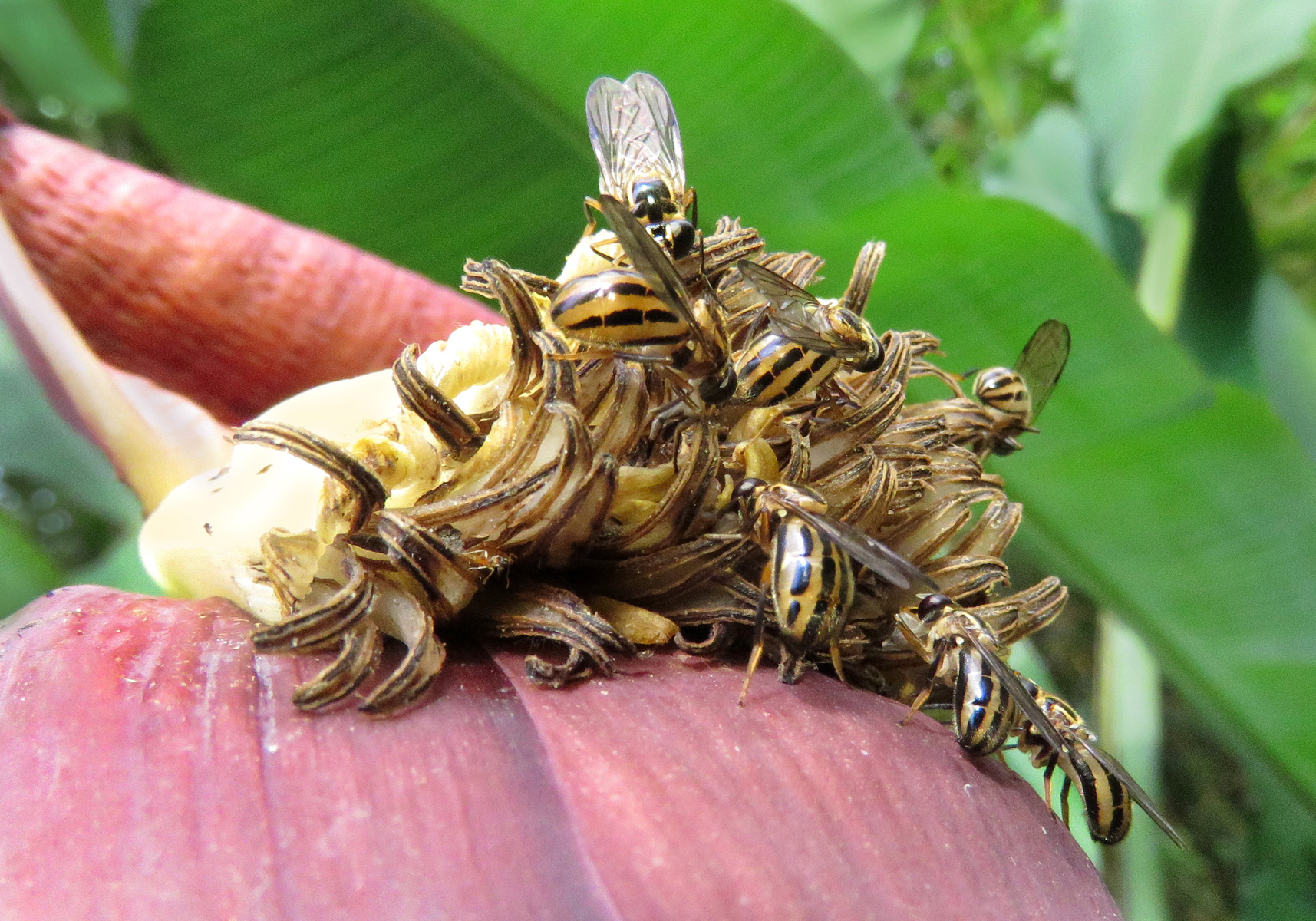
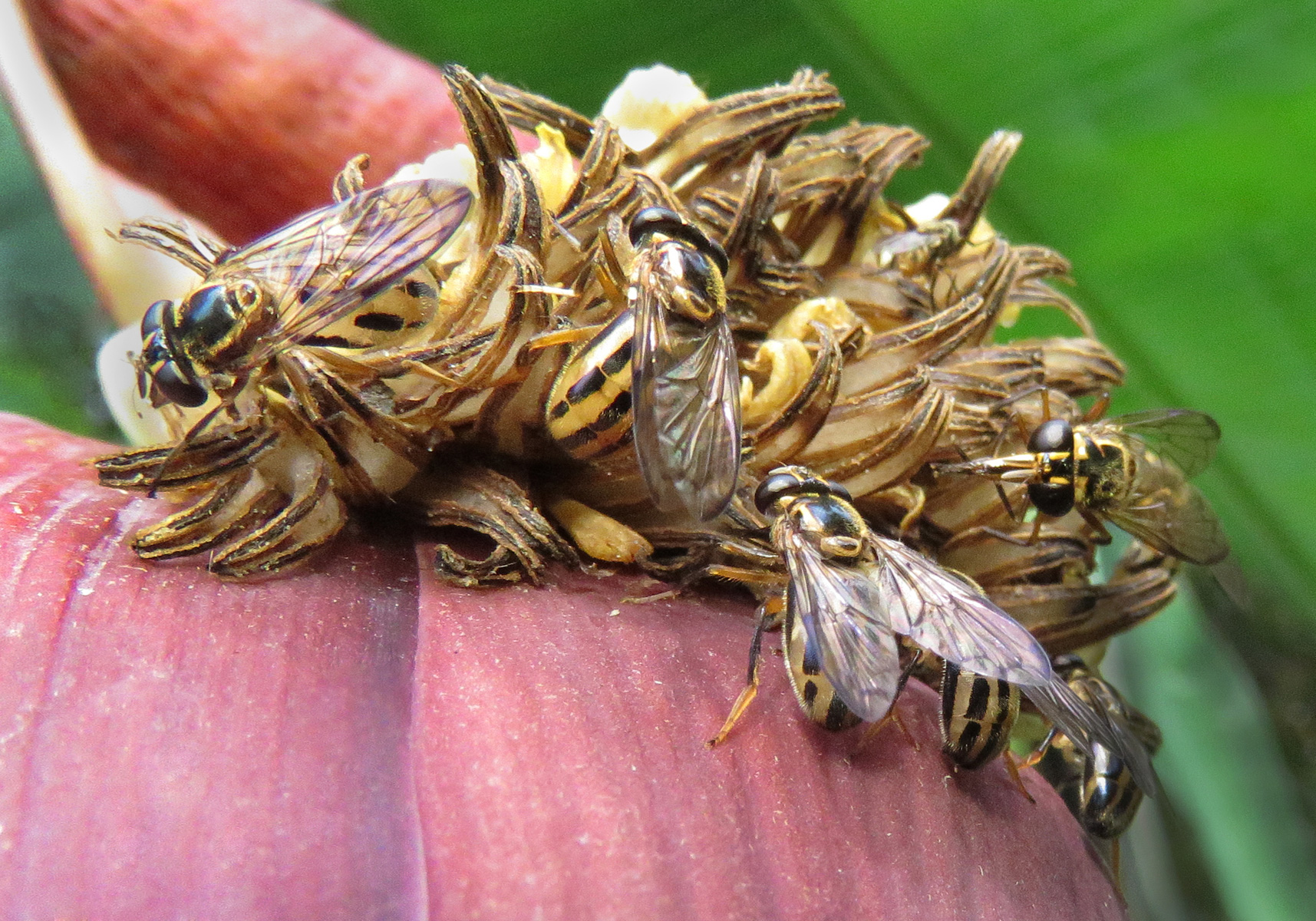
Hoverflies are typically small to medium-sized flies characterized by their ability to hover in place during flight. Many species exhibit striking mimicry of bees or wasps, with yellow-and-black banded coloration that provides protection from predators. Despite this resemblance, they can be distinguished by having only one pair of wings and lacking the stinging apparatus of their models.
The head is usually large, with well-developed compound eyes and short antennae bearing an arista. Wings are clear or lightly tinted, and flight is agile and precise, allowing individuals to remain suspended in the air while feeding or searching for oviposition sites.
The life cycle involves complete metamorphosis. Larvae display a wide range of feeding strategies depending on the species. Many are predatory, feeding on aphids and other soft-bodied insects, making them valuable biological control agents. Others are saprophagous, feeding on decaying organic matter, or associated with aquatic or semi-aquatic habitats.
Adults primarily feed on nectar and pollen and are important pollinators, often visiting a wide variety of flowering plants. Their role in pollination can be significant, particularly in ecosystems where bees are less abundant.
The family Syrphidae includes numerous genera, such as Syrphus, Eristalis, Volucella, and Helophilus. These genera exhibit diverse ecological adaptations and behaviors.
Ecologically, Syrphidae play a dual role as both pollinators and natural enemies of pest insects. Their larvae help control populations of aphids and other agricultural pests, while adults contribute to pollination. This combination makes them one of the most beneficial groups of flies in both natural and agricultural ecosystems.