Bali Wildlife
Every Spices Matter


Syrphinae is a large and widespread subfamily within the family Syrphidae (Order Diptera), comprising many of the most familiar hoverflies. Members of this subfamily are distributed worldwide and are especially abundant in temperate and tropical regions, commonly found in habitats rich in vegetation such as meadows, forests, agricultural fields, and gardens.
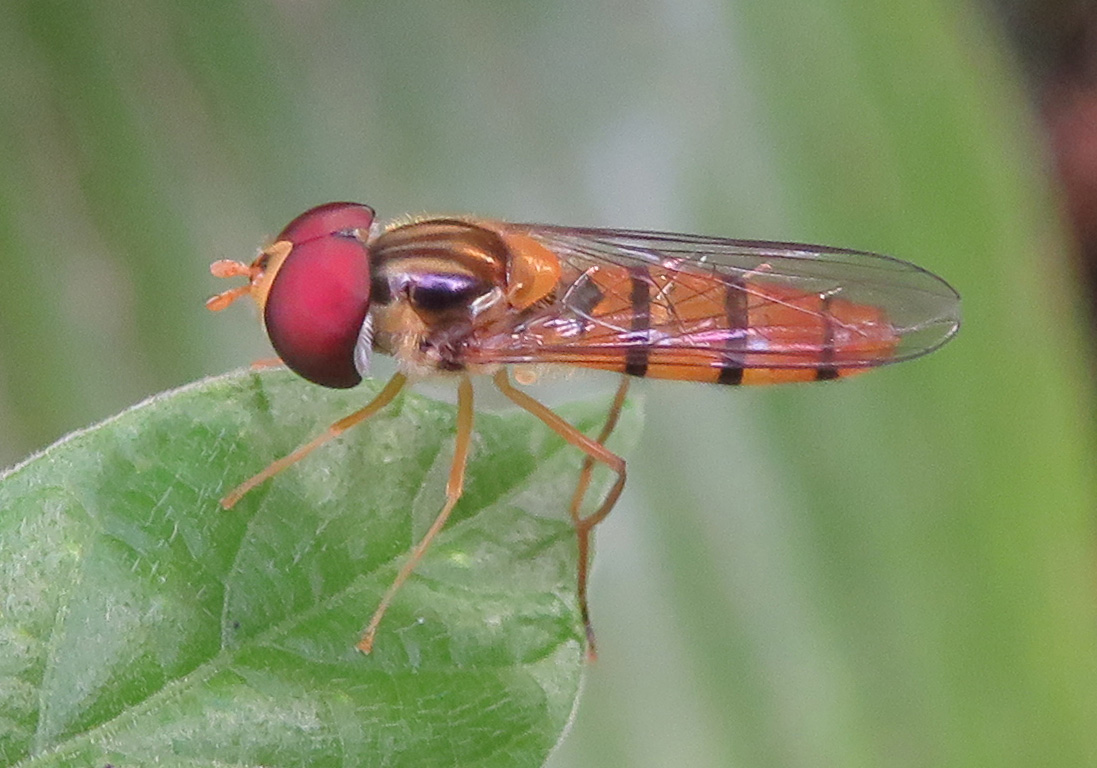
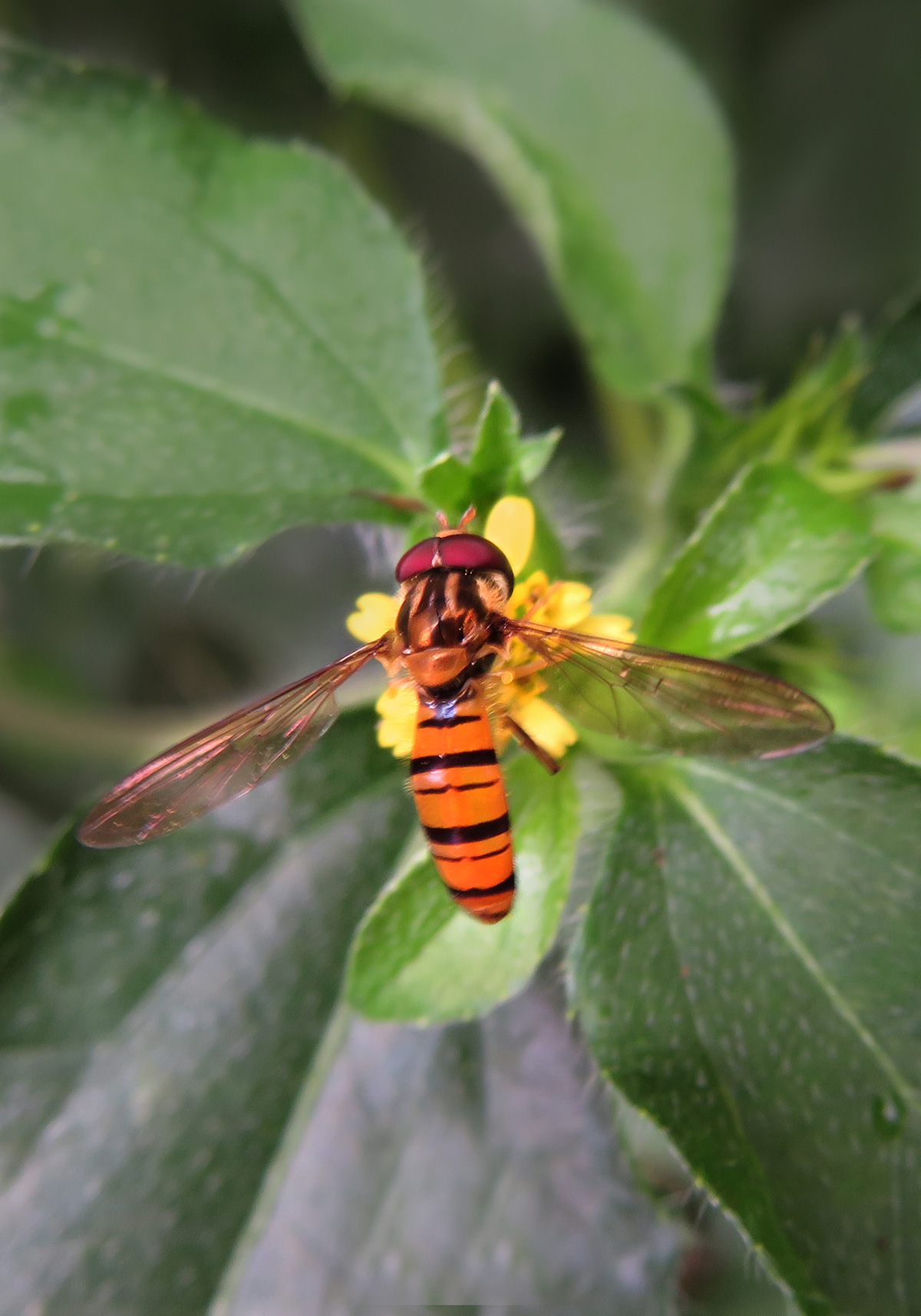
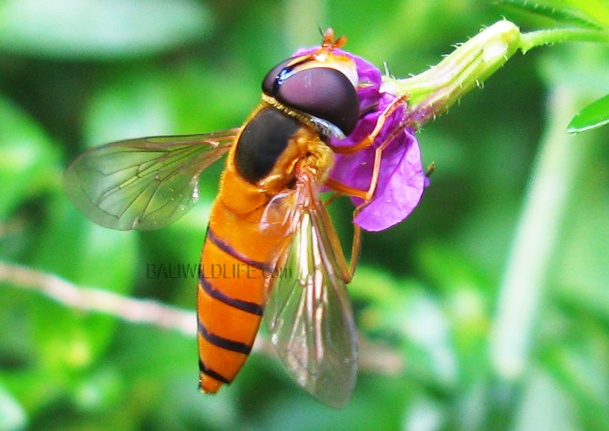
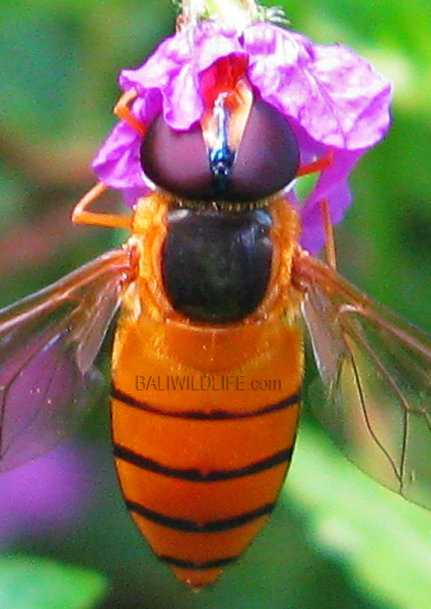
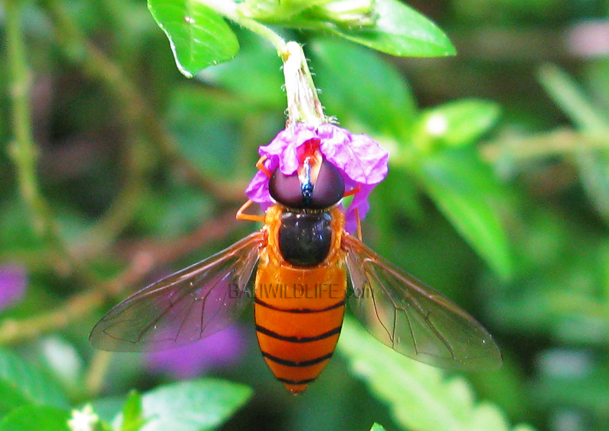
Adult Syrphinae are typically small to medium-sized flies, often brightly colored with yellow-and-black banding that mimics bees or wasps. This mimicry provides protection from predators despite the flies being harmless. The body is generally slender, and the wings are clear. Like other hoverflies, they are capable of hovering in place and exhibit agile flight.
The head is large with well-developed compound eyes, and the antennae are short with a distinct arista. Many species display characteristic hovering behavior while feeding or searching for suitable sites to lay eggs.
The life cycle involves complete metamorphosis. Larvae of Syrphinae are predominantly predatory and are especially well known for feeding on aphids and other soft-bodied insects such as whiteflies and scale insects. They are legless and somewhat flattened or tapered, moving slowly over plant surfaces as they hunt prey.
Adults primarily feed on nectar and pollen, making them important pollinators of many flowering plants. Their presence in agricultural environments is particularly beneficial, as they contribute both to pollination and to the biological control of pest insects.
The subfamily includes numerous genera, such as Syrphus, Episyrphus, Eupeodes, and Melanostoma. These genera are widely studied for their ecological importance and effectiveness in integrated pest management.
Ecologically, Syrphinae plays a crucial dual role in ecosystems. Larvae act as effective natural enemies of agricultural pests, while adults contribute to pollination. This combination makes Syrphinae one of the most beneficial groups of flies for both natural ecosystems and sustainable agriculture.