Bali Wildlife
Every Spices Matter


Ptecticus is a genus of soldier flies within the subfamily Sarginae (Family Stratiomyidae, Order Diptera). The genus is widely distributed in tropical and subtropical regions, particularly in Southeast Asia, Africa, and the Americas. Species of Ptecticus are commonly found in forested habitats, plantations, and areas rich in decaying organic matter such as leaf litter and compost.
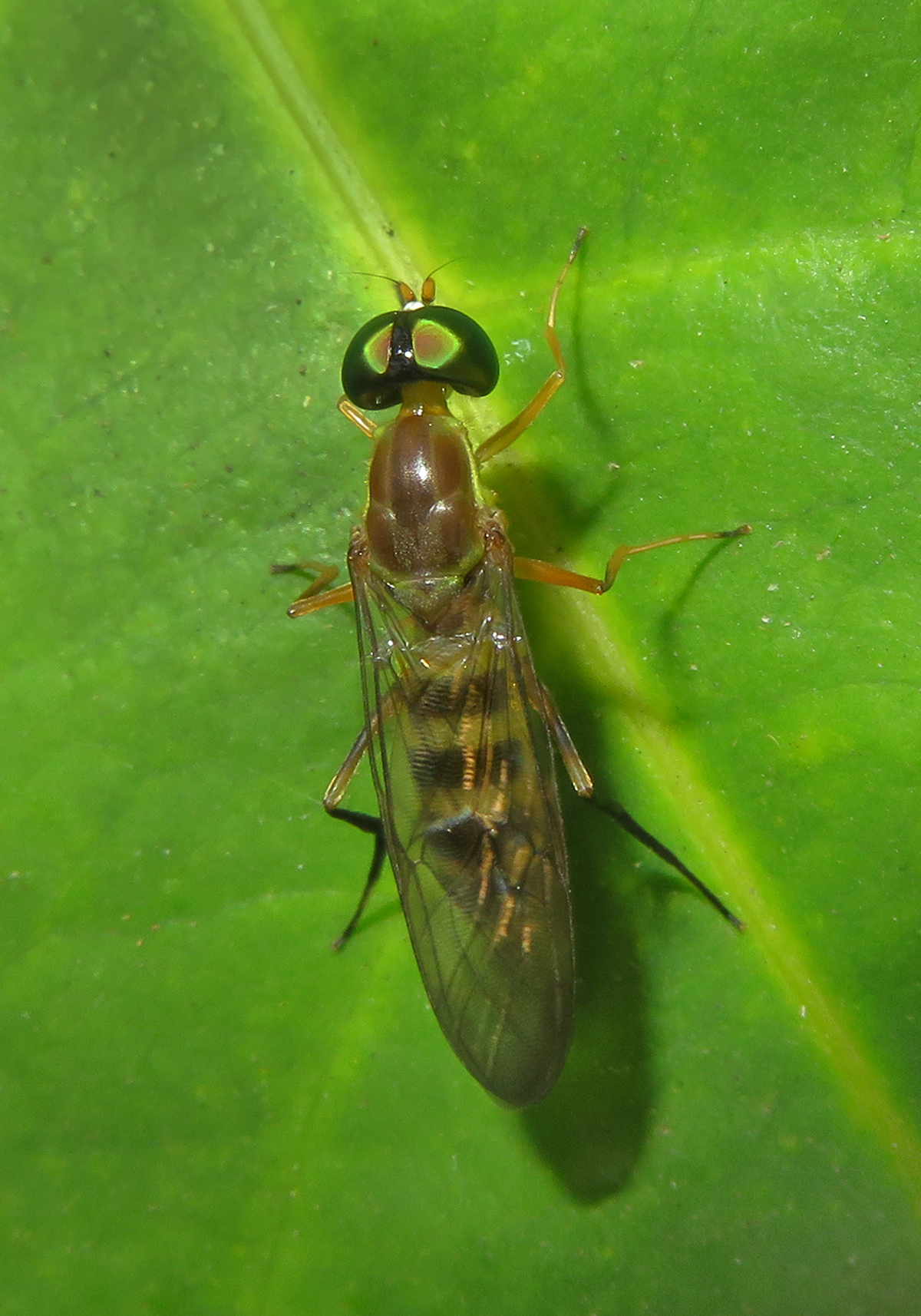
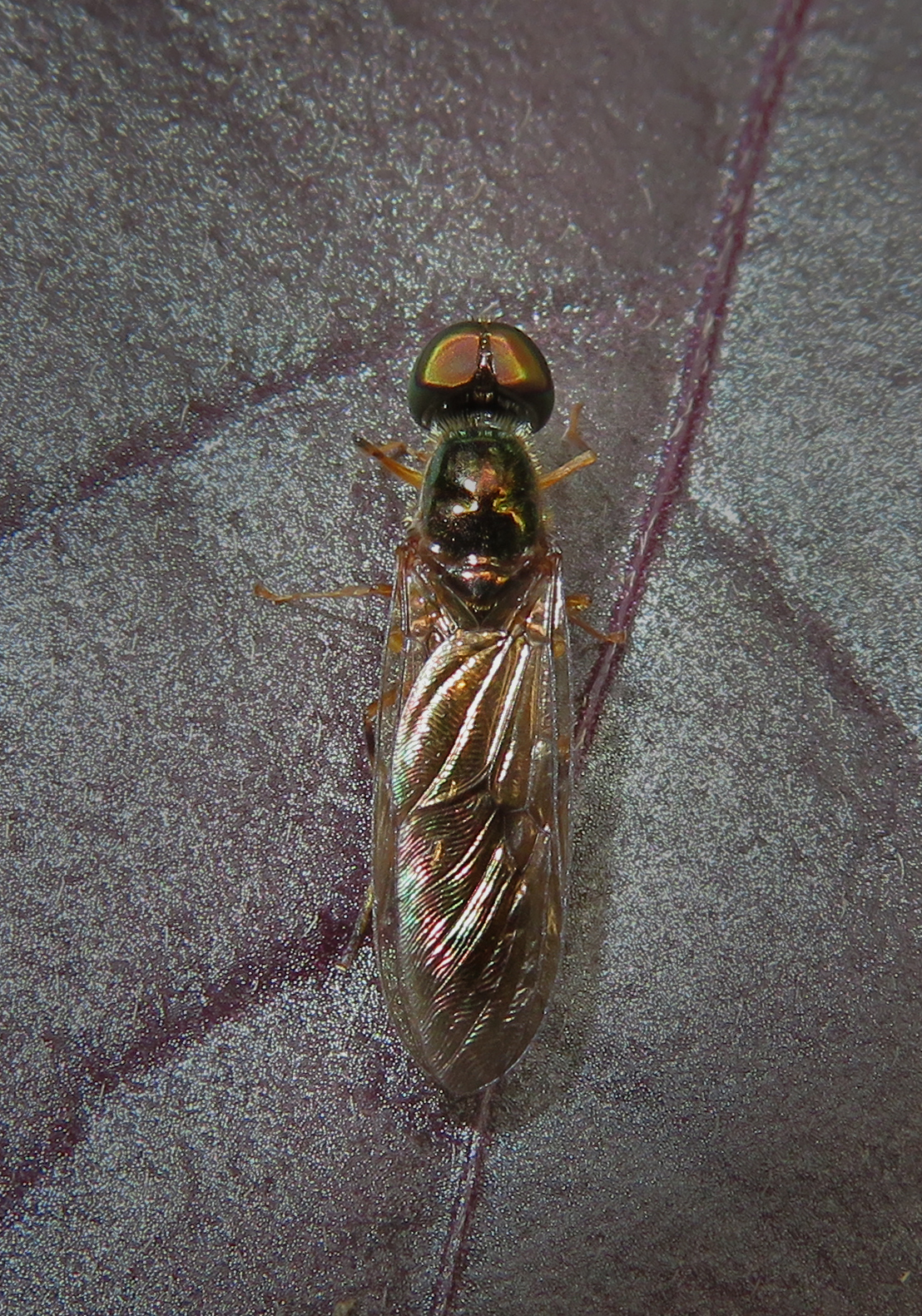
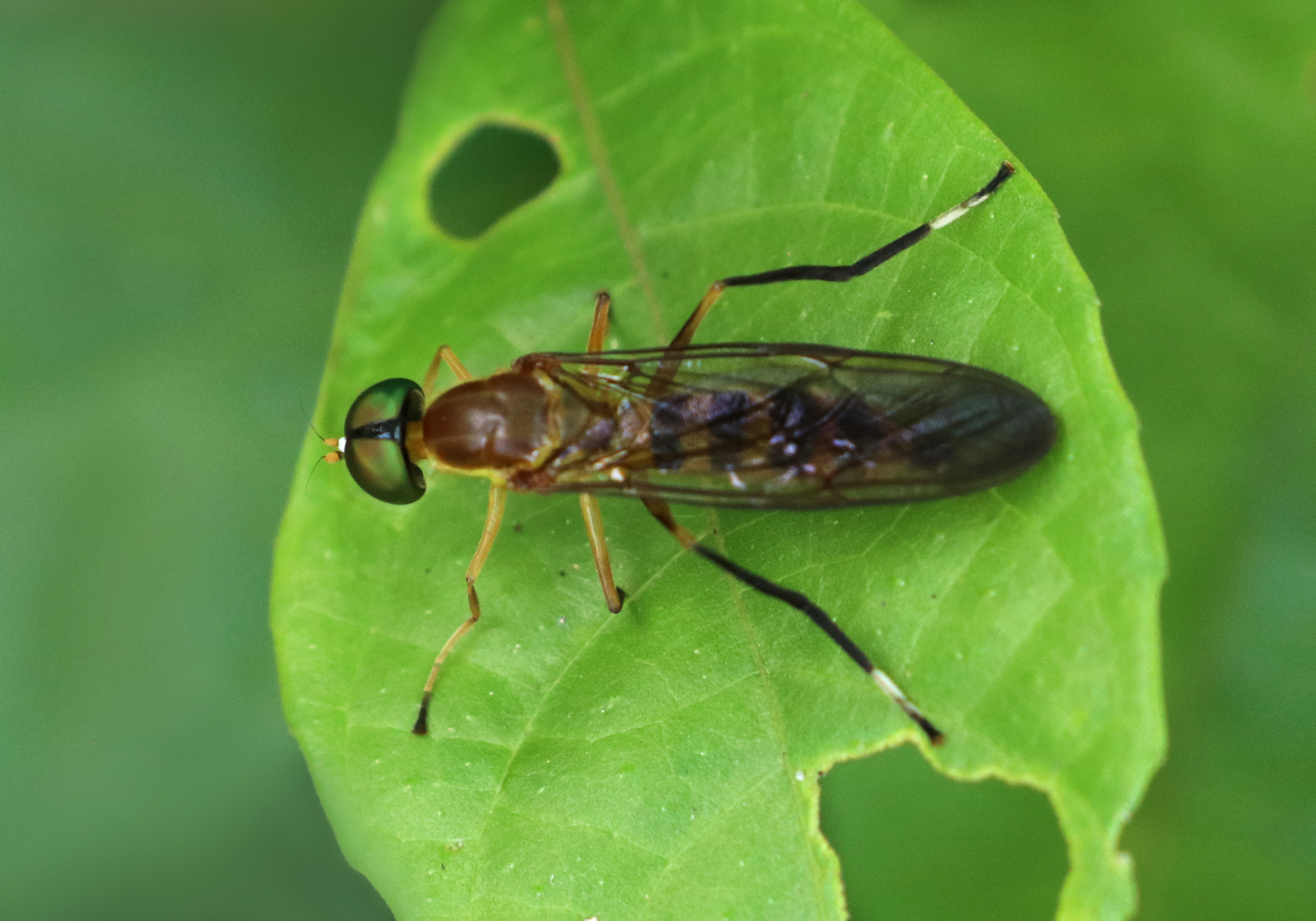
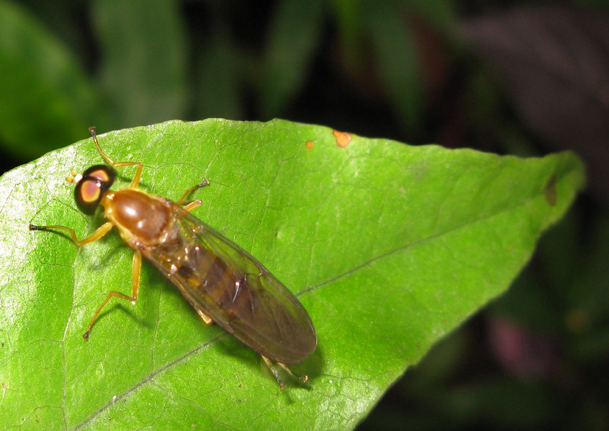
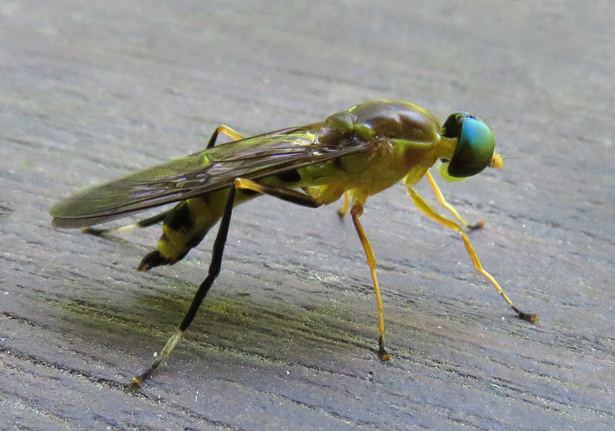
Members of the genus Ptecticus are typically small to medium-sized flies with a slender, elongated body. They often display distinctive coloration, commonly featuring yellow, orange, or pale markings combined with darker bands or stripes, giving them a wasp-like appearance. This resemblance may serve as a form of protective mimicry. The head is relatively small with well-developed compound eyes, and the antennae are short and characteristic of stratiomyid flies.
Wings are generally clear and held flat over the abdomen at rest. The body form is more elongated compared to many other soldier flies, contributing to their characteristic appearance.
The life cycle follows complete metamorphosis. Larvae are typically found in decaying organic material such as rotting vegetation, compost, or soil rich in organic matter. They are detritivorous, feeding on decomposing plant material and microorganisms, thereby contributing to nutrient cycling.
Adults are often observed resting on vegetation or flying in shaded areas. They may feed on nectar, honeydew, or other liquid resources, although detailed feeding behavior varies among species.
Ecologically, Ptecticus species play an important role as decomposers through their larval activity, helping to break down organic matter and recycle nutrients in tropical ecosystems. Their mimicry, slender form, and ecological function make them a distinctive and important genus within the soldier flies.