Bali Wildlife
Every Spices Matter


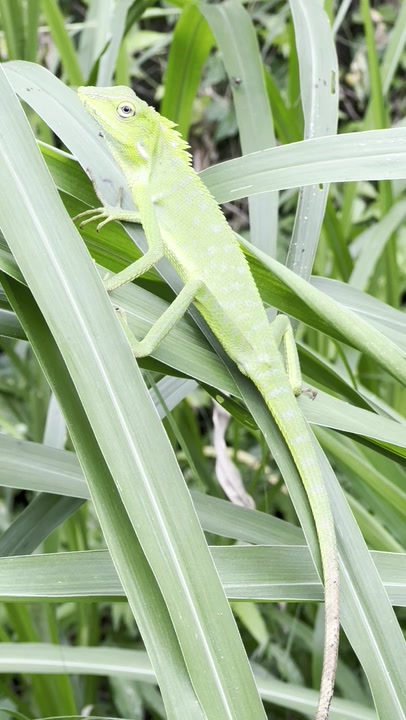
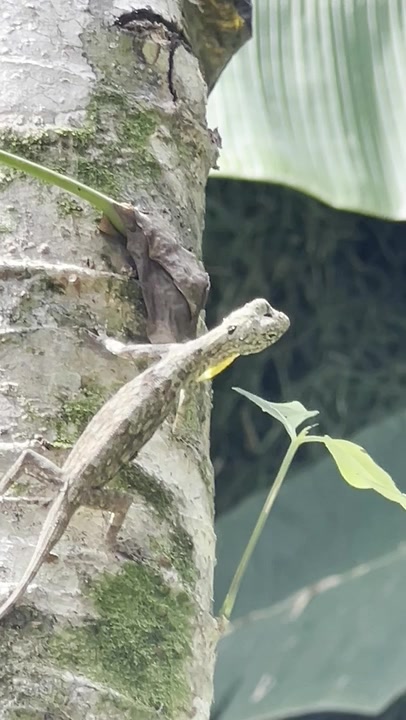
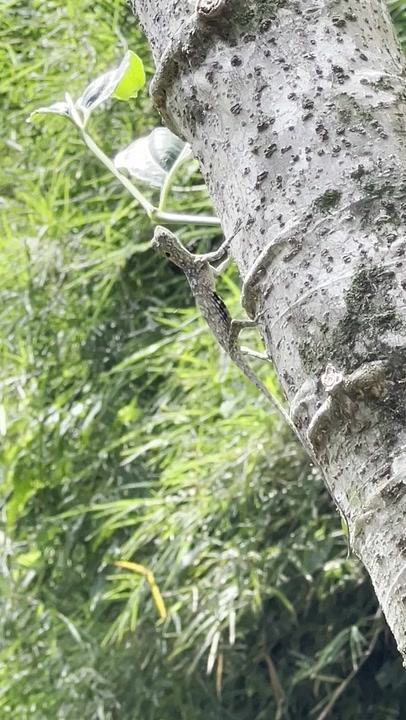
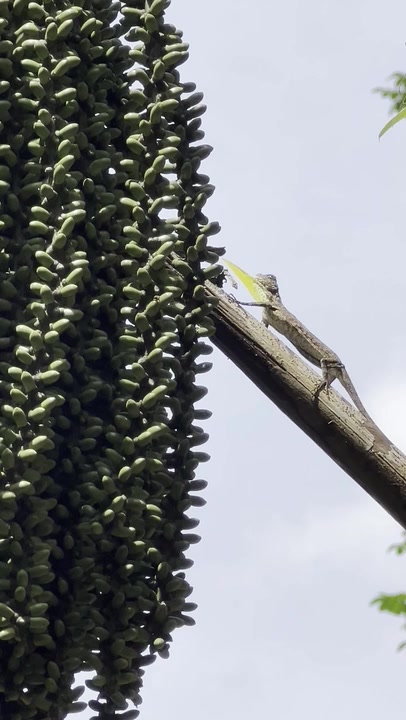
Draconinae is a subfamily of dragon lizards within the family Agamidae (Parvorder Acrodonta, Infraorder Iguania, Order Squamata). Members of this subfamily are distributed primarily throughout South Asia, Southeast Asia, southern China, and parts of the Indonesian archipelago. They inhabit a wide variety of environments, including tropical rainforests, montane forests, woodlands, plantations, gardens, and rocky habitats.
Lizards of the subfamily Draconinae are generally small to medium-sized and exhibit considerable diversity in body form and ecological adaptations. They typically possess a slender to moderately robust body, well-developed limbs, a long tail, movable eyelids, and external ear openings. Like all agamids, they have acrodont dentition, in which the teeth are fused to the crest of the jawbones.
Coloration varies greatly among species and often provides excellent camouflage against bark, leaves, rocks, or soil. Many species are capable of changing body coloration to some degree in response to temperature, stress, or social interactions. Males frequently display brighter colors than females during the breeding season and perform visual displays such as head-bobbing, push-ups, throat expansion, and dewlap extension during territorial and courtship behavior.
Most draconine lizards are diurnal and rely heavily on their keen eyesight to locate prey and detect predators. Feeding habits are predominantly insectivorous, with diets consisting mainly of ants, beetles, termites, flies, spiders, and other arthropods. Larger species may occasionally consume small vertebrates or plant material.
The life cycle is typically oviparous. Females lay eggs in shallow burrows, leaf litter, or other protected sites, and the hatchlings are fully independent upon emergence. Development proceeds without parental care.
The subfamily includes several notable genera, such as Calotes (garden lizards), Draco (flying dragons), Aphaniotis, Japalura, and Bronchocela. Among these, Draco species are especially remarkable for their elongated ribs supporting wing-like membranes that enable controlled gliding between trees.
Ecologically, Draconinae species play an important role as predators of insects and other small invertebrates, helping regulate arthropod populations. They also serve as prey for birds, snakes, mammals, and larger reptiles. Their diversity, specialized behaviors, and habitat adaptations make them important contributors to the ecological balance and biodiversity of Asian forest ecosystems.