Bali Wildlife
Every Spices Matter


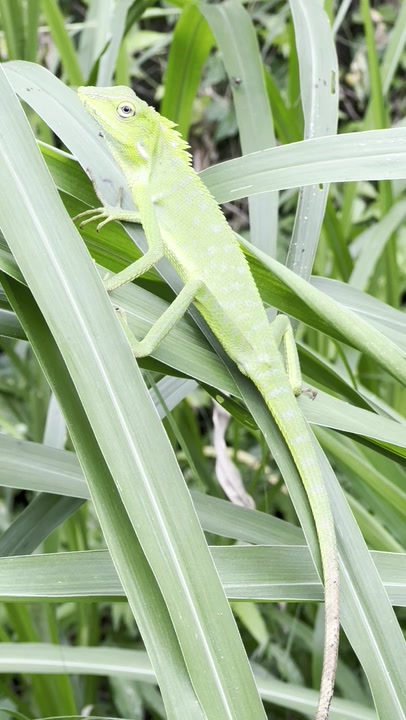
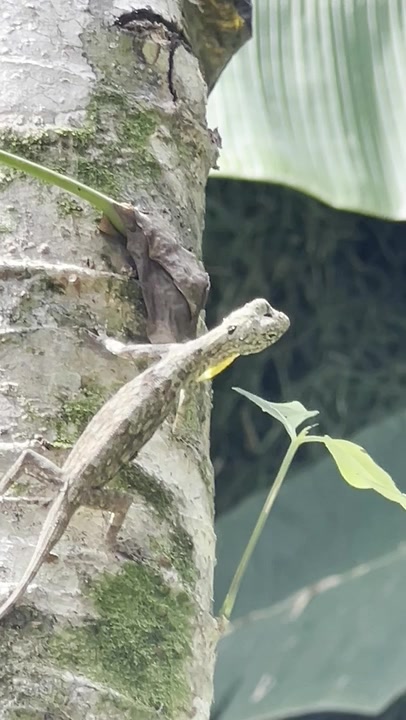
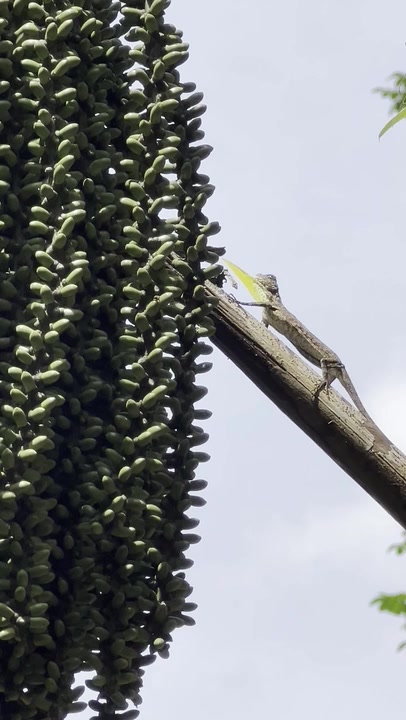
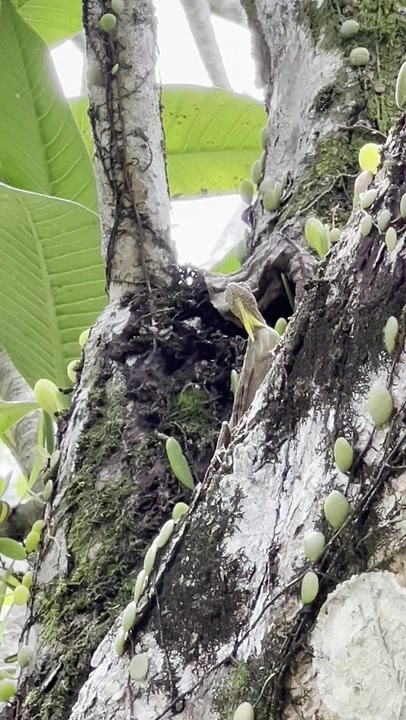
Agamidae is a diverse family of lizards within the parvorder Acrodonta (Infraorder Iguania, Order Squamata), commonly known as agamas or dragon lizards. The family comprises more than 500 species distributed across Africa, southern Europe, Asia, Australia, and New Guinea. Members occupy a wide range of habitats, including tropical rainforests, deserts, savannas, grasslands, rocky hillsides, forests, and urban environments.
Agamids are generally small to medium-sized lizards, although some species become relatively large. They typically possess a robust body, well-developed limbs, a long tail, movable eyelids, and external ear openings. A defining anatomical characteristic of the family is acrodont dentition, in which the teeth are fused to the upper edge of the jawbones and are only minimally replaced during life.
Body form and coloration vary greatly among species. Some agamids are slender and arboreal, while others are terrestrial, rock-dwelling, or desert-adapted. Many species exhibit crests, spines, dewlaps, or expandable throat pouches used in communication and display. Males often develop bright breeding colors and perform visual displays such as head-bobbing, push-ups, and body inflation during territorial defense and courtship.
Most agamids are diurnal and rely heavily on their excellent eyesight to detect prey and communicate. Feeding habits are diverse. Many species are insectivorous, consuming insects, spiders, and other arthropods, whereas larger species may also feed on small vertebrates, flowers, fruits, leaves, and seeds, making some omnivorous or predominantly herbivorous.
The life cycle follows typical reptilian development. Most species are oviparous, laying eggs in burrows or sheltered sites, although a number of species, particularly those from cooler environments, are viviparous and give birth to live young. Hatchlings are generally independent immediately after emergence.
The family includes numerous well-known genera, such as Draco (flying dragons), Pogona (bearded dragons), Calotes (garden lizards), Agama, Hydrosaurus (sailfin lizards), and Physignathus (water dragons), each exhibiting unique ecological and morphological adaptations.
Ecologically, Agamidae species are important predators of insects and other small animals, contributing to the regulation of arthropod populations. Herbivorous and omnivorous species also influence plant communities through seed dispersal and vegetation browsing. In turn, agamids serve as prey for birds, snakes, mammals, and larger reptiles, making them essential components of terrestrial ecosystems and valuable indicators of habitat quality and biodiversity.