Bali Wildlife
Every Spices Matter


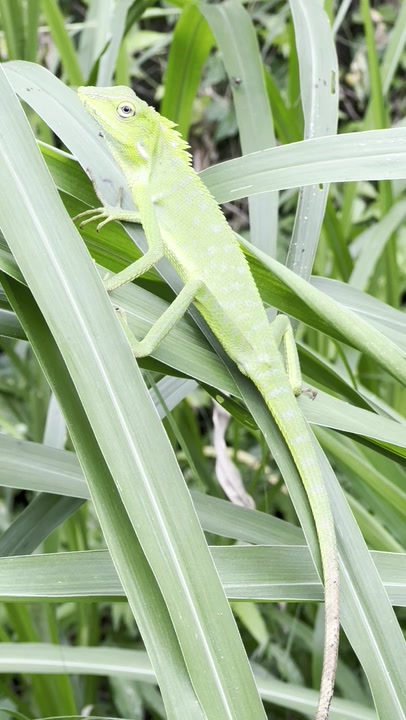
Acrodonta is a parvorder within the infraorder Iguania (Order Squamata), comprising the dragon lizards (family Agamidae) and chameleons (family Chamaeleonidae). Members of this group are distributed throughout Africa, southern Europe, Asia, Madagascar, Australia, and parts of the Middle East. They occupy a remarkable diversity of habitats, including tropical rainforests, deserts, grasslands, rocky outcrops, woodlands, and montane regions.
Lizards of the parvorder Acrodonta exhibit considerable variation in body size and form but share a distinctive dental arrangement in which the teeth are fused to the crest of the jawbones, a condition known as acrodont dentition. Unlike many other lizards, these teeth are not regularly replaced during life. Members generally possess well-developed limbs, a long tail, and excellent vision, although body shape and external features vary greatly between dragon lizards and chameleons.
Most acrodontans are diurnal and rely heavily on vision to locate prey, detect predators, and communicate with other individuals. Visual displays such as head-bobbing, body inflation, color changes, dewlap displays, and territorial postures are common, particularly among agamid lizards. Chameleons exhibit additional specializations, including independently movable eyes, projectile tongues, and grasping feet adapted for arboreal life.
Feeding habits are diverse. Many species are insectivorous, feeding on insects and other arthropods, while larger agamids may also consume small vertebrates, flowers, fruits, and leaves. Some species are primarily herbivorous or omnivorous.
Reproduction is predominantly oviparous, with females laying eggs in burrows, soil, or concealed locations. However, several species, particularly in cooler climates, are viviparous and give birth to live young. Juveniles are generally independent soon after hatching or birth.
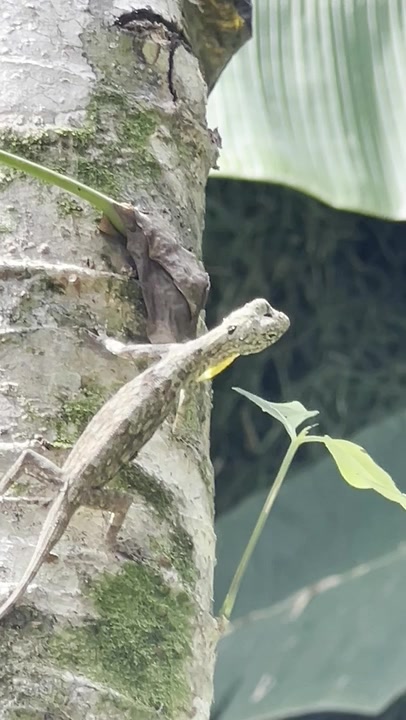
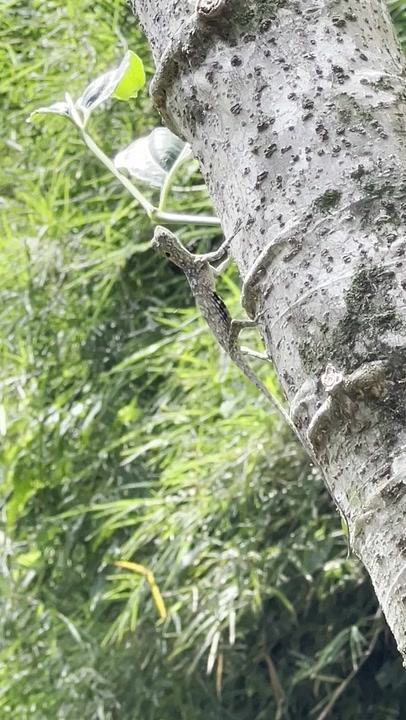
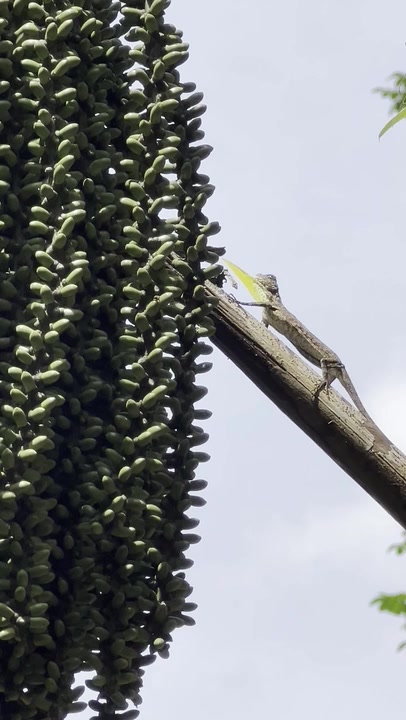
Acrodonta includes two extant families: Agamidae, containing dragon lizards such as agamas, bearded dragons, and flying dragons, and Chamaeleonidae, comprising the true chameleons.
Ecologically, Acrodonta species play vital roles as predators of insects and other small animals, helping regulate arthropod populations. Herbivorous species contribute to seed dispersal and plant dynamics, while all members serve as prey for birds, snakes, mammals, and larger reptiles. Their remarkable adaptations, ecological diversity, and specialized morphology make Acrodonta one of the most distinctive evolutionary lineages of modern lizards.