Bali Wildlife
Every Spices Matter


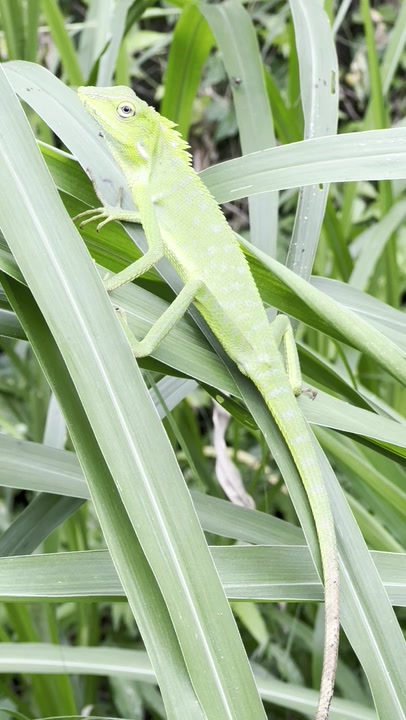
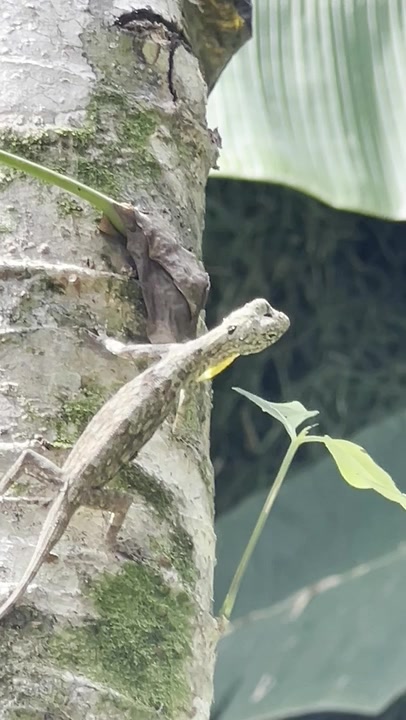
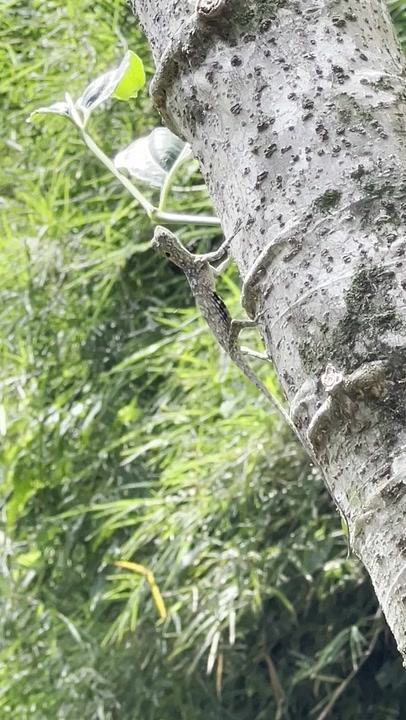
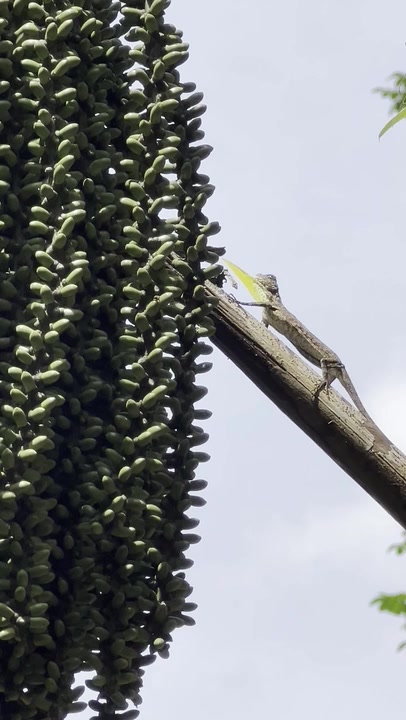
Iguania is an infraorder of lizards within the order Squamata, comprising more than 2,000 species, including iguanas, agamid lizards, chameleons, anoles, casquehead lizards, and their relatives. Members of this infraorder are distributed throughout the Americas, Africa, Europe, Asia, Madagascar, and Australia, occupying a wide range of habitats from tropical rainforests and deserts to grasslands, mountains, and urban environments.
Lizards of the infraorder Iguania exhibit considerable diversity in size, body form, and coloration. They generally possess well-developed limbs, a long tail, movable eyelids, and external ear openings, although some groups, such as chameleons, exhibit highly specialized features. Many species have strong claws for climbing, while others are adapted for terrestrial, arboreal, or rock-dwelling lifestyles.
A defining characteristic of iguanians is their reliance on vision for detecting prey and communicating with other individuals. Unlike many other lizards that depend heavily on chemical cues, iguanians use visual displays such as head-bobbing, push-ups, body inflation, color changes, and dewlap extension during territorial defense and courtship.
Feeding habits vary among groups. Many species are insectivorous, feeding on insects and other arthropods, while others are omnivorous or herbivorous, consuming leaves, flowers, fruits, and other plant material. Larger species may occasionally prey on small vertebrates.
The life cycle follows typical reptilian reproduction. Most species are oviparous, laying eggs in soil, leaf litter, or protected nests, while a smaller number are viviparous, giving birth to live young. Juveniles are generally independent from birth or hatching and receive little or no parental care.
The infraorder includes several prominent families, such as Iguanidae (iguanas), Agamidae (agamas and dragon lizards), Chamaeleonidae (chameleons), Corytophanidae (casquehead lizards), Dactyloidae (anoles), and others, reflecting a remarkable range of ecological and morphological adaptations.
Ecologically, Iguania species play important roles as predators of insects and other small animals, herbivores that influence plant communities, and prey for birds, snakes, mammals, and larger reptiles. Many species are key components of terrestrial food webs and serve as indicators of ecosystem health. Their extraordinary diversity in behavior, coloration, and ecological specialization makes Iguania one of the most successful and fascinating groups of lizards.