Bali Wildlife
Every Spices Matter


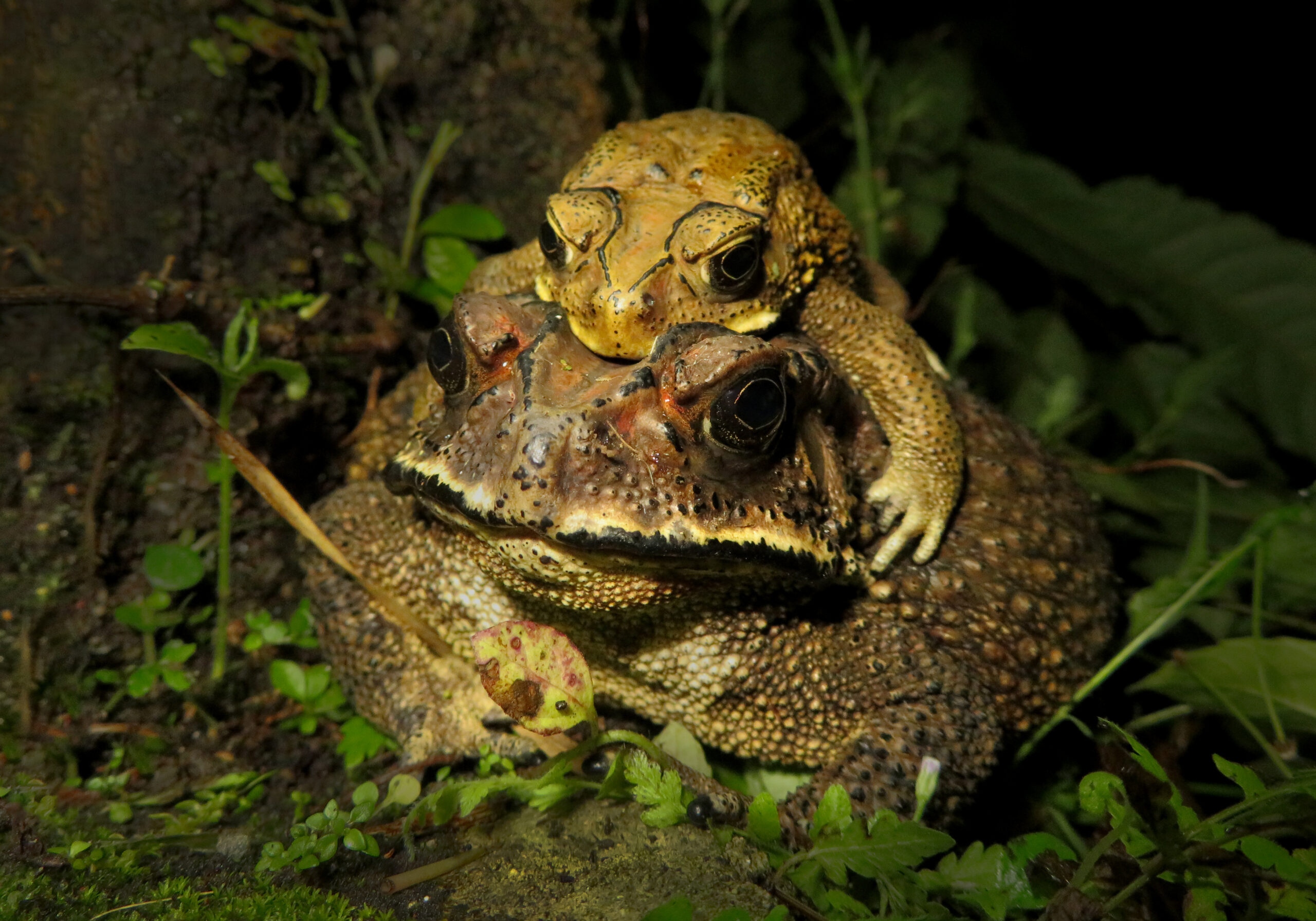
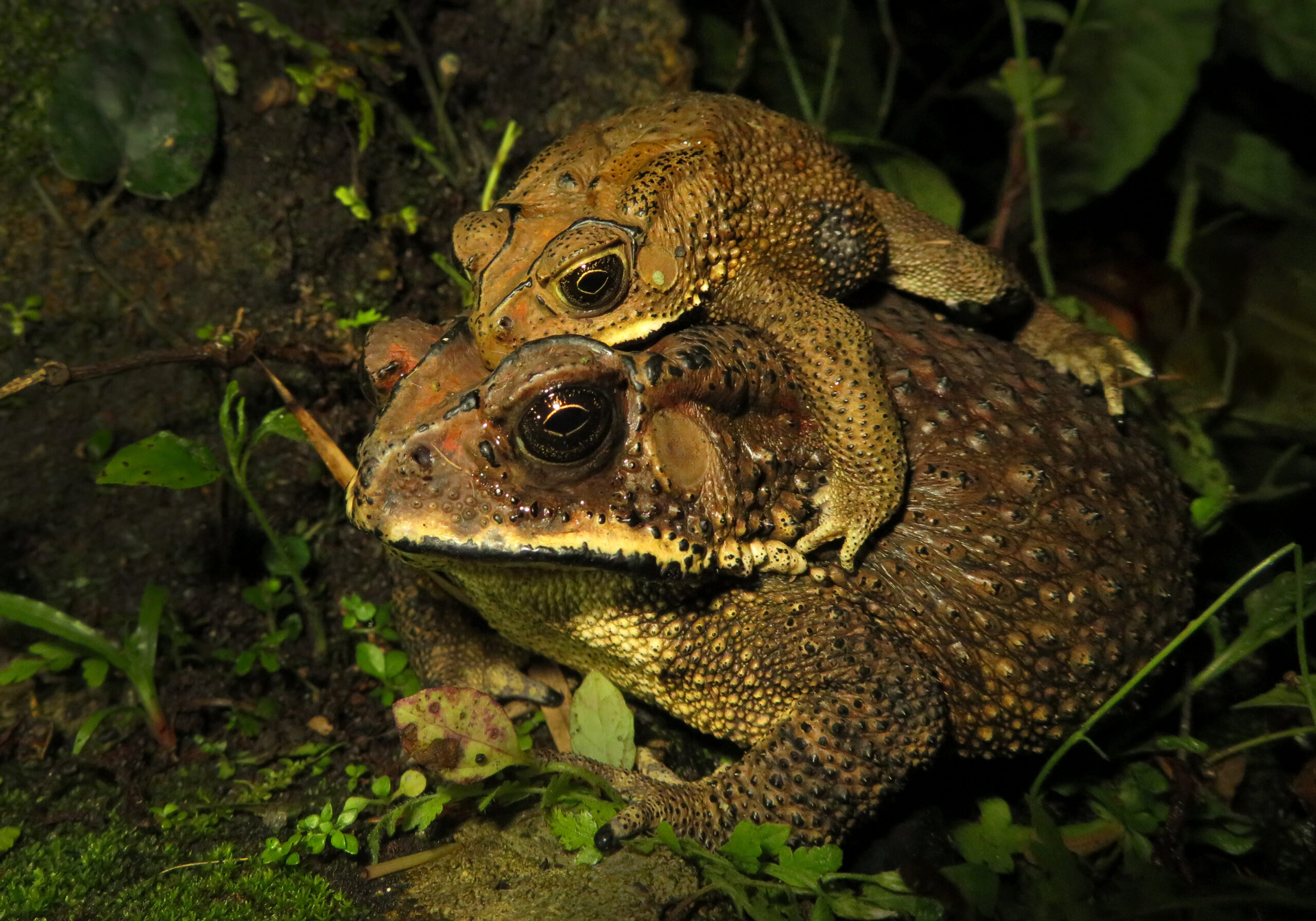
Duttaphrynus is a genus of true toads within the family Bufonidae (Order Anura, Class Amphibia). Members of this genus are distributed throughout South Asia and parts of Southeast Asia, including India, Sri Lanka, Nepal, Bhutan, Bangladesh, Pakistan, Myanmar, Thailand, and neighboring regions. They inhabit a wide range of environments, including tropical forests, grasslands, wetlands, agricultural fields, plantations, villages, cities, and suburban gardens, making them among the most adaptable amphibians in Asia.
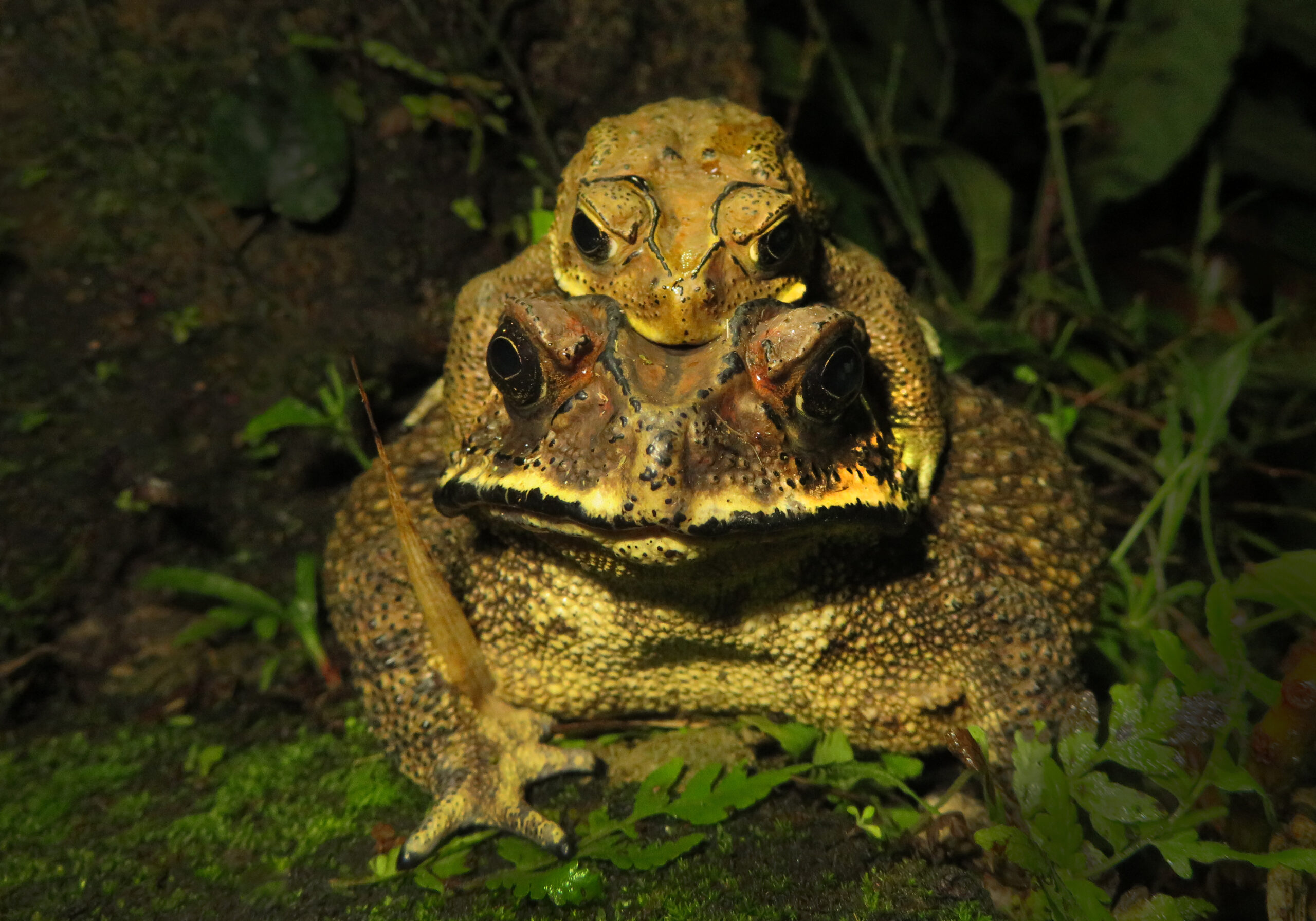
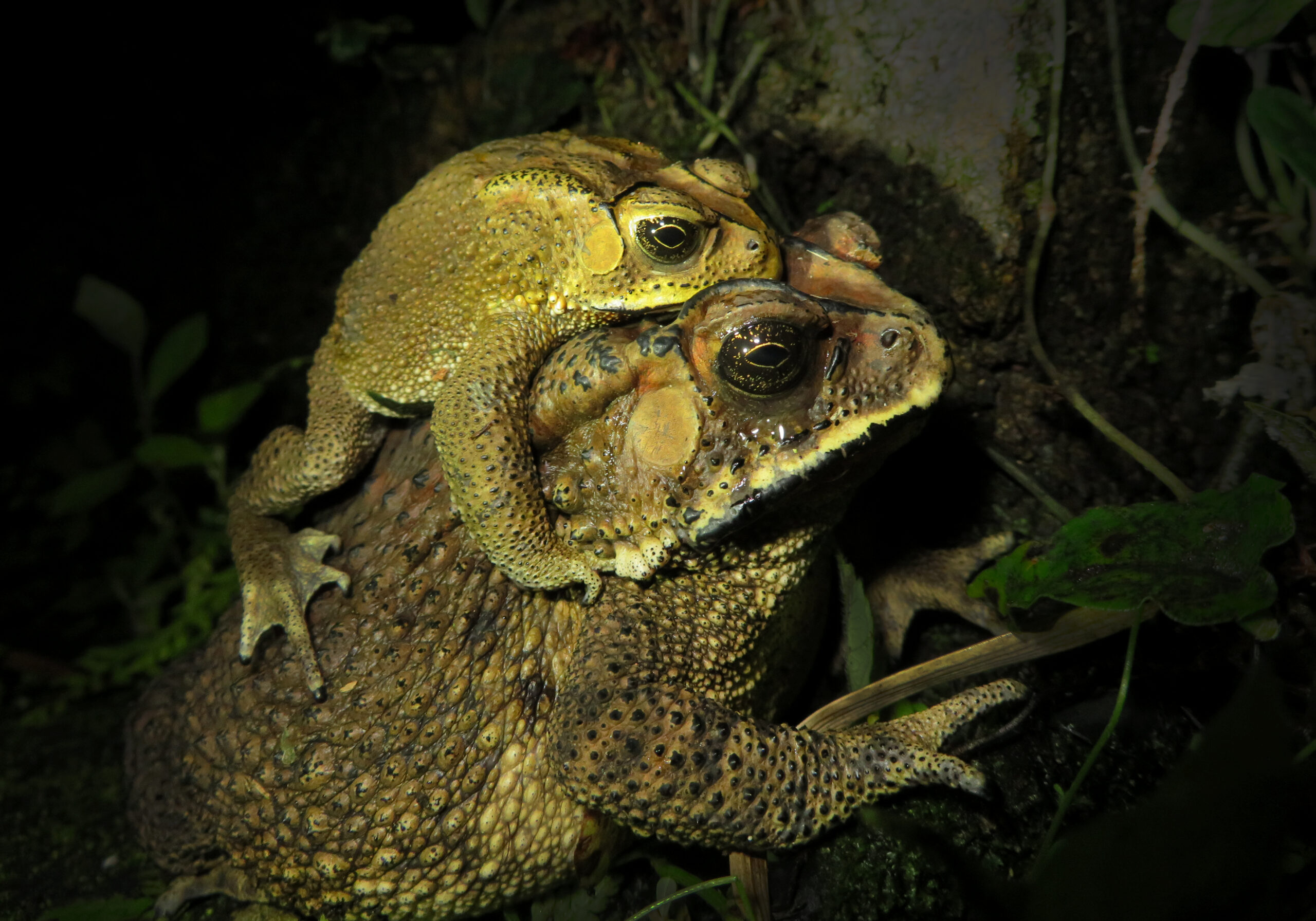
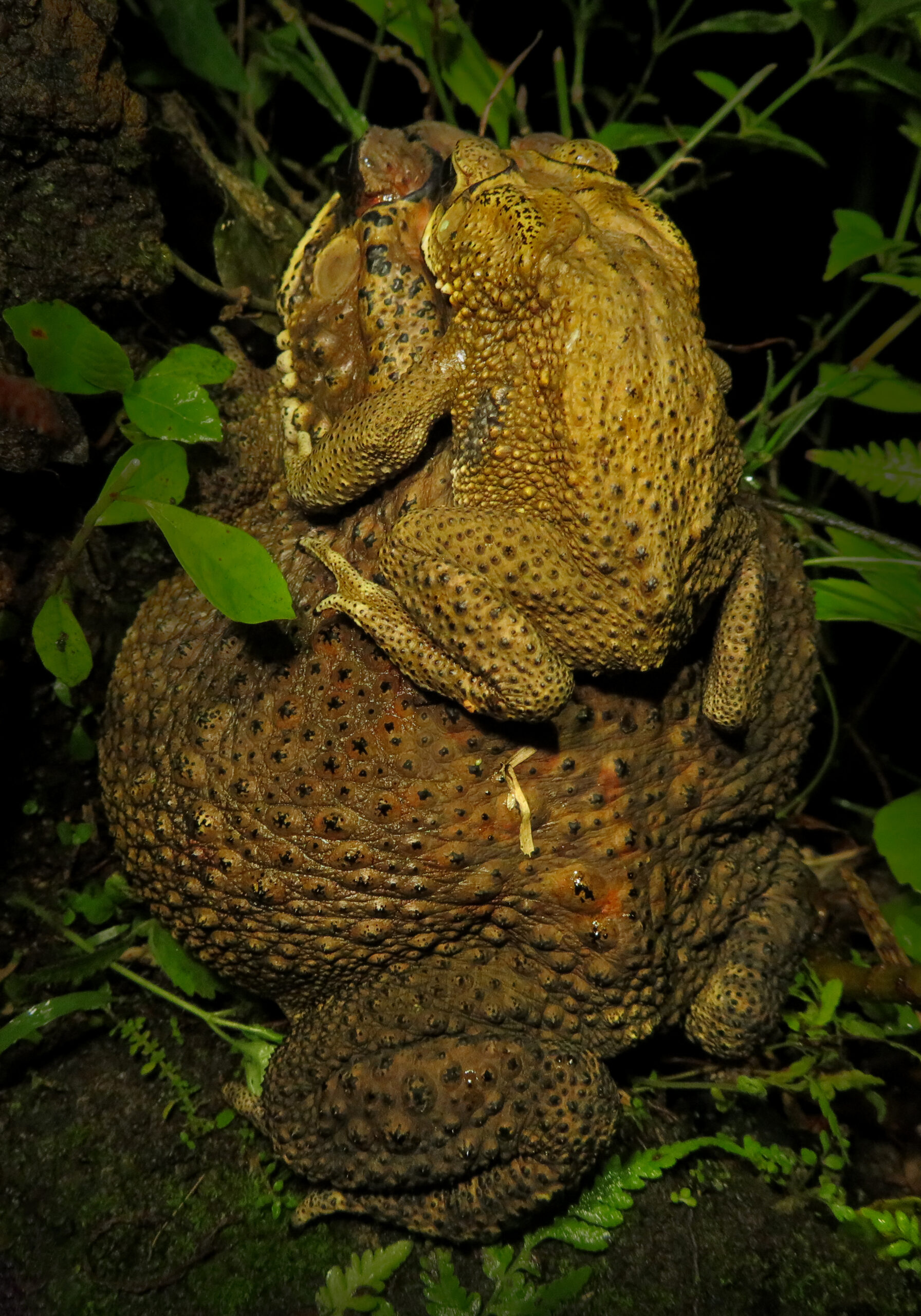
Toads of the genus Duttaphrynus are generally medium to large in size and possess the typical features of true toads, including a stout body, broad head, short limbs, and dry, warty skin. Their coloration usually ranges from brown, olive, gray, or reddish-brown to yellowish tones, often with darker blotches or spots that provide effective camouflage against soil, rocks, and leaf litter.
A prominent characteristic of the genus is the presence of large parotoid glands located behind the eyes. These glands secrete toxic substances that deter predators and provide an important defense mechanism. Like other bufonids, Duttaphrynus species also possess well-developed cranial ridges and horizontal pupils.
Most species are nocturnal or crepuscular, spending the day hidden beneath logs, stones, leaf litter, or within burrows. At night they actively forage for insects, termites, ants, beetles, spiders, worms, snails, and other small invertebrates, making them effective natural controllers of pest populations. Larger individuals may occasionally consume small vertebrates.
The life cycle involves external fertilization and complete metamorphosis. During the breeding season, adults gather in ponds, marshes, rice fields, temporary pools, and slow-moving streams. Females lay long gelatinous strings containing hundreds to thousands of eggs. The aquatic tadpoles feed mainly on algae, detritus, and organic matter before undergoing metamorphosis into terrestrial juvenile toads.
The genus includes several well-known species, such as Duttaphrynus melanostictus (Asian Common Toad), Duttaphrynus stomaticus (Indus Valley Toad), Duttaphrynus scaber, and Duttaphrynus himalayanus. Some species are highly adaptable to urban environments, while others are restricted to specialized habitats.
Ecologically, Duttaphrynus toads are important predators of insects and other invertebrates, contributing to the regulation of pest populations in both natural and agricultural ecosystems. They also serve as prey for snakes, birds, mammals, and larger reptiles, although their skin toxins discourage many predators. Their abundance, adaptability, and sensitivity to environmental changes make them valuable indicators of ecosystem health and important components of Asian biodiversity.