Bali Wildlife
Every Spices Matter


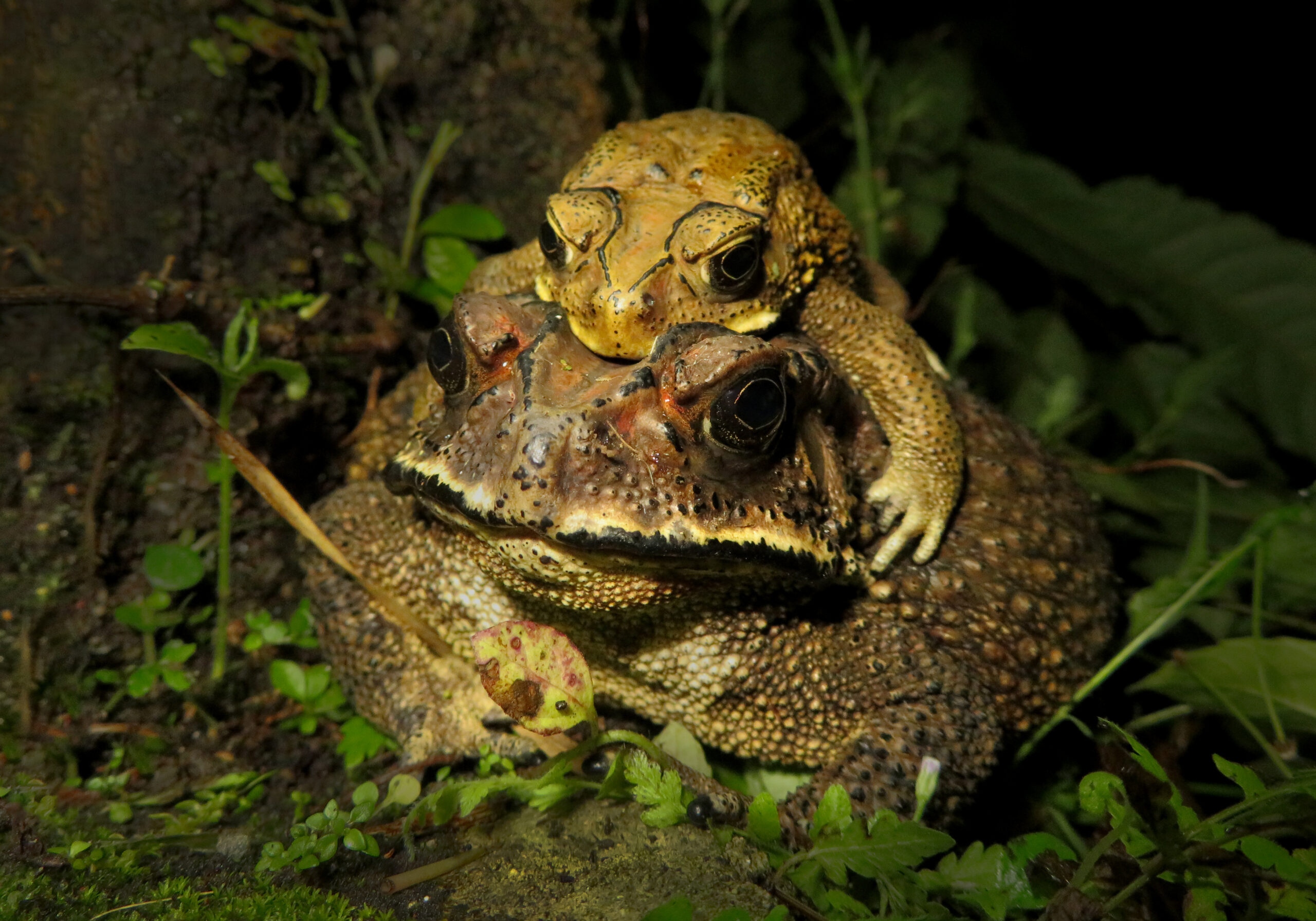
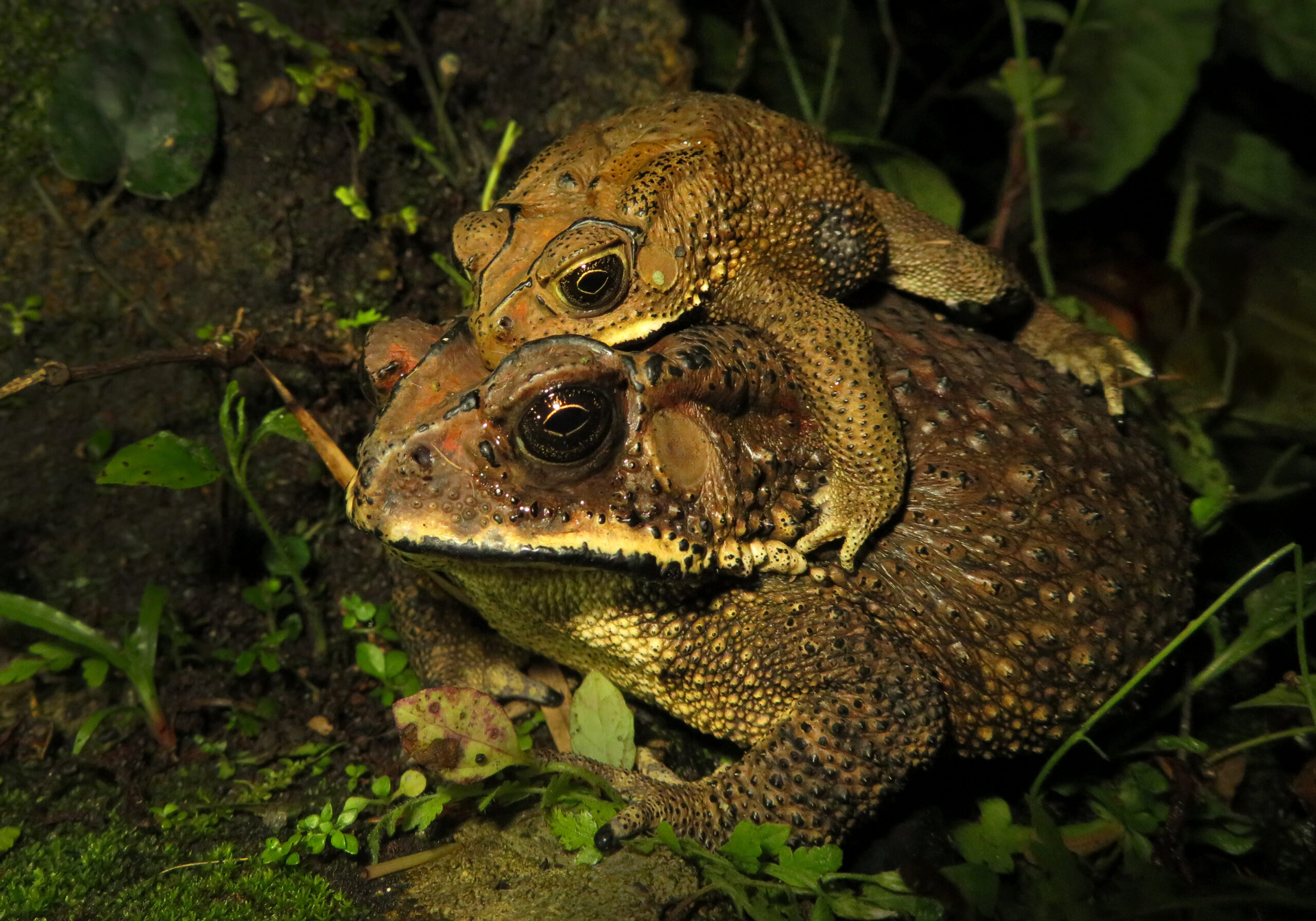
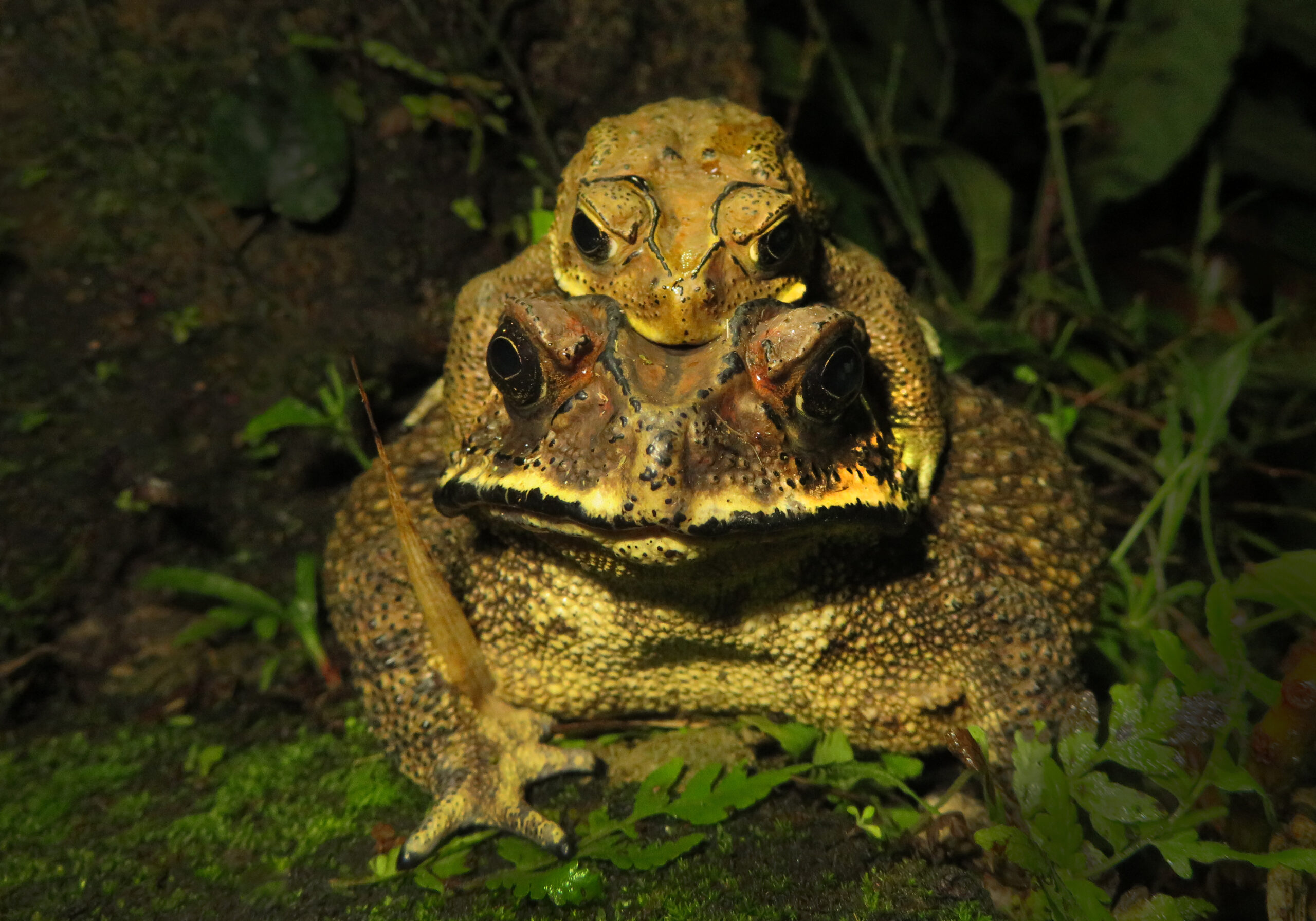
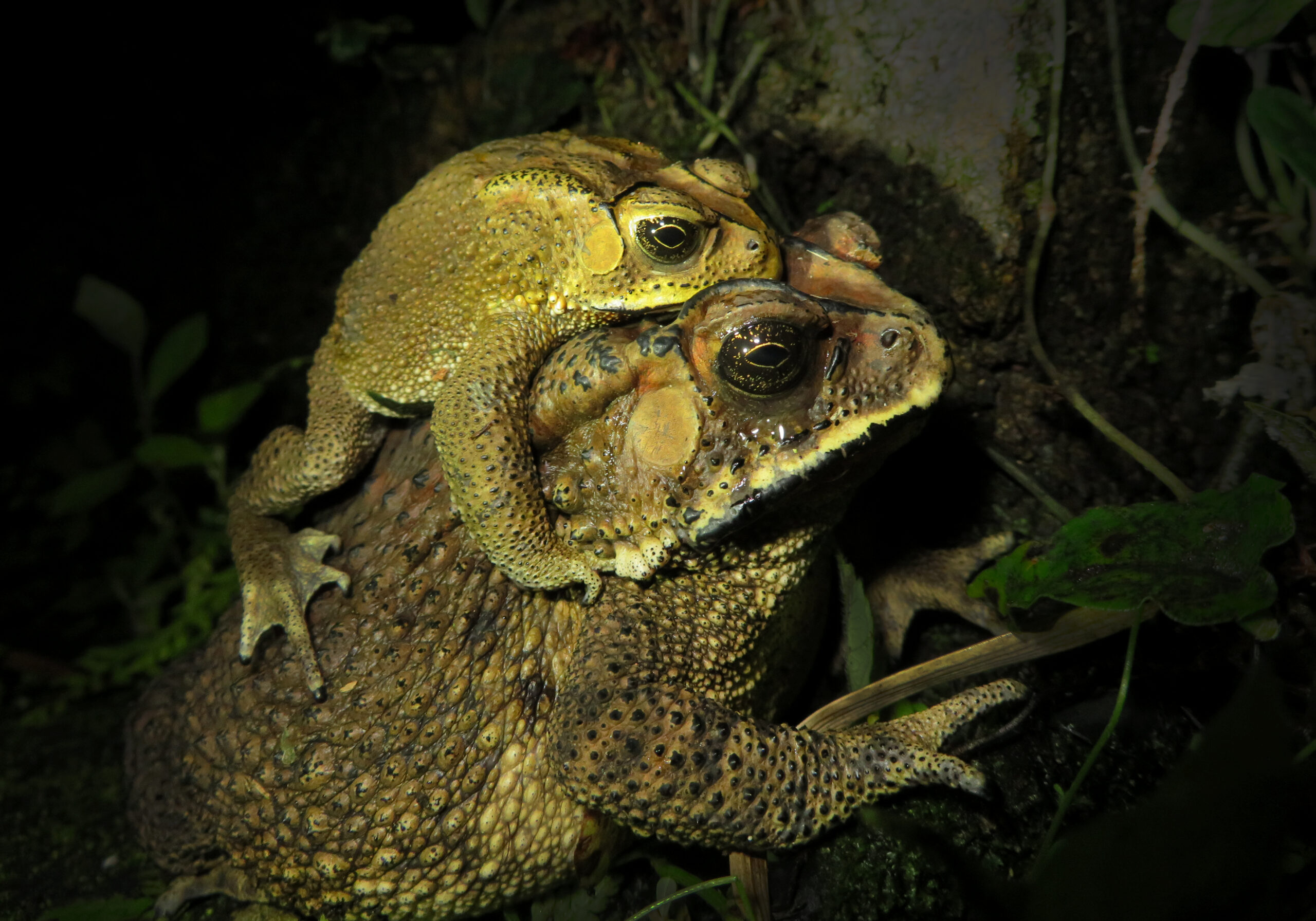
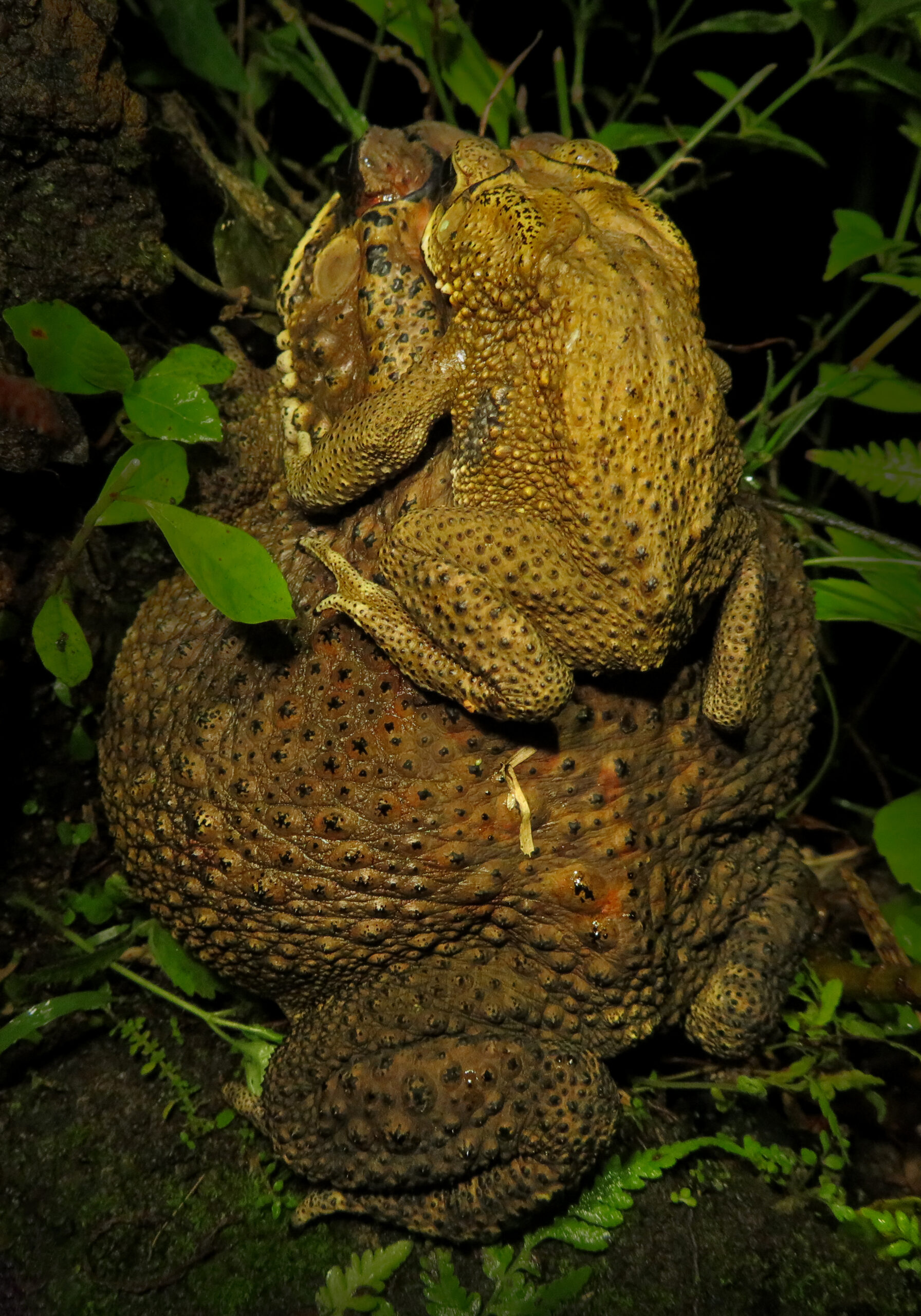
Bufonidae is a family of amphibians within the order Anura (Class Amphibia), commonly known as the true toads. The family comprises more than 650 described species distributed across every continent except Antarctica and Australia, although several species have been introduced beyond their native ranges. True toads occupy an exceptionally wide range of habitats, including tropical rainforests, temperate forests, grasslands, savannas, deserts, wetlands, agricultural lands, and urban environments.
Members of the family Bufonidae are generally small to large-sized amphibians characterized by a stout body, short limbs, and dry, warty skin. Unlike many frogs, true toads usually have relatively short hind legs adapted more for walking or short hops than for long-distance jumping. Their coloration commonly includes shades of brown, gray, olive, green, reddish-brown, or yellow, providing effective camouflage against soil, rocks, and leaf litter.
A defining characteristic of Bufonidae is the presence of large parotoid glands located behind the eyes. These glands secrete toxic or irritating compounds that serve as an effective defense against predators. Many species also possess cranial ridges and rough skin that further enhance their distinctive appearance.
Most true toads are primarily nocturnal or crepuscular. They feed on a wide variety of invertebrates, including insects, spiders, worms, snails, and other small arthropods, capturing prey with a rapid projection of their sticky tongue. Larger species may occasionally consume small vertebrates such as lizards or juvenile frogs.
The life cycle involves external fertilization and metamorphosis, consisting of egg, aquatic tadpole, and adult stages. During the breeding season, adults typically migrate to ponds, lakes, marshes, slow-moving streams, or temporary pools. Females lay eggs in long gelatinous strings, which distinguishes them from many frogs that deposit eggs in clusters. Tadpoles are aquatic herbivores or detritivores that gradually metamorphose into terrestrial juveniles.
The family includes numerous well-known genera, such as Bufo, Duttaphrynus, Anaxyrus, Rhinella, Epidalea, and Atelopus. Some species, including the cane toad (Rhinella marina), have become notable invasive species outside their native range, while others are threatened by habitat loss, disease, and climate change.
Ecologically, Bufonidae species are important predators of insects and other invertebrates, helping regulate pest populations in natural and agricultural ecosystems. They also serve as prey for snakes, birds, mammals, and larger amphibians, although their skin toxins provide protection against many predators. Their sensitivity to environmental changes and dependence on both terrestrial and aquatic habitats make true toads valuable indicators of ecosystem health and biodiversity.