Bali Wildlife
Every Spices Matter


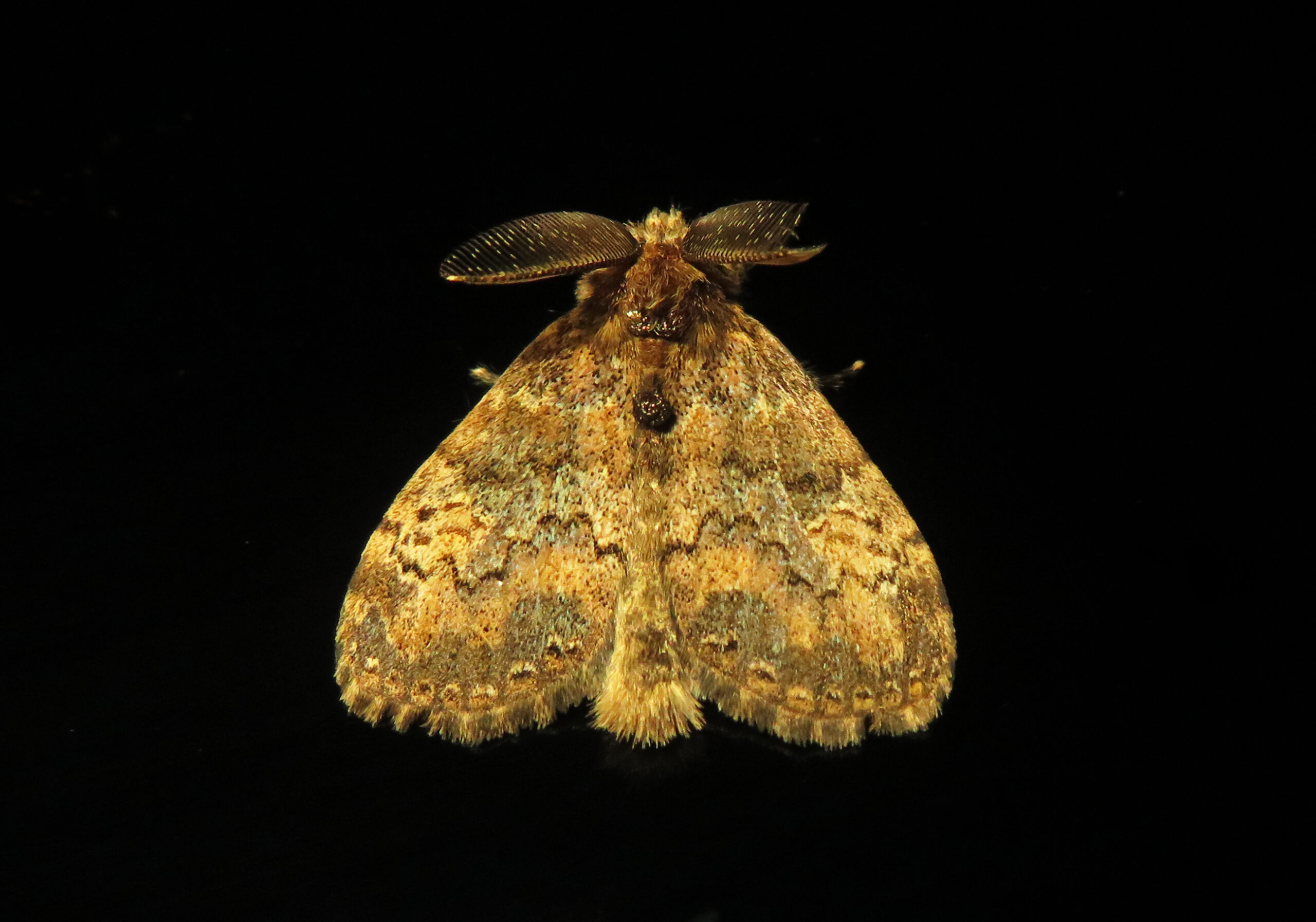
Lymantriinae is a subfamily within the family Erebidae (Superfamily Noctuoidea, Order Lepidoptera), commonly known as tussock moths. This group comprises more than 2,500 species distributed worldwide, with the greatest diversity occurring in tropical and subtropical regions. Members inhabit forests, woodlands, shrublands, grasslands, agricultural landscapes, and urban environments.
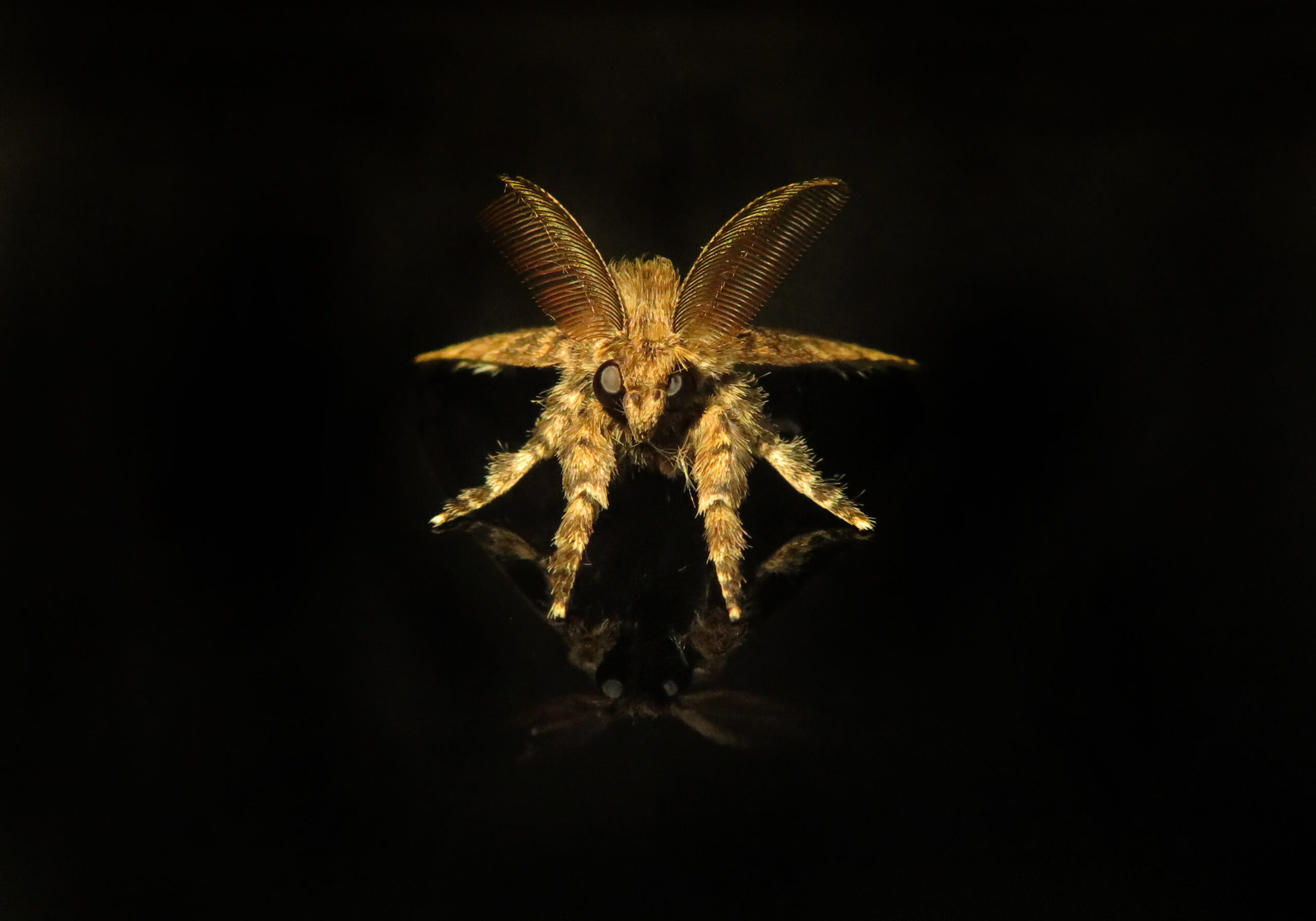
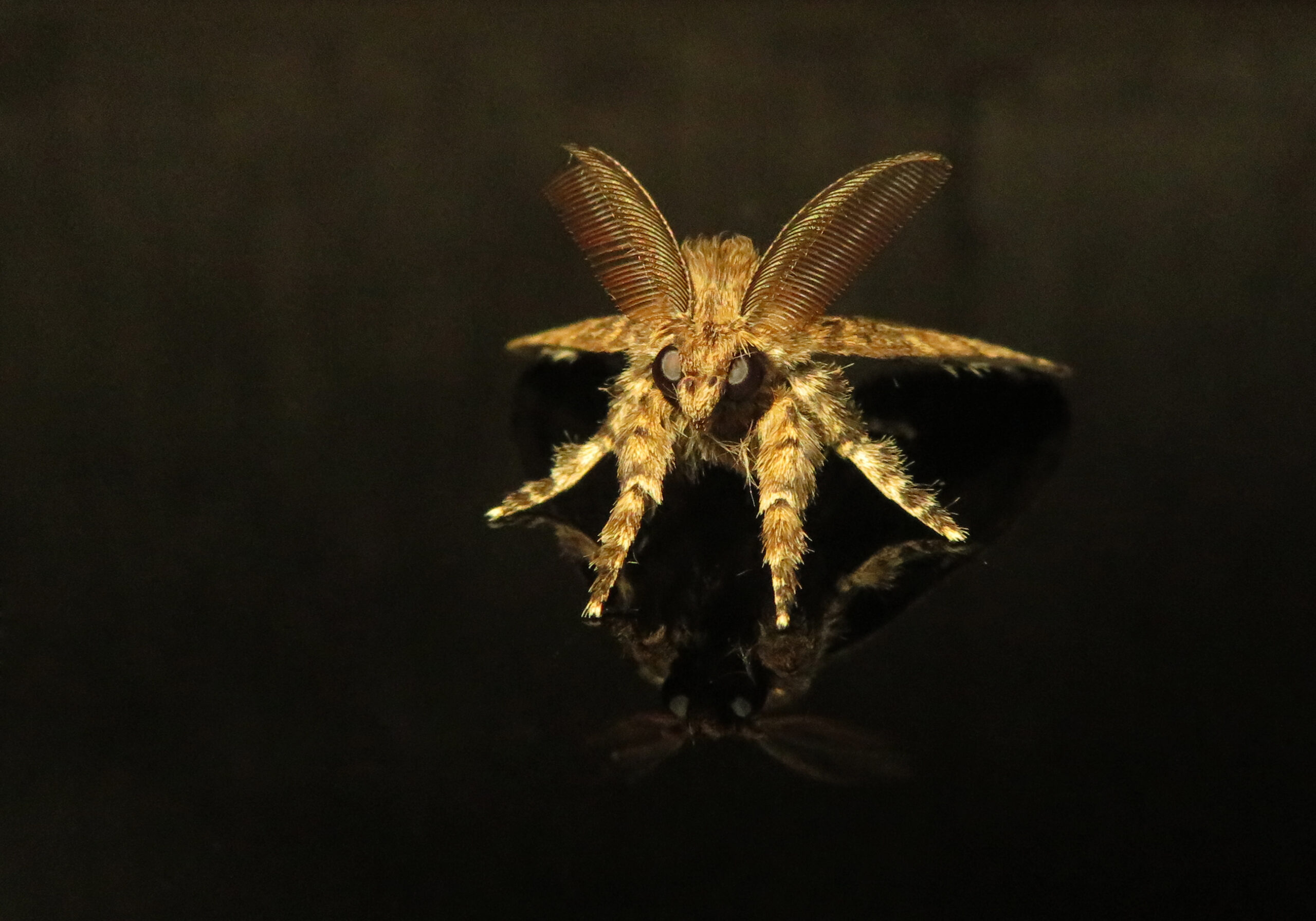
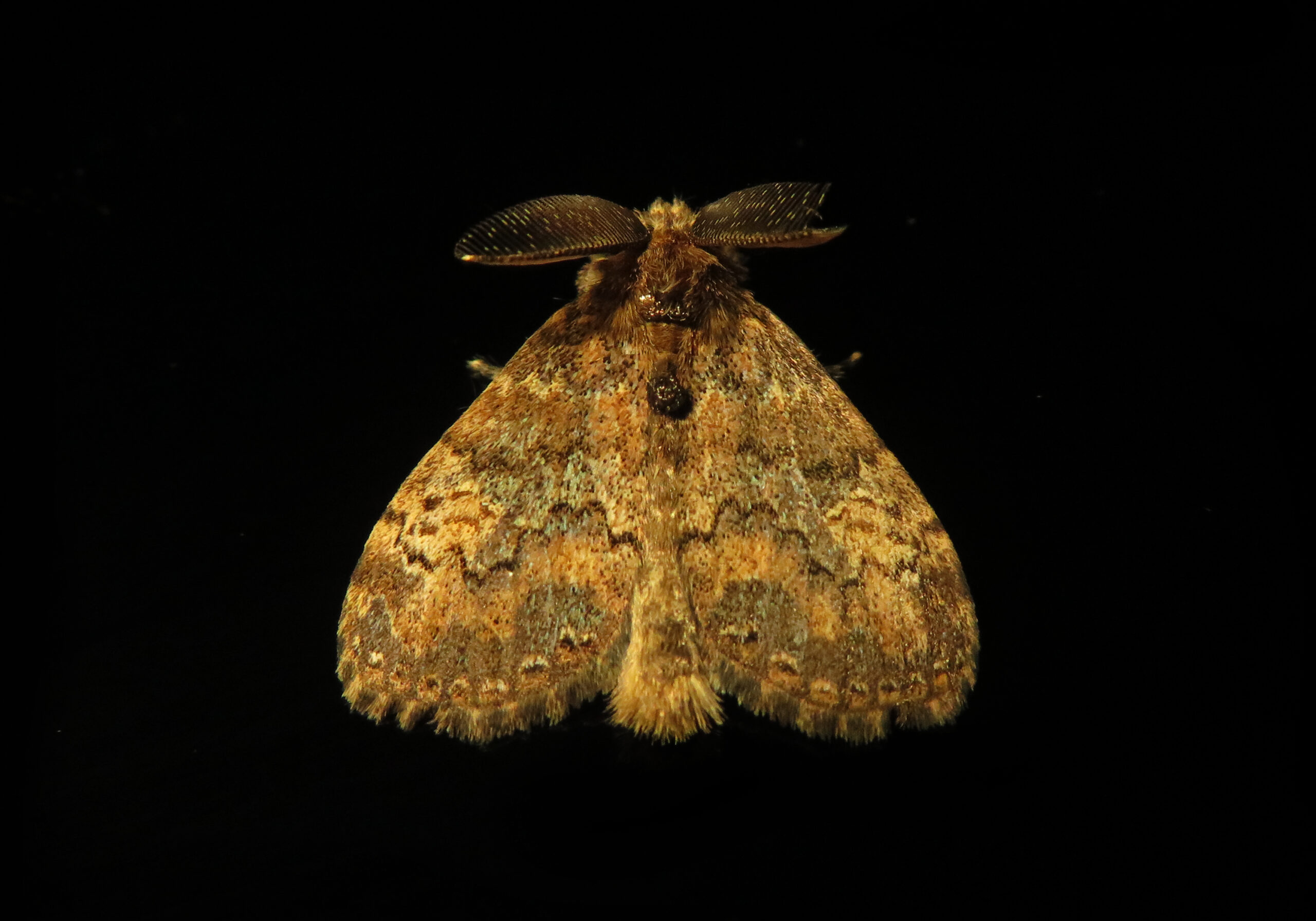
Moths of the subfamily Lymantriinae are generally small to medium-sized and often possess a stout, hairy body. Adult coloration is usually cryptic, consisting of shades of white, gray, brown, or black, although some species exhibit more striking patterns. Many females have reduced wings or are flightless, while males are typically active fliers with well-developed antennae adapted for detecting female pheromones.
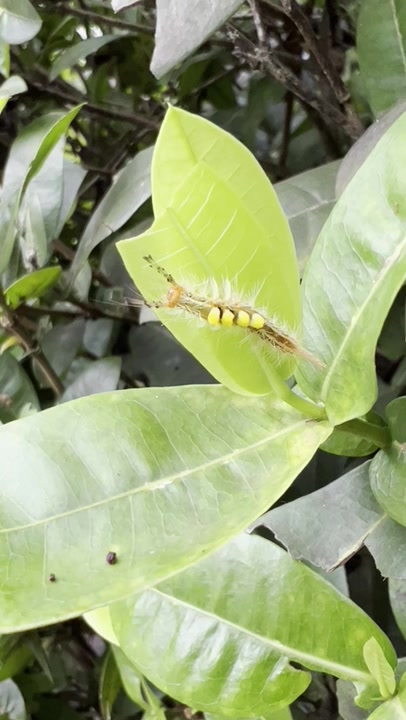
The most distinctive stage of the life cycle is the caterpillar. Tussock moth larvae are often covered with dense hairs and characteristic tufts or “tussocks” of setae on the back. These hairs may serve as protection against predators, and in some species they can cause skin irritation in humans and other animals.
The life cycle involves complete metamorphosis, consisting of egg, larva, pupa, and adult stages. Caterpillars are primarily herbivorous and feed on a wide variety of trees, shrubs, and herbaceous plants. Some species are highly specialized, while others are generalist feeders.
Pupation typically occurs within a silk cocoon that may incorporate larval hairs. Adults emerge to reproduce, with many species living only a short time in the adult stage.
The subfamily includes numerous genera such as Lymantria, Orgyia, Euproctis, and related forms, many of which are well known in forestry and agriculture.
Ecologically, Lymantriinae caterpillars play an important role as herbivores and serve as prey for birds, insects, spiders, and other animals. However, some species can reach outbreak levels and cause extensive defoliation of forests and cultivated plants. Despite this, they remain important components of terrestrial ecosystems, contributing to nutrient cycling, food webs, and biodiversity.