Bali Wildlife
Every Spices Matter


Erebidae is one of the largest and most diverse families of moths within the superfamily Noctuoidea (Order Lepidoptera). With more than 24,000 described species worldwide, members of this family occur on every continent except Antarctica and inhabit a wide range of environments, including tropical rainforests, temperate forests, grasslands, wetlands, deserts, agricultural landscapes, and urban areas.
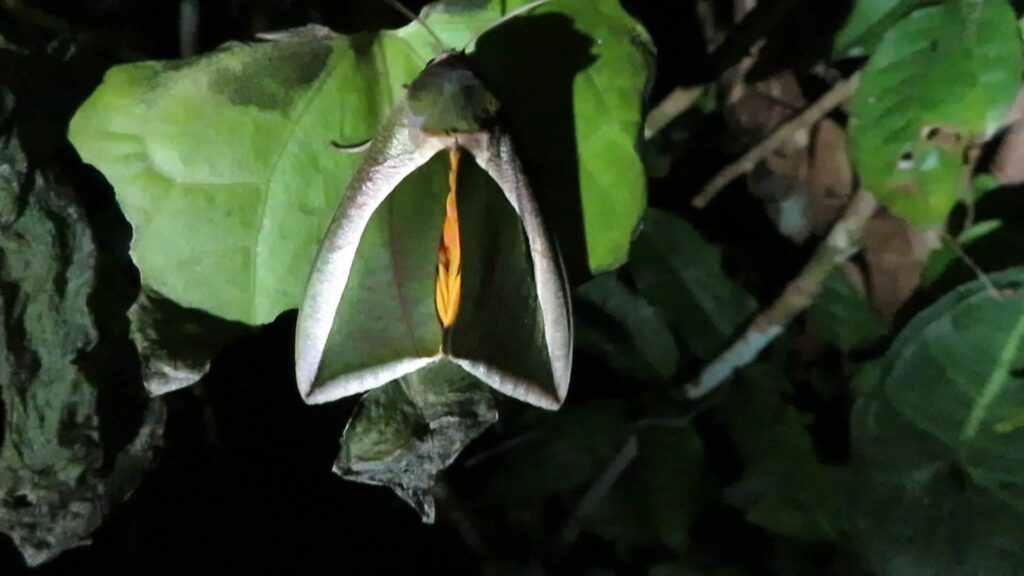
Moths of the family Erebidae display remarkable diversity in size, shape, coloration, and behavior. Some species are small and inconspicuous with cryptic brown or gray coloration, while others are brightly colored and patterned with vivid reds, oranges, yellows, blues, or metallic hues. Many species use camouflage, mimicry, or warning coloration to deter predators.
Adults generally have a robust body and broad wings covered with scales. Most are nocturnal, although some species are active during the day. Antennae vary from simple to feathery, depending on the species and sex.
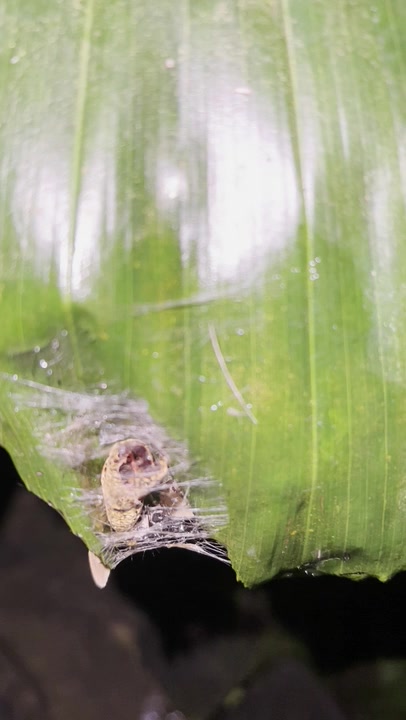
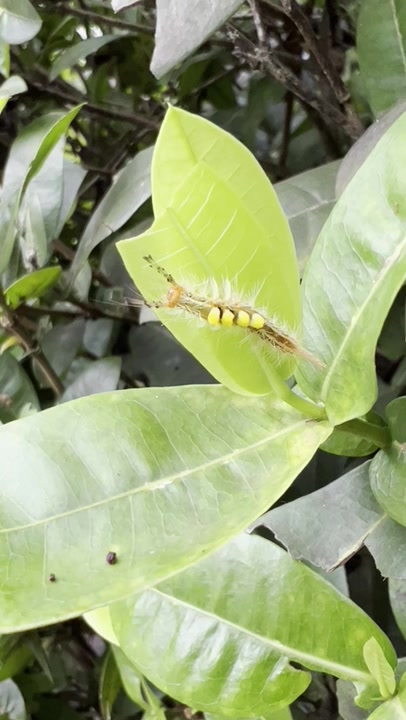
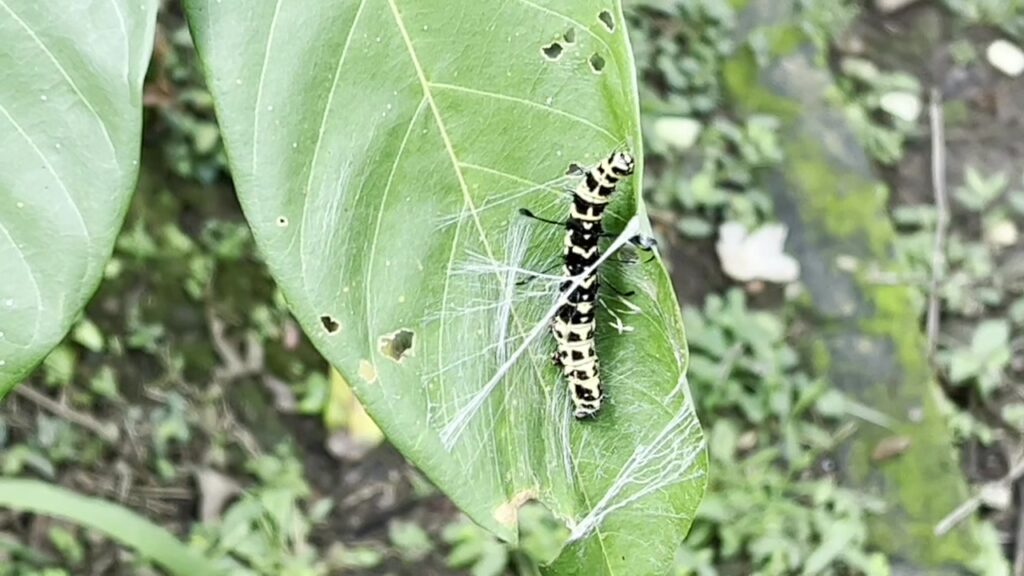
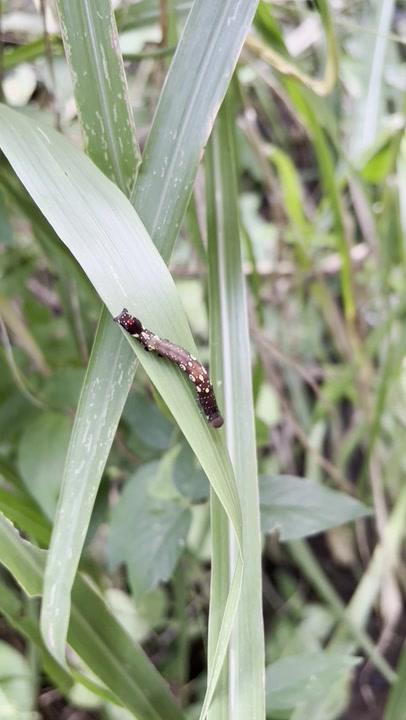
The life cycle involves complete metamorphosis, consisting of egg, larva (caterpillar), pupa, and adult stages. Caterpillars are highly diverse and may be smooth-bodied, hairy, or covered with distinctive tufts of setae. Many species feed on leaves of trees, shrubs, and herbaceous plants, while others consume lichens, mosses, fungi, decaying organic matter, or algae.
The family includes numerous well-known groups, such as tiger moths (Arctiinae), tussock moths (Lymantriinae), lichen moths, and underwing moths. Many species possess chemical defenses acquired from their host plants, making them distasteful or toxic to predators.
Adult feeding habits vary widely. Many species feed on nectar, sap, rotting fruit, or other sugary substances, while some do not feed at all during their adult stage.
Ecologically, Erebidae plays a major role in terrestrial ecosystems. Caterpillars contribute to herbivory and nutrient cycling, while adults participate in pollination and serve as prey for birds, bats, reptiles, amphibians, spiders, and other predators. Some species are important agricultural or forestry pests, whereas others are valuable pollinators and indicators of environmental health. Their immense diversity makes Erebidae one of the most significant and ecologically important moth families in the world.