Bali Wildlife
Every Spices Matter


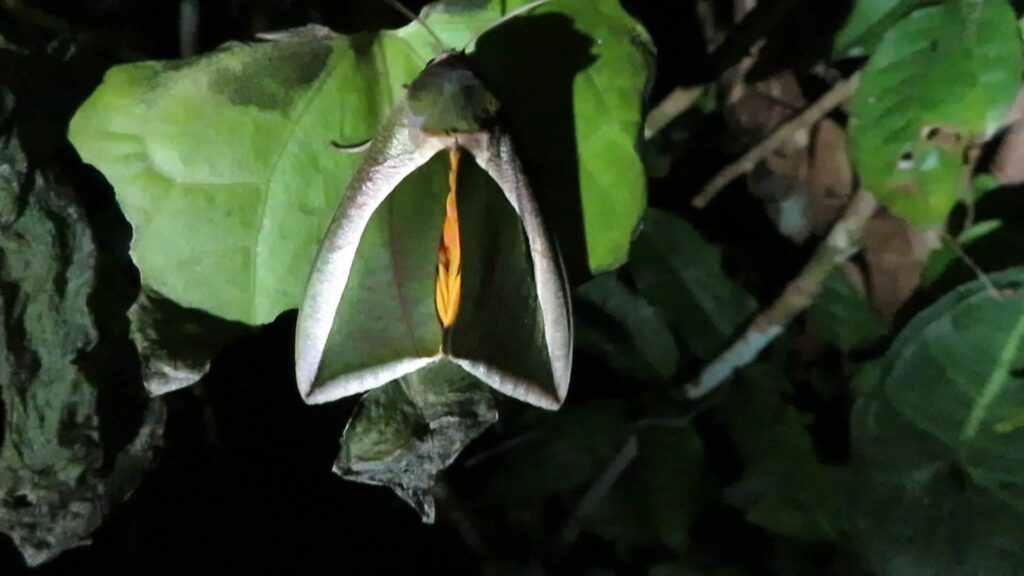
Noctuoidea is the largest superfamily within the order Lepidoptera, comprising a vast diversity of moths including owlet moths, tiger moths, tussock moths, underwing moths, and many related groups. With tens of thousands of described species worldwide, members of this superfamily occur in nearly every terrestrial habitat, from tropical rainforests and grasslands to deserts, mountains, agricultural lands, and urban environments.
Moths of the superfamily Noctuoidea vary greatly in size, shape, and coloration, but most are medium-sized insects with robust bodies and broad wings. Many species exhibit cryptic patterns in shades of brown, gray, black, or olive that provide excellent camouflage against bark, leaves, or soil. Others possess brightly colored hindwings or striking warning patterns used for defense against predators.
Most noctuoids are nocturnal and become active during dusk and nighttime hours. They typically possess large compound eyes and well-developed sensory organs that aid in navigation, mate detection, and locating food resources. Antennae are generally simple, though they may be comb-like or feathered in some groups.
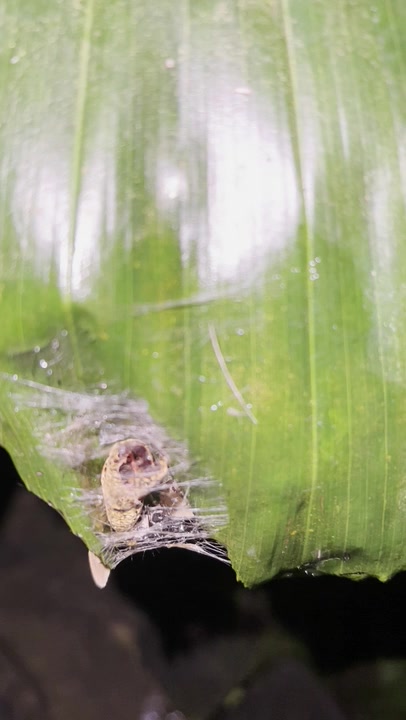
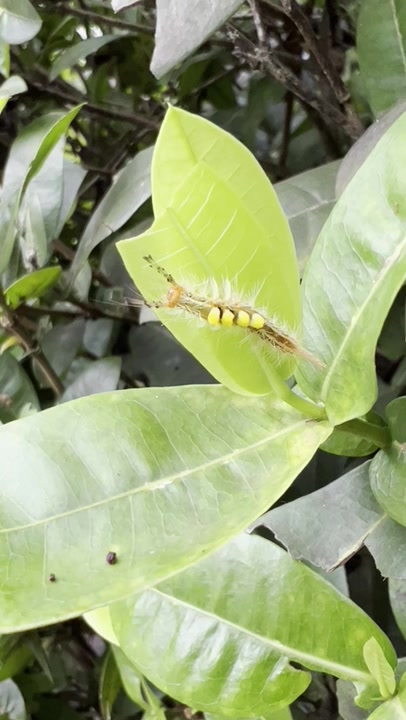
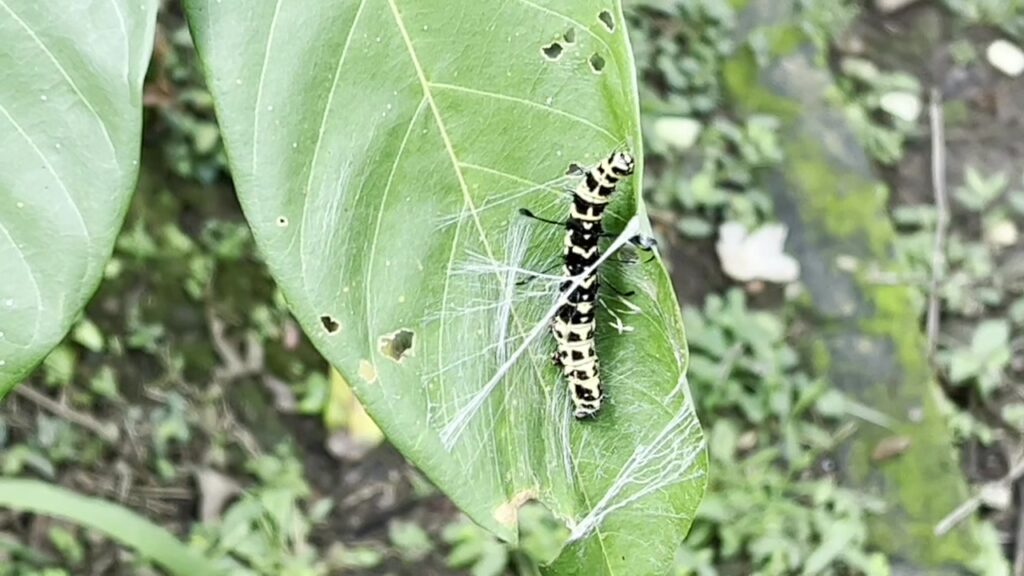
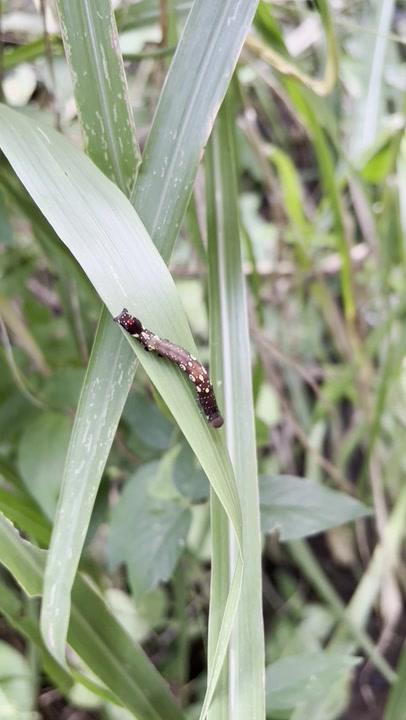
The life cycle involves complete metamorphosis, consisting of egg, larva (caterpillar), pupa, and adult stages. Caterpillars are highly diverse in appearance and feeding habits. Most are herbivorous and feed on leaves, flowers, seeds, stems, or roots of a wide variety of plants. Some species are important agricultural pests, while others feed on lichens, detritus, or even other insects.
The superfamily includes several major families, such as Noctuidae (owlet moths), Erebidae (tiger moths, tussock moths, and relatives), Nolidae, and Euteliidae, representing a tremendous diversity of ecological adaptations.
Adult feeding habits vary considerably. Many species feed on nectar and contribute to nocturnal pollination, while others feed on fruit, sap, honeydew, or may not feed at all as adults.
Ecologically, Noctuoidea plays a crucial role in terrestrial ecosystems. Caterpillars are important herbivores and a major food source for birds, bats, reptiles, amphibians, and predatory insects. Adults contribute to pollination and serve as prey for numerous nocturnal predators. Their immense diversity and abundance make Noctuoidea one of the most significant groups of insects in terms of ecological impact and biodiversity.