Bali Wildlife
Every Spices Matter


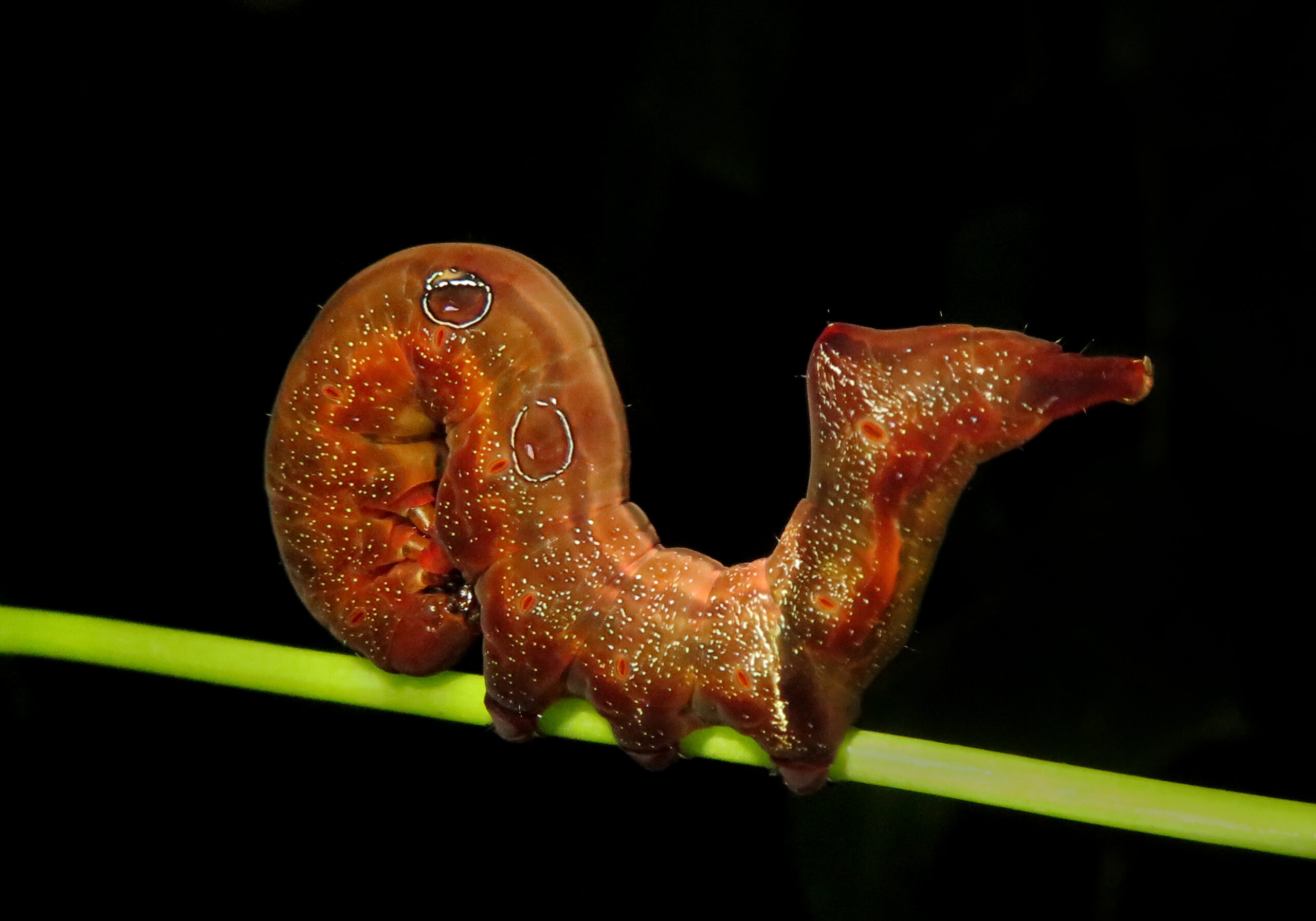
Eudocima is a genus of erebid moths within the tribe Ophiderini (Subfamily Calpinae, Family Erebidae, Superfamily Noctuoidea, Order Lepidoptera). Species of this genus are widely distributed throughout tropical and subtropical regions of Asia, Africa, Australia, and the Pacific islands. They inhabit rainforests, secondary forests, woodland edges, orchards, plantations, agricultural fields, and gardens, where suitable larval host plants and fruit-bearing trees are abundant.
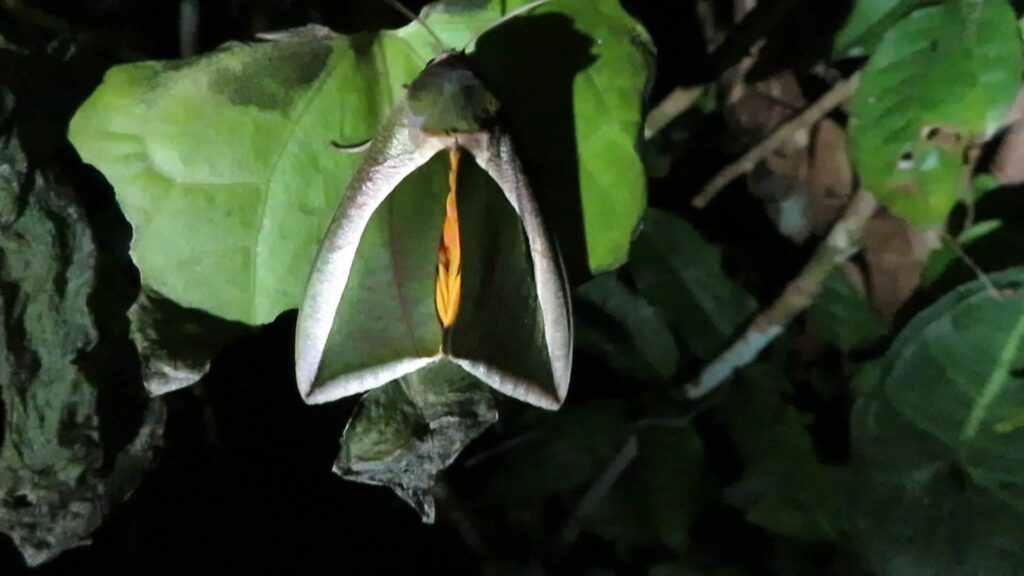
Moths of the genus Eudocima are generally medium to large in size and are distinguished by their robust body and broad wings. The forewings are cryptically colored in shades of brown, gray, olive, or green with intricate markings that closely resemble bark or dead leaves, providing excellent camouflage during daytime rest. In contrast, the hindwings are brightly colored, usually orange or yellow with bold black markings, creating a striking display during flight.
Adults are nocturnal and possess a powerful, heavily sclerotized proboscis armed with minute barbs near the tip. This specialized feeding organ enables many species to pierce the tough skin of ripe fruits and feed on the juices inside. They also feed on nectar, tree sap, and fermenting fruits when available. Because of their fruit-piercing habit, several Eudocima species are considered economically important pests of cultivated fruits such as citrus, mango, papaya, banana, grape, guava, and peach.
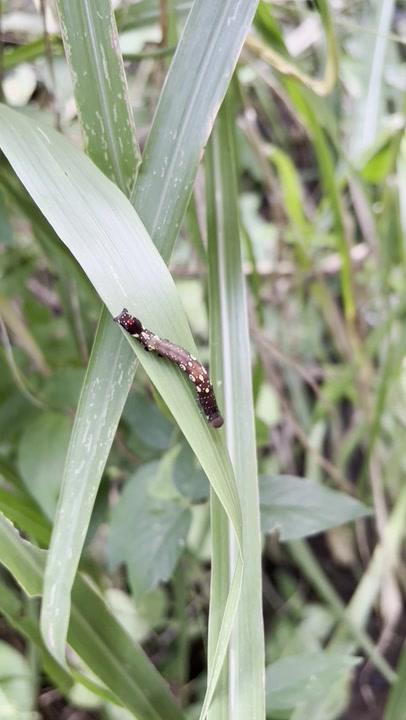
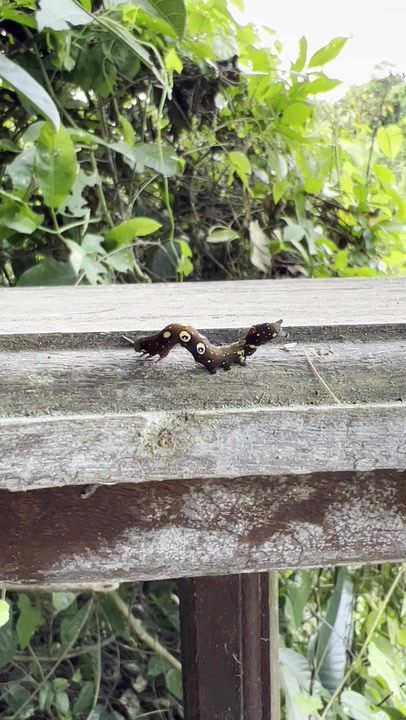
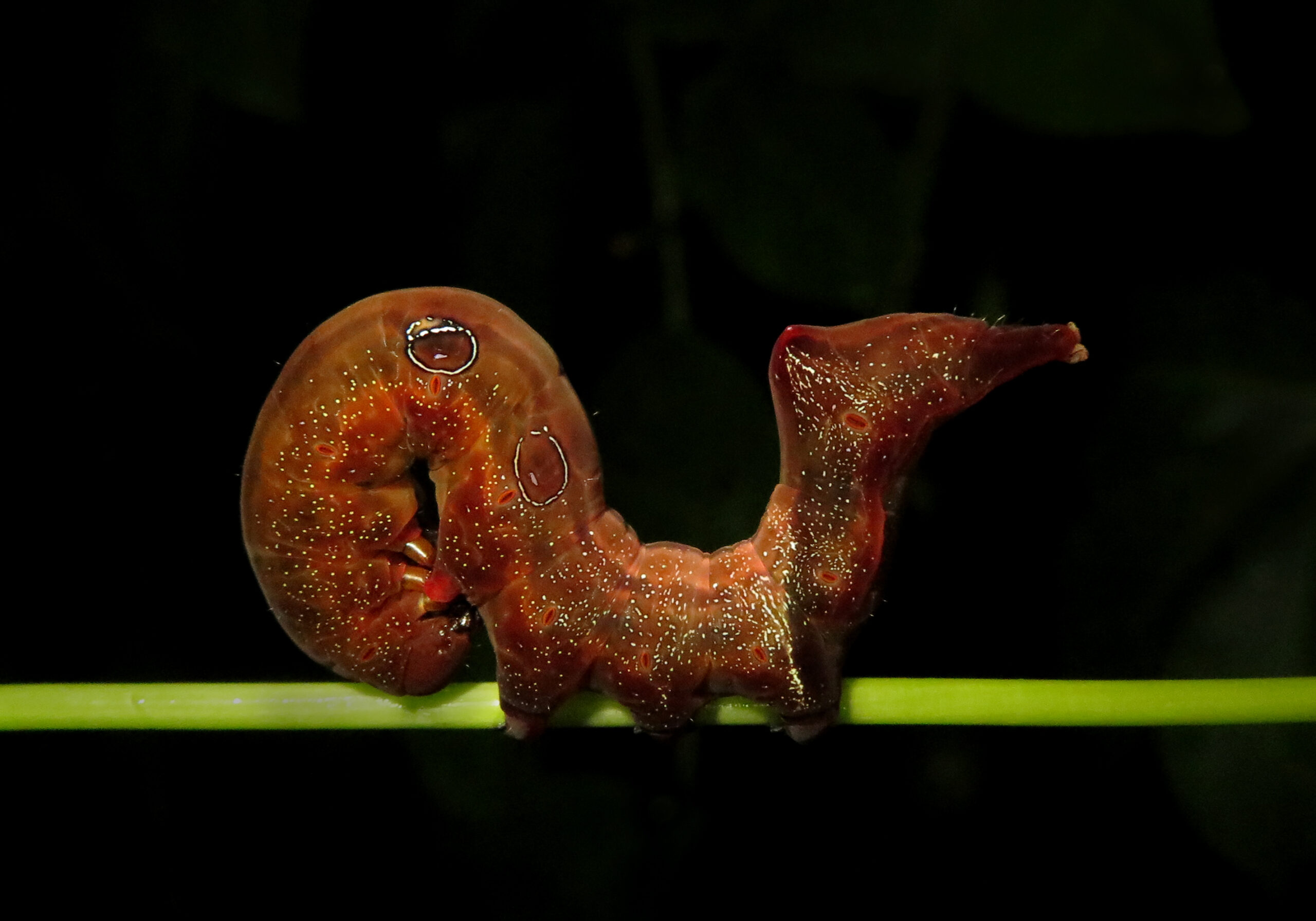
The life cycle involves complete metamorphosis, consisting of egg, larva (caterpillar), pupa, and adult stages. Caterpillars are smooth-bodied and feed primarily on climbing vines belonging to the family Menispermaceae, although some species utilize additional host plants. Pupation takes place within a loose silken cocoon among leaf litter or attached to vegetation.
The genus includes numerous well-known species, including Eudocima phalonia, Eudocima materna, Eudocima salaminia, and several related taxa, many of which are recognized for their striking appearance and agricultural significance.
Ecologically, Eudocima moths function as herbivores during their larval stage and as consumers of nectar, sap, and fruit juices during adulthood. They also serve as prey for bats, birds, reptiles, spiders, and predatory insects. While some species can cause economic losses in fruit production, they remain important components of tropical ecosystems, contributing to food web dynamics and the biodiversity of forest and agricultural landscapes.