Bali Wildlife
Every Spices Matter


Lithosiini is a large tribe of moths within the subfamily Arctiinae (Family Erebidae, Superfamily Noctuoidea, Order Lepidoptera), commonly known as the lichen moths. The tribe comprises more than 4,000 described species distributed worldwide, with the greatest diversity occurring in tropical and subtropical regions. Members inhabit tropical rainforests, temperate forests, woodland edges, shrublands, wetlands, grasslands, mountainous regions, parks, and gardens, where lichens, algae, mosses, and other suitable larval food sources are abundant.
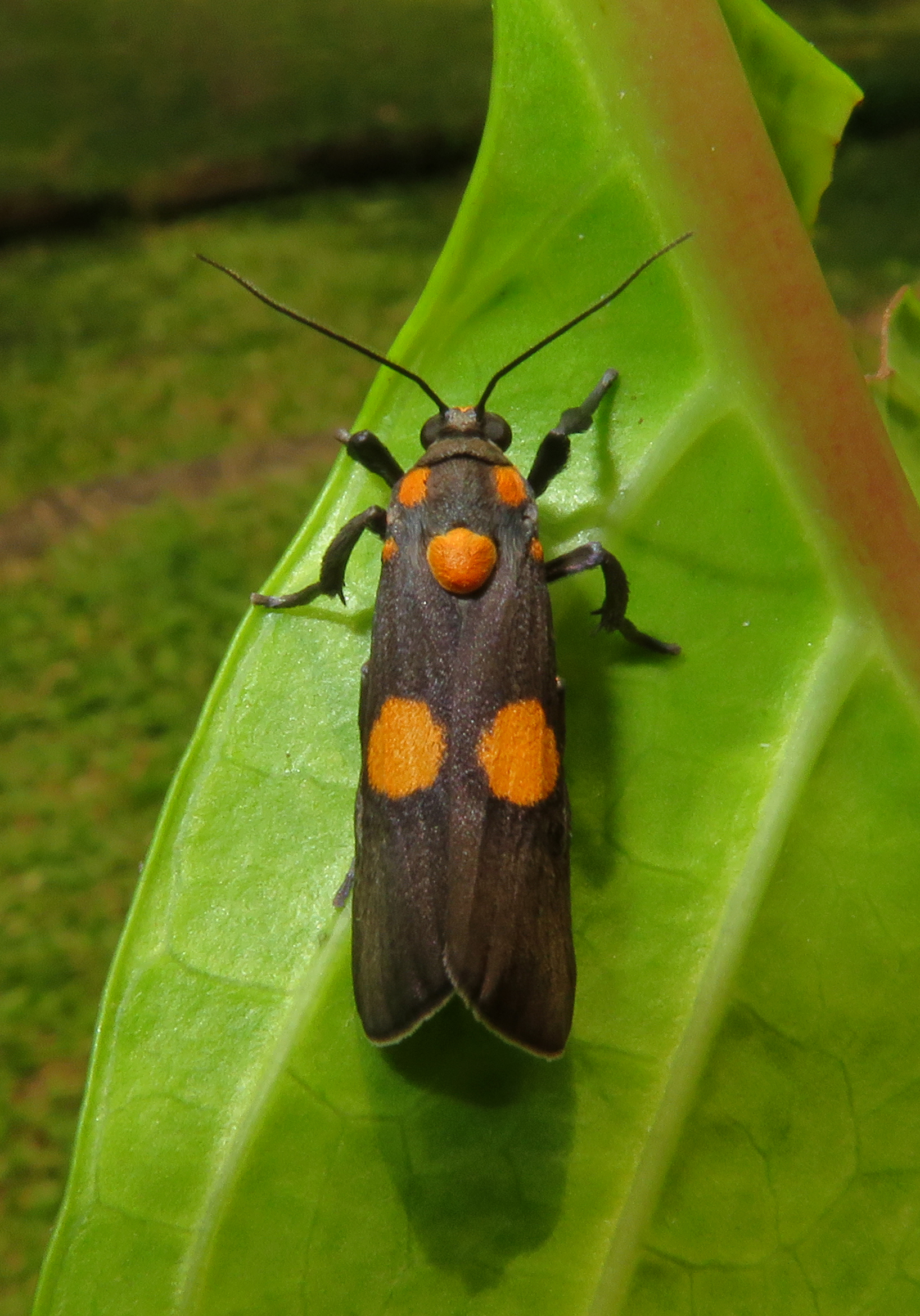
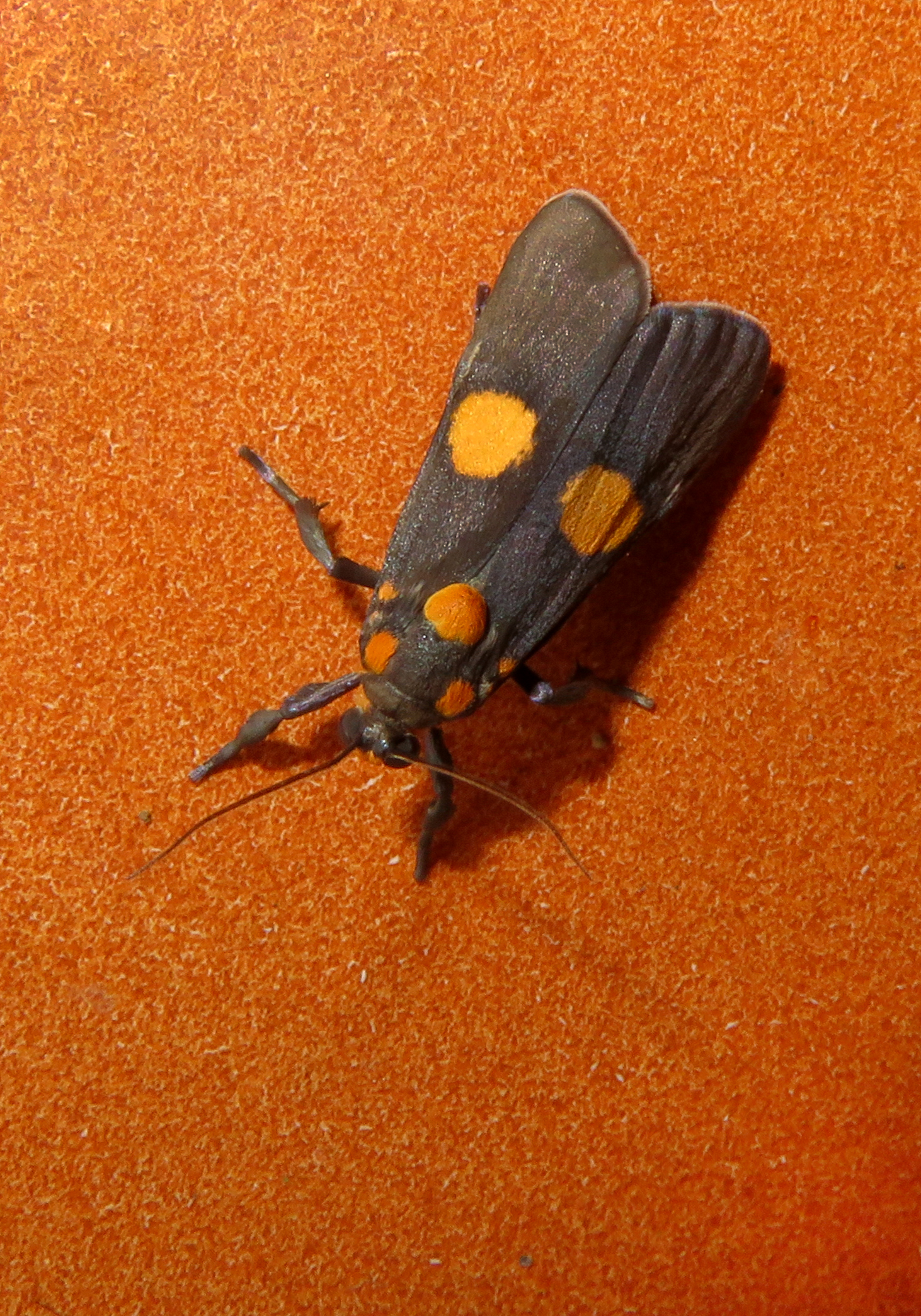
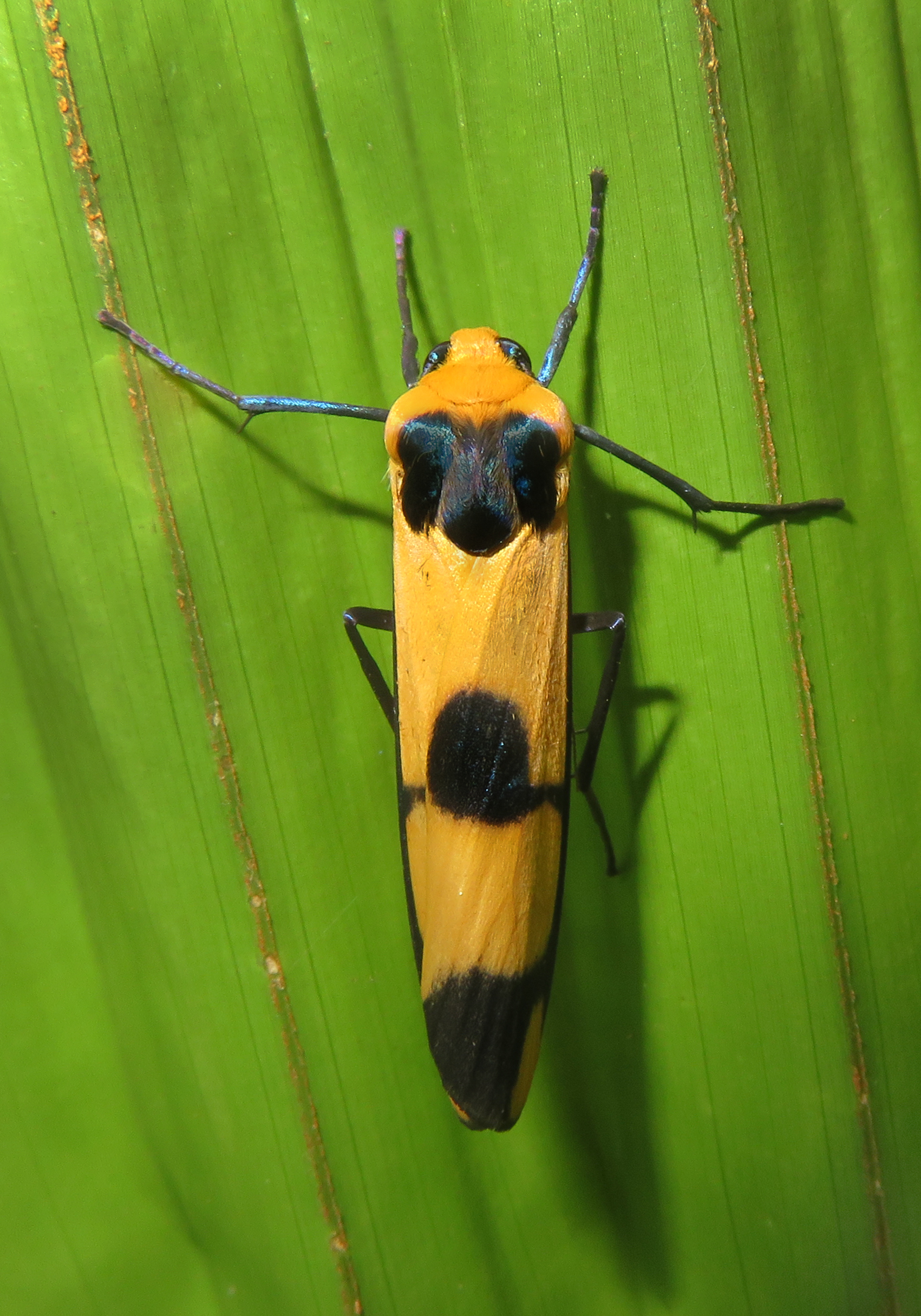
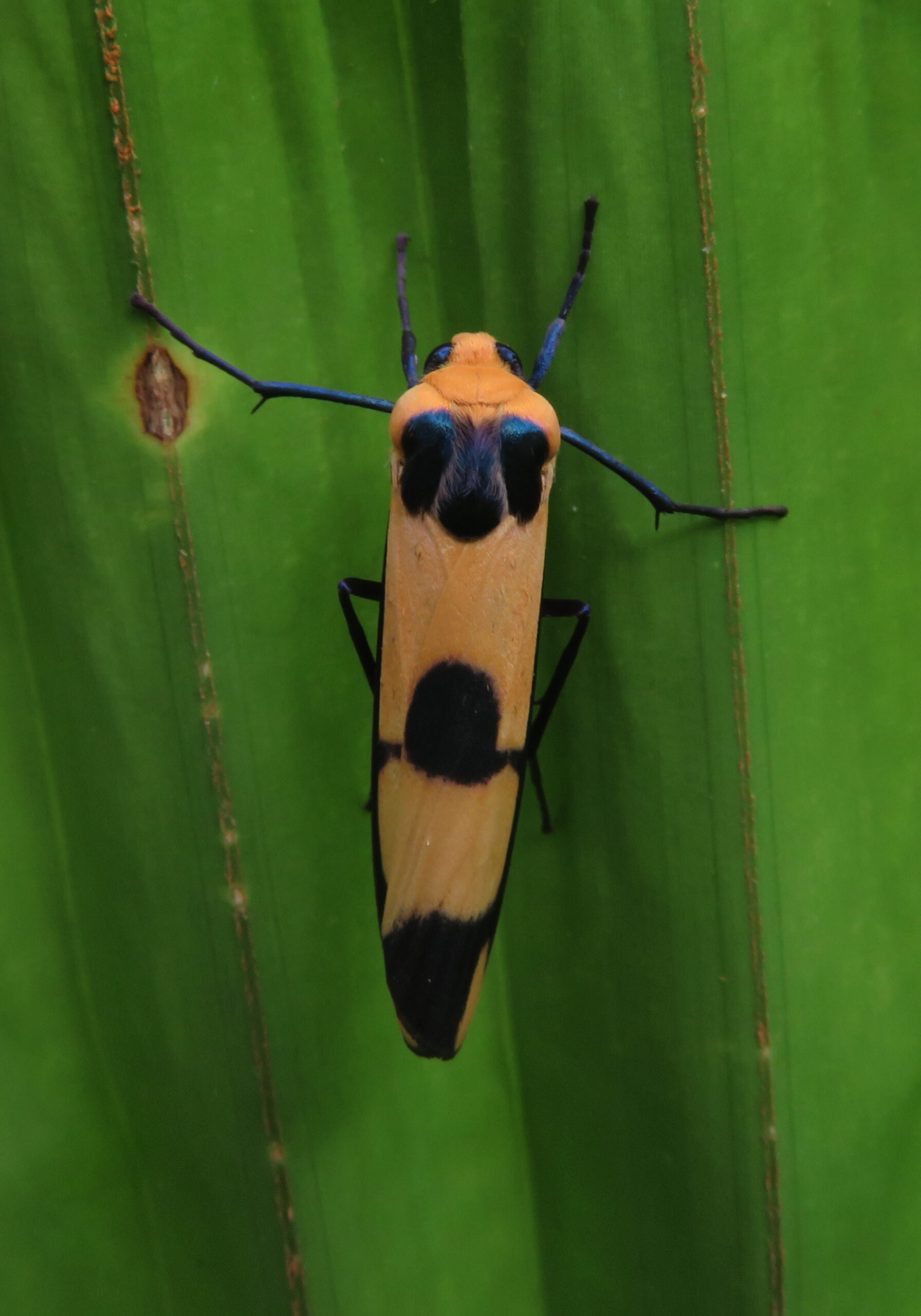
Moths of the tribe Lithosiini are generally small to medium-sized, with slender bodies and narrow, elongated wings. Their coloration is remarkably diverse, ranging from white, cream, yellow, orange, pink, and red to gray, brown, and black. Many species display bold combinations of contrasting stripes, spots, or bands, while others possess cryptic patterns that closely resemble lichens or tree bark. In several genera, bright coloration functions as aposematic (warning) coloration, advertising chemical defenses obtained during the larval stage.
Adults are predominantly nocturnal, although some tropical species are active during the day or at dusk. They are readily attracted to artificial lights and commonly rest on tree trunks, rocks, or foliage during daylight hours. Most adults possess a well-developed coiled proboscis and feed on nectar, honeydew, tree sap, or other sugar-rich plant exudates, while some species feed very little as adults.
The life cycle involves complete metamorphosis, consisting of egg, larva (caterpillar), pupa, and adult stages. Females lay eggs on bark, rocks, or vegetation supporting suitable food sources. Caterpillars are typically elongate and clothed with short hairs or fine bristles. Unlike many other tiger moths, lithosiine larvae feed primarily on lichens, algae, mosses, cyanobacteria, and occasionally fungi growing on tree trunks, rocks, and branches. This specialized diet allows them to occupy ecological niches with relatively little competition. Pupation occurs within a loose silken cocoon, often incorporating larval hairs and fragments of lichen or bark for camouflage.
The tribe includes numerous well-known genera such as Cyana, Asura, Barsine, Miltochrista, Nepita, Adites, and Lithosia. Many species are admired for their delicate appearance, vivid coloration, and close ecological association with lichens and forest habitats.
Ecologically, Lithosiini moths play important roles in forest ecosystems by helping regulate lichen and algal growth during their larval stage and contributing to nutrient cycling. Adults may assist in pollination while feeding on nectar and other plant exudates. Both larvae and adults serve as prey for birds, bats, reptiles, spiders, predatory insects, and parasitoids. Because many species depend on clean air, mature forests, and abundant lichen communities, Lithosiini moths are valuable indicators of forest health, habitat quality, air quality, and biodiversity.