Bali Wildlife
Every Spices Matter


Arctiini is the largest tribe of tiger moths within the subfamily Arctiinae (Family Erebidae, Superfamily Noctuoidea, Order Lepidoptera). The tribe comprises more than 5,000 described species distributed worldwide, with the greatest diversity occurring in tropical and subtropical regions. Members inhabit a broad range of ecosystems, including tropical rainforests, temperate forests, grasslands, shrublands, wetlands, deserts, agricultural landscapes, parks, and gardens.
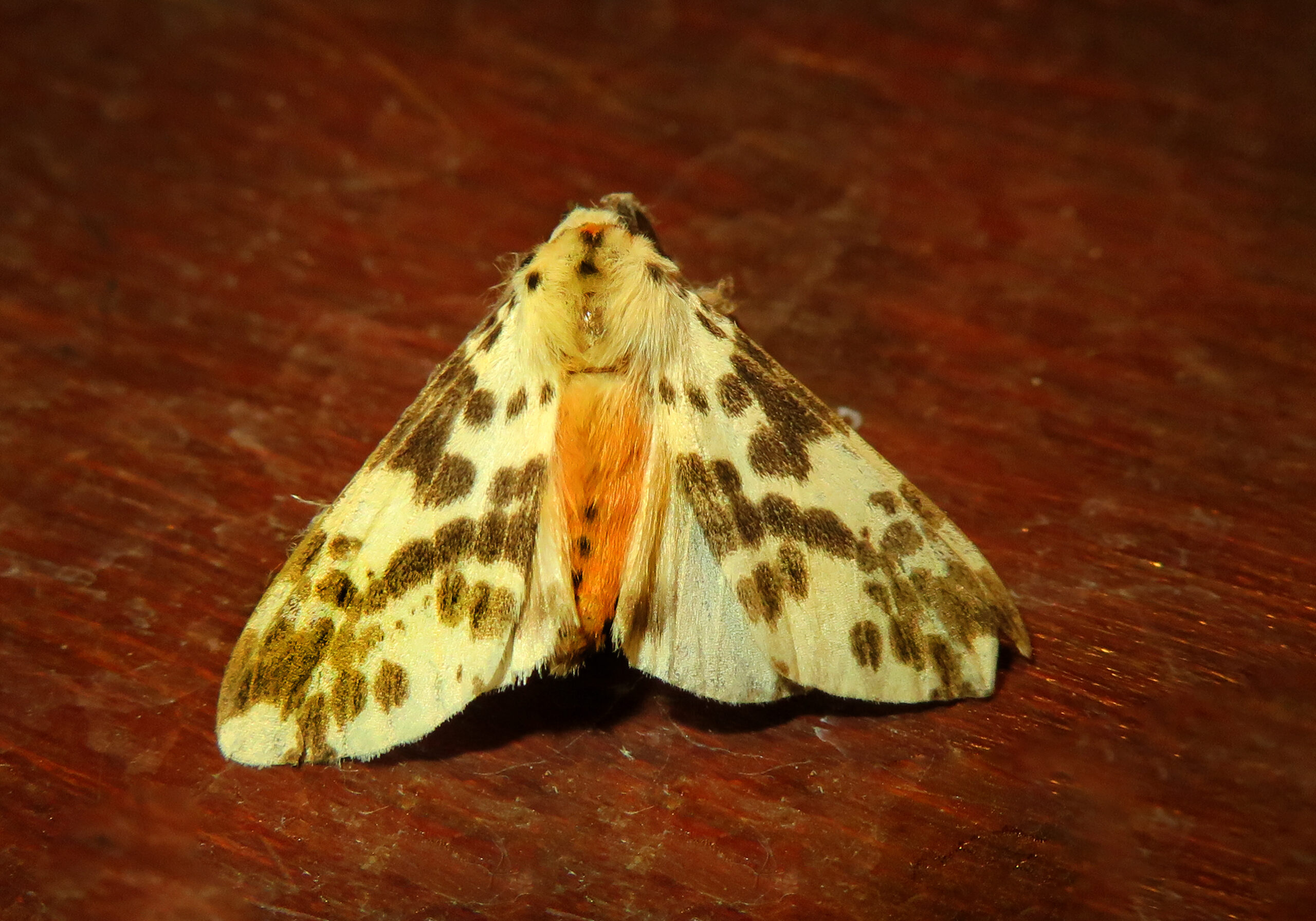
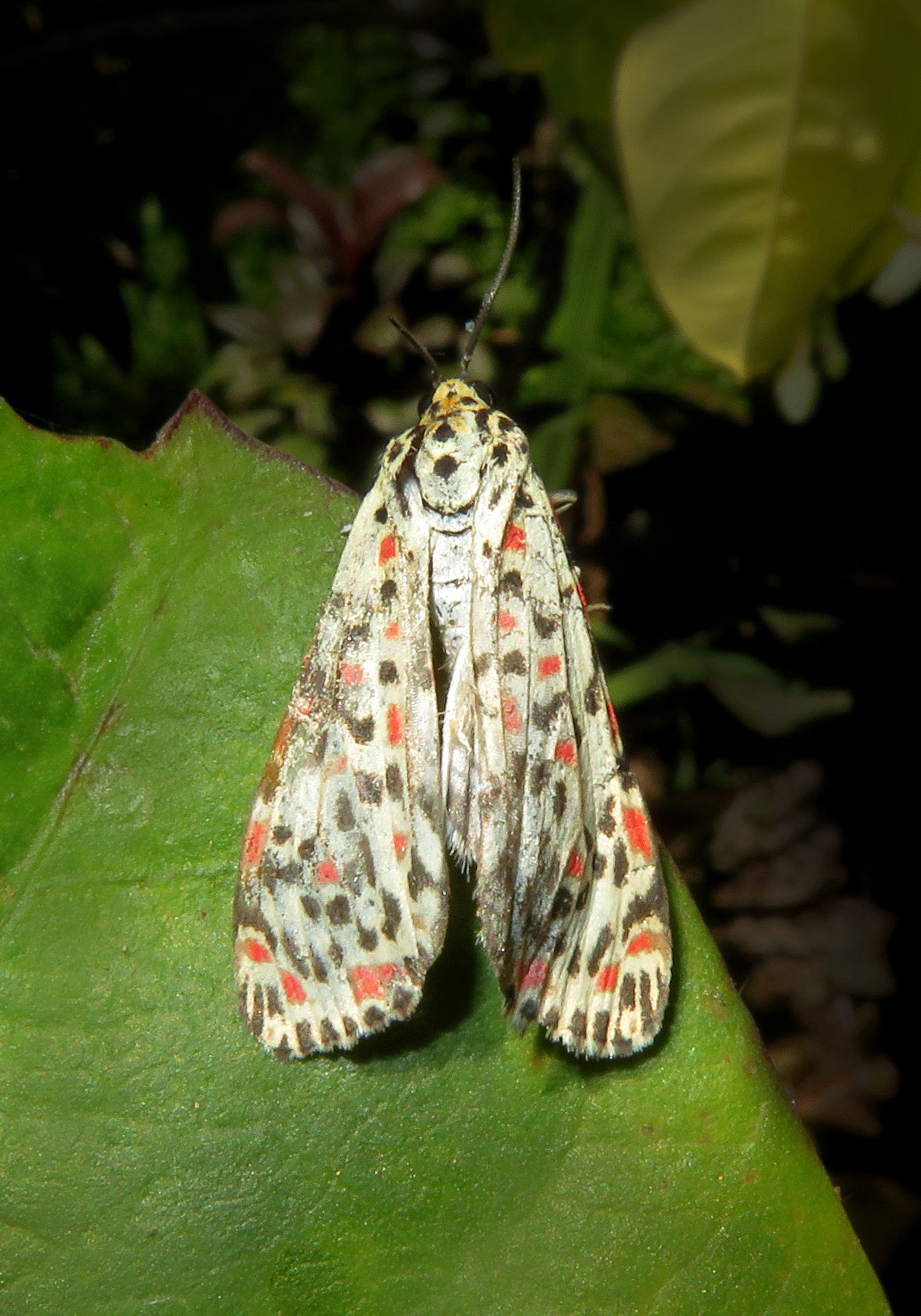
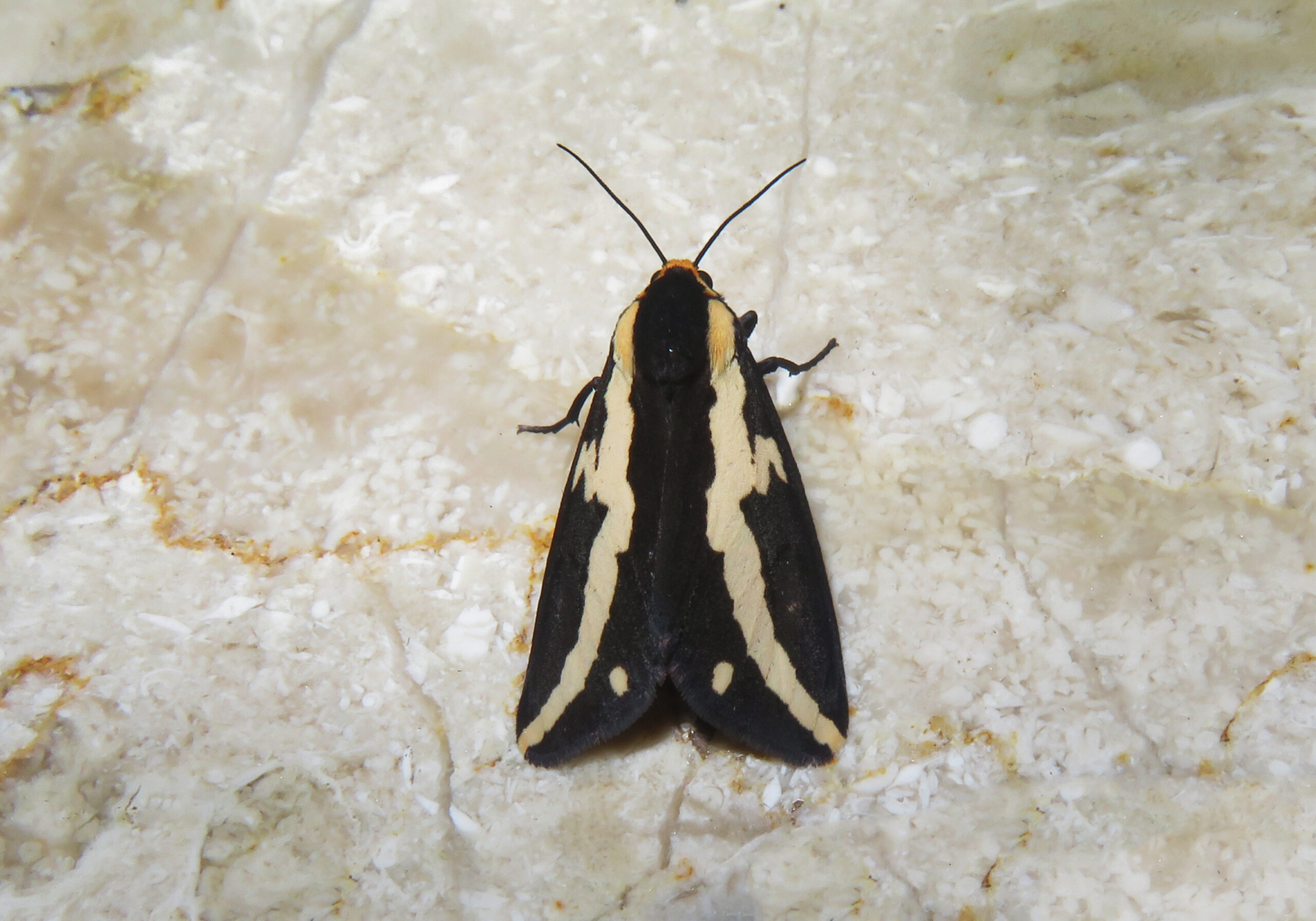
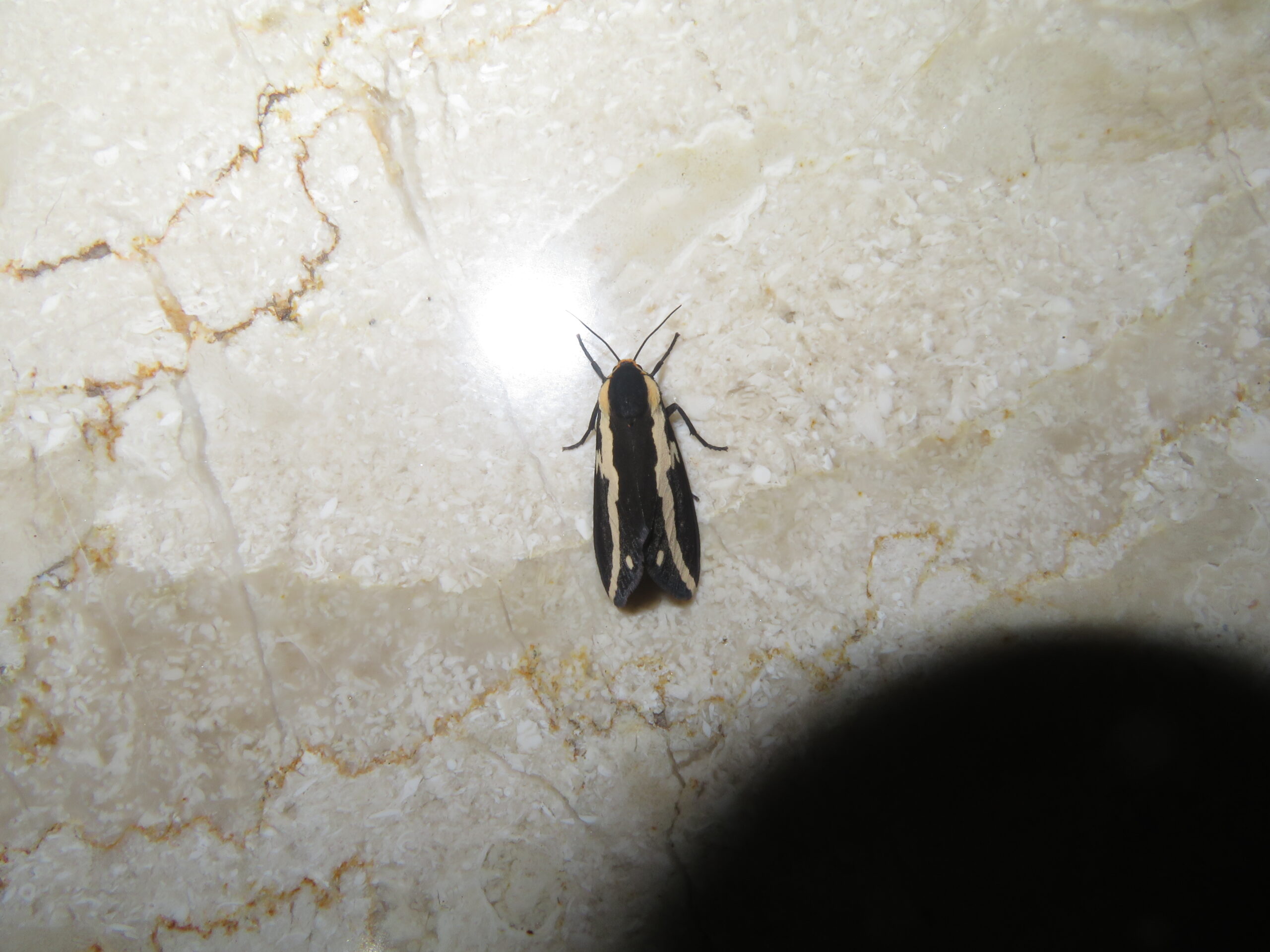
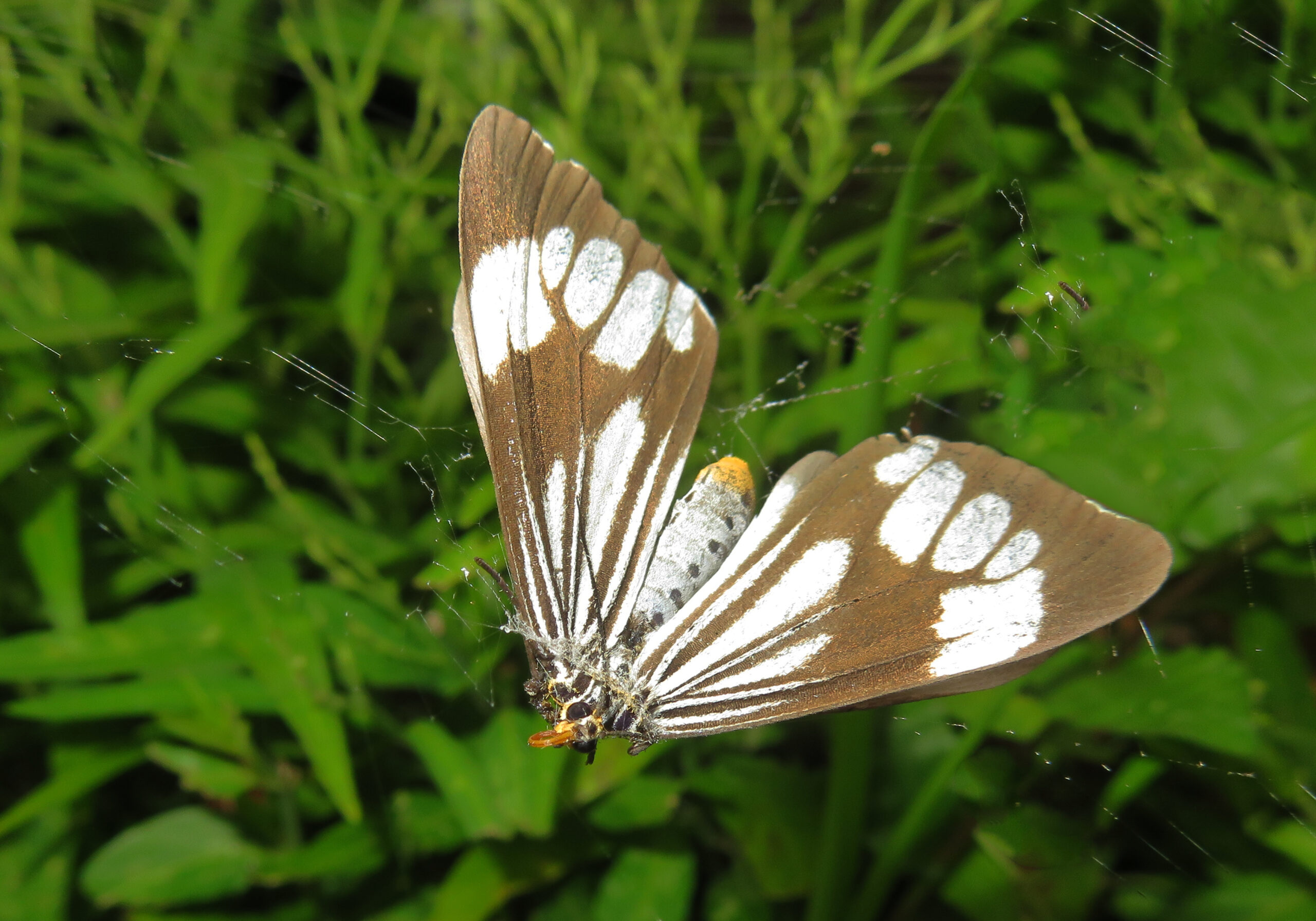
Moths of the tribe Arctiini are generally small to medium-sized, although some tropical species are relatively large. Adults possess a moderately robust body covered with dense scales and hairs, and broad wings that often display vivid colors and bold patterns. Wing coloration ranges from white, yellow, orange, and red to black, brown, metallic blue, or green, frequently arranged in contrasting stripes, spots, or bands. Many species exhibit aposematic (warning) coloration, advertising their chemical defenses, while others mimic bees, wasps, or toxic insects to reduce predation.
Adults are predominantly nocturnal, though several species are active during the day or at twilight. Most possess a well-developed coiled proboscis and feed on nectar, tree sap, fermenting fruits, or other sugar-rich liquids. Many members of the tribe have well-developed tympanal organs that detect the ultrasonic echolocation calls of bats, allowing them to evade predators. Some species can also produce ultrasonic clicks that function as warning signals or interfere with bat echolocation.
The life cycle involves complete metamorphosis, consisting of egg, larva (caterpillar), pupa, and adult stages. Caterpillars, commonly known as woolly bears, are typically covered with dense hairs or bristles that provide protection against predators. Larvae feed on a wide variety of flowering plants, shrubs, trees, lichens, mosses, and algae, depending on the species. Many are capable of sequestering toxic compounds from their host plants, which are retained into adulthood as a chemical defense. Pupation usually occurs within a silken cocoon that often incorporates the caterpillar’s hairs.
The tribe includes numerous well-known genera, such as Arctia, Utetheisa, Creatonotos, Spilosoma, Lemyra, Hypercompe, Diacrisia, and Apantesis. These genera encompass species renowned for their striking coloration, complex defensive strategies, and ecological diversity.
Ecologically, Arctiini moths play important roles as herbivores during the larval stage and as pollinators while feeding on nectar as adults. They also form an essential component of terrestrial food webs, serving as prey for birds, bats, reptiles, spiders, predatory insects, and parasitoids. Their sensitivity to habitat quality, host plant availability, and environmental disturbance makes tiger moths valuable indicators of ecosystem health, habitat integrity, and biodiversity.