

Subfamily Trypetinae
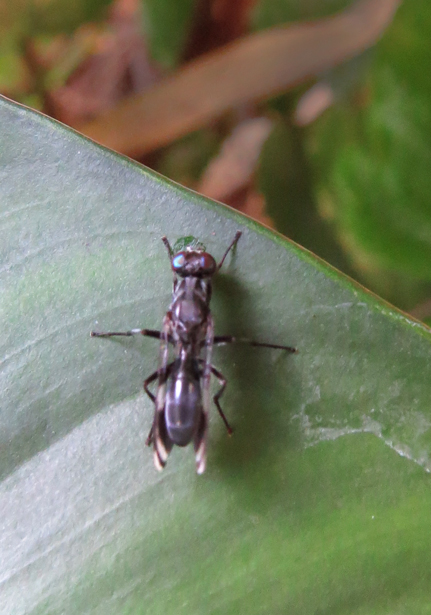
Trypetinae is a subfamily within the family Tephritidae (Superfamily Tephritoidea, Order Diptera), comprising a diverse group of true fruit flies. Members of this subfamily are distributed worldwide and are especially abundant in tropical and subtropical regions, where they are commonly associated with a wide variety of host plants.
Flies of the subfamily Trypetinae are generally small to medium-sized and are often recognized by their patterned wings, which may display bands, spots, or intricate markings. These patterns are frequently used in visual signaling during courtship and territorial behavior. The body is typically compact, with large compound eyes and short antennae bearing an arista.
The life cycle involves complete metamorphosis. Larvae are primarily phytophagous and usually develop within plant tissues such as fruits, stems, flower heads, or seeds. Some species induce the formation of galls, while others feed internally within fruits or other plant parts, often protected from external predators.
Females possess a well-developed ovipositor used to deposit eggs into plant tissues. After hatching, larvae feed within the host plant and later pupate, typically in the soil or within plant material.
The subfamily includes numerous genera, such as Trypeta, Rhagoletis, and related forms. Some species are of economic importance, particularly those that infest fruits and crops, while others are associated with wild plants.
Ecologically, Trypetinae plays an important role in plant–insect interactions, influencing plant population dynamics and serving as prey for predators and parasitoids. While some species are agricultural pests, others contribute to ecological balance and biodiversity. Their diversity and specialized relationships with host plants make them a significant group within Diptera.