Bali Wildlife
Every Spices Matter


Orgyiini is a tribe within the subfamily Lymantriinae (Family Erebidae, Superfamily Noctuoidea, Order Lepidoptera), comprising a diverse group of tussock moths widely distributed throughout Africa, Asia, Europe, Australia, and the Americas. Members of this tribe inhabit forests, woodlands, shrublands, grasslands, agricultural areas, and urban gardens, where their larval host plants are available.
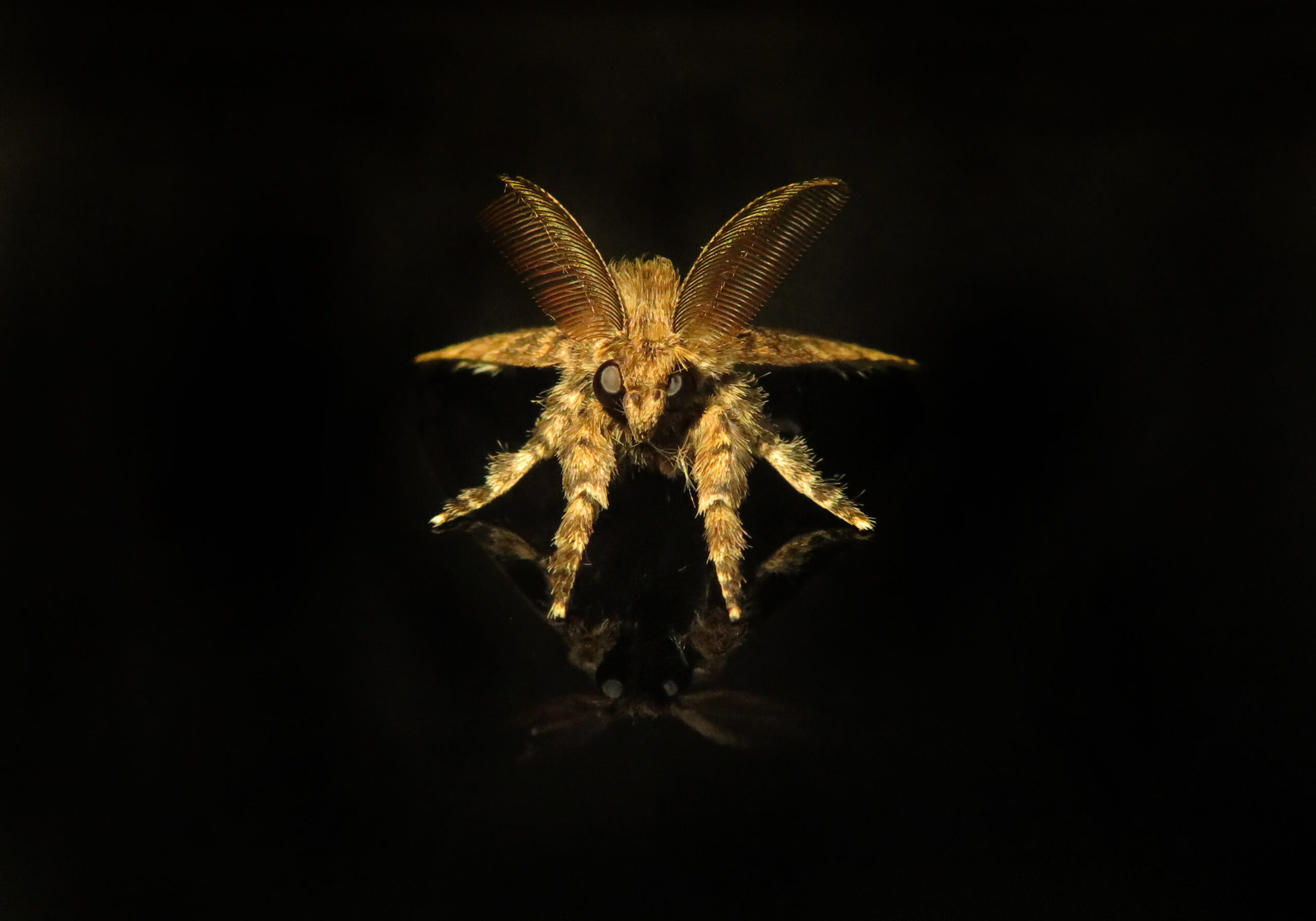
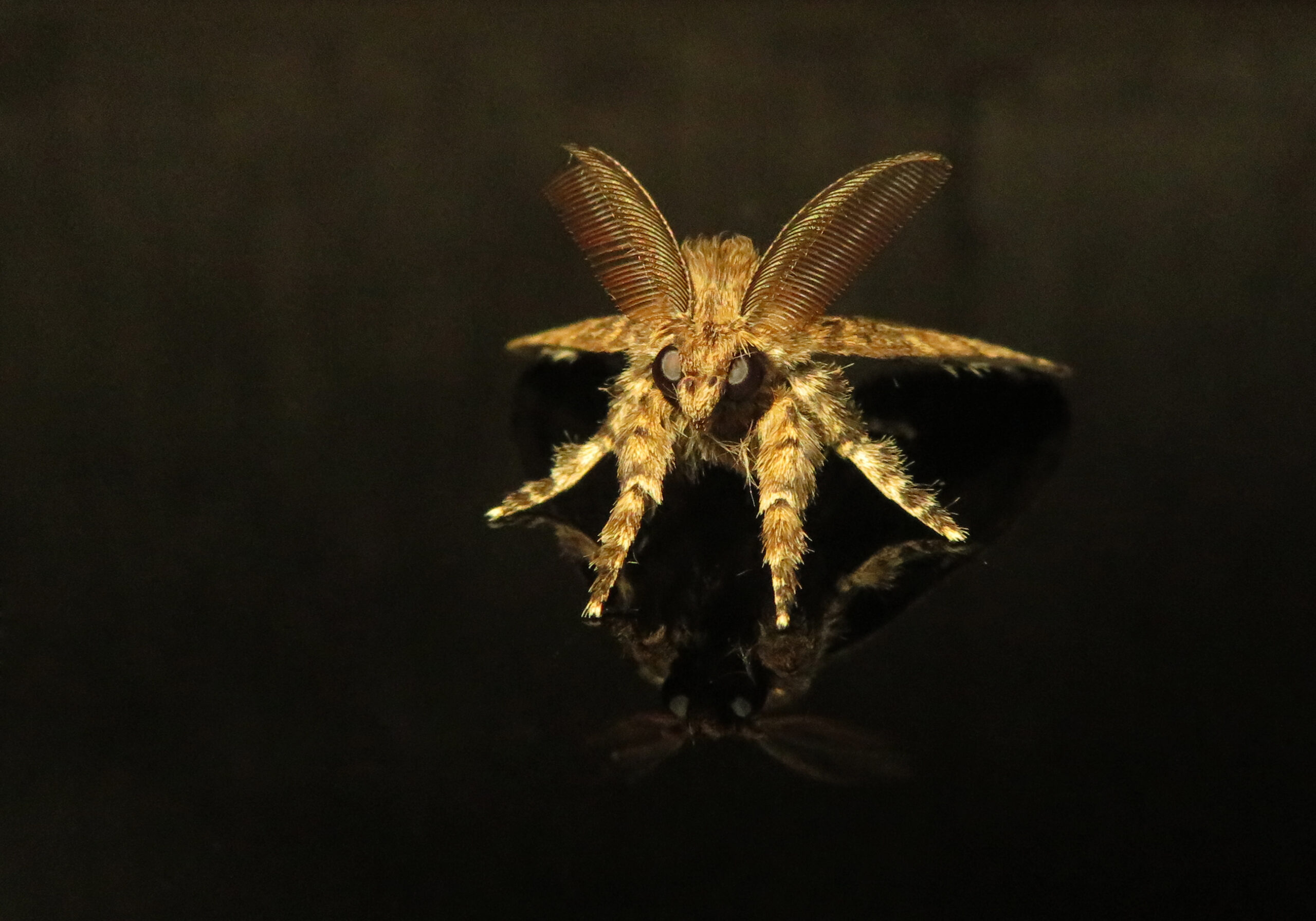
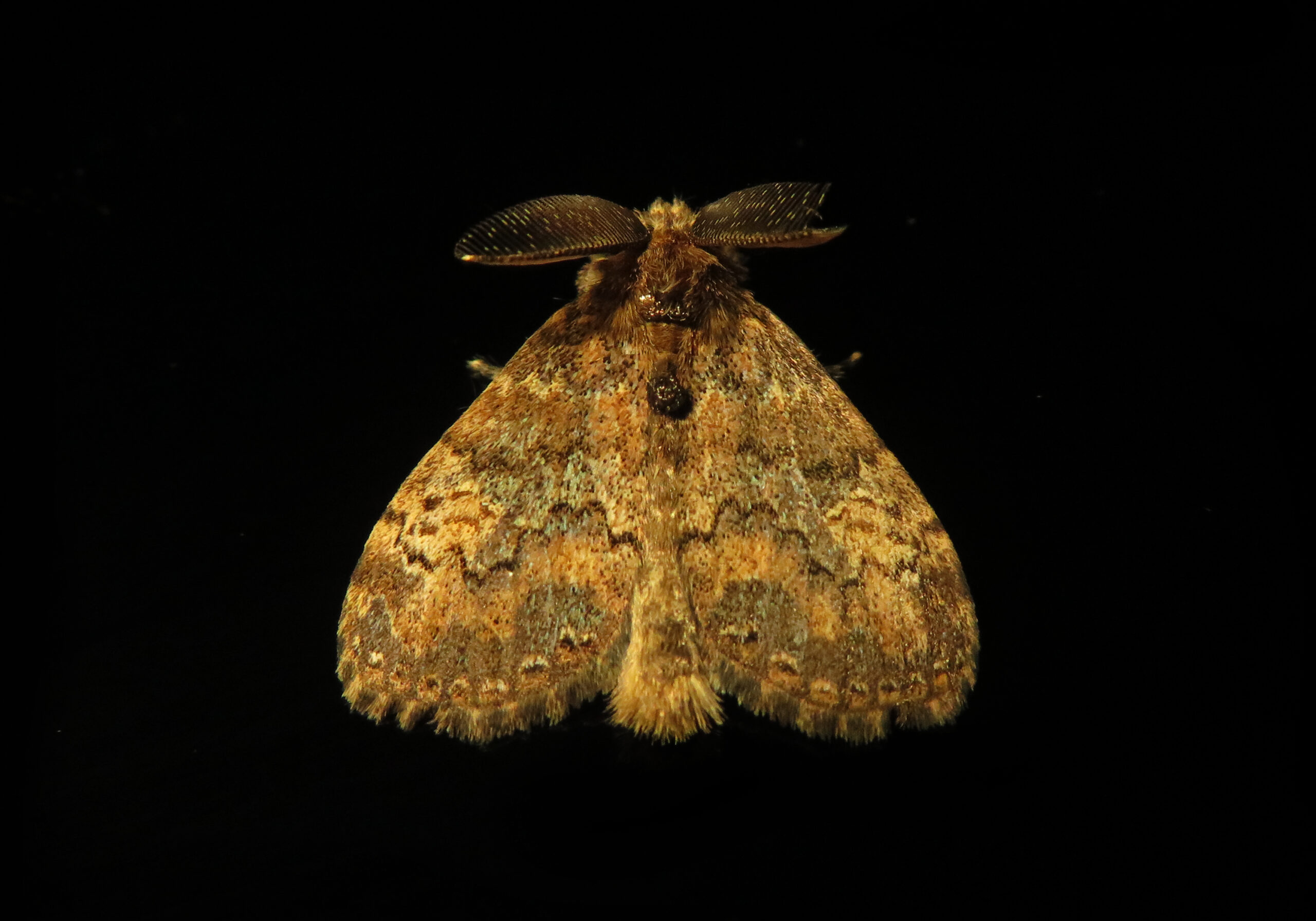
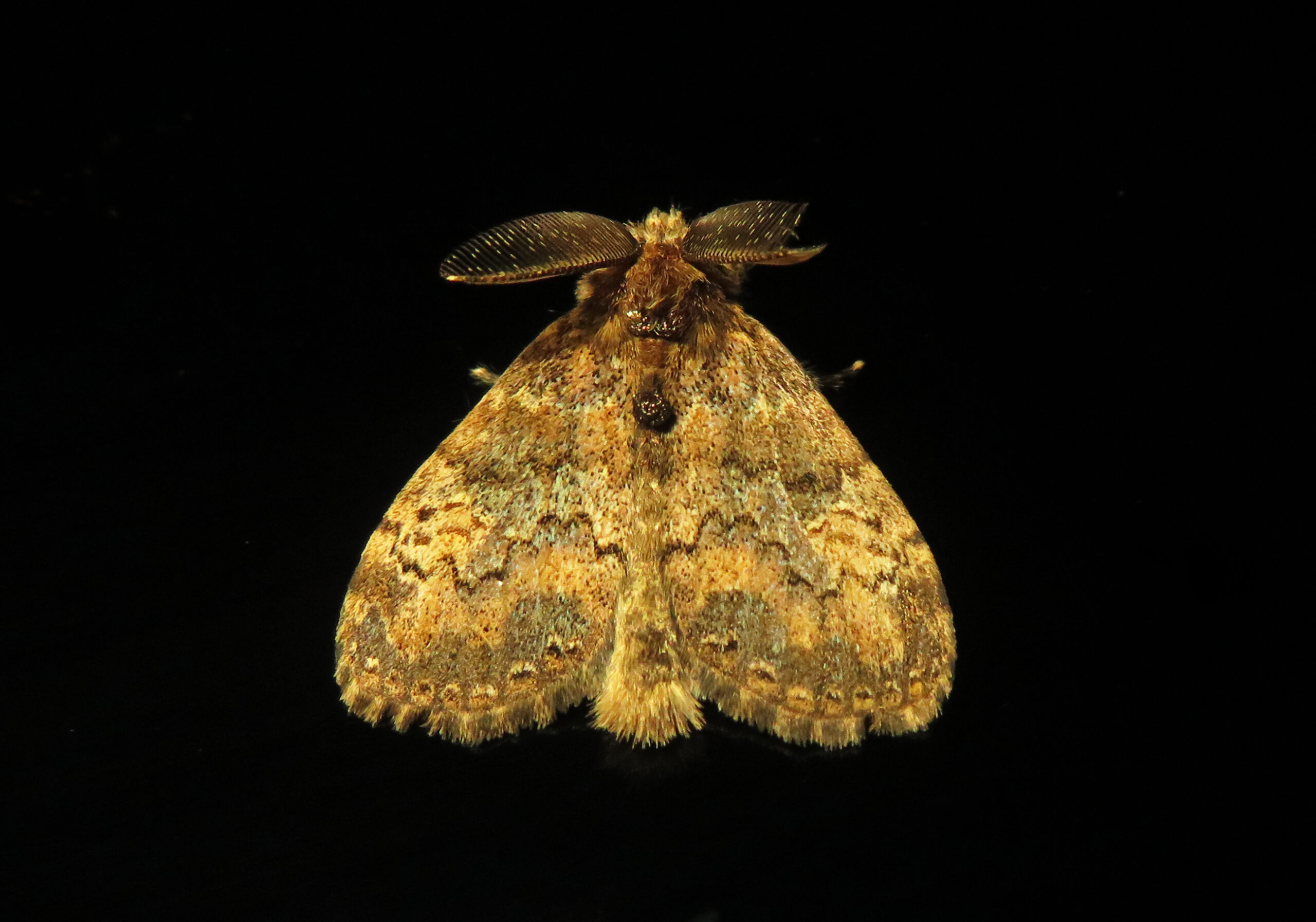
Moths of the tribe Orgyiini are generally small to medium-sized and often exhibit sexual dimorphism. Males are usually winged and active fliers with well-developed, feathery antennae used to detect female pheromones. Females in some species are wingless or have reduced wings and remain near their cocoon after emergence.
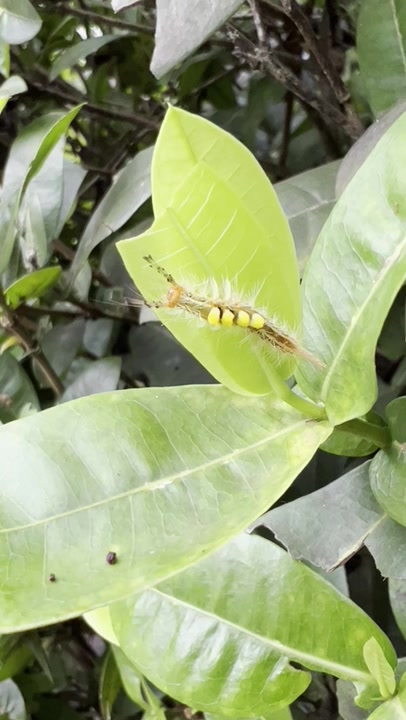
The larvae are the most distinctive stage of the life cycle. Caterpillars are densely covered with hairs and often possess conspicuous tufts or “tussocks” of setae on the back, along with long hair pencils extending from the front or rear of the body. These structures serve as protection against predators and may also function in warning displays. In some species, the hairs can cause irritation when touched.
The life cycle involves complete metamorphosis, consisting of egg, larva, pupa, and adult stages. Eggs are often laid on or near the female’s cocoon. Caterpillars feed on a wide variety of host plants, including trees, shrubs, and herbaceous vegetation. Some species are highly polyphagous and capable of feeding on numerous plant families.
The tribe includes genera such as Orgyia, Dasychira, and related forms, many of which are well known for their distinctive caterpillars and occasional importance as forest or agricultural pests.
Ecologically, Orgyiini caterpillars play an important role as herbivores within terrestrial ecosystems and serve as food for birds, predatory insects, spiders, and parasitoids. While certain species can become locally abundant and cause defoliation of vegetation, they also contribute to nutrient cycling and food web dynamics. Their striking larvae and diverse ecological interactions make them one of the most recognizable groups within the tussock moths.