Bali Wildlife
Every Spices Matter


Ophiderini is a tribe of erebid moths within the subfamily Calpinae (Family Erebidae, Superfamily Noctuoidea, Order Lepidoptera). Members of this tribe are distributed mainly throughout tropical and subtropical regions of Asia, Africa, Australia, and the Indo-Pacific, with a few species extending into temperate areas. They inhabit forests, woodland edges, orchards, plantations, agricultural fields, and gardens, where both larval host plants and adult food sources are abundant.
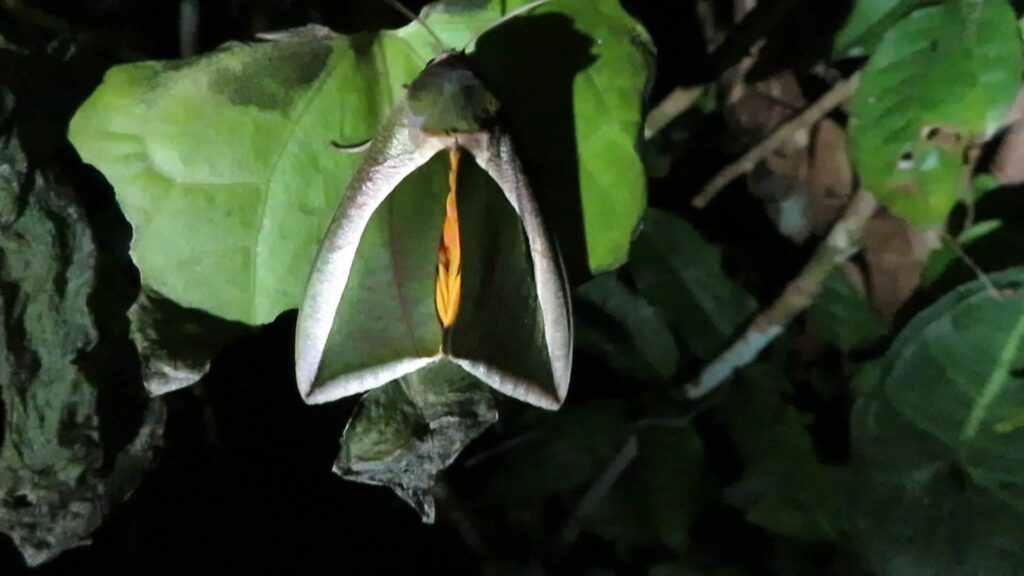
Moths of the tribe Ophiderini are generally medium to large in size and possess a robust body with broad forewings that display cryptic shades of brown, gray, olive, or reddish-brown. Their intricate wing patterns closely resemble bark, dead leaves, or lichens, providing excellent camouflage while resting during the day. In many species, the hindwings are brightly colored with orange, yellow, or black markings that become visible during flight.
Adults are predominantly nocturnal and have well-developed compound eyes and a functional proboscis. Many species feed on nectar, tree sap, or fermenting fruit, while several are well known as fruit-piercing moths. In these species, the proboscis is heavily reinforced with hardened spines, enabling the moth to pierce the skin of ripe fruits and feed on their juices. Some species are recognized as economically important pests of commercial fruit crops.
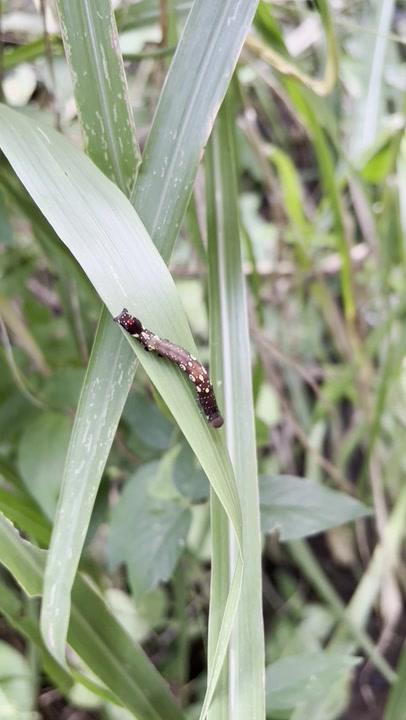
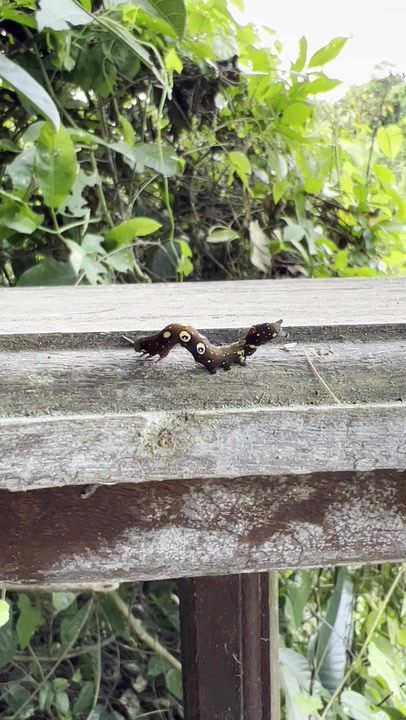
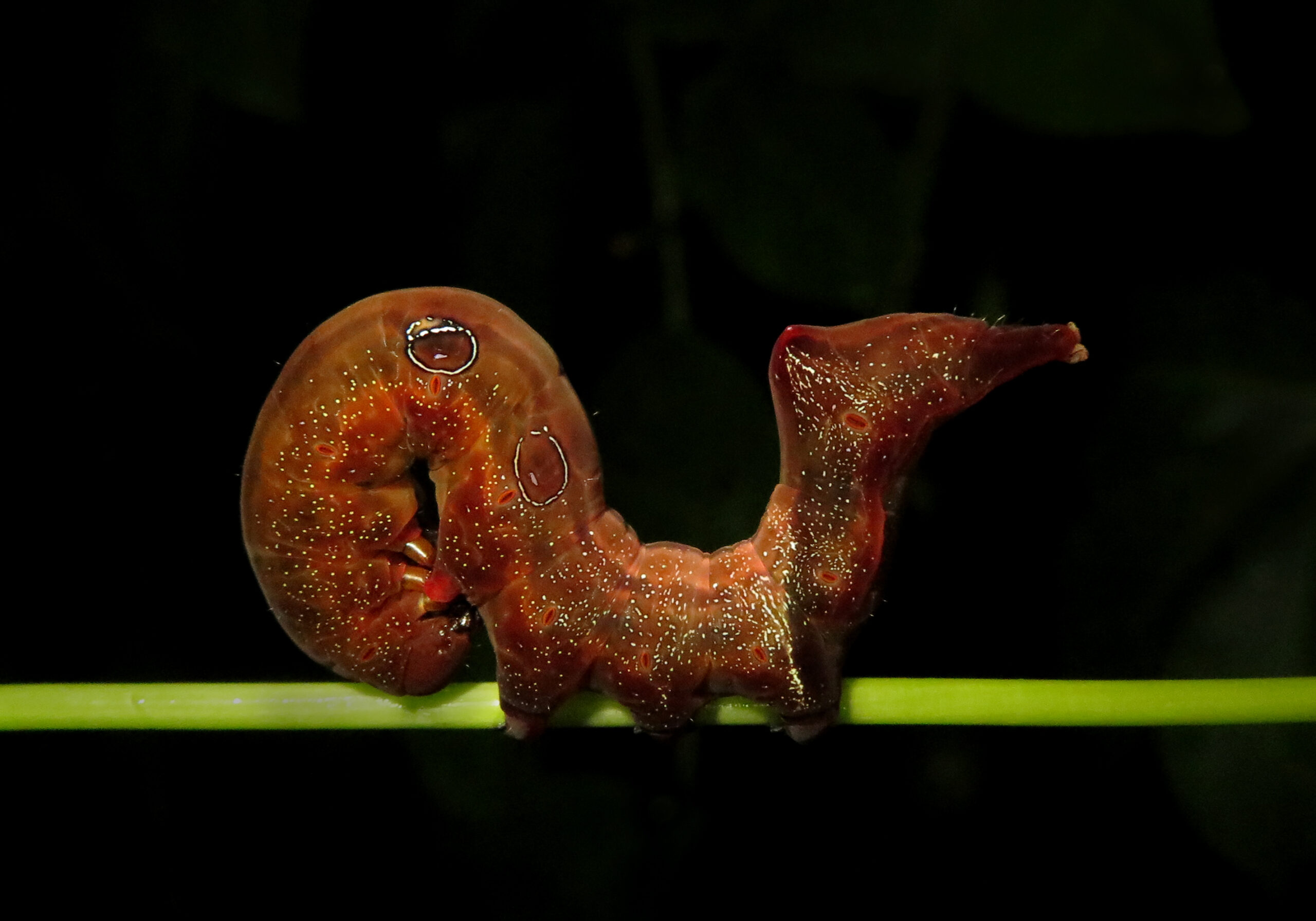
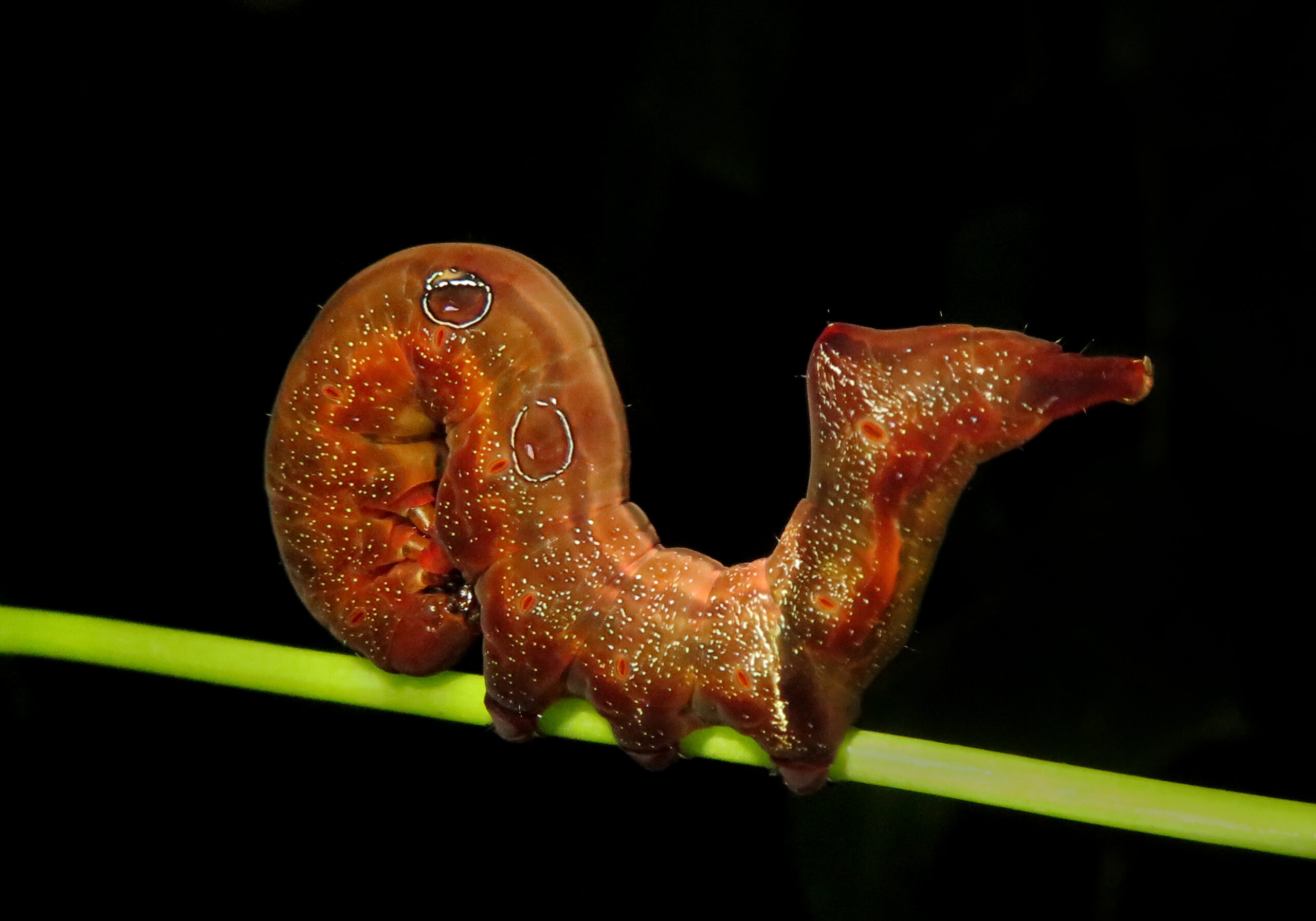
The life cycle involves complete metamorphosis, consisting of egg, larva (caterpillar), pupa, and adult stages. Caterpillars are smooth-bodied and feed primarily on the leaves of climbing vines and woody plants, particularly members of the families Menispermaceae and Fabaceae, although host plant preferences vary among species. Pupation usually occurs within a loose silken cocoon among leaf litter or attached to vegetation.
The tribe includes notable genera such as Eudocima, Othreis, and related taxa, several of which are among the best-known fruit-piercing moths in tropical regions.
Ecologically, Ophiderini moths function as herbivores during their larval stage and as consumers of nectar, sap, and fruit juices as adults. They serve as prey for bats, birds, reptiles, spiders, and predatory insects, contributing to terrestrial food webs. Although certain species can cause significant damage to cultivated fruits, they remain important components of tropical ecosystems, participating in plant–insect interactions and supporting regional biodiversity.