Bali Wildlife
Every Spices Matter


Hermetiinae is a subfamily within the family Stratiomyidae (Superfamily Stratiomyomorpha, Order Diptera), comprising a group of soldier flies that are widely distributed in tropical and subtropical regions, with some species extending into temperate areas. Members of this subfamily are commonly associated with environments rich in organic matter, such as compost, manure, decaying vegetation, and other nutrient-rich substrates.
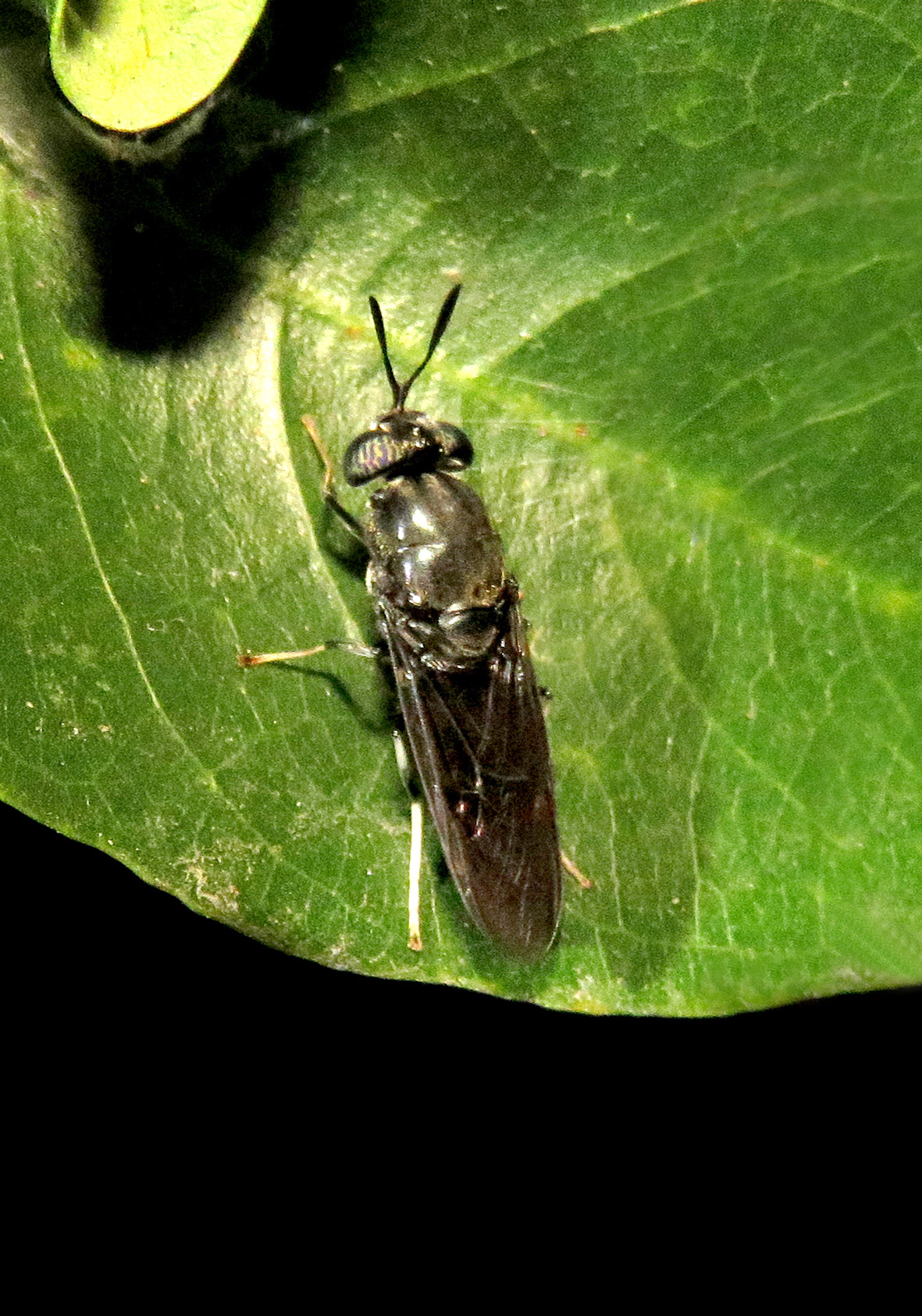
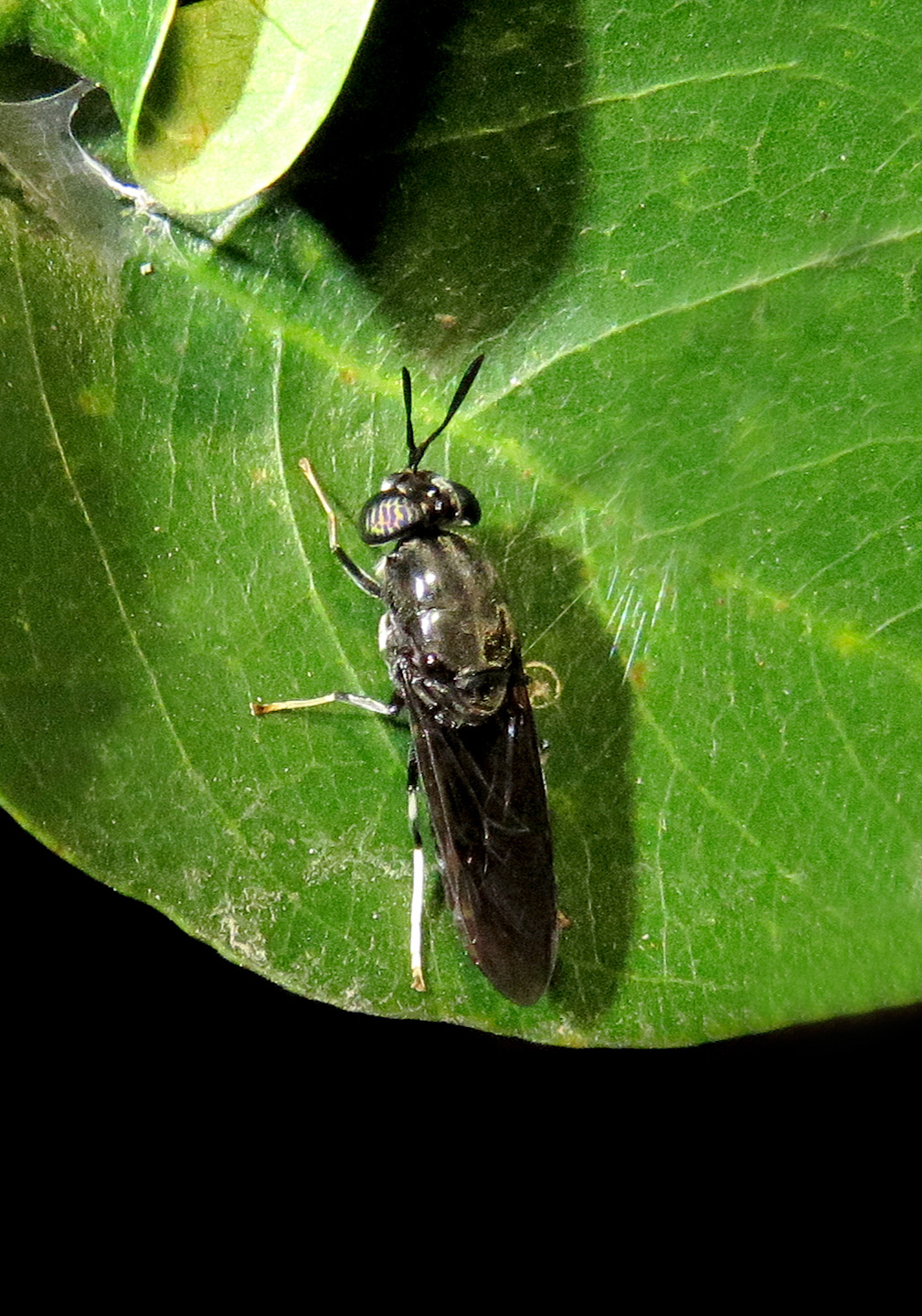
Flies of the subfamily Hermetiinae are generally medium-sized and often have a slender, elongated body. Many species are dark-colored, frequently black or metallic, sometimes with pale or translucent markings. The head is relatively small with well-developed compound eyes, and the antennae are short, typical of soldier flies. Wings are usually clear and are held flat over the abdomen at rest.
The life cycle involves complete metamorphosis. Larvae of Hermetiinae are typically found in decaying organic material such as manure, compost, and rotting plant matter. They are highly efficient detritivores, feeding on decomposing organic matter and microorganisms. Their ability to process large amounts of waste makes them ecologically and economically important.
Adults are generally short-lived and often feed little or not at all. When they do feed, it is usually on nectar or other liquid sources. Their primary role is reproduction rather than feeding.
The subfamily includes genera such as Hermetia, with Hermetia illucens (the black soldier fly) being one of the most well-known and widely studied species due to its use in waste management and sustainable animal feed production.
Ecologically, Hermetiinae plays a crucial role in decomposition and nutrient recycling, particularly in organic-rich environments. Their larvae help break down waste and convert it into biomass, contributing to soil health and sustainability. They are also increasingly important in biotechnology and agriculture for their role in recycling organic waste and producing protein-rich feed.