Bali Wildlife
Every Spices Matter


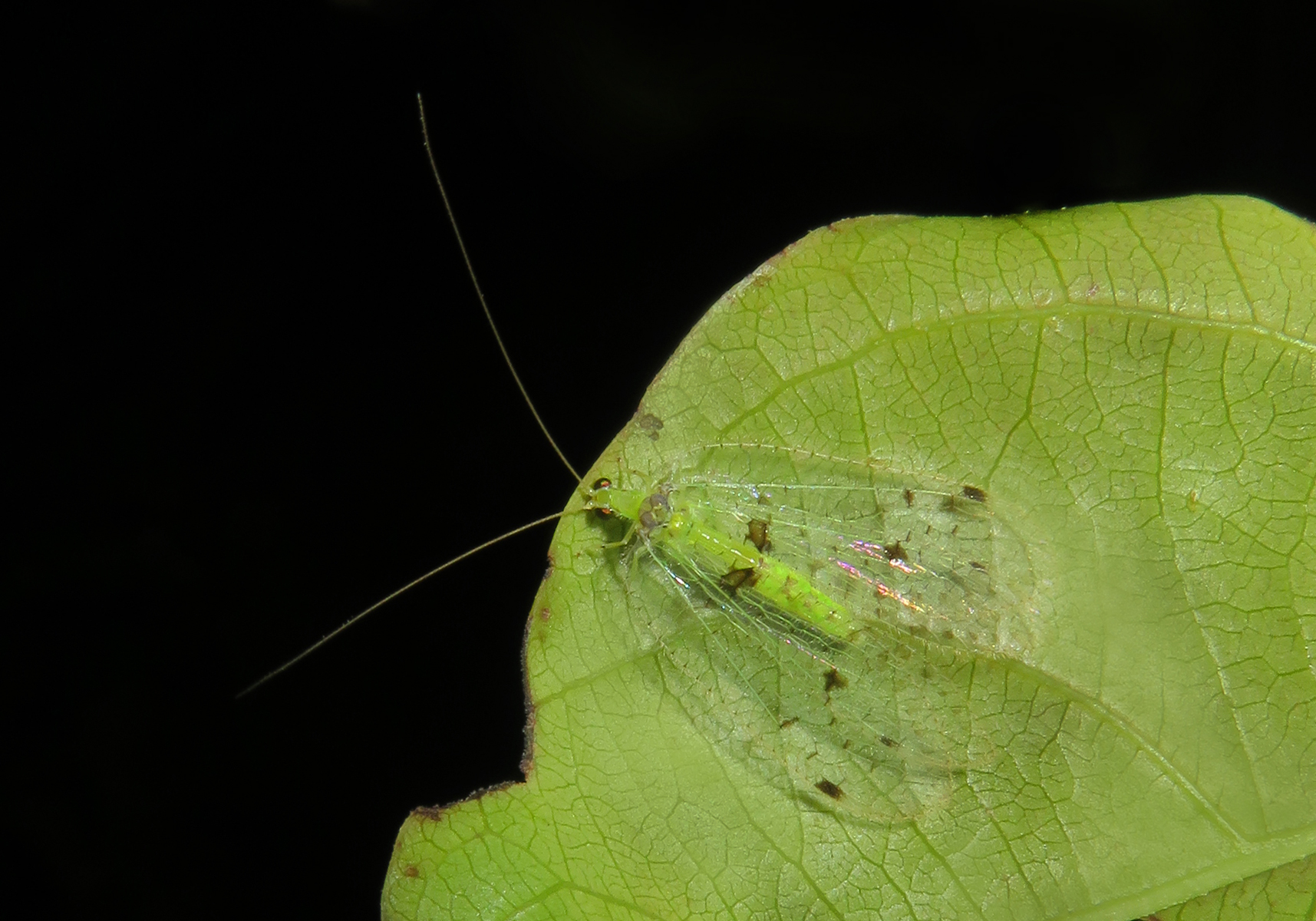
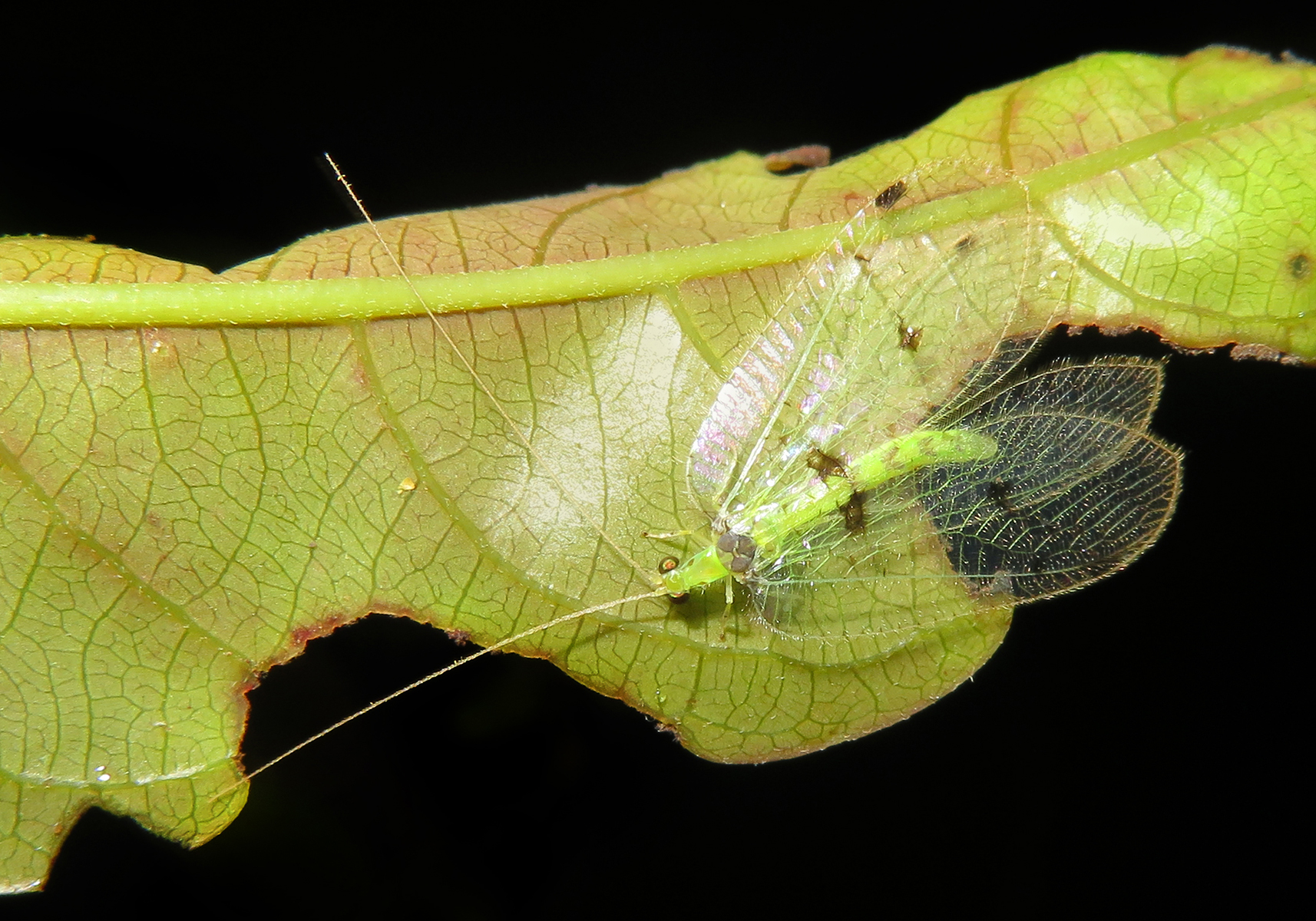
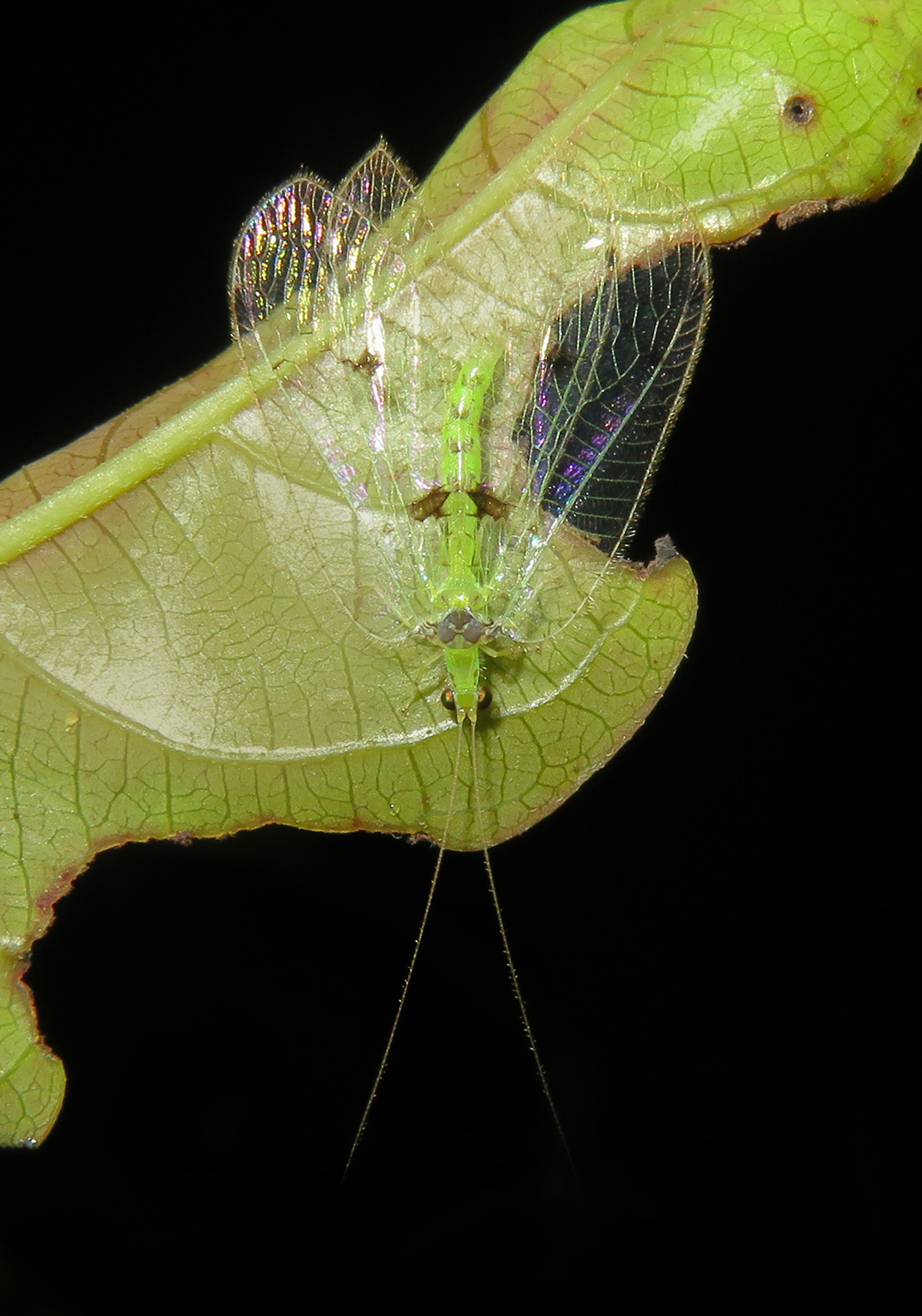
Hemerobiiformia is a suborder within the order Neuroptera, comprising a diverse assemblage of lacewings and their relatives. Members of this suborder are widely distributed across the world and are especially abundant in terrestrial habitats such as forests, grasslands, agricultural fields, and gardens. Many species are associated with vegetation where prey is plentiful.
Insects of Hemerobiiformia are typically small to medium-sized and are characterized by delicate bodies and two pairs of membranous wings with a network of veins. The wings are usually similar in shape and are held roof-like over the body when at rest. Antennae are generally long and filiform, and the mouthparts are adapted for chewing.
The life cycle of Hemerobiiformia involves complete metamorphosis, with egg, larval, pupal, and adult stages. Larvae are usually elongated and predatory, equipped with sickle-shaped mandibles used to pierce prey and suck out body fluids. Many larvae are highly active hunters on plant surfaces.
Feeding habits are predominantly predatory, especially in the larval stage. Many species feed on soft-bodied insects such as aphids, scale insects, whiteflies, and mites, making them important natural enemies of agricultural pests. Adults may also be predatory or may feed on nectar, pollen, or honeydew.
The suborder Hemerobiiformia includes several families, such as Chrysopidae (green lacewings), Hemerobiidae (brown lacewings), Mantispidae (mantidflies), Coniopterygidae (dustywings), and others. These families exhibit a wide range of morphological and behavioral adaptations, including specialized predatory strategies.
Ecologically, Hemerobiiformia plays a significant role in controlling populations of pest insects and maintaining ecological balance in terrestrial ecosystems. Their predatory larvae, in particular, are highly valued in biological control programs and contribute to sustainable agriculture and natural ecosystem health.