Bali Wildlife
Every Spices Matter


Chrysopidae, commonly known as green lacewings, is a prominent family within the suborder Hemerobiiformia (Order Neuroptera). Members of this family are widely distributed across the globe and are especially abundant in vegetation-rich habitats such as forests, grasslands, agricultural fields, orchards, and gardens.
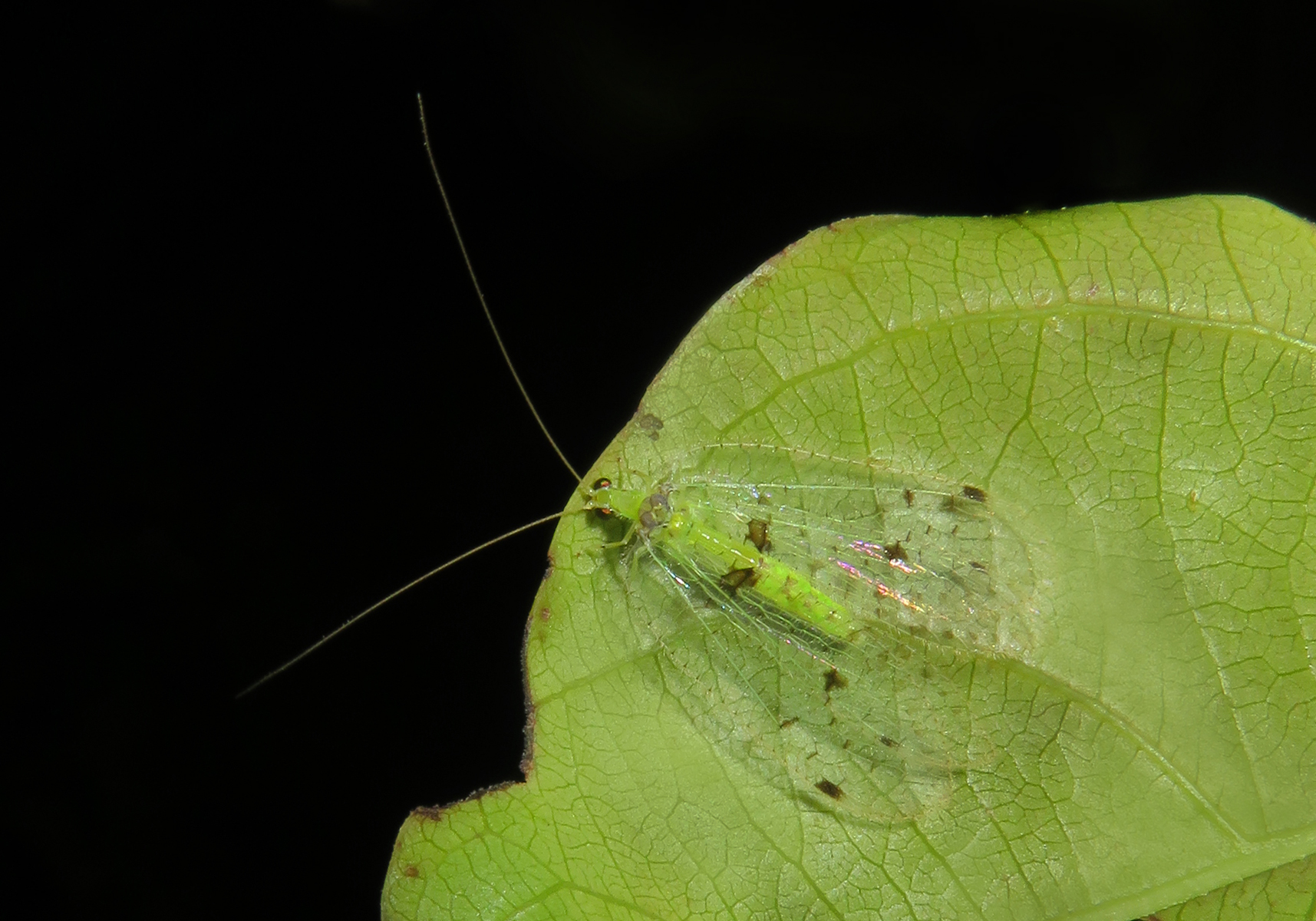
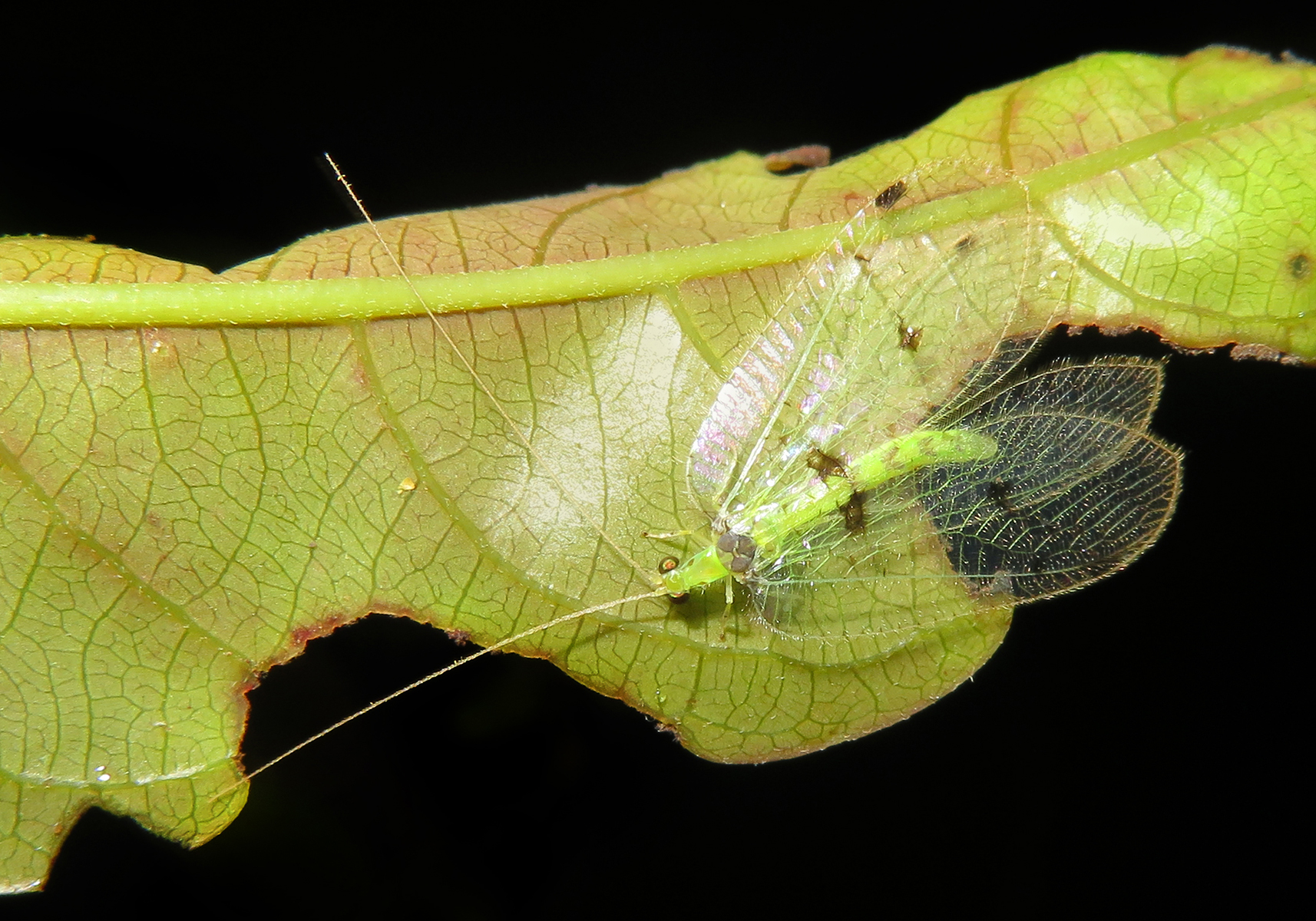
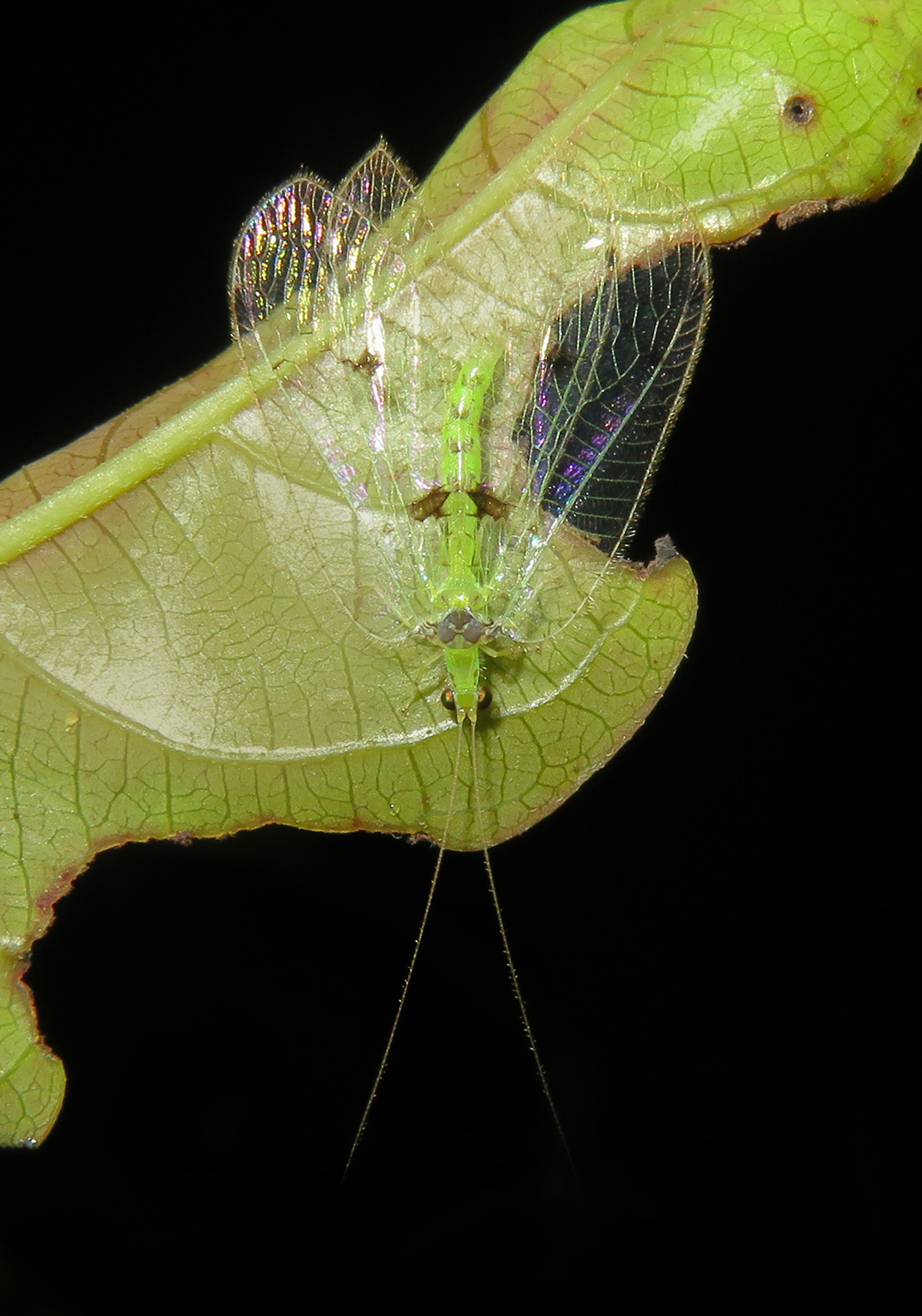
Adult Chrysopidae are typically small to medium-sized insects characterized by their delicate, bright green bodies, long filiform antennae, and large, golden or copper-colored compound eyes. Their two pairs of membranous wings are transparent and intricately veined, giving them a lace-like appearance. Wings are usually held roof-like over the body when at rest.
The life cycle of Chrysopidae involves complete metamorphosis. Eggs are often laid on slender stalks attached to plant surfaces, a strategy that helps reduce cannibalism among larvae. Larvae, commonly called “aphid lions,” are elongated and equipped with sickle-shaped mandibles used to grasp prey and extract body fluids. They are highly active predators and are the most ecologically important stage of the life cycle.
Feeding habits vary between life stages. Larvae are voracious predators of soft-bodied insects such as aphids, whiteflies, scale insects, and mites. Adults may also be predatory, but many species primarily feed on nectar, pollen, and honeydew. This dietary flexibility allows them to survive in a wide range of environments.
Chrysopidae includes numerous genera, such as Chrysoperla, Chrysopa, and Mallada. Many species are used in biological control programs due to their effectiveness in reducing pest populations.
Ecologically, Chrysopidae play a crucial role as natural enemies of agricultural pests, making them highly beneficial in both natural ecosystems and managed agricultural systems. Their widespread distribution, predatory larvae, and adaptability contribute significantly to ecological balance and sustainable pest management.