Bali Wildlife
Every Spices Matter


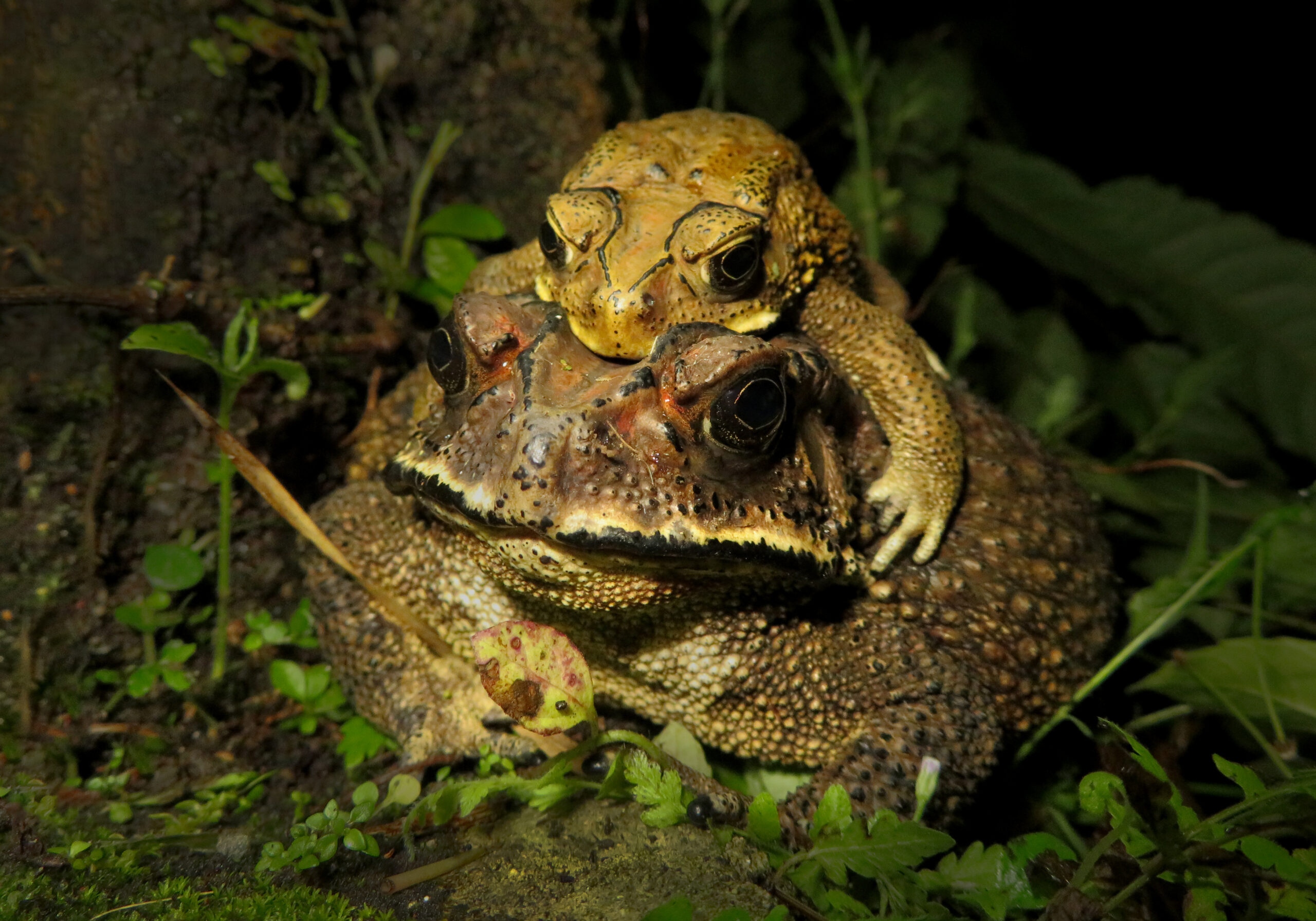
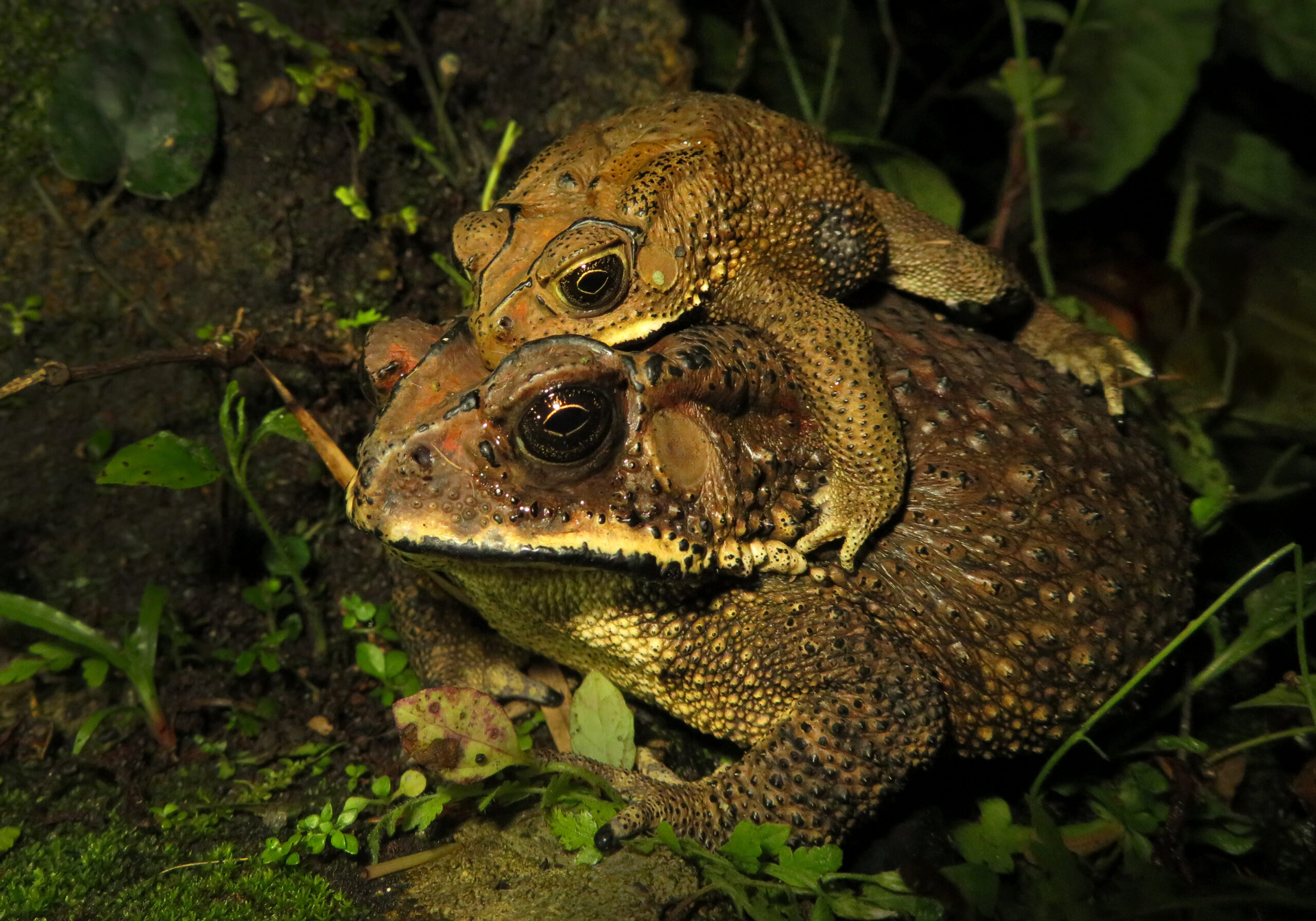
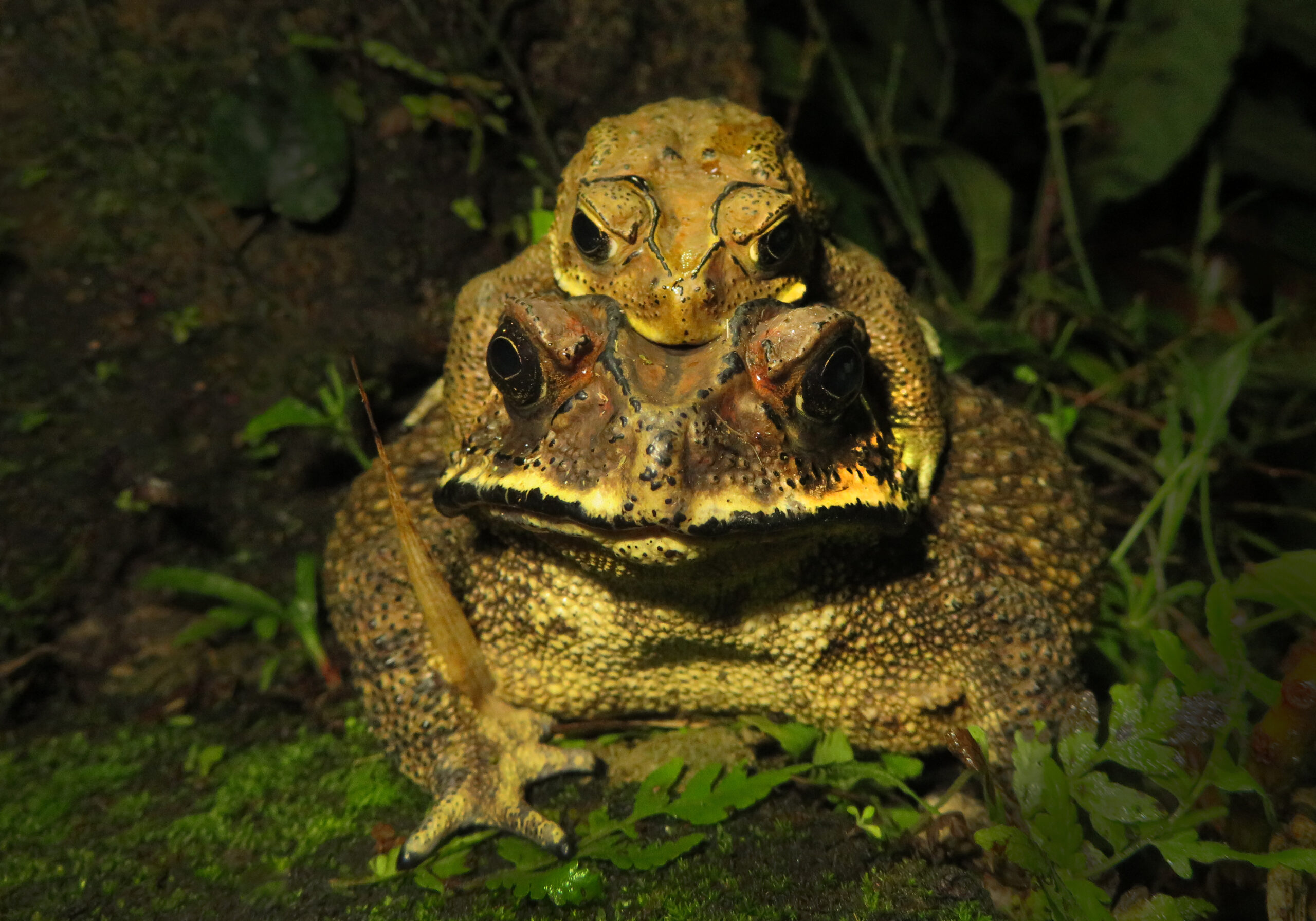
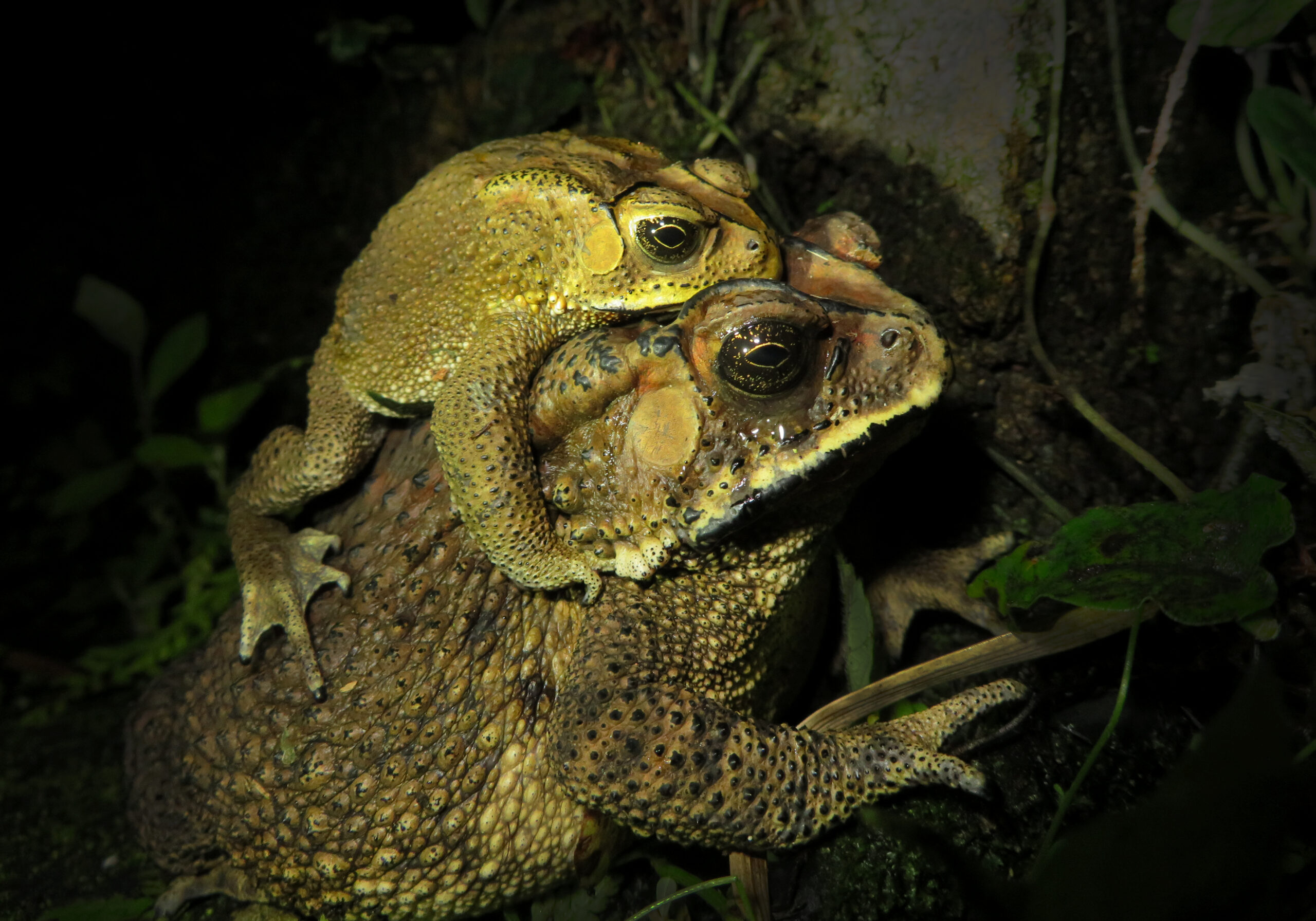
Duttaphrynus melanostictus is a species of true toad belonging to the genus Duttaphrynus (Family Bufonidae, Order Anura, Class Amphibia). Commonly known as the Asian Common Toad or Black-spined Toad, it is one of the most widespread and adaptable amphibians in Asia. Its native range extends across South and Southeast Asia, including India, Sri Lanka, Nepal, Bangladesh, Bhutan, Myanmar, Thailand, Laos, Cambodia, Vietnam, southern China, Malaysia, Singapore, and Indonesia. The species has also been introduced to several islands and other regions outside its native range. It inhabits forests, grasslands, wetlands, agricultural fields, plantations, parks, gardens, villages, and urban environments.
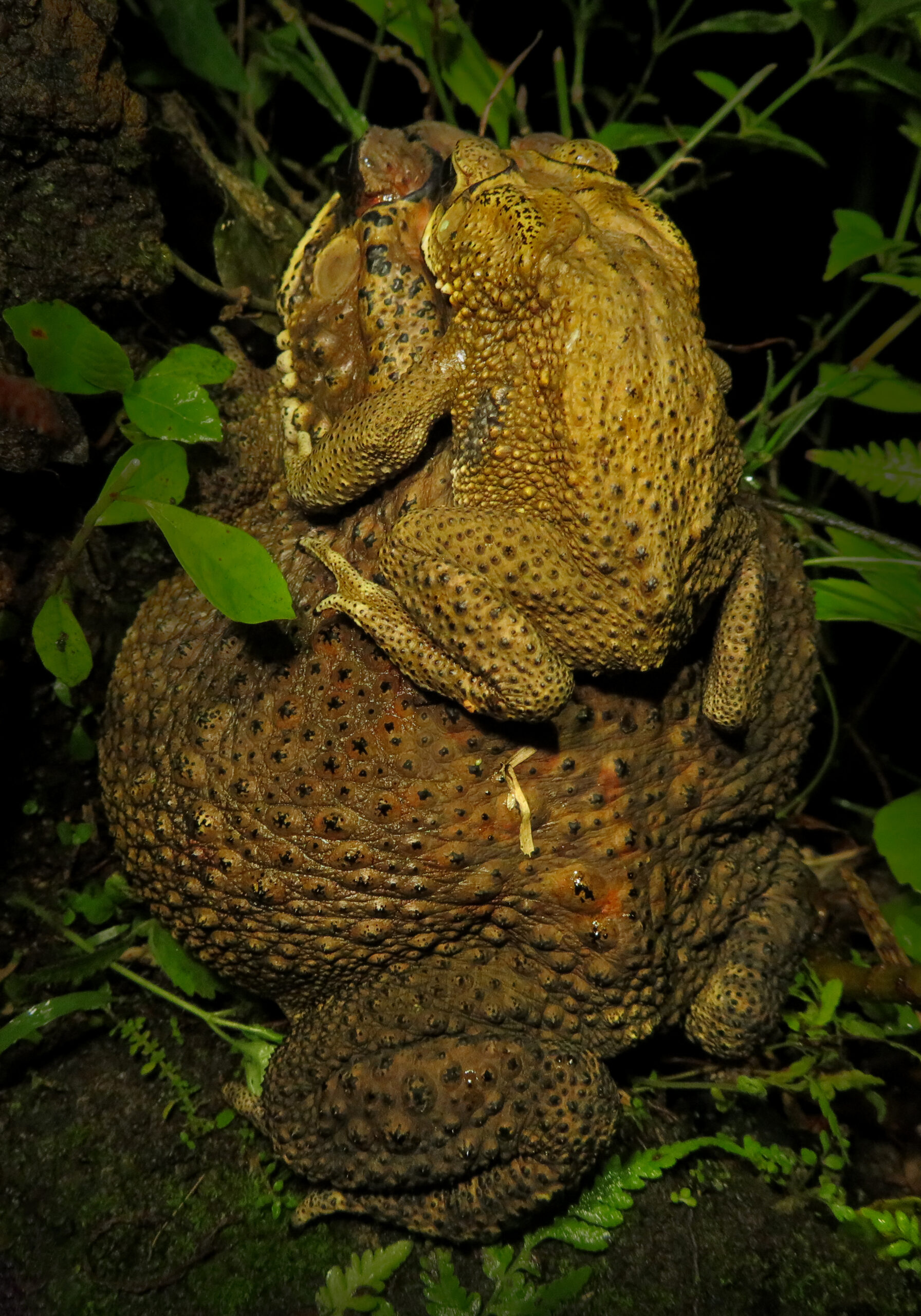
Duttaphrynus melanostictus is a medium-sized toad with a stout body, broad head, and relatively short limbs. Adults typically measure 5–12 cm in snout–vent length, with females generally larger than males. The skin is dry, rough, and covered with numerous rounded warts tipped with distinctive black, horn-like spines, a feature that gives rise to the common name “Black-spined Toad.” Body coloration varies from yellowish-brown and olive to gray or reddish-brown, usually marked with darker blotches that provide effective camouflage.
Large parotoid glands are present behind the eyes and produce toxic secretions that deter predators. The eyes have horizontal pupils and golden to copper-colored irises. During the breeding season, males often develop dark throat coloration and nuptial pads on the fingers, which assist in grasping females during amplexus.
This species is primarily nocturnal, emerging after sunset to forage actively. It feeds on a wide variety of invertebrates, including ants, termites, beetles, flies, moths, spiders, earthworms, snails, and other small arthropods. In urban areas, it is frequently observed around streetlights, where it captures insects attracted to artificial illumination.
Reproduction occurs mainly during the rainy season. Females lay long gelatinous strings containing several thousand eggs in ponds, ditches, rice fields, marshes, and temporary pools. Fertilization is external, and the aquatic tadpoles feed on algae, microorganisms, and organic detritus before undergoing metamorphosis into terrestrial juveniles.
Duttaphrynus melanostictus is highly tolerant of habitat disturbance and is one of the few amphibians that thrives in densely populated urban areas. Although generally considered a species of Least Concern, introduced populations may negatively affect native amphibians through competition, predation, and the spread of pathogens.
Ecologically, Duttaphrynus melanostictus is an important predator of insects and other invertebrates, helping to naturally control pest populations in forests, farms, and urban environments. It also serves as prey for snakes, birds, mammals, and larger reptiles, although its toxic skin secretions discourage many predators. Its adaptability, abundance, and broad ecological role make it one of the most familiar and ecologically significant amphibians across Asia.