

Genus Attacus
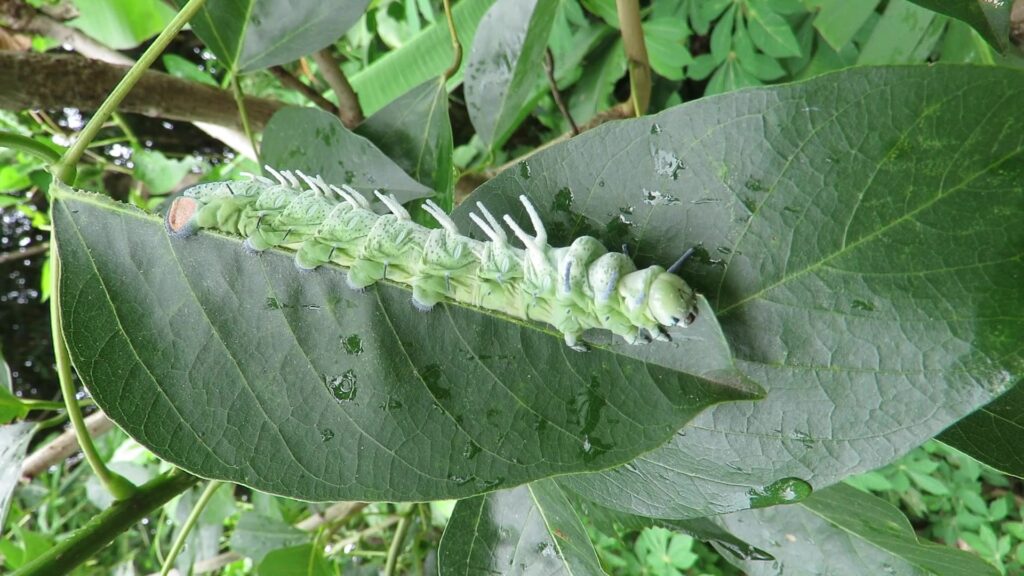
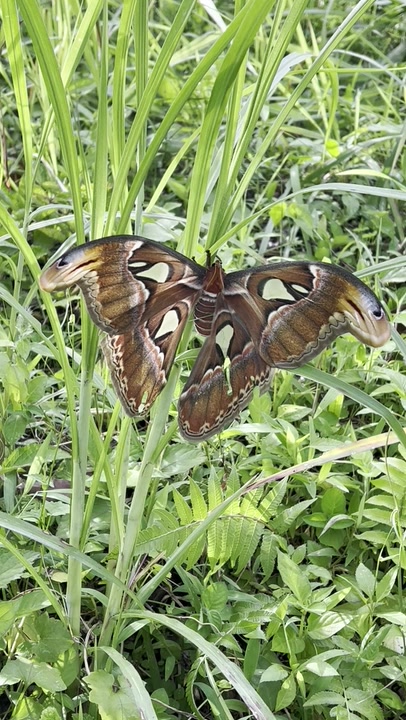
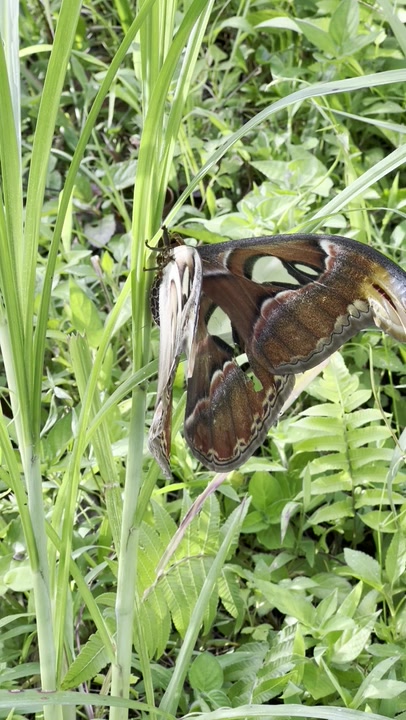
Attacus is a genus of giant silk moths in the family Saturniidae, subfamily Saturniinae, and tribe Attacini. The genus is best known for the Atlas moth (Attacus atlas), one of the largest moths in the world by wing surface area. Attacus species are predominantly distributed across South and Southeast Asia, extending through parts of southern China and the Indonesian and Philippine archipelagos. They inhabit tropical and subtropical forests, woodland, plantations, gardens, and other areas where their larval host plants occur.
Members of Attacus are characterized by their very large size and broad, richly patterned wings. Adults typically have wingspans of roughly 15–25 cm, although proportions vary among species. The wings are dominated by earthy shades of brown, reddish brown, orange, gray, and cream, often producing excellent camouflage when the moth is resting against tree trunks or dead vegetation. A particularly distinctive feature is the presence of semi-transparent or translucent patches on the wings, which can resemble windows. The forewings frequently have elongated, curved apices that contribute to the characteristic outline of these moths.
The head and thorax are heavily covered with scales, while the antennae are especially conspicuous in males. Male antennae are large and bipectinate, providing a highly sensitive surface for detecting airborne female pheromones. Females generally have broader bodies and more rounded abdomens, reflecting their greater investment in egg production. The combination of enormous wings, cryptic coloration, and unusual wing tips makes Attacus among the most recognizable groups of giant silk moths.
Attacus species are primarily nocturnal, with adults becoming active after dusk. Like many saturniid moths, adults have greatly reduced mouthparts and generally do not feed, relying largely on energy accumulated during the larval stage. Their adult life is consequently short and focused mainly on reproduction. Males are capable of locating females over considerable distances by following pheromone plumes, while females typically remain relatively sedentary after emergence and devote their limited adult lifespan to mating and laying eggs.
The larvae are large, robust caterpillars that pass through several stages before pupation. They are commonly greenish or bluish green and may bear rows of prominent tubercles or fleshy projections, sometimes decorated with contrasting colors. Caterpillars are herbivorous and polyphagous, feeding on the foliage of a variety of woody plants. Depending on the species and locality, host plants can include members of families such as Lauraceae, Sapindaceae, Fabaceae, Anacardiaceae, and Rutaceae. Their substantial feeding requirements allow the larvae to accumulate the resources needed for the non-feeding adult stage.
After reaching full size, the caterpillar forms a silken cocoon, often attached to foliage or twigs. The cocoon protects the developing pupa through metamorphosis. In some Attacus species, the cocoon is relatively large and structurally complex, with a loose outer framework that can provide ventilation and camouflage. After pupation, the adult emerges, expands and hardens its wings, and begins the brief reproductive phase of its life cycle.
The genus includes several spectacular species, among them Attacus atlas, the famous Atlas moth; Attacus caesar, a large species from the Philippines; and other regional Attacus taxa found across tropical Asia. Species-level classification within the genus has been revised repeatedly, and some populations historically treated as subspecies or separate species have been re-evaluated as taxonomic knowledge has improved.
Ecologically, Attacus contributes to forest food webs through both larval herbivory and predation. Caterpillars consume substantial quantities of plant material and are themselves prey for birds, reptiles, parasitoids, and other predators. The adults, although short-lived and generally non-feeding, participate in nocturnal ecosystems and provide an important reproductive link between generations. Their striking appearance also makes Attacus particularly valuable for biodiversity education, ecological monitoring, and conservation awareness, while habitat loss and intensive land-use change can threaten local populations dependent on suitable host plants.