Bali Wildlife
Every Spices Matter


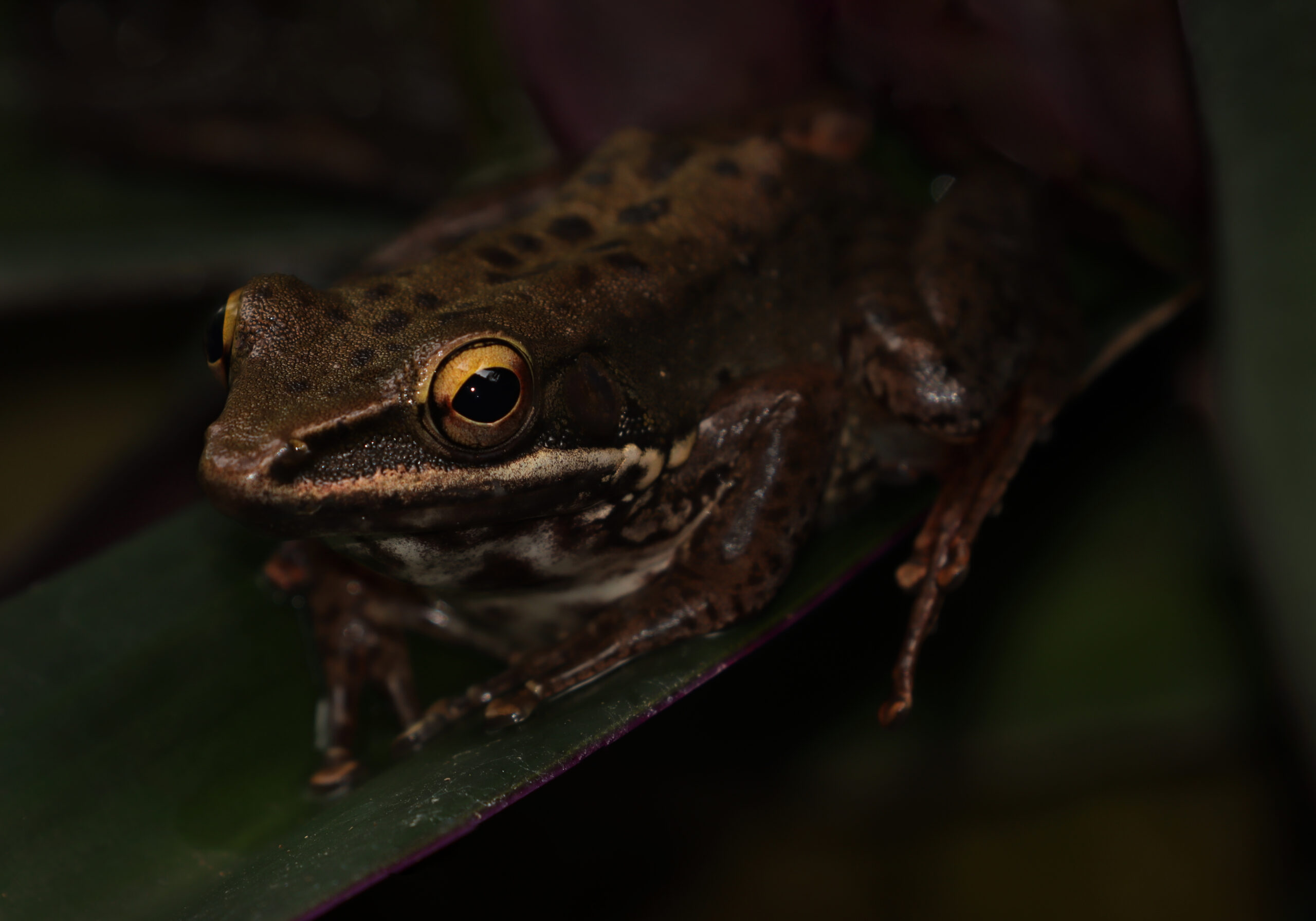
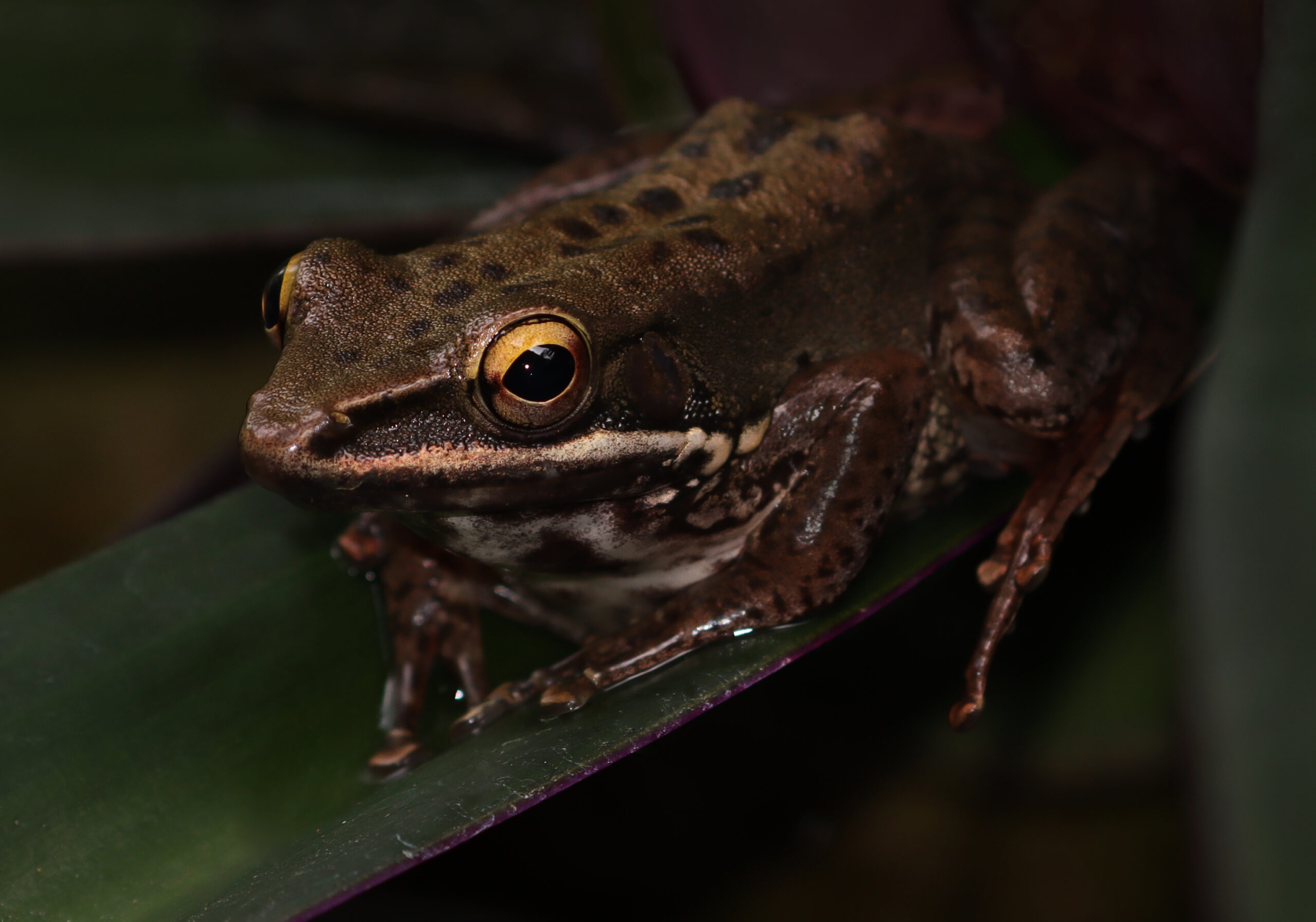
Ranidae is a large and widespread family of frogs within the order Anura, commonly known as true frogs. Members of this family are distributed across much of the world, including Europe, Asia, Africa, and the Americas, and inhabit a wide variety of freshwater and terrestrial environments such as ponds, lakes, rivers, marshes, forests, and grasslands.
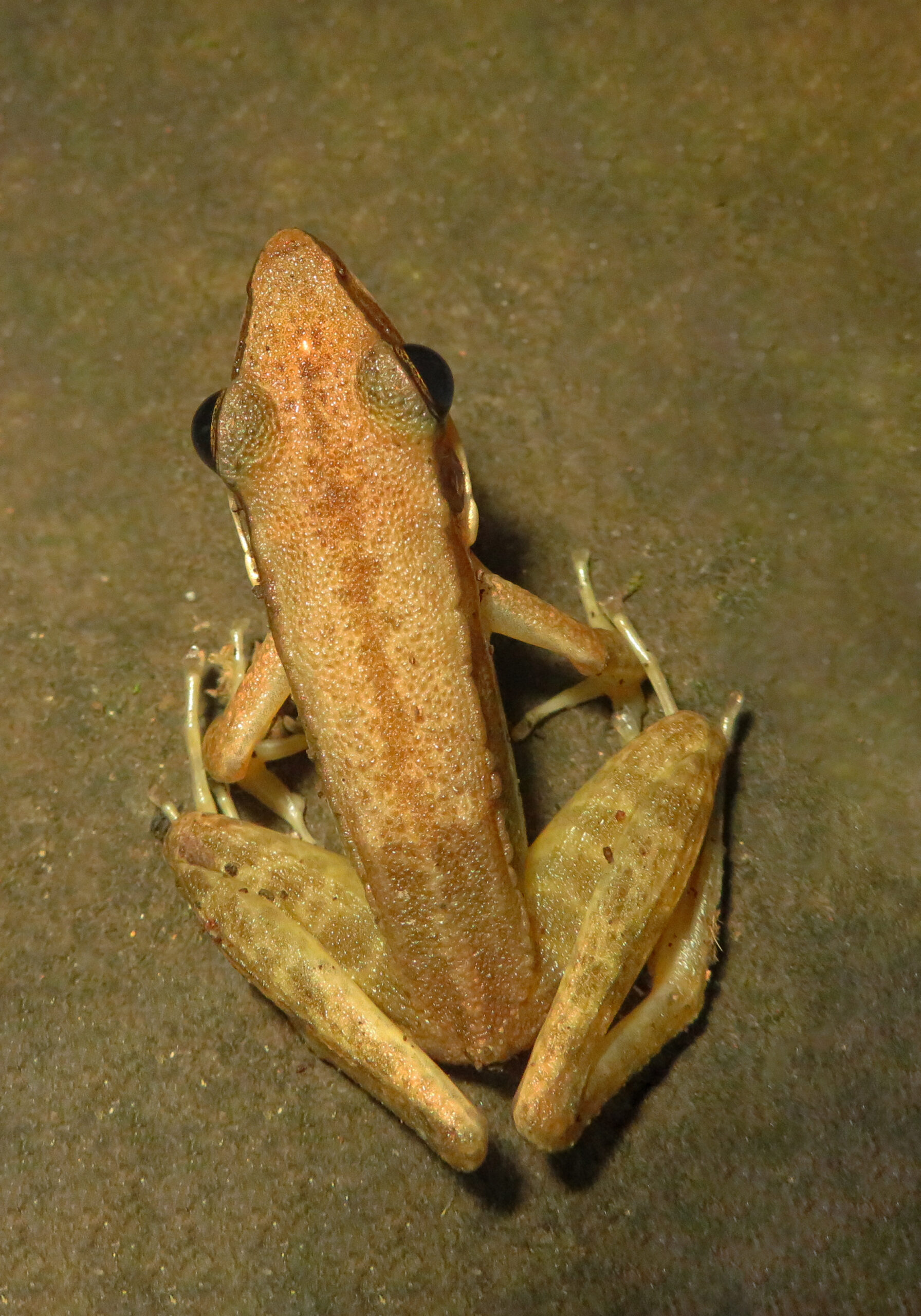
Frogs of the family Ranidae are generally medium to large in size and are characterized by a slender, streamlined body and long, powerful hind limbs adapted for jumping and swimming. Their skin is usually smooth and moist, often with green, brown, or olive coloration that provides camouflage in aquatic or vegetated habitats.
Many ranid frogs possess dorsolateral folds—raised ridges running along the sides of the back—which are a common identifying feature in numerous species. Their eyes are large and well adapted for detecting movement.
The life cycle follows the typical amphibian pattern involving metamorphosis. Eggs are usually laid in water in clusters or masses, where they hatch into aquatic tadpoles. Tadpoles feed mainly on algae and organic material before transforming into carnivorous juvenile frogs.
Adult ranids are primarily carnivorous and feed on insects, worms, spiders, crustaceans, and other small animals. Larger species may also consume small vertebrates such as fish or other frogs. Most species capture prey using a rapid, sticky tongue.
The family includes well-known genera such as Rana, Lithobates, Pelophylax, and related forms, reflecting significant diversity in habitat use and behavior.
Ecologically, Ranidae frogs are important predators of insects and other small invertebrates and also serve as prey for birds, reptiles, mammals, and fish. They play a significant role in aquatic and terrestrial food webs and are valuable indicators of environmental health because of their sensitivity to pollution, habitat disturbance, and climate change. Many species face threats from habitat loss, disease, invasive species, and environmental degradation.