Bali Wildlife
Every Spices Matter


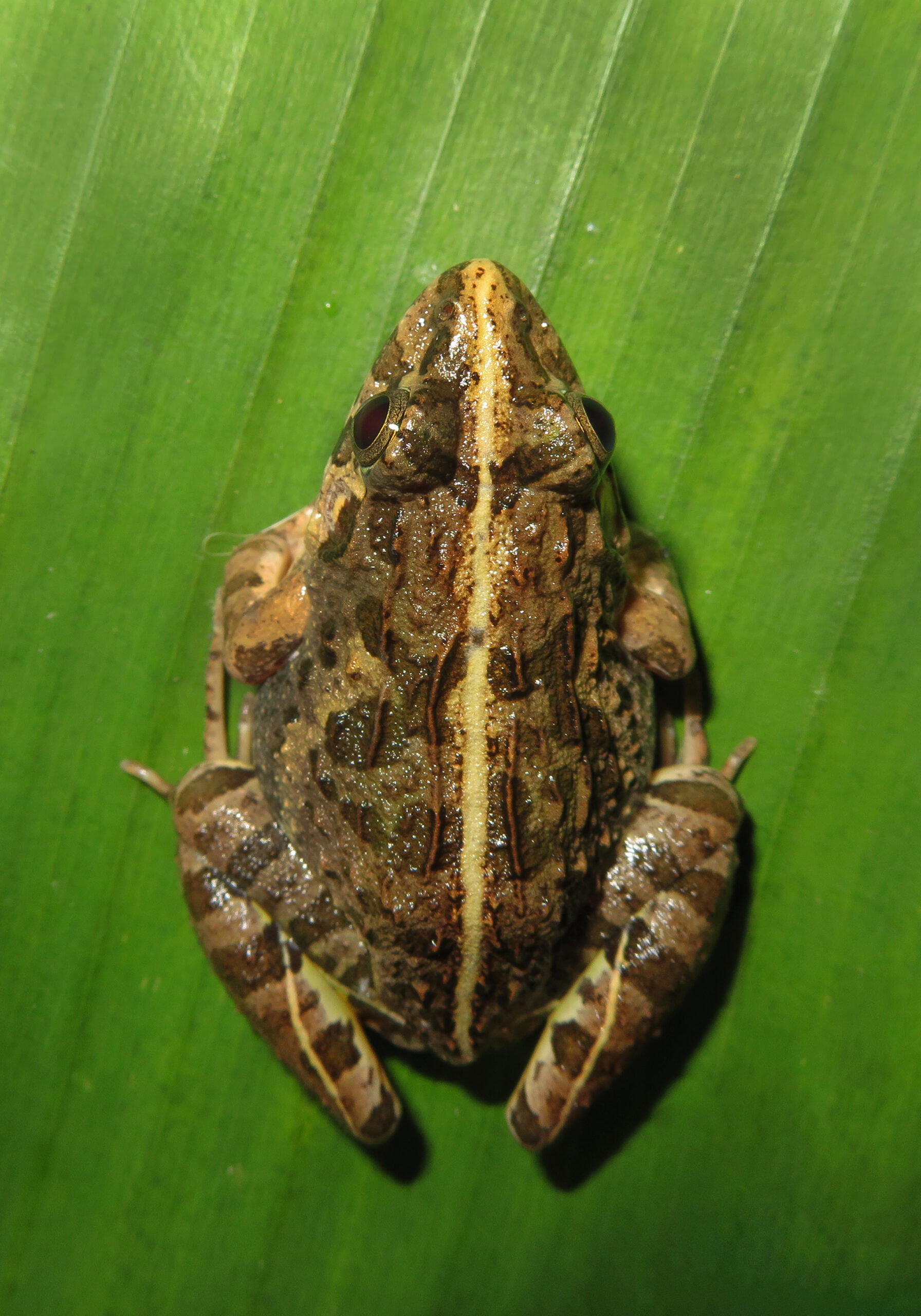
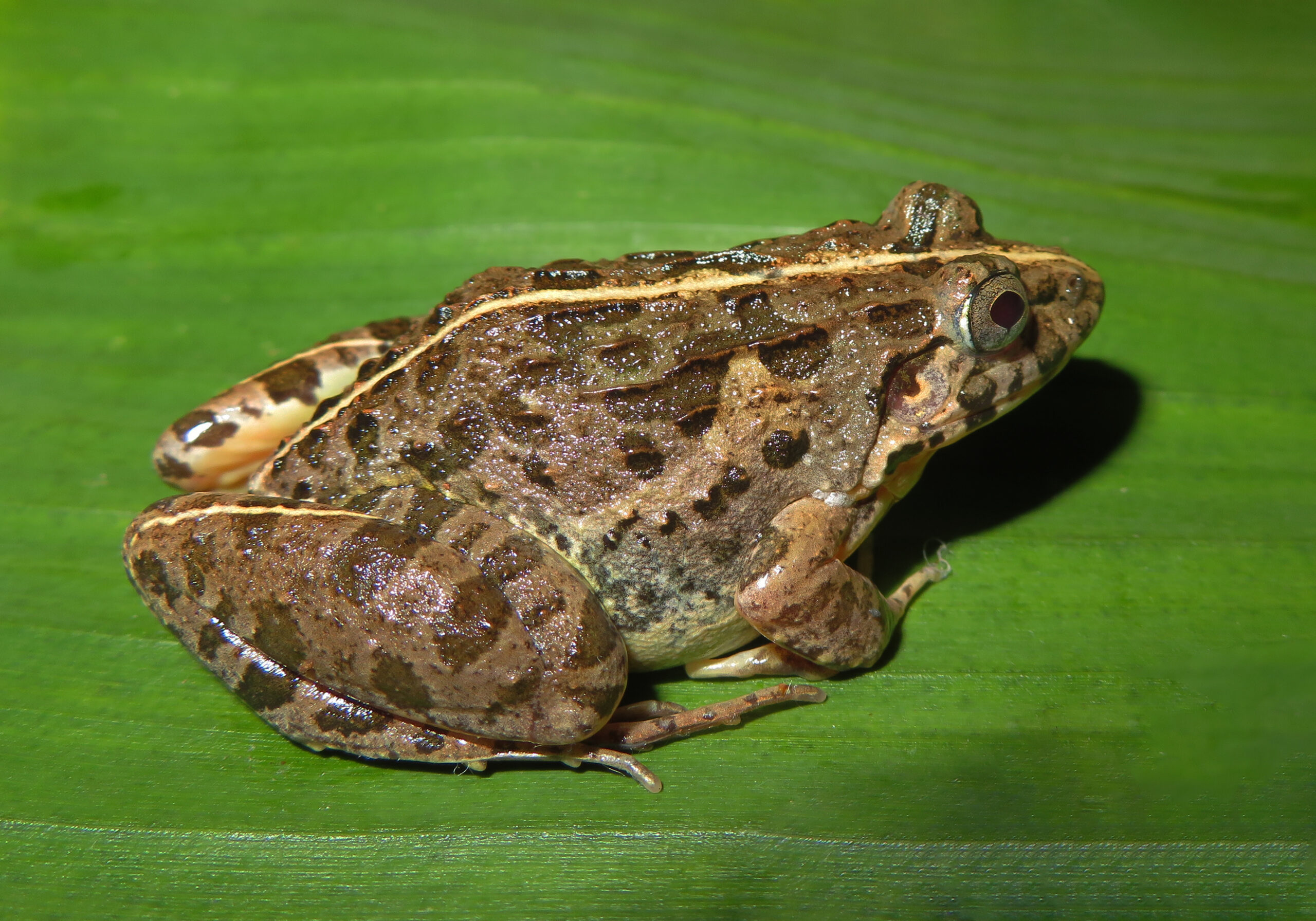
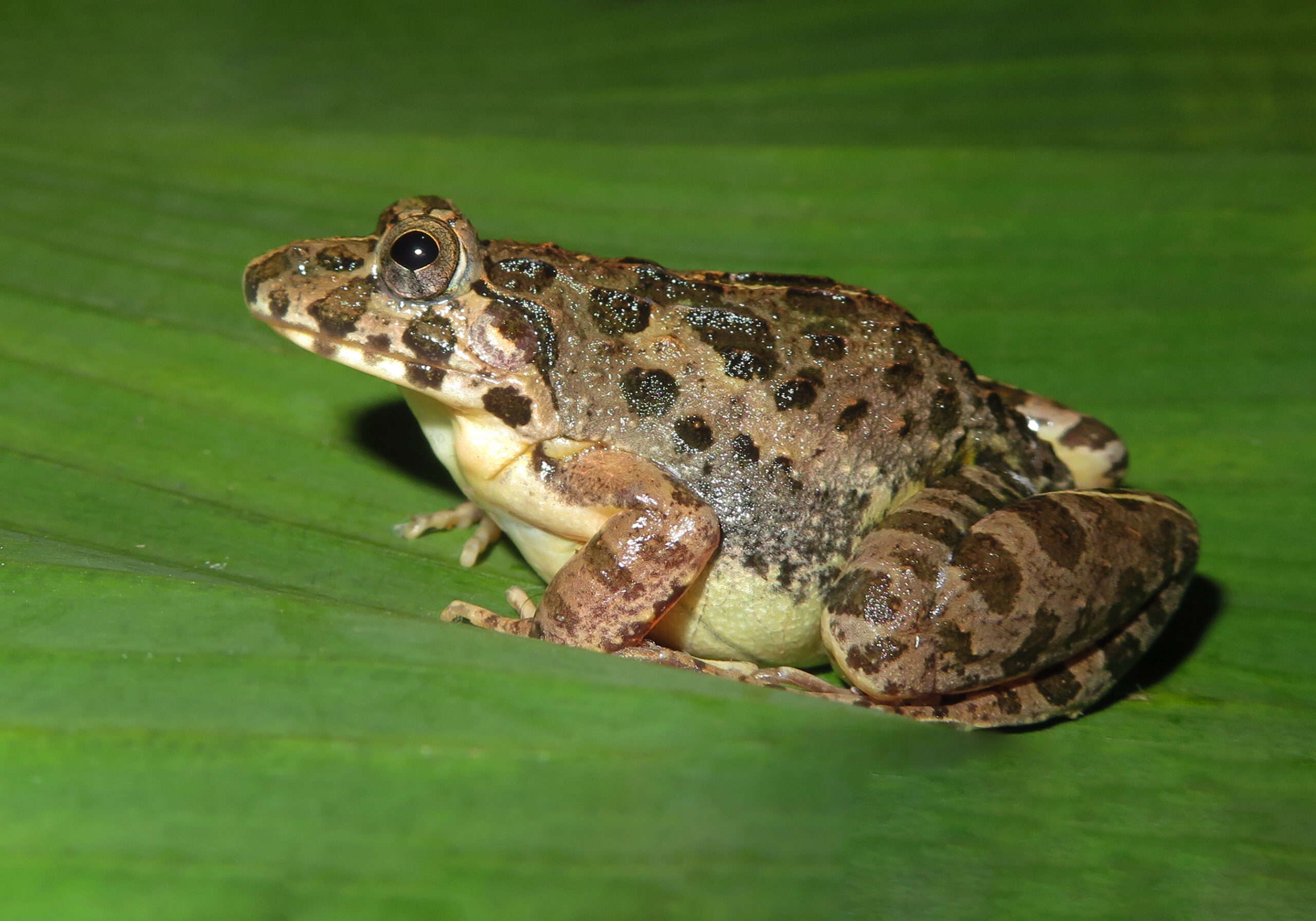
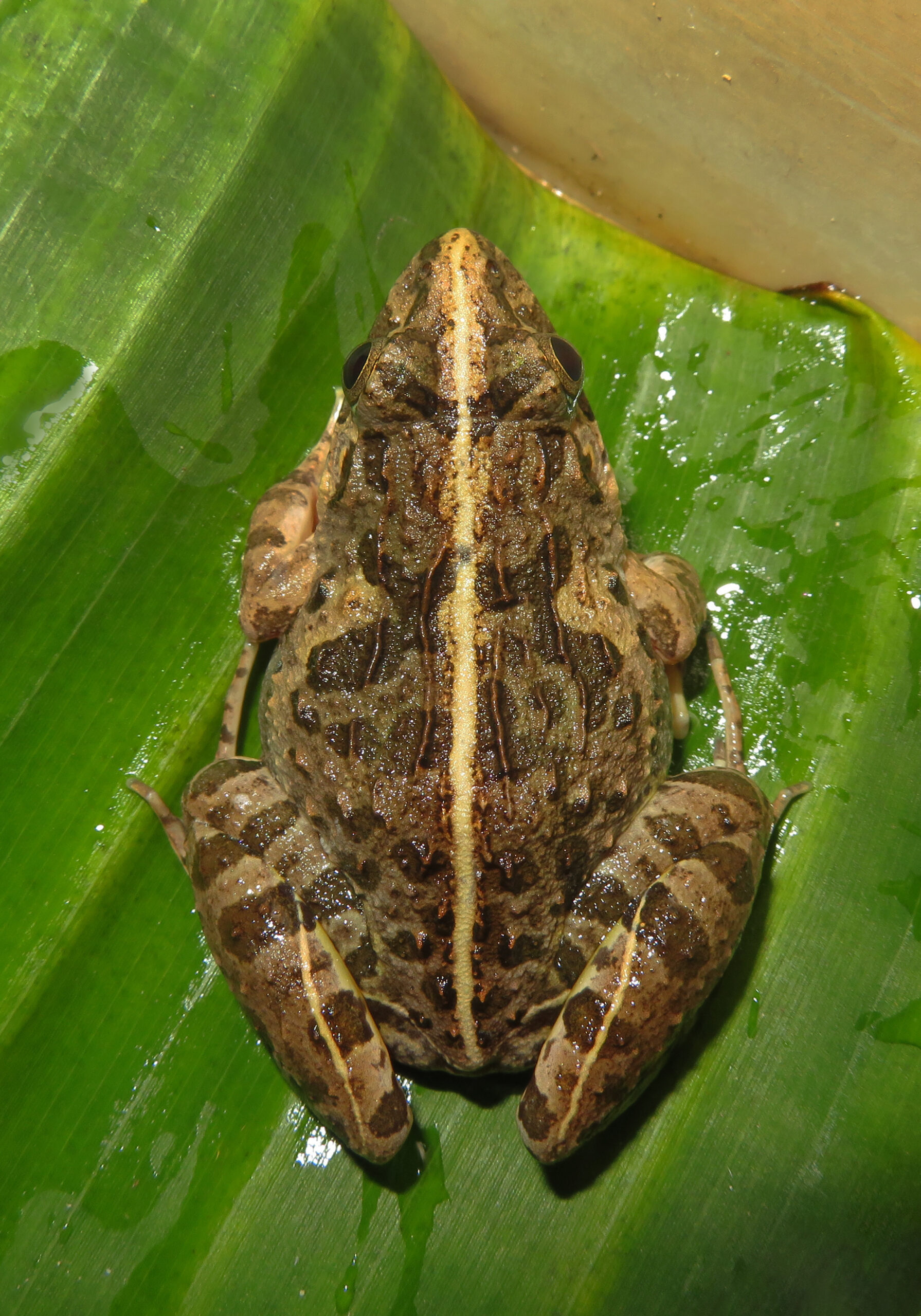
Fejervarya is a genus of frogs within the subfamily Dicroglossinae (Family Dicroglossidae, Order Anura), commonly known as cricket frogs or paddy frogs. The genus is widely distributed across Asia, extending from South Asia through Southeast Asia to East Asia, and many species are especially common in agricultural landscapes, wetlands, and disturbed habitats.
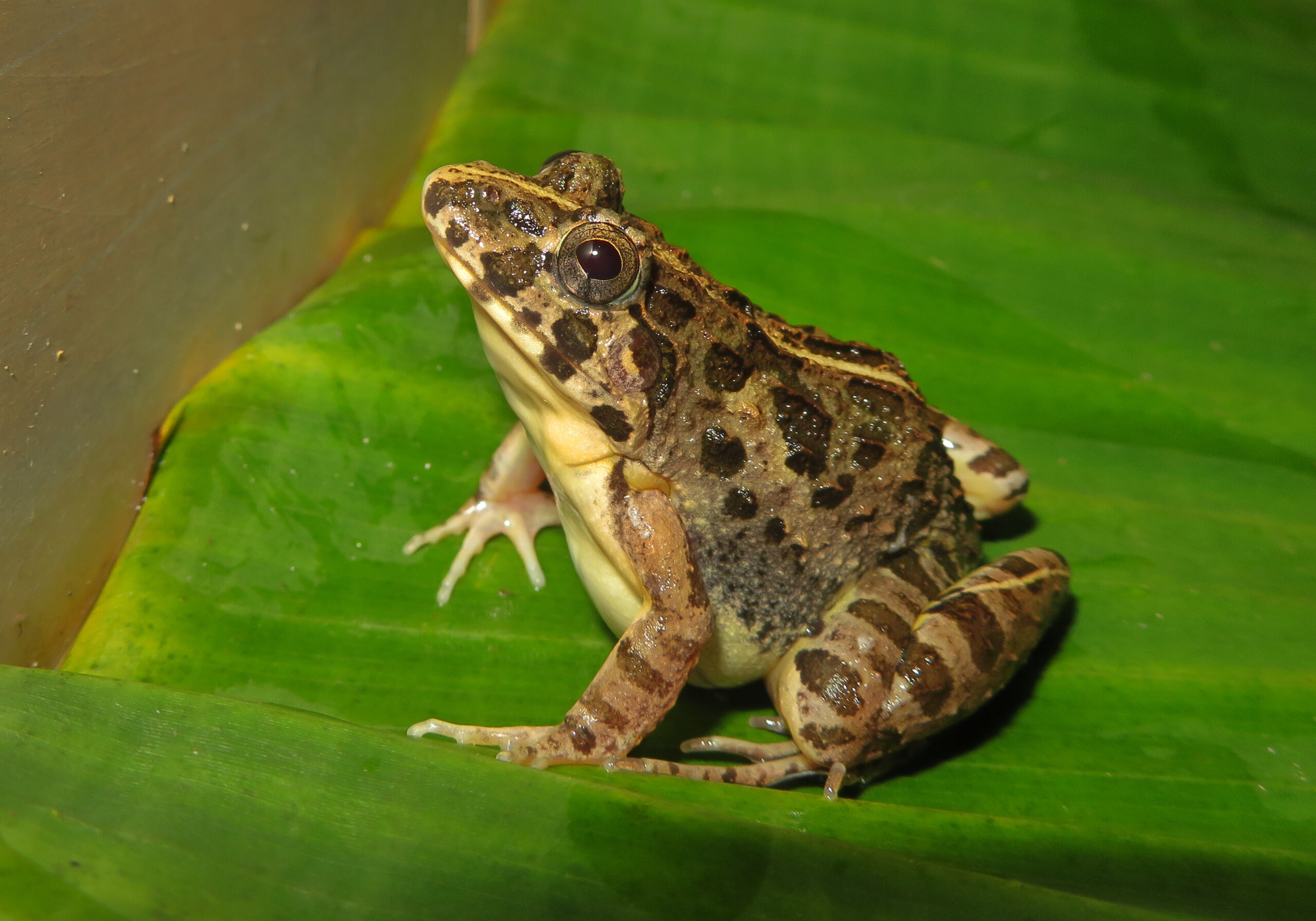
Members of the genus Fejervarya are generally small to medium-sized frogs with a slender to moderately robust body. Their skin is usually smooth or slightly rough, and coloration commonly includes shades of brown, gray, or olive with darker spots or stripes that provide effective camouflage in muddy or grassy habitats.
These frogs are typically associated with freshwater environments such as rice fields, ponds, marshes, drainage ditches, and slow-moving streams. Many species are highly adaptable and can thrive in human-modified environments.
Like other anurans, Fejervarya species undergo metamorphosis. Eggs are laid in water, where they hatch into aquatic tadpoles. Tadpoles develop through several stages before transforming into terrestrial or semi-aquatic juvenile frogs.
Feeding habits are primarily carnivorous. Adults feed mainly on insects and other small invertebrates such as ants, beetles, flies, spiders, and worms. Their activity often increases during rainy periods and at night, when prey is abundant.
Males produce characteristic calls during the breeding season, often from shallow water or vegetation near water bodies. These vocalizations play an important role in attracting mates and establishing territories.
Ecologically, Fejervarya frogs are important predators of insects and contribute to the balance of wetland and agricultural ecosystems. They also serve as prey for birds, snakes, fish, and other predators. Because they are sensitive to environmental changes, they can act as indicators of habitat quality and ecosystem health.