

Genus Euphaea
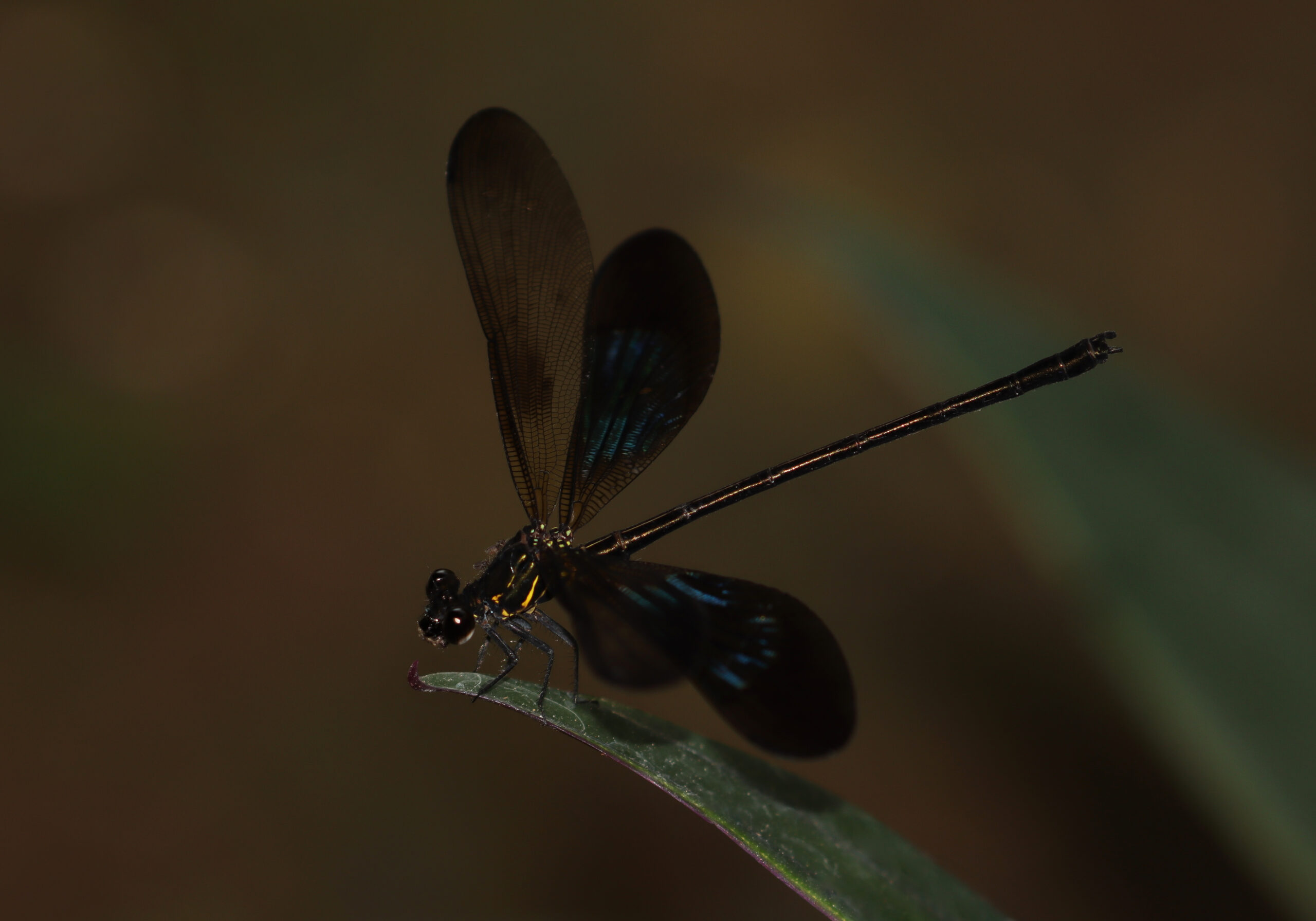
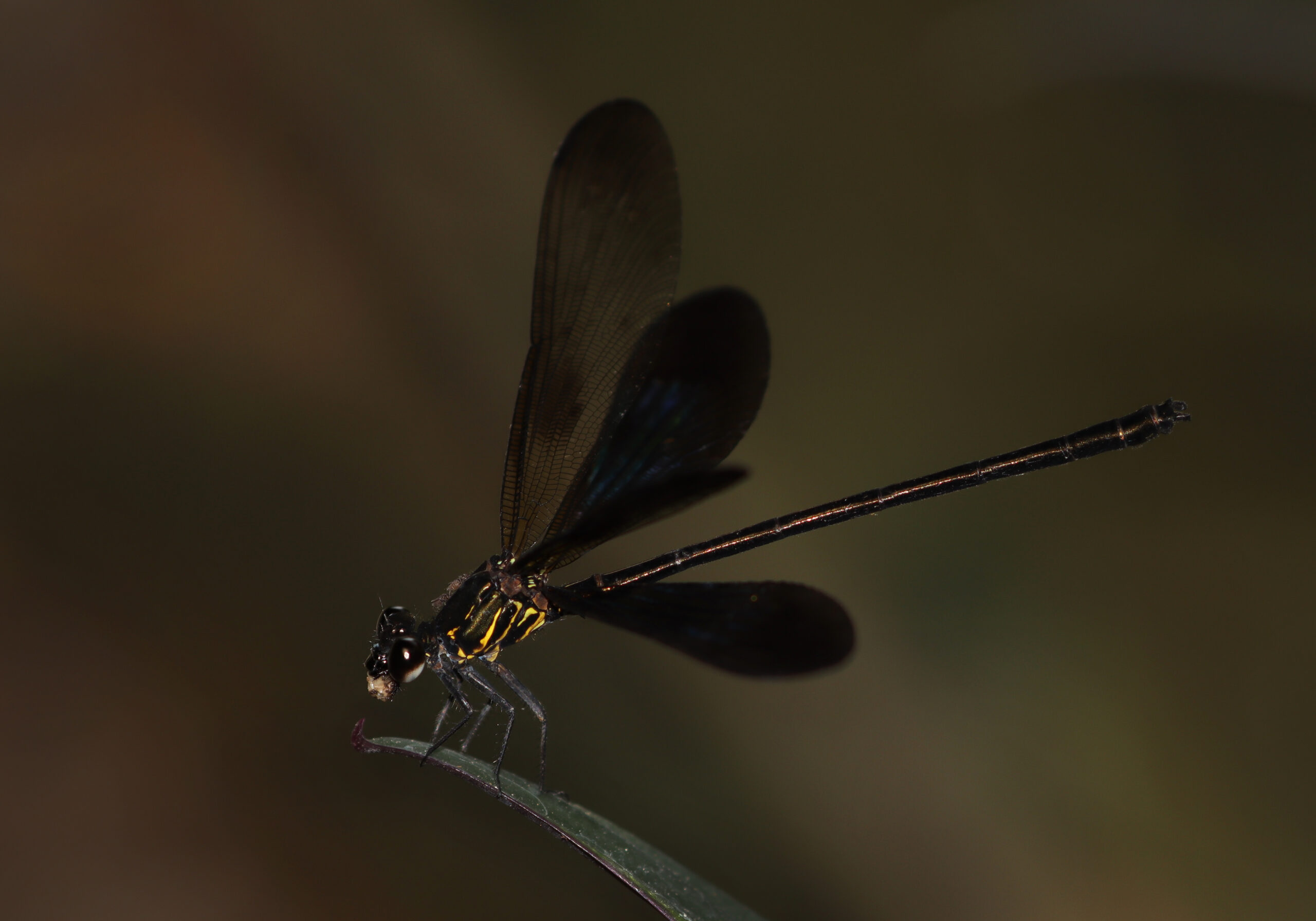
Euphaea is a genus of damselflies within the family Euphaeidae (Superfamily Calopterygoidea, Suborder Zygoptera, Order Odonata). The genus comprises more than 40 described species distributed throughout South Asia, Southeast Asia, southern China, Taiwan, and parts of the Indo-Pacific region. Members are closely associated with clean, fast-flowing streams and rivers in tropical and subtropical forests, where they depend on well-preserved freshwater habitats throughout their life cycle.
Damselflies of the genus Euphaea are medium to large in size and are recognized by their slender body, broad wings, and brilliant metallic coloration. The thorax and abdomen often display iridescent shades of green, bronze, blue, or black, while the wings range from transparent to smoky brown or black, depending on the species and sex. Many males possess partially or entirely darkened wings with metallic reflections, whereas females usually have clearer wings with more subdued body coloration.
Adults are diurnal and are most active along shaded forest streams, where they perch on exposed rocks, twigs, or riverside vegetation. They are agile fliers, making short, rapid flights between perches while searching for prey or defending territories. Males are strongly territorial and frequently engage in aerial displays or brief chases to exclude rival males from breeding sites. Adults prey on mosquitoes, midges, flies, and other small flying insects, capturing them in flight.
The life cycle involves incomplete metamorphosis, consisting of egg, aquatic nymph (naiad), and adult stages. Females lay eggs on submerged vegetation, mosses, roots, or other substrates in flowing water. The aquatic nymphs inhabit rocky stream beds, submerged leaf litter, and gravel, where they are active predators feeding on insect larvae, worms, crustaceans, and other aquatic invertebrates. After completing several molts, the mature nymph emerges from the water and molts into the winged adult on nearby rocks or vegetation.
The genus includes numerous well-known species, such as Euphaea variegata, Euphaea masoni, Euphaea ochracea, Euphaea decorata, and Euphaea impar. Many species have restricted distributions tied to particular mountain ranges or river systems, reflecting their dependence on high-quality freshwater habitats.
Ecologically, Euphaea damselflies are important predators in both aquatic and terrestrial ecosystems. Their nymphs help regulate populations of freshwater invertebrates, while adults contribute to controlling mosquitoes and other small flying insects. They also provide food for fish, amphibians, birds, spiders, and predatory insects. Because they require clean, well-oxygenated streams and intact riparian forests, Euphaea species are widely regarded as excellent indicators of freshwater ecosystem health, habitat quality, and biodiversity.