Bali Wildlife
Every Spices Matter


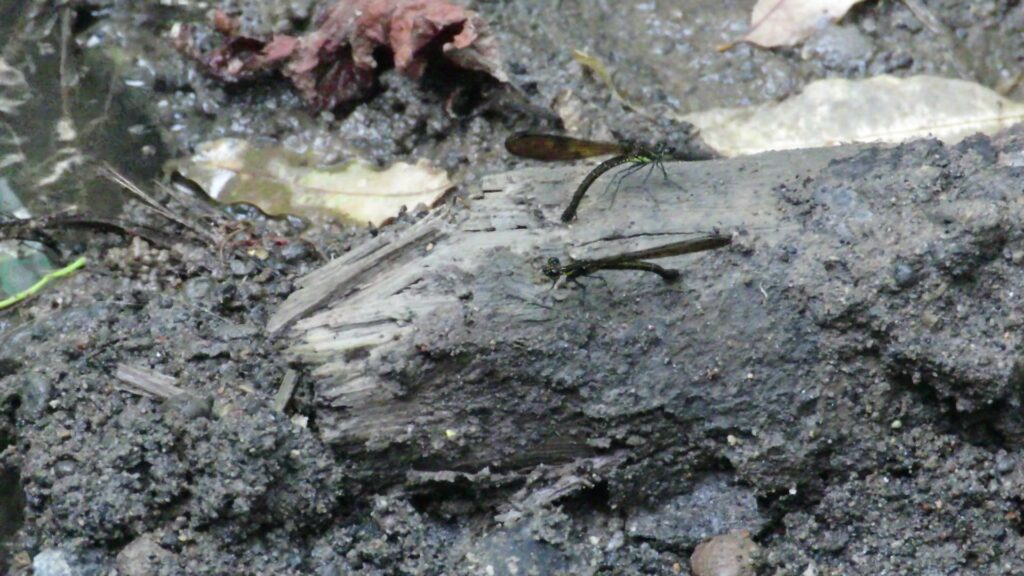
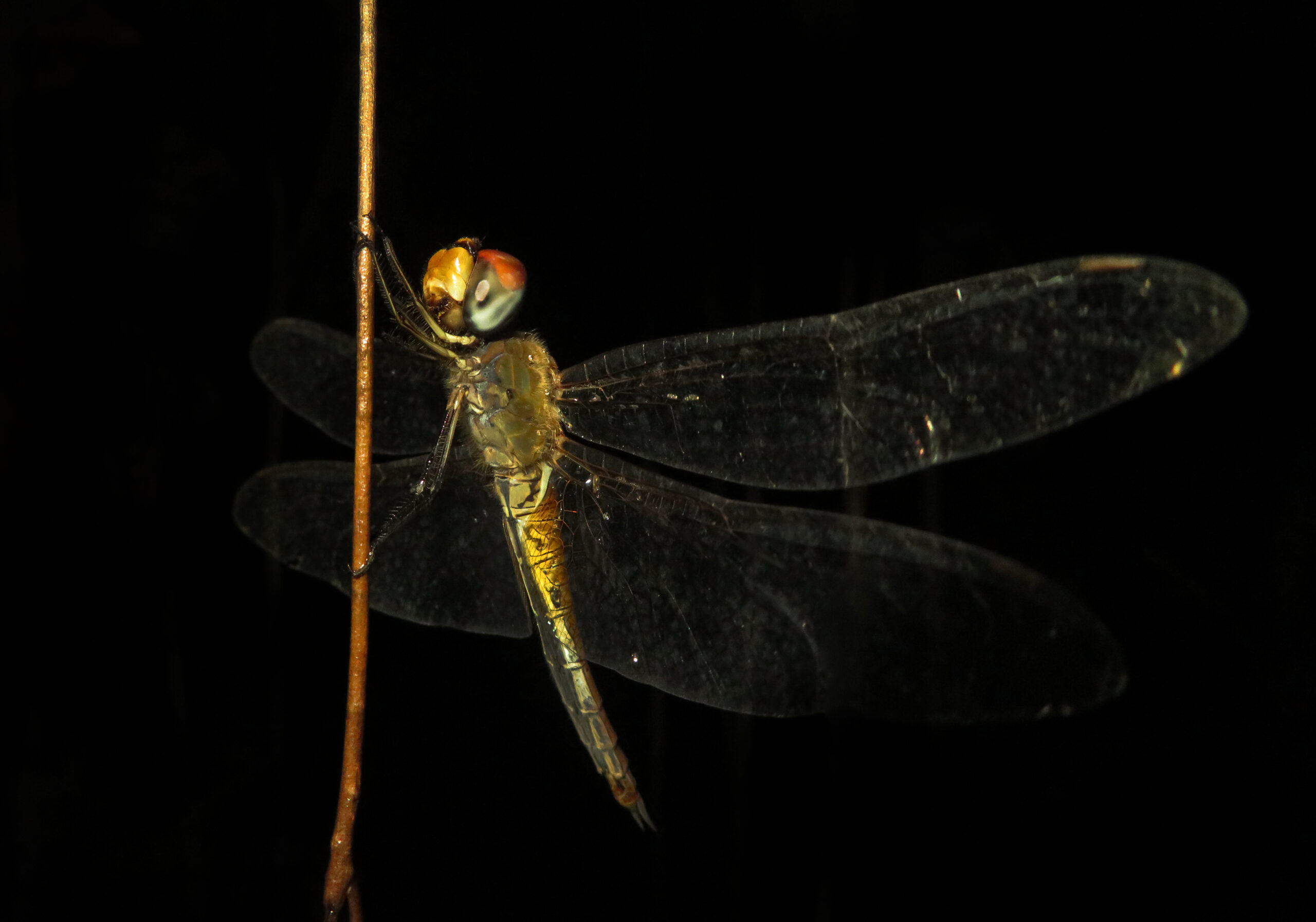
Odonata is an order of predatory insects comprising dragonflies and damselflies. With more than 6,500 described species worldwide, members of this order are distributed on every continent except Antarctica. They are closely associated with freshwater habitats, including rivers, streams, ponds, lakes, marshes, swamps, and wetlands, where their aquatic larvae develop.
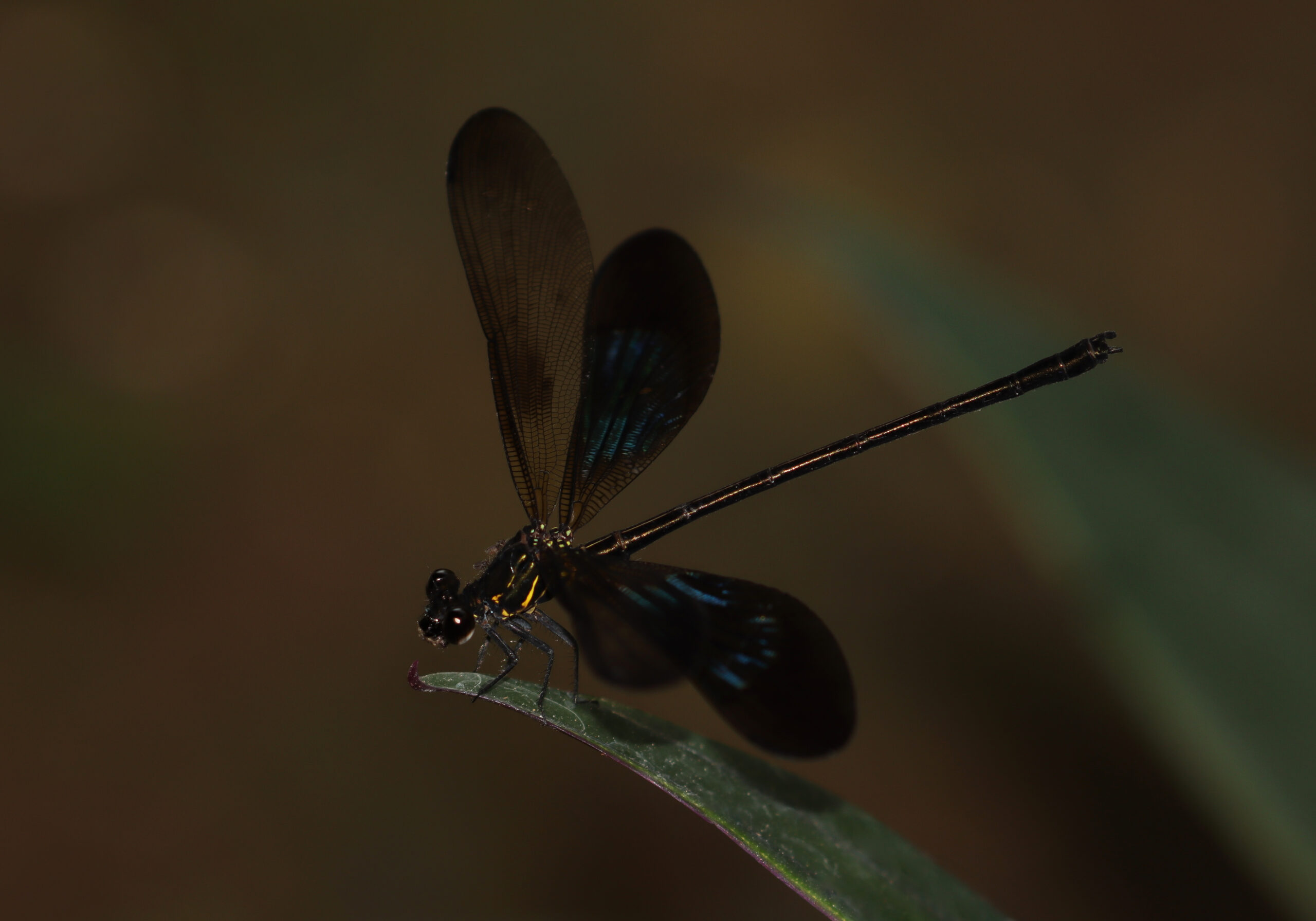
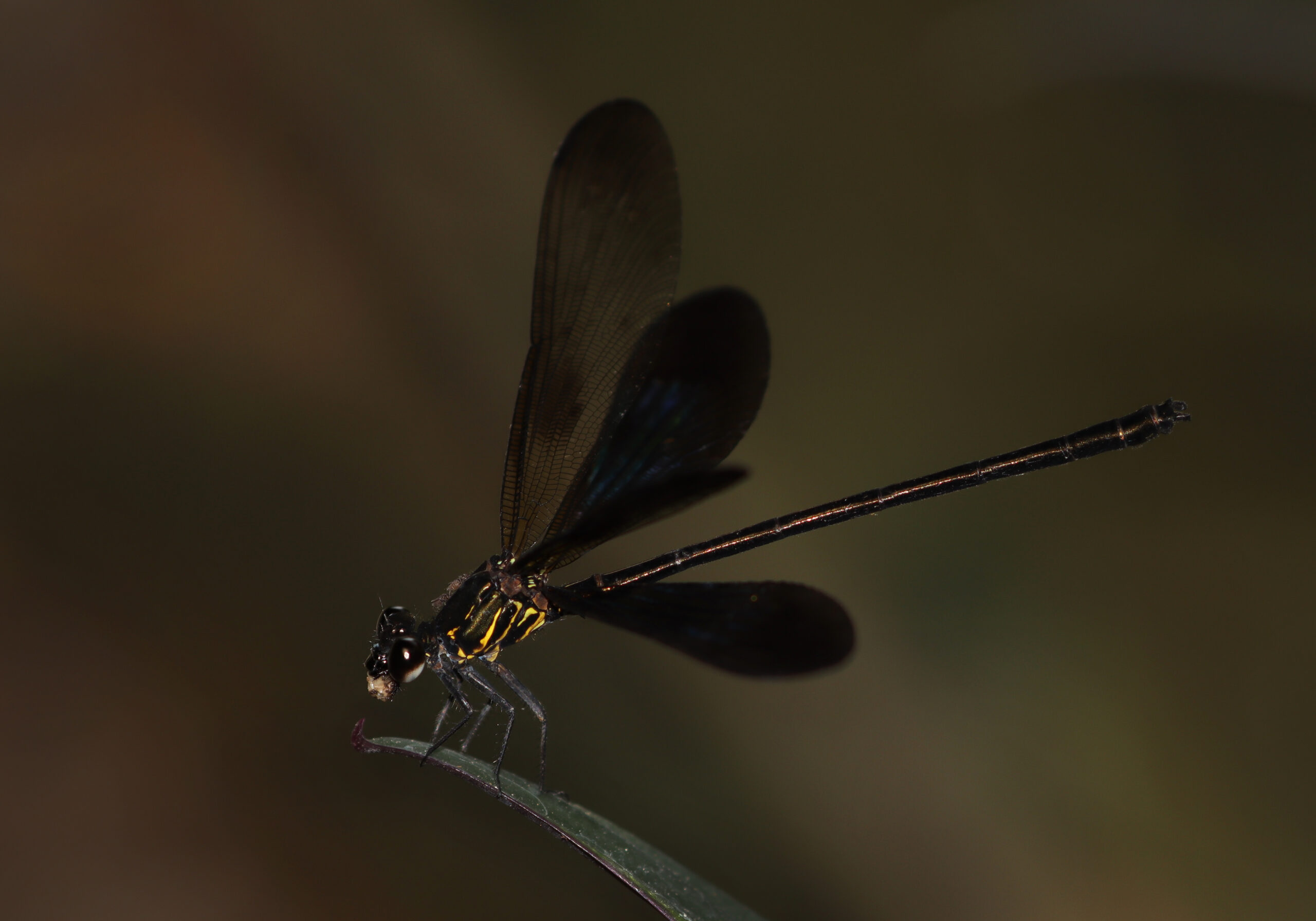
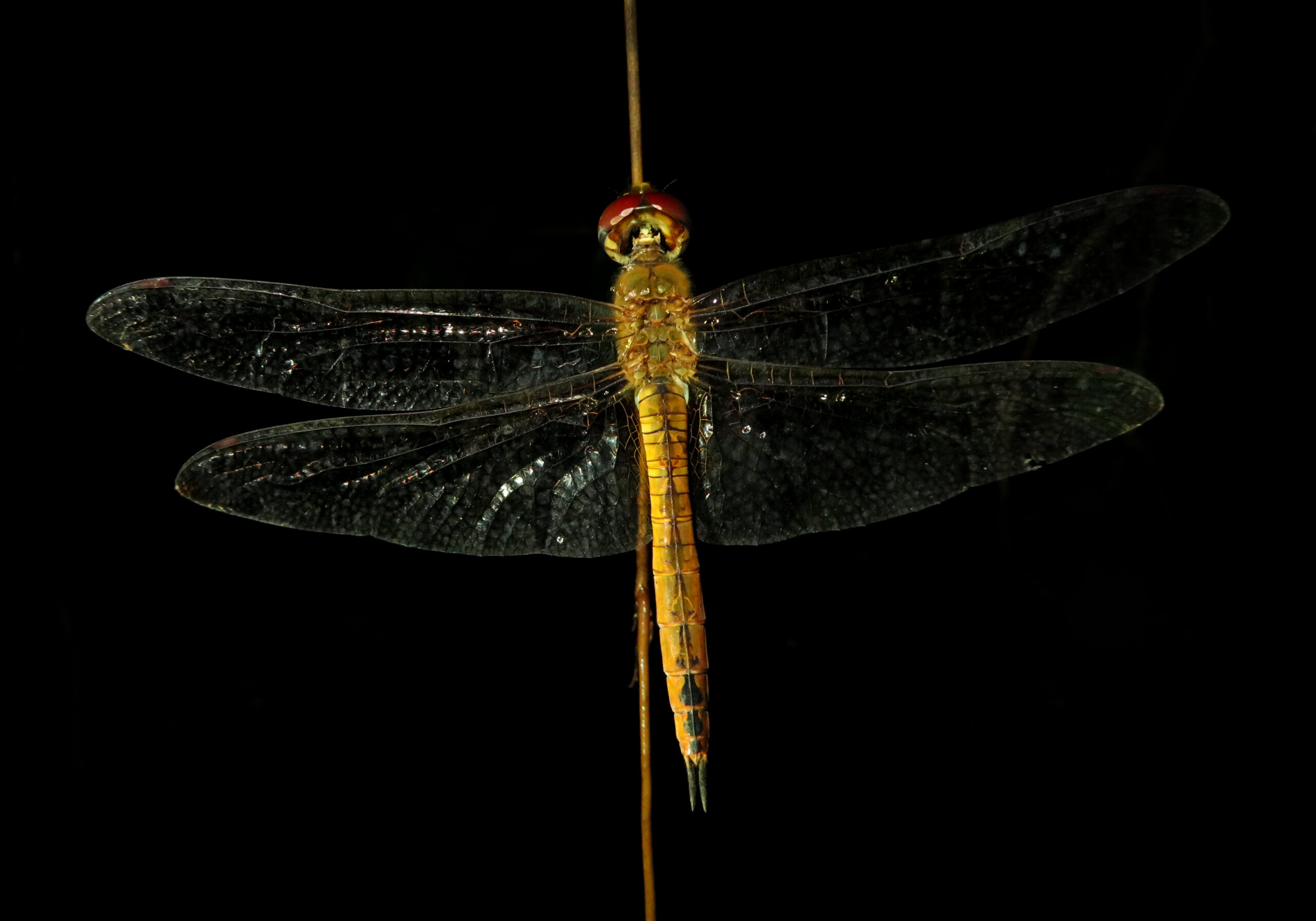
Odonates are characterized by their elongated bodies, two pairs of long membranous wings with intricate venation, large compound eyes, and short antennae. They possess powerful chewing mouthparts and strong, spiny legs adapted for capturing prey during flight. Dragonflies are generally more robust and hold their wings horizontally when at rest, whereas damselflies are usually more slender and fold their wings together over the abdomen.
Both adults and larvae are highly effective predators. Adults feed on mosquitoes, flies, midges, butterflies, and other flying insects, capturing prey with remarkable speed and agility. The aquatic larvae, commonly known as nymphs or naiads, prey on aquatic insects, crustaceans, tadpoles, and even small fish using a unique extendable lower lip (labium) that rapidly seizes prey.
The life cycle involves incomplete metamorphosis, consisting of egg, aquatic nymph, and adult stages. Females lay eggs in or near freshwater habitats. The nymphal stage may last from several months to several years, depending on the species and environmental conditions. Mature nymphs emerge from the water and undergo a final molt to become winged adults.
The order is divided into three major suborders: Anisoptera (dragonflies), Zygoptera (damselflies), and Anisozygoptera, a small relict group represented today by a few species. Together, they display remarkable diversity in size, coloration, flight behavior, and ecological adaptations.
Ecologically, Odonata species are important predators in both aquatic and terrestrial ecosystems, helping regulate populations of mosquitoes and other insects. They also serve as prey for fish, amphibians, birds, reptiles, spiders, and mammals. Because their larvae are highly sensitive to changes in water quality and habitat condition, dragonflies and damselflies are widely regarded as valuable indicators of freshwater ecosystem health and biodiversity.