Bali Wildlife
Every Spices Matter


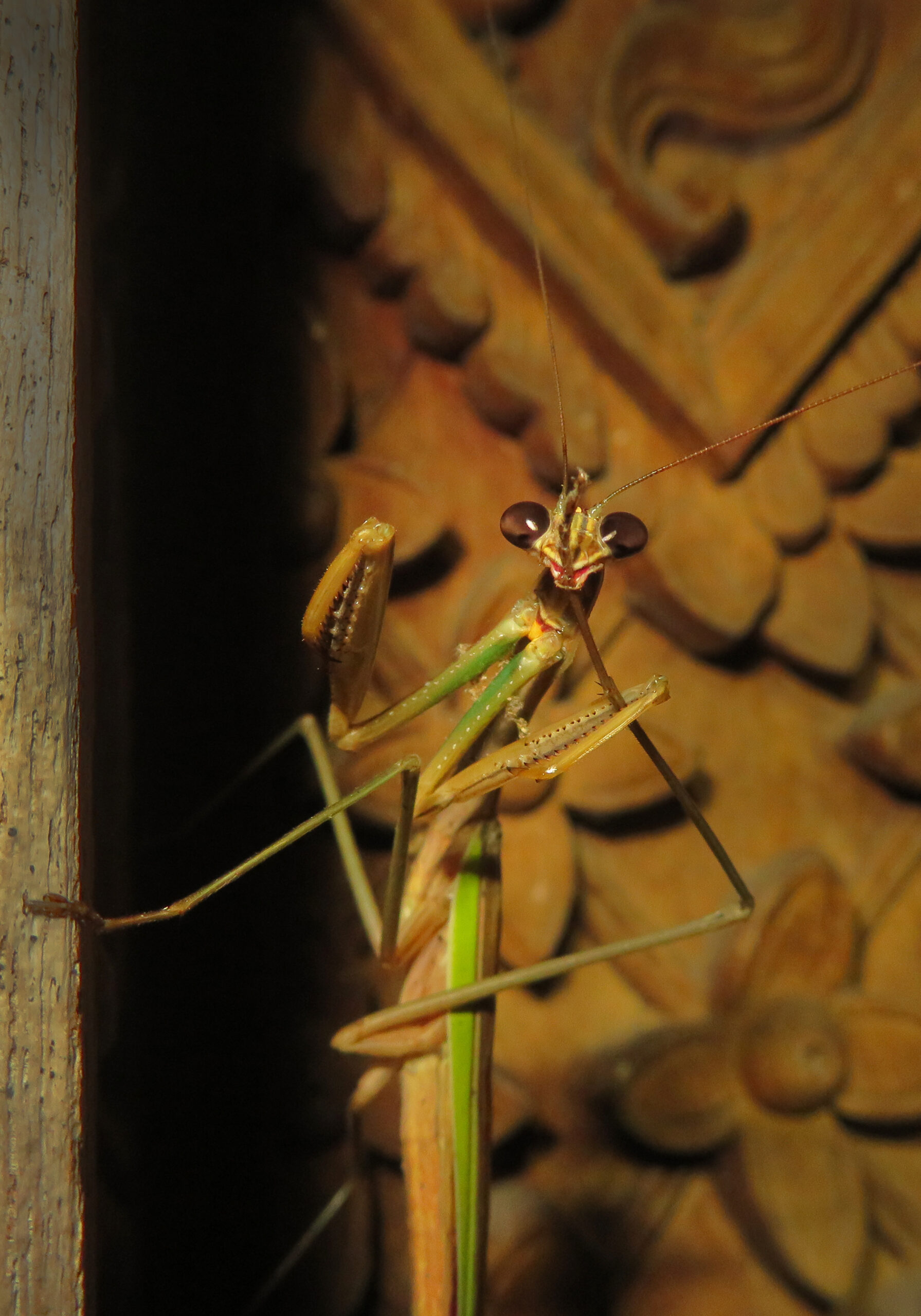
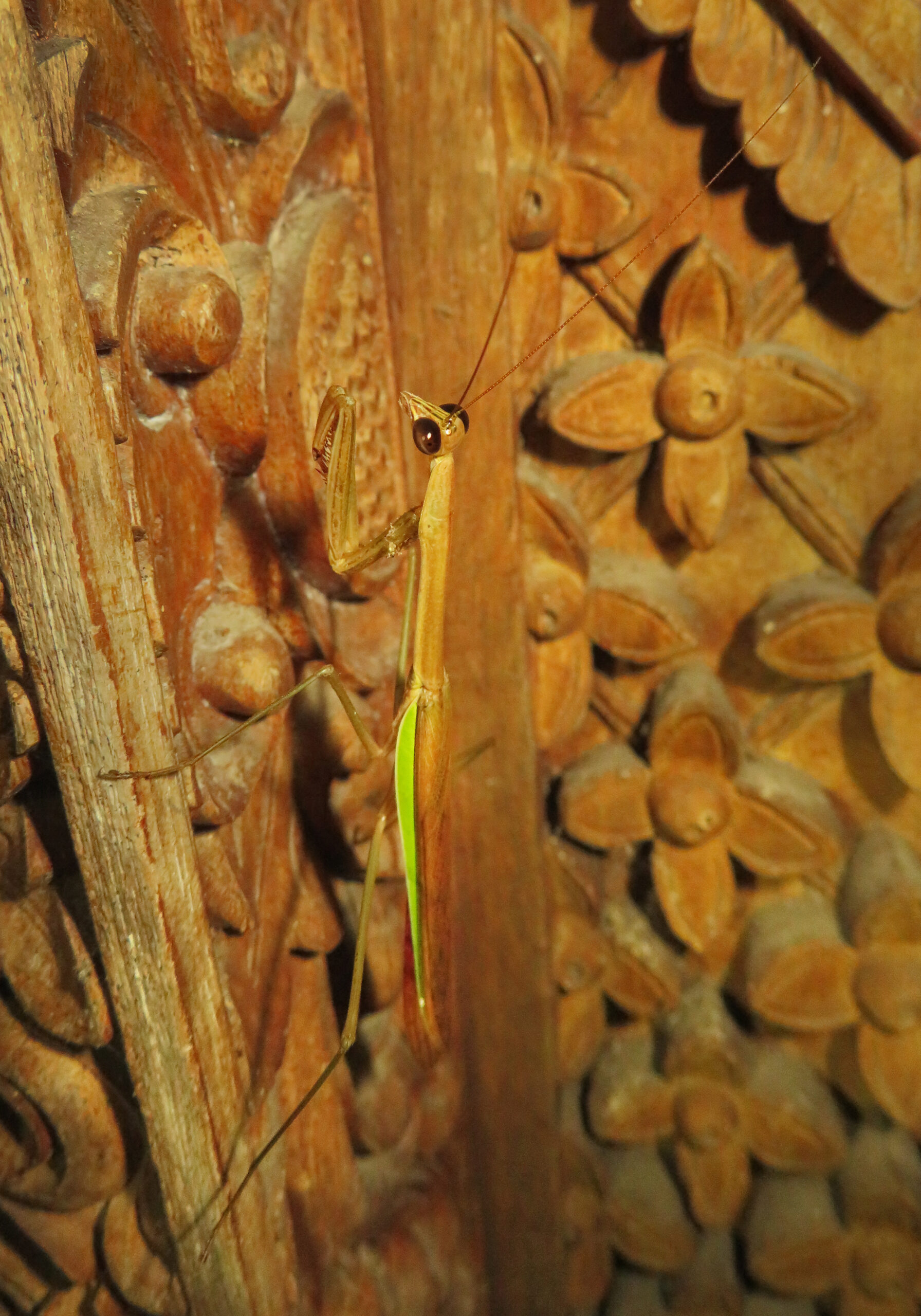
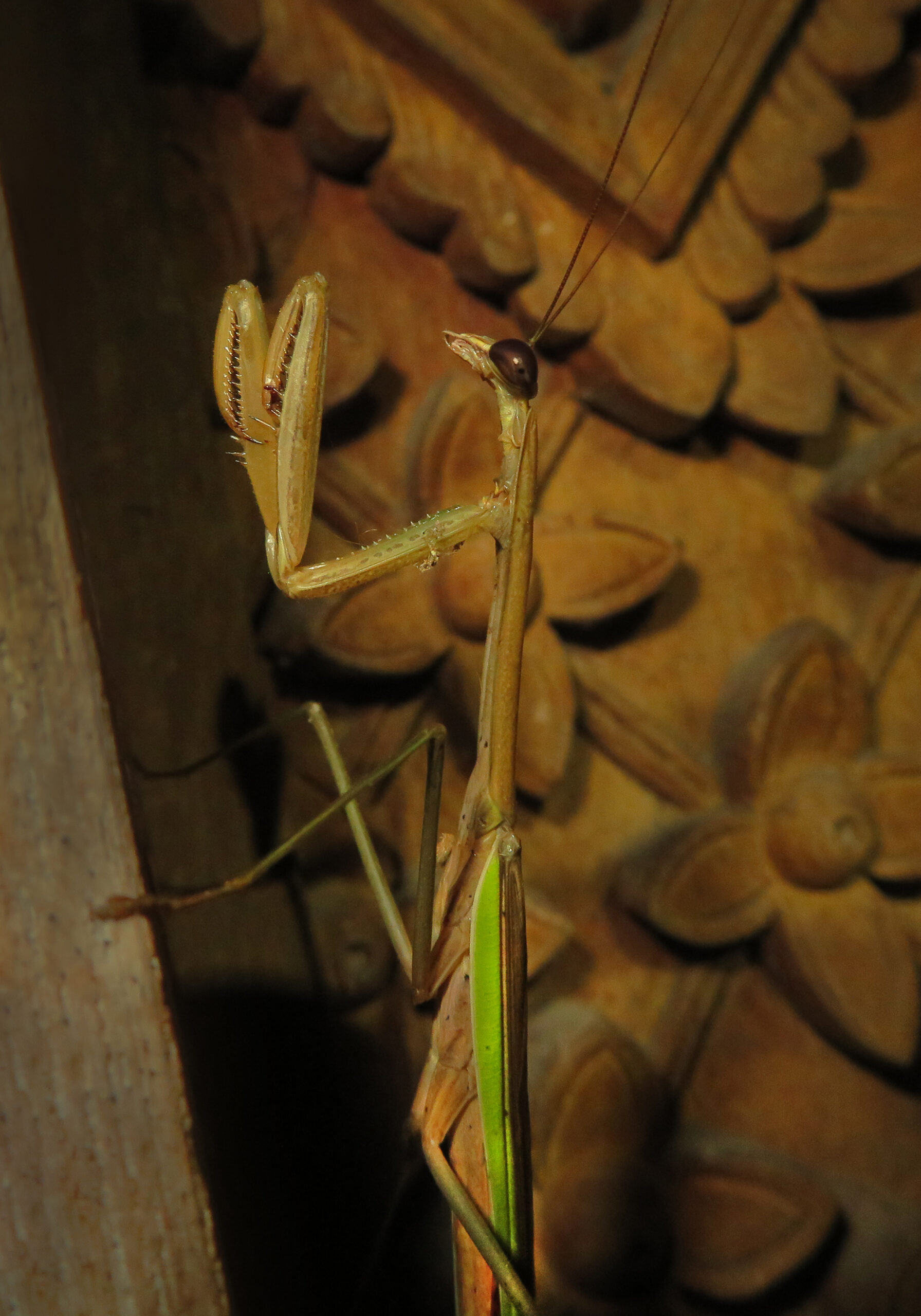
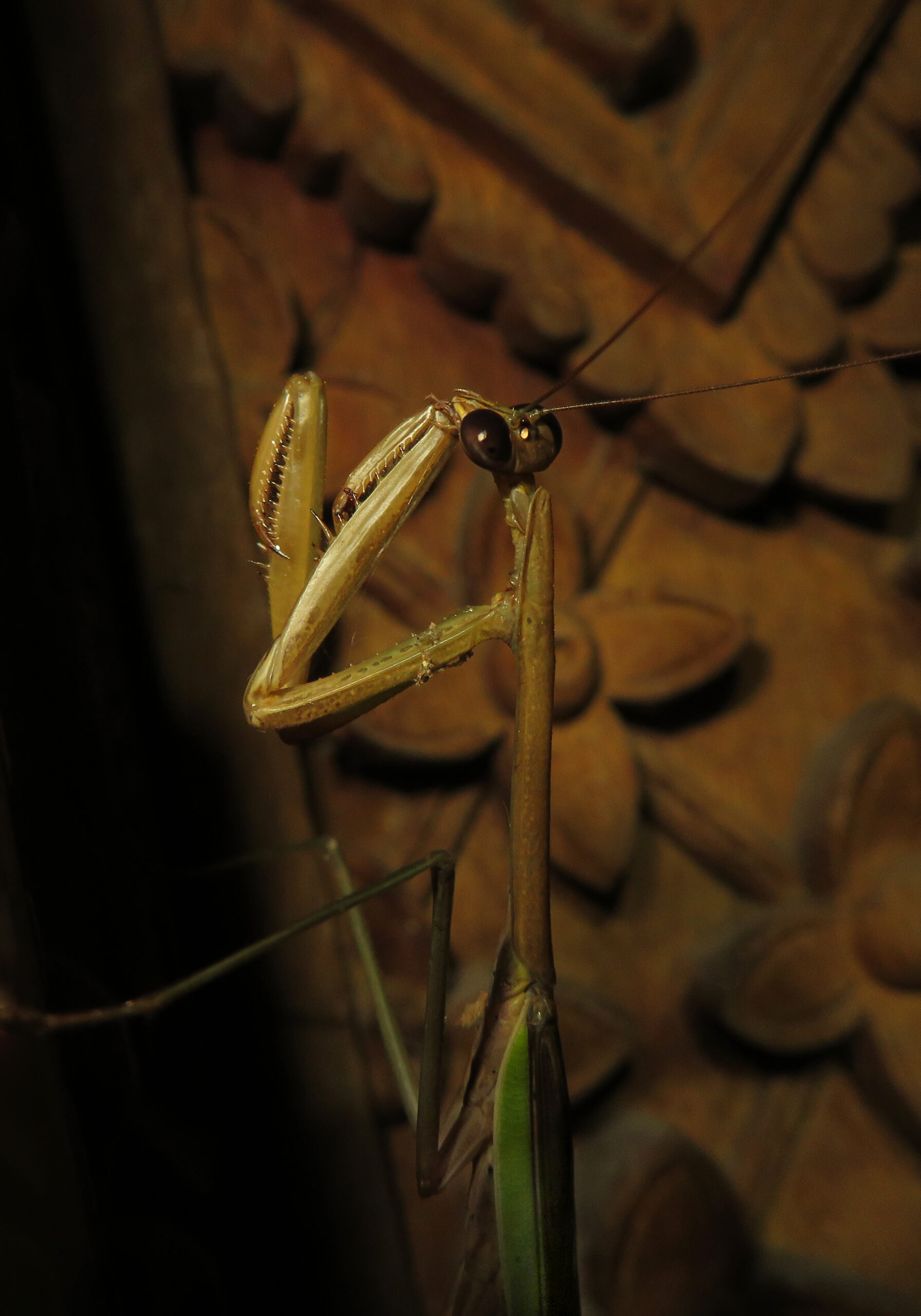
Mantidae is one of the largest and most well-known families of praying mantises within the superfamily Mantoidea (Order Mantodea). Members of this family are distributed throughout tropical, subtropical, and temperate regions worldwide and inhabit a wide variety of environments, including forests, grasslands, shrublands, agricultural fields, gardens, and urban landscapes.
Mantises of the family Mantidae are generally medium to large-sized insects characterized by an elongated body, long prothorax, highly mobile triangular head, and prominent compound eyes. Their most distinctive feature is the pair of raptorial forelegs armed with sharp spines, which are used to seize and hold prey with remarkable speed and precision.
Most species are ambush predators that rely heavily on camouflage and stealth. They remain motionless among vegetation, waiting for prey to approach before launching a rapid strike. Their diet consists primarily of insects and other arthropods, although larger species may occasionally capture small vertebrates such as lizards, frogs, or nestling birds.
Coloration varies widely among species and often reflects their habitat. Many are green, brown, or gray, blending seamlessly with leaves, branches, bark, or dried vegetation. Some species exhibit remarkable mimicry, resembling twigs, leaves, or flowers to avoid predators and improve hunting success.
The life cycle involves incomplete metamorphosis, consisting of egg, nymph, and adult stages. Females lay eggs in a protective frothy structure called an ootheca, which hardens and protects the developing embryos. Nymphs resemble miniature adults and undergo multiple molts before reaching maturity.
The family includes numerous genera, such as Mantis, Hierodula, Tenodera, Statilia, and many others, representing a broad diversity of body forms, behaviors, and ecological adaptations.
Ecologically, Mantidae species are important predators in terrestrial ecosystems, helping regulate populations of insects and other small animals. They also serve as prey for birds, reptiles, amphibians, spiders, and mammals. Through their role as both predators and prey, mantids contribute significantly to ecological balance and biodiversity. Their distinctive appearance, hunting behavior, and adaptability make them among the most recognizable insects in the world.