Bali Wildlife
Every Spices Matter


Mantoidea is a major superfamily within the infraorder Schizomantodea (Order Mantodea), comprising many of the most familiar and widespread praying mantises. Members of this superfamily are distributed throughout tropical, subtropical, and temperate regions of the world, occupying a wide range of habitats including forests, grasslands, shrublands, agricultural fields, and urban gardens.
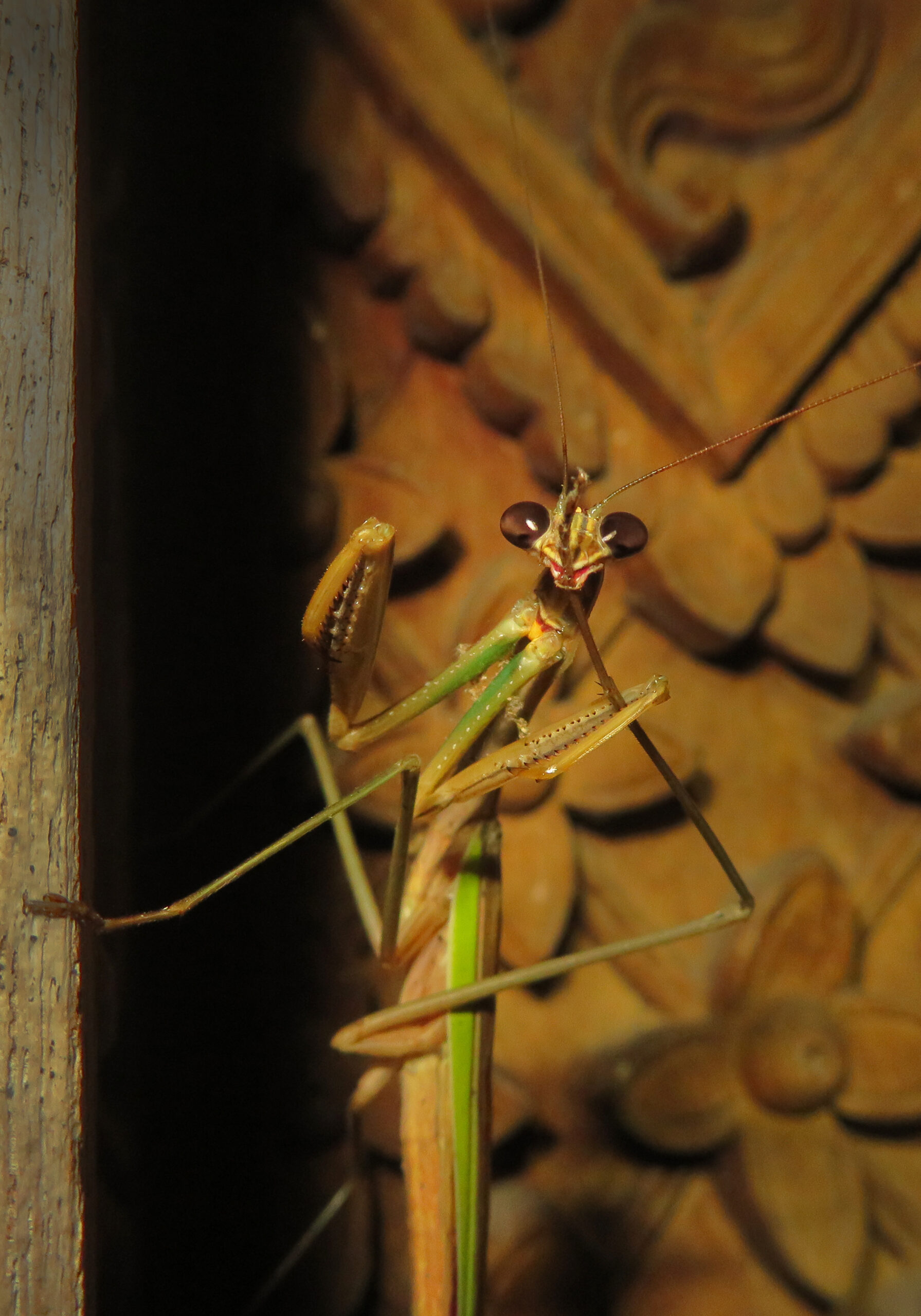
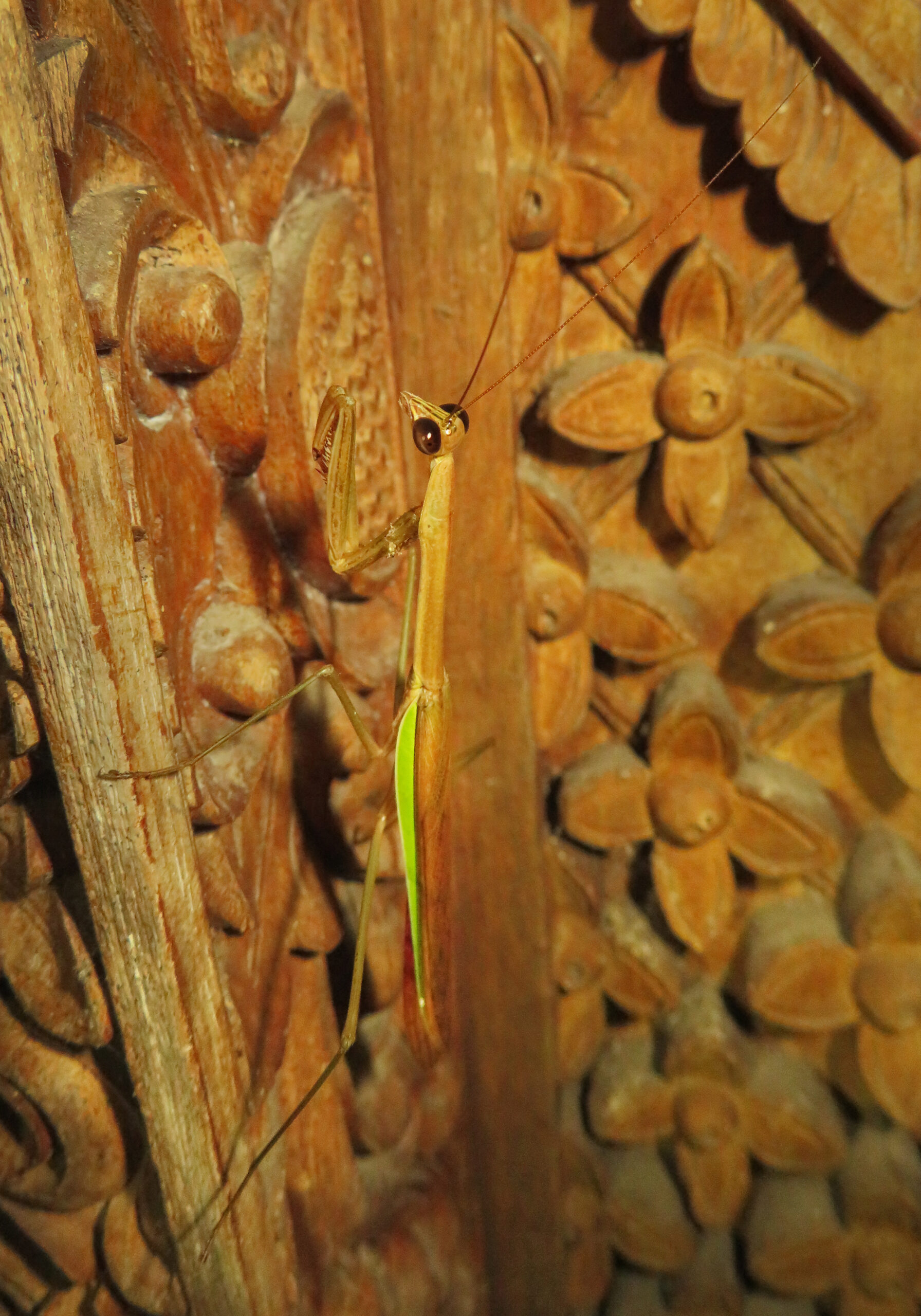
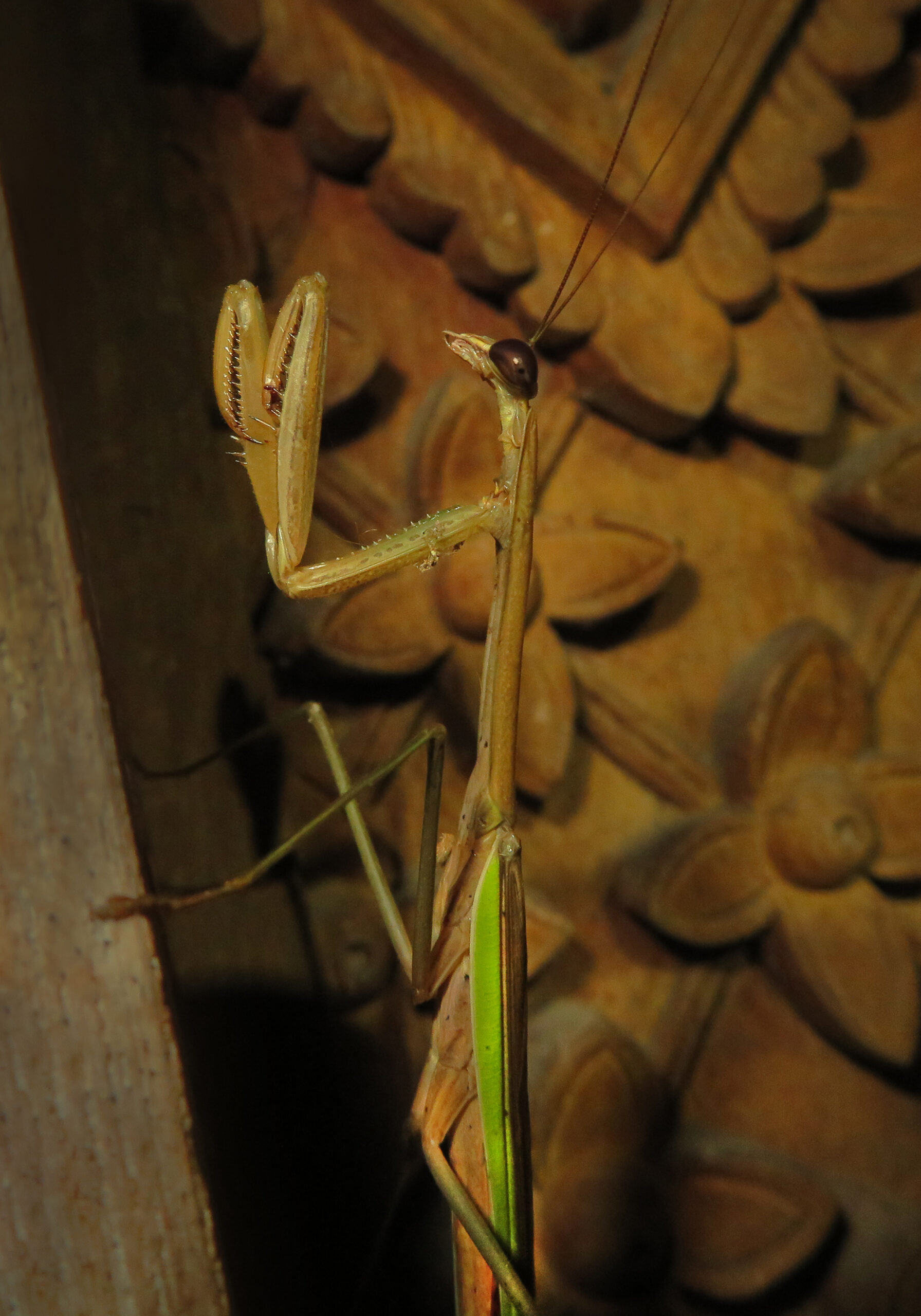
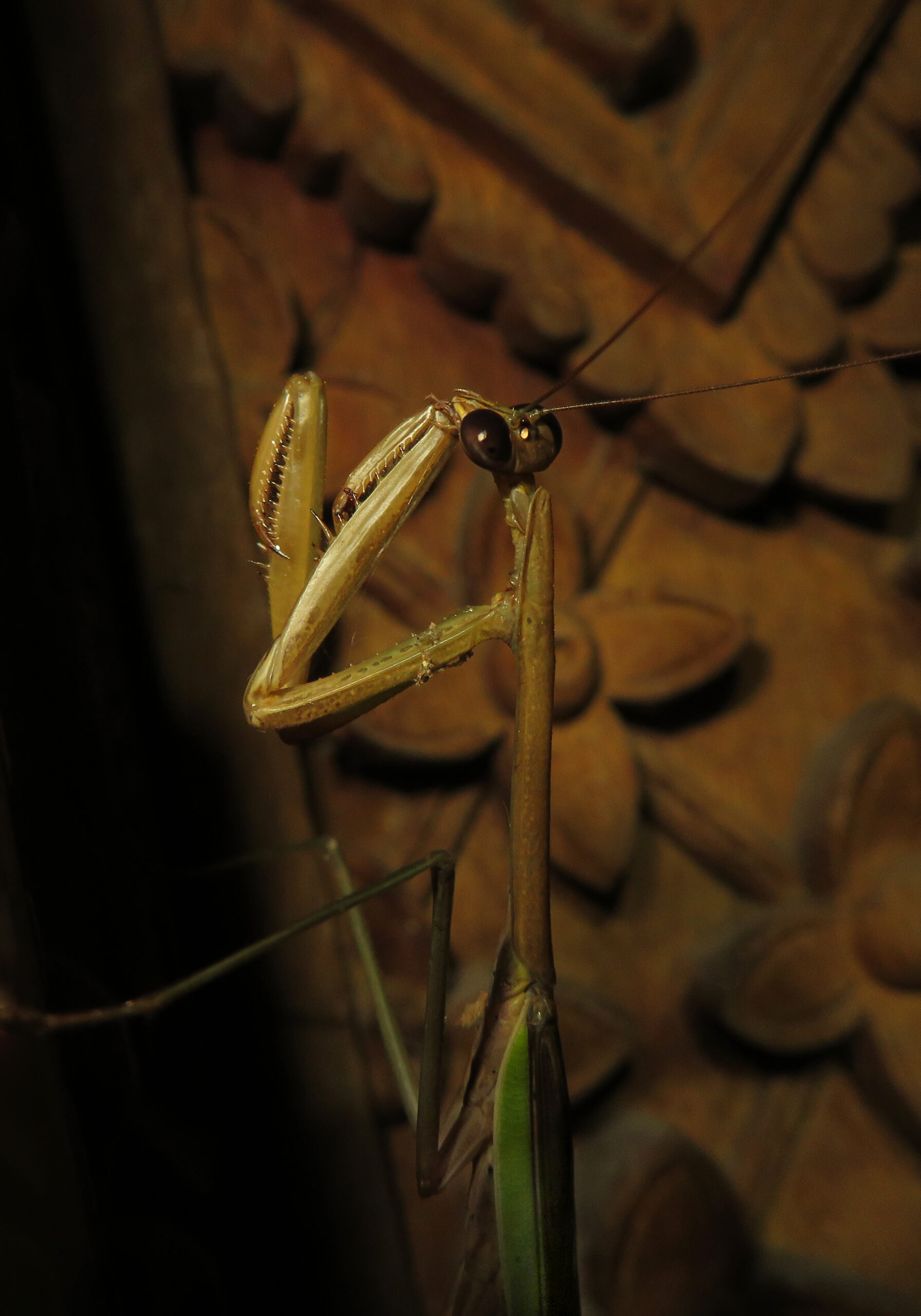
Mantises of the superfamily Mantoidea are generally characterized by an elongated body, a highly mobile triangular head, large compound eyes, and powerful raptorial forelegs equipped with spines for capturing prey. Their excellent vision and ability to rotate the head allow them to effectively locate and track moving prey.
Most species are ambush predators. They typically remain motionless among vegetation, relying on camouflage to avoid detection. When prey comes within reach, they strike rapidly with their specialized forelegs, securing insects and other small animals. Their diet primarily consists of insects, although larger species may occasionally capture spiders, small reptiles, amphibians, or other vertebrates.
Coloration and body shape vary considerably among species. Many exhibit shades of green, brown, or gray that blend with leaves, bark, or dry vegetation. Some species possess remarkable adaptations that mimic twigs, leaves, or flowers, enhancing both camouflage and hunting success.
The life cycle involves incomplete metamorphosis, with development proceeding through egg, nymph, and adult stages. Females produce protective egg cases known as oothecae, which contain multiple eggs and help safeguard developing offspring. Nymphs resemble miniature adults and undergo several molts before reaching maturity.
Mantoidea includes some of the largest and most species-rich mantis families, such as Mantidae and related groups, representing a broad range of ecological adaptations and behaviors.
Ecologically, members of Mantoidea play an important role as predators within terrestrial ecosystems, helping regulate populations of insects and other arthropods. They also serve as prey for birds, reptiles, amphibians, and mammals. Their combination of stealth, camouflage, and predatory efficiency makes them among the most recognizable and ecologically important groups of praying mantises.