Bali Wildlife
Every Spices Matter


Spilomelinae is the largest and most species-rich subfamily within the family Crambidae (Superfamily Pyraloidea, Order Lepidoptera), comprising more than 4,000 described species worldwide. Members are distributed across all major biogeographic regions, with the greatest diversity occurring in tropical and subtropical areas. They inhabit forests, grasslands, wetlands, agricultural fields, plantations, gardens, and urban green spaces, where they are associated with a wide variety of host plants.
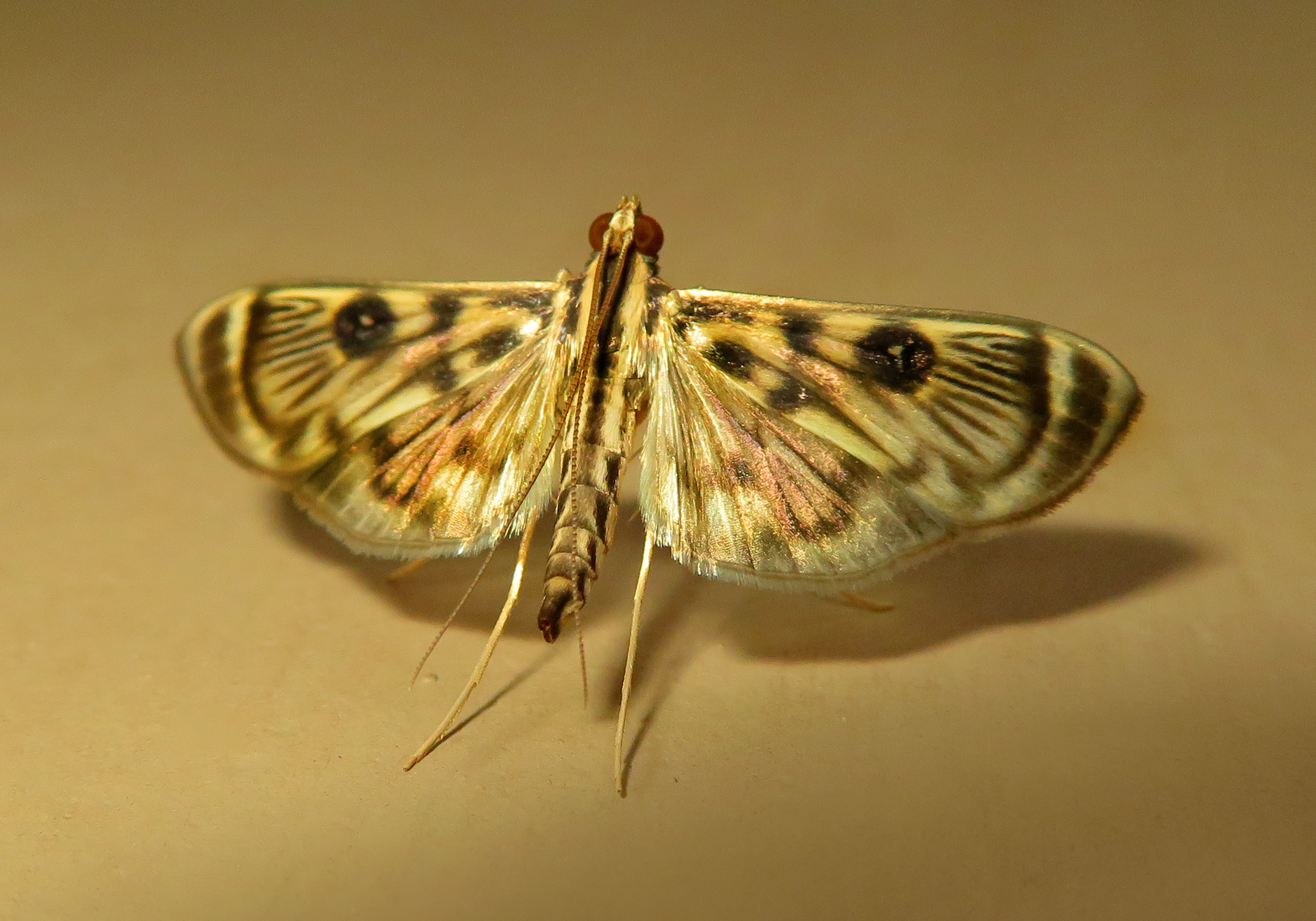
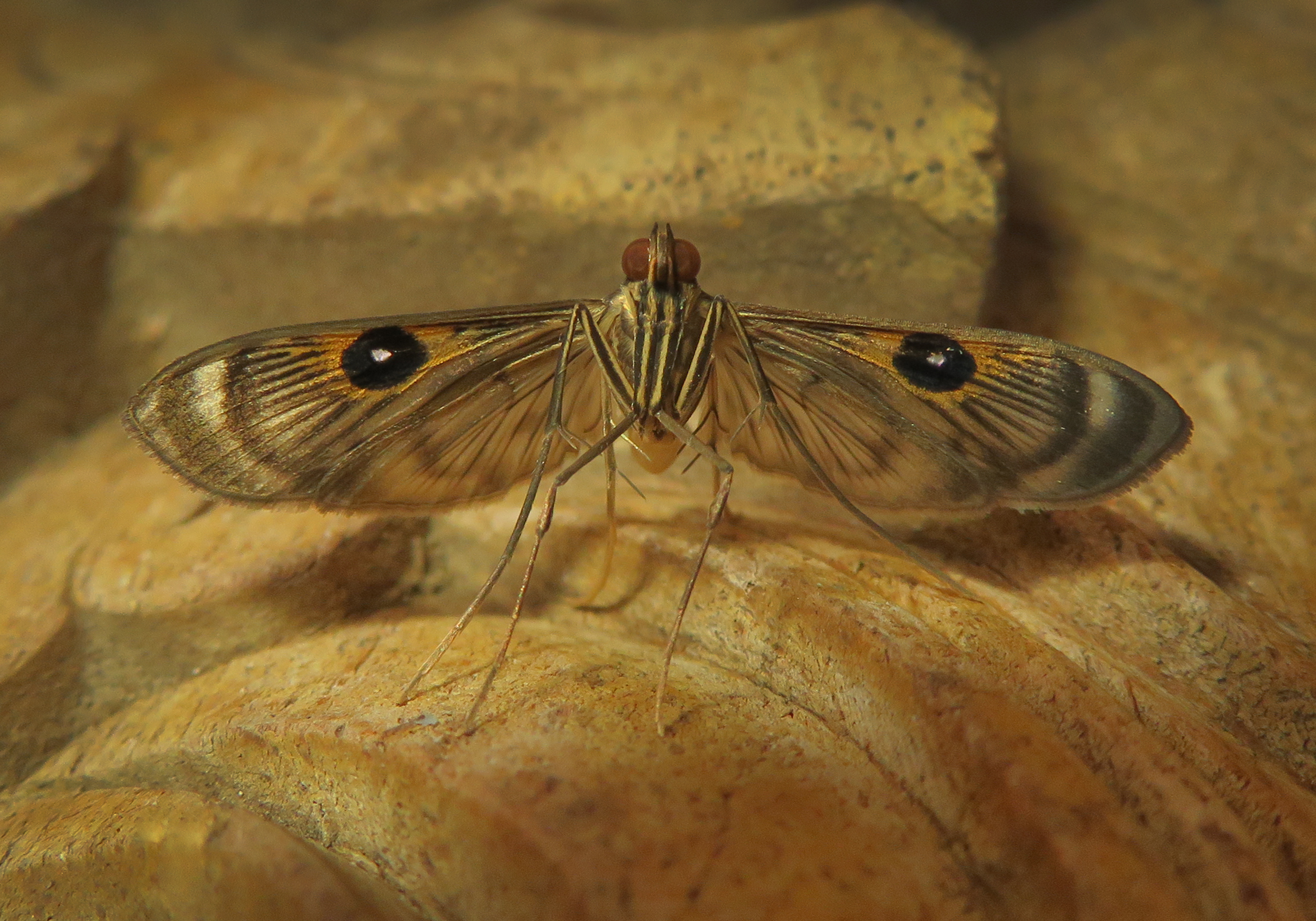
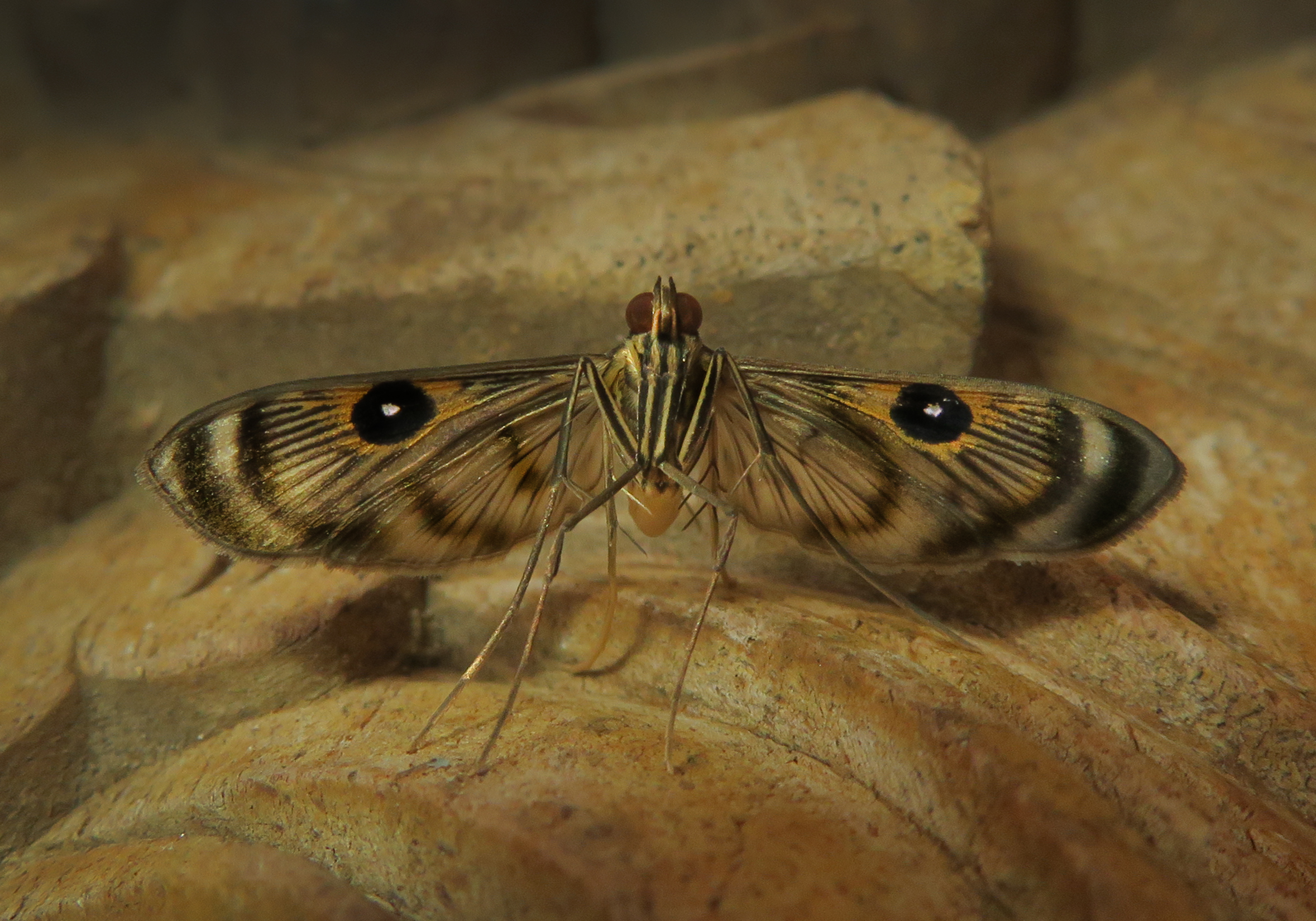
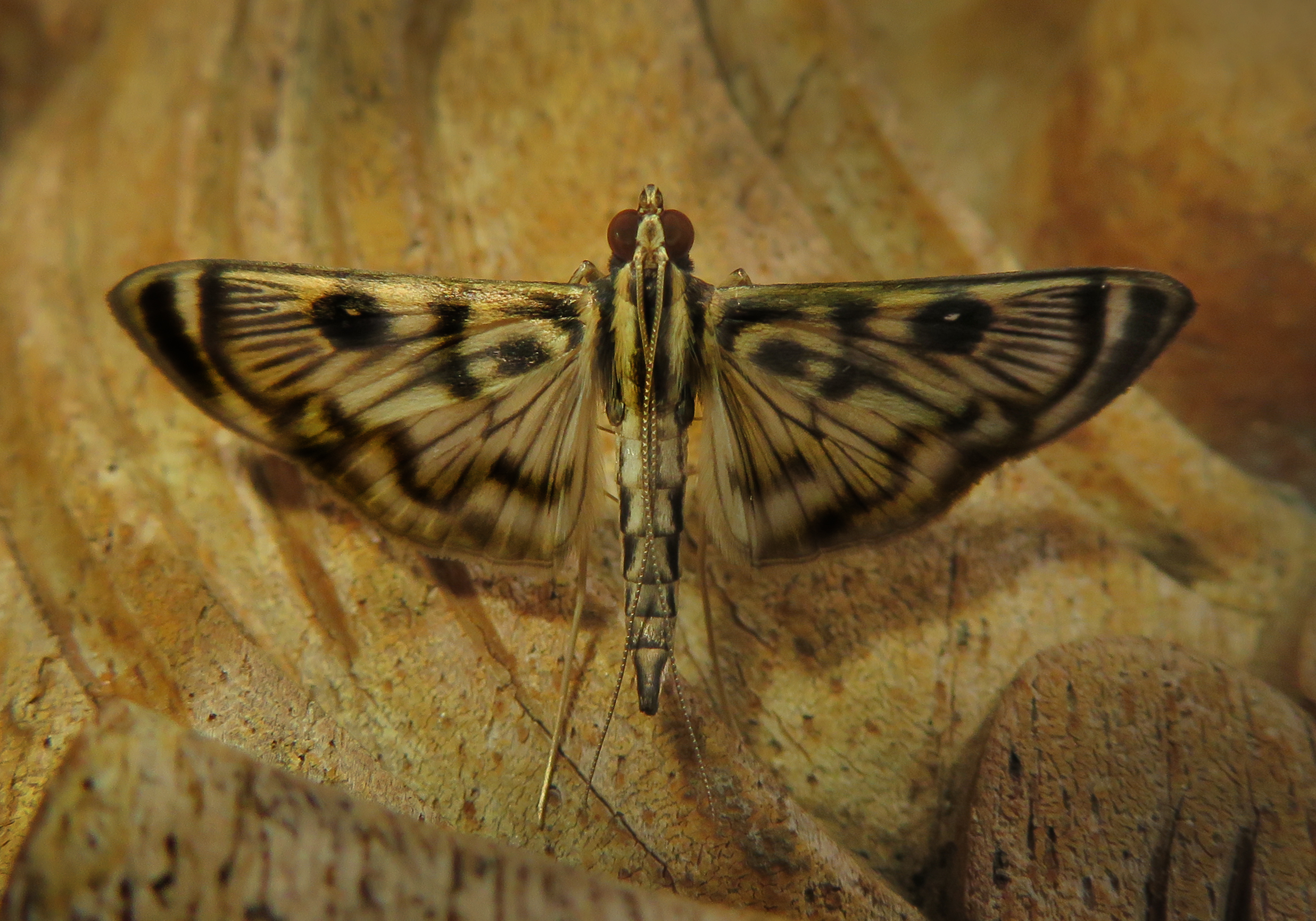
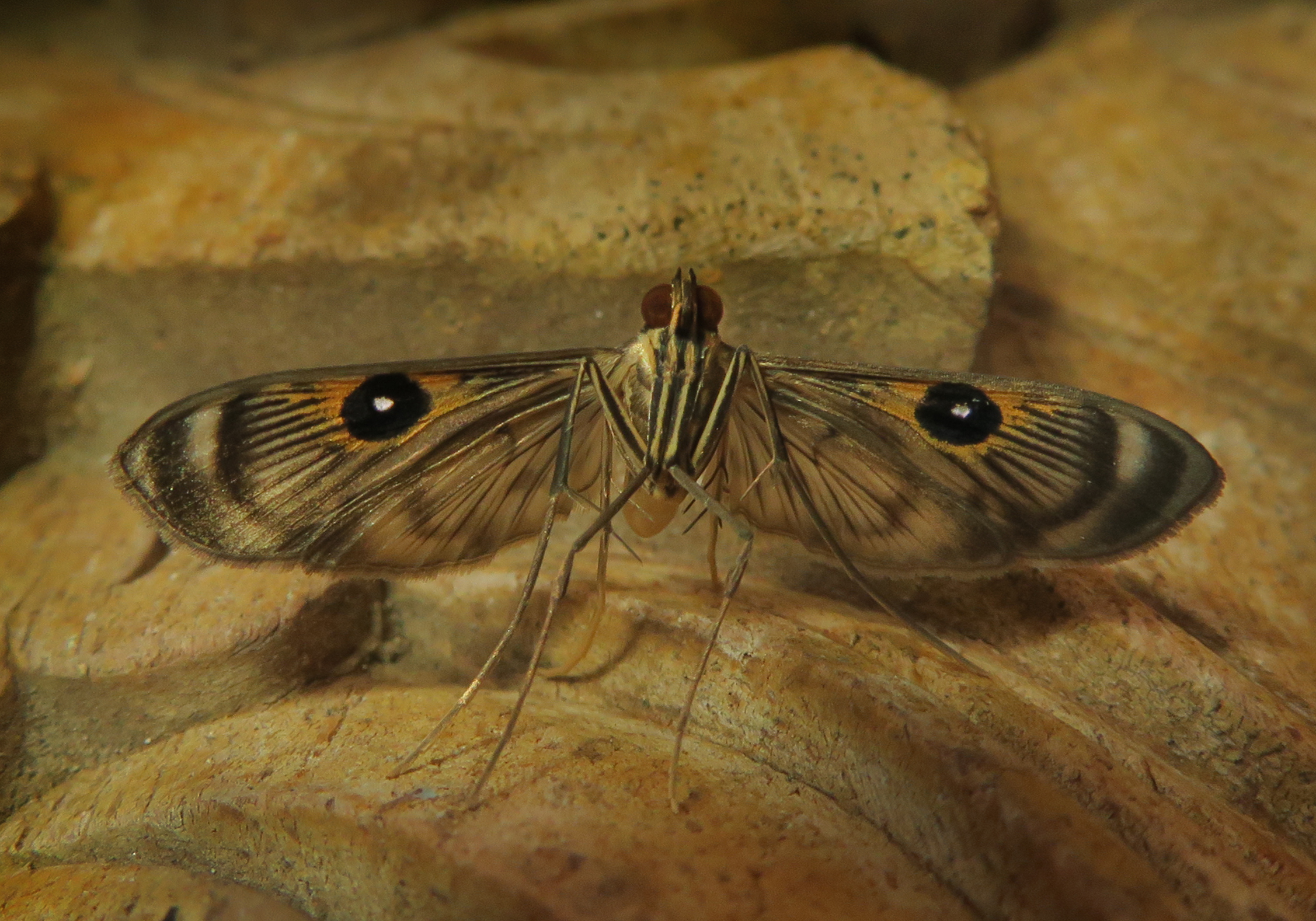
Moths of the subfamily Spilomelinae are generally small to medium-sized and possess slender bodies with broad, triangular wings that are typically held roof-like over the body when at rest. Wing patterns are highly variable and may include shades of white, cream, yellow, orange, brown, gray, black, or metallic hues. Many species display intricate bands, spots, or translucent areas that provide camouflage or serve in species recognition.
Adults are mostly nocturnal or crepuscular, although some species are active during daylight hours. They possess a well-developed proboscis and commonly feed on nectar and other sugary plant exudates, contributing to the pollination of numerous flowering plants.
The life cycle involves complete metamorphosis, consisting of egg, larva (caterpillar), pupa, and adult stages. Caterpillars exhibit a wide range of feeding habits. Many species are leaf rollers, leaf folders, or web builders, while others bore into stems, flowers, fruits, or seed pods. Host plants include members of numerous plant families, reflecting the remarkable ecological diversity of the subfamily. Several species are economically important pests of crops such as rice, maize, sugarcane, vegetables, legumes, and fruit trees.
The subfamily includes numerous well-known genera, such as Spoladea, Maruca, Cnaphalocrocis, Diaphania, Glyphodes, Herpetogramma, and Palpita, representing a wide variety of ecological adaptations and host-plant associations.
Ecologically, Spilomelinae moths play important roles as herbivores during their larval stage and as pollinators during adulthood. They also serve as prey for birds, bats, reptiles, amphibians, spiders, parasitoid wasps, and predatory insects. Their interactions with host plants, natural enemies, and pollinated flowers make them significant contributors to ecosystem functioning, agricultural systems, and global insect biodiversity.