Bali Wildlife
Every Spices Matter


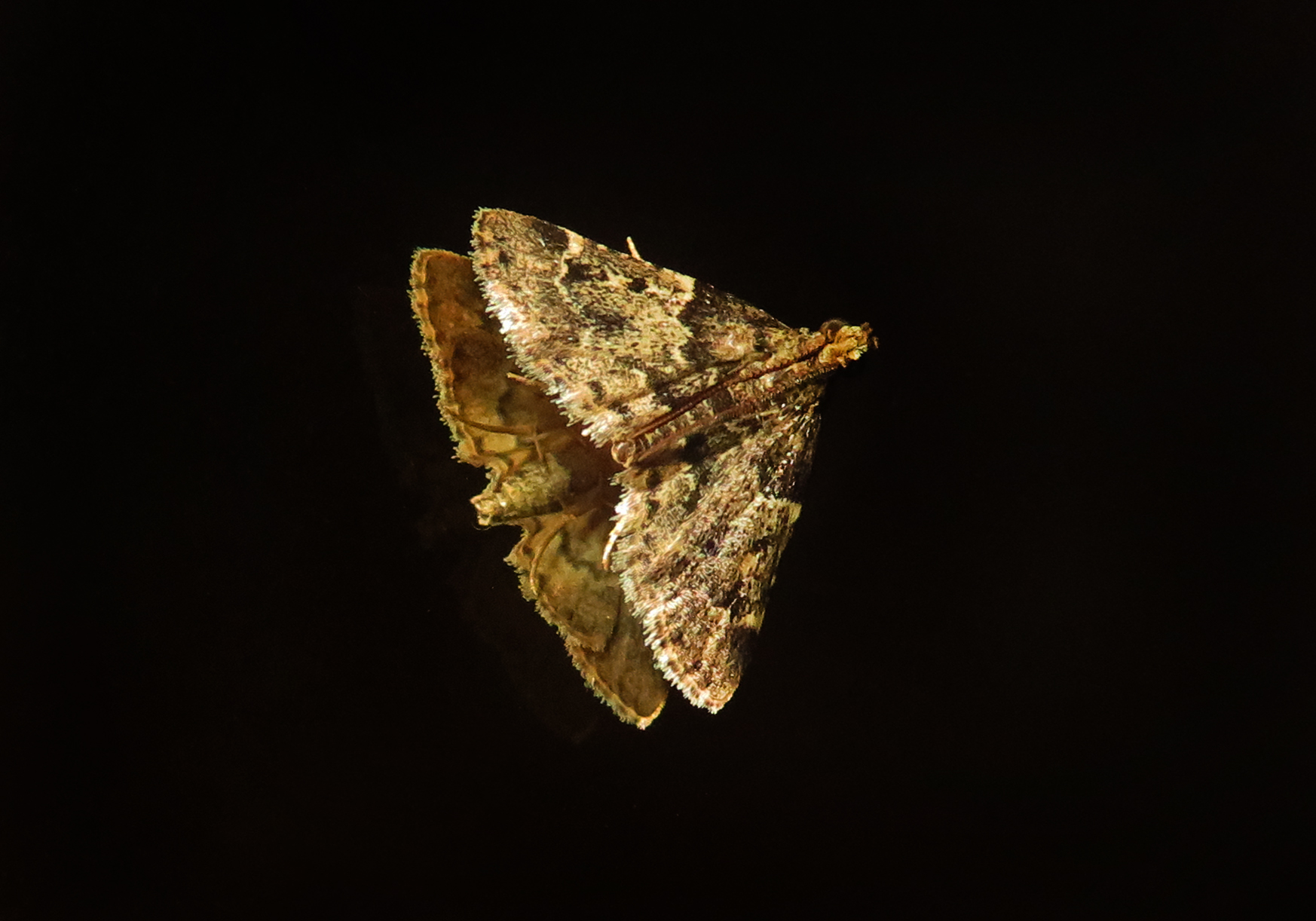
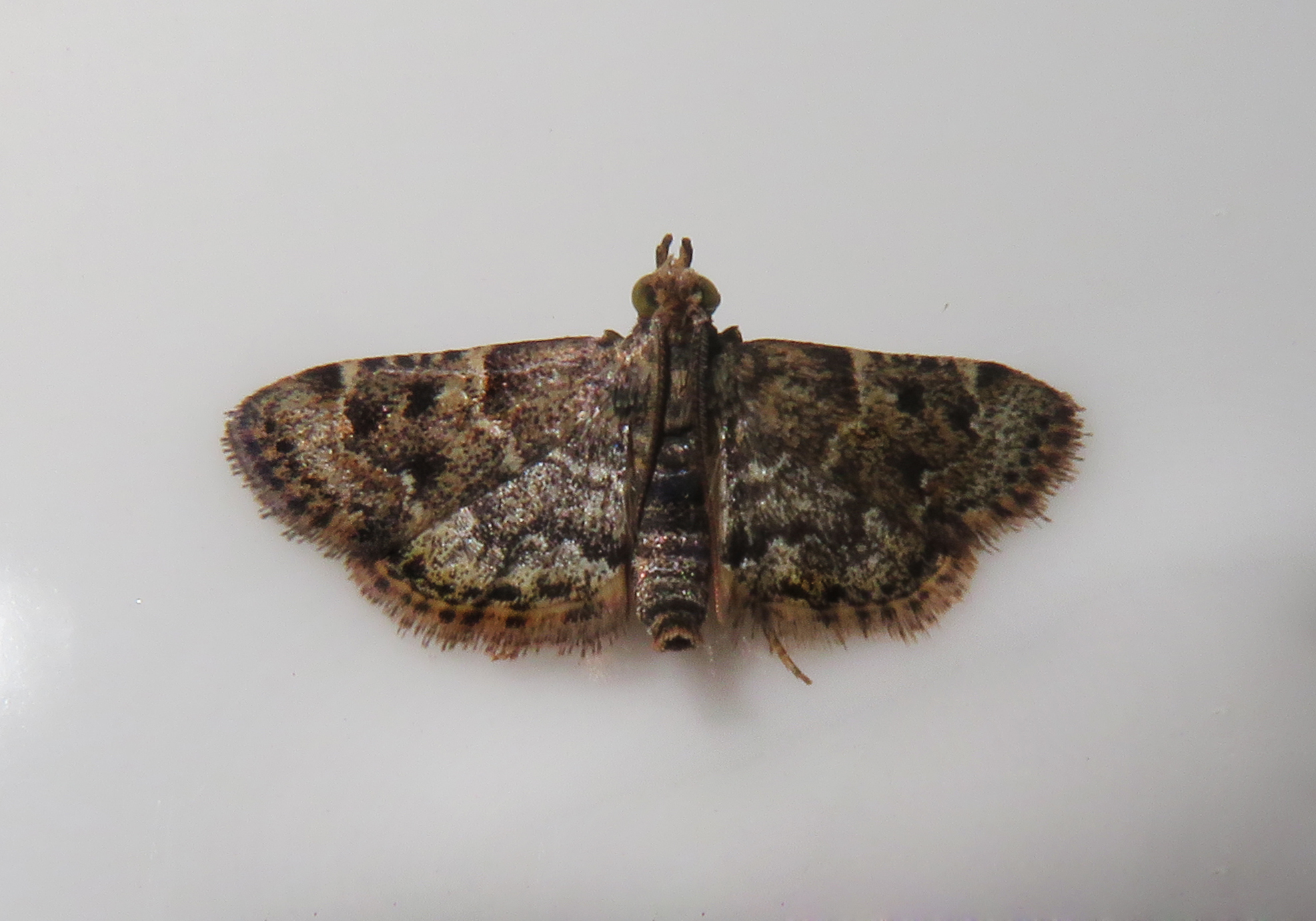
Pyraloidea is a large and diverse superfamily of moths within the order Lepidoptera, comprising more than 16,000 described species worldwide. It includes two major families, Pyralidae and Crambidae, whose members are distributed across all continents except Antarctica. Pyraloid moths occupy a remarkable variety of habitats, including tropical rainforests, temperate woodlands, grasslands, wetlands, deserts, agricultural fields, gardens, and urban environments.
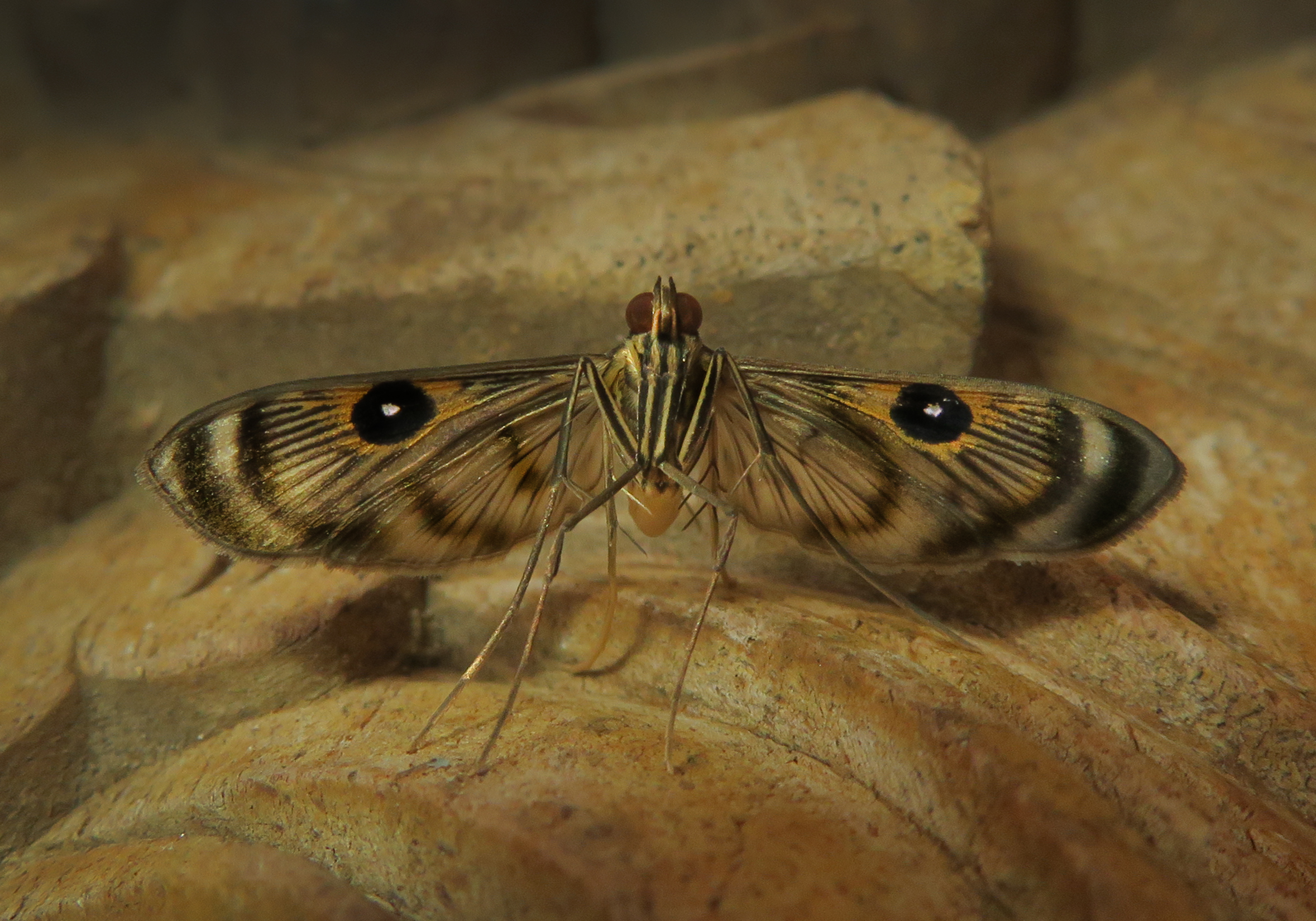
Moths of the superfamily Pyraloidea are generally small to medium-sized and are recognized by their slender bodies and characteristic resting posture, in which the wings are held roof-like over the body. Many species possess elongated labial palps that project forward from the head, giving rise to the common name snout moths for many members of the group.
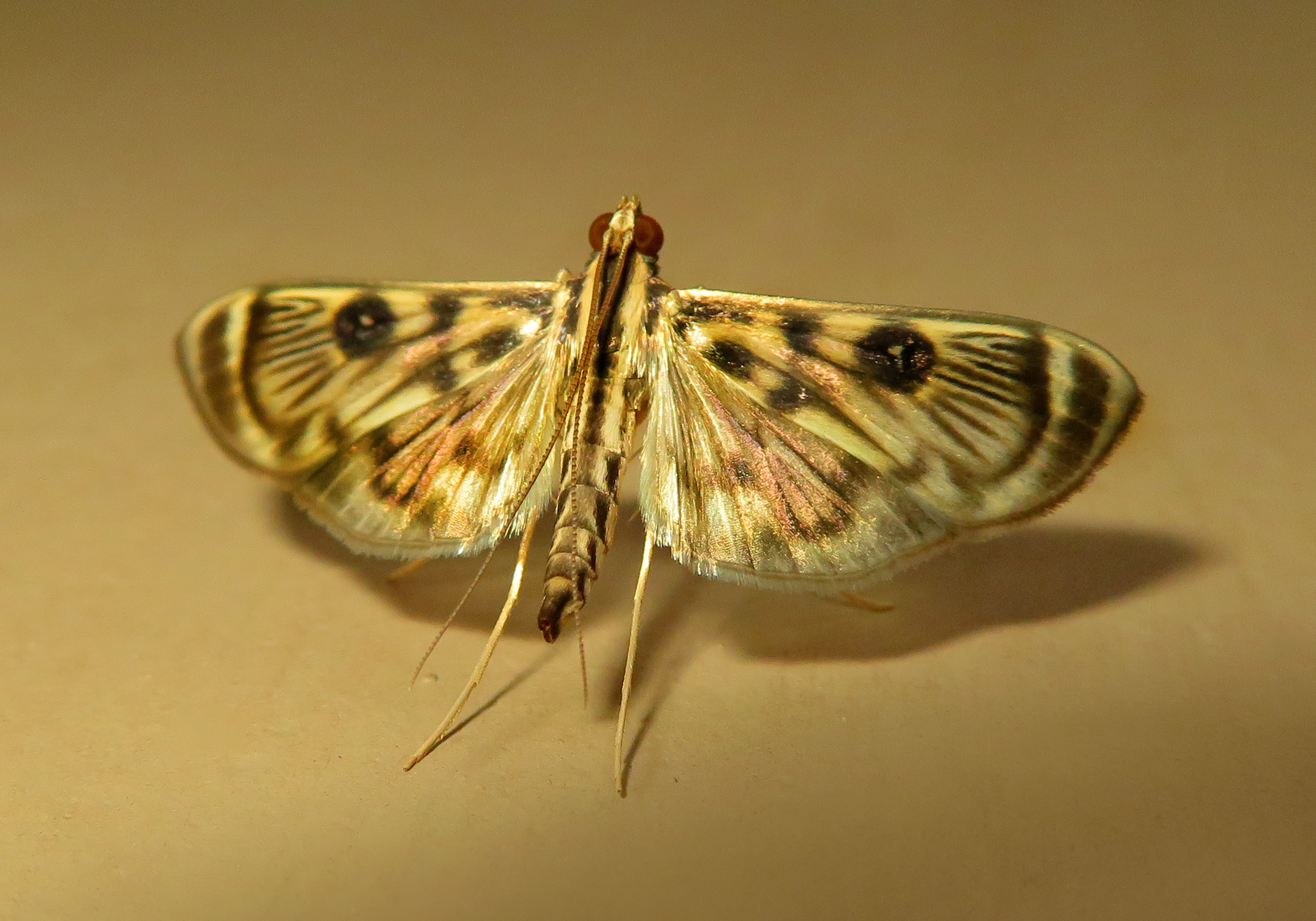
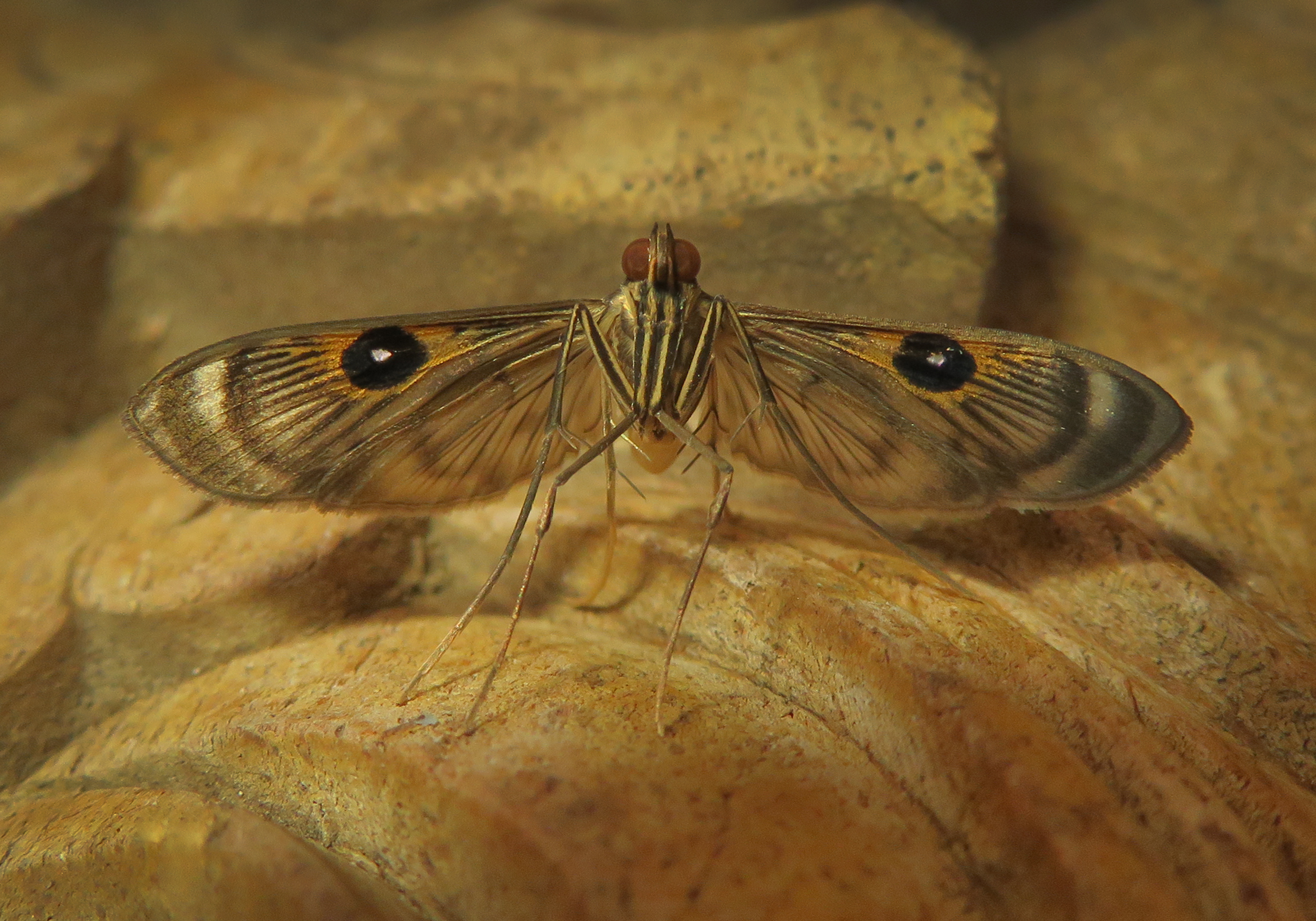
Wing coloration is highly variable, ranging from dull shades of brown, gray, and cream that provide camouflage against bark and foliage to brightly patterned species with metallic, golden, or vividly colored markings. Adults usually have well-developed mouthparts and feed on nectar, plant sap, fermenting fruits, or other sugary substances, although some species feed little or not at all.
The life cycle involves complete metamorphosis, consisting of egg, larva (caterpillar), pupa, and adult stages. Caterpillars exhibit remarkable ecological diversity. Many feed externally on leaves, stems, flowers, fruits, or seeds, while others bore into stems, fruits, and roots or construct silken shelters by rolling or tying leaves together. Several aquatic species inhabit freshwater environments, feeding on submerged aquatic plants.
The superfamily includes the families Pyralidae (snout moths) and Crambidae (grass moths and crambid moths), which together contain an enormous diversity of feeding strategies and ecological adaptations. Numerous species are of considerable agricultural importance, including pests of rice, maize, sugarcane, stored grains, fruits, vegetables, and ornamental plants, while others play beneficial roles as pollinators or as biological control agents of invasive weeds.
Ecologically, Pyraloidea moths are important herbivores, pollinators, and prey for birds, bats, reptiles, amphibians, spiders, and predatory insects. Their larvae contribute to plant–insect interactions, nutrient cycling, and food web dynamics across a wide range of terrestrial and freshwater ecosystems. Owing to their immense diversity and ecological significance, Pyraloidea represents one of the largest and most successful radiations within the Lepidoptera.