

Common Swallowtails (Genus Papilio)
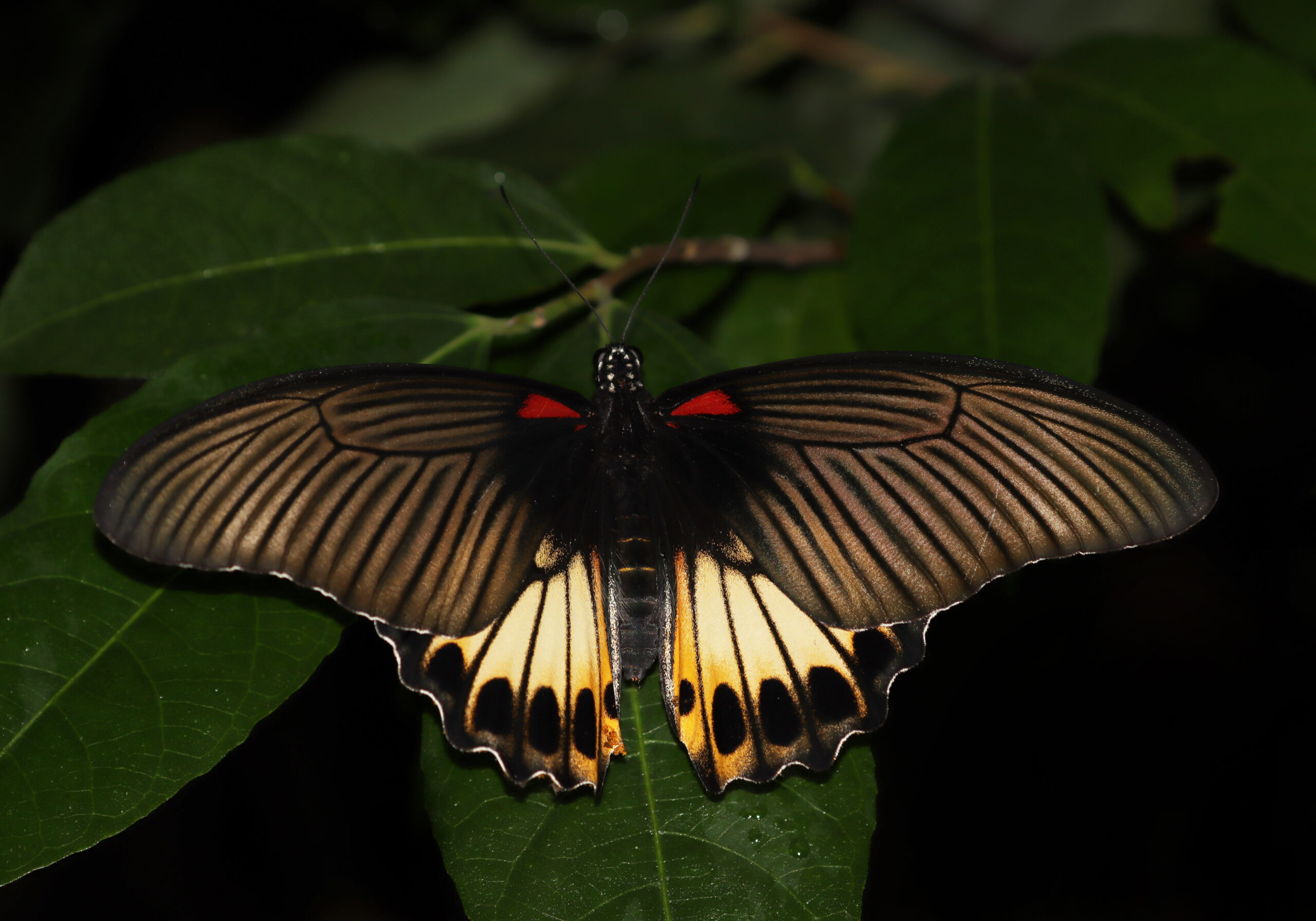
Papilio is the largest and best-known genus of swallowtail butterflies within the tribe Papilionini (Subfamily Papilioninae, Family Papilionidae, Superfamily Papilionoidea, Order Lepidoptera). The genus comprises more than 200 described species distributed across tropical, subtropical, and temperate regions of Africa, Asia, Europe, Australia, and the Americas. Members inhabit tropical rainforests, temperate forests, woodland edges, grasslands, river valleys, agricultural landscapes, orchards, parks, and gardens, where suitable larval host plants are abundant.
Butterflies of the genus Papilio are generally medium to large in size and are among the most recognizable butterflies in the world. They possess a robust body, broad forewings, and hindwings that usually bear the characteristic tail-like projections typical of swallowtail butterflies, although tails are reduced or absent in some species. Wing coloration is highly variable, ranging from black, brown, and white to brilliant combinations of yellow, green, blue, orange, and red. Many species display iridescent scales, eye spots, bands, or patches that function in camouflage, mate recognition, or predator deterrence. Several species exhibit remarkable Batesian mimicry, particularly females that resemble distasteful butterflies.
Adults are diurnal and are powerful, agile fliers capable of traveling considerable distances in search of nectar sources and mates. They feed primarily on nectar from flowering plants using their long, coiled proboscis. Males frequently gather at damp soil, riverbanks, or animal droppings to obtain essential minerals through mud-puddling, which enhances reproductive success.
The life cycle involves complete metamorphosis, consisting of egg, larva (caterpillar), pupa (chrysalis), and adult stages. Females lay eggs singly on the leaves or young shoots of host plants. Caterpillars feed mainly on species belonging to the families Rutaceae, Apiaceae, Lauraceae, and Magnoliaceae, depending on the species. Like all papilionid larvae, they possess an eversible, forked defensive organ called the osmeterium, located behind the head, which emits a pungent secretion when the caterpillar is disturbed. Early instars commonly resemble bird droppings, whereas later instars are usually green and leaf-like, providing excellent camouflage. Pupation occurs on stems or twigs, where the chrysalis is attached by a silken girdle.
The genus includes numerous iconic species, including Papilio machaon (Old World Swallowtail), Papilio polytes (Common Mormon), Papilio demoleus (Lime Swallowtail), Papilio memnon (Great Mormon), Papilio helenus (Red Helen), and Papilio paris (Paris Peacock). Many species are valued for their striking beauty, while some, such as P. demoleus, are recognized as agricultural pests of citrus crops.
Ecologically, Papilio butterflies are important pollinators of flowering plants and contribute significantly to ecosystem functioning through plant–pollinator interactions. Their caterpillars influence host plant dynamics through herbivory, while both larvae and adults provide food for birds, reptiles, spiders, predatory insects, and parasitoids. Their close association with specific host plants and sensitivity to habitat quality make Papilio species valuable indicators of biodiversity, ecosystem integrity, and environmental health.