

Fluted Swallowtails (Tribe Papilionini)
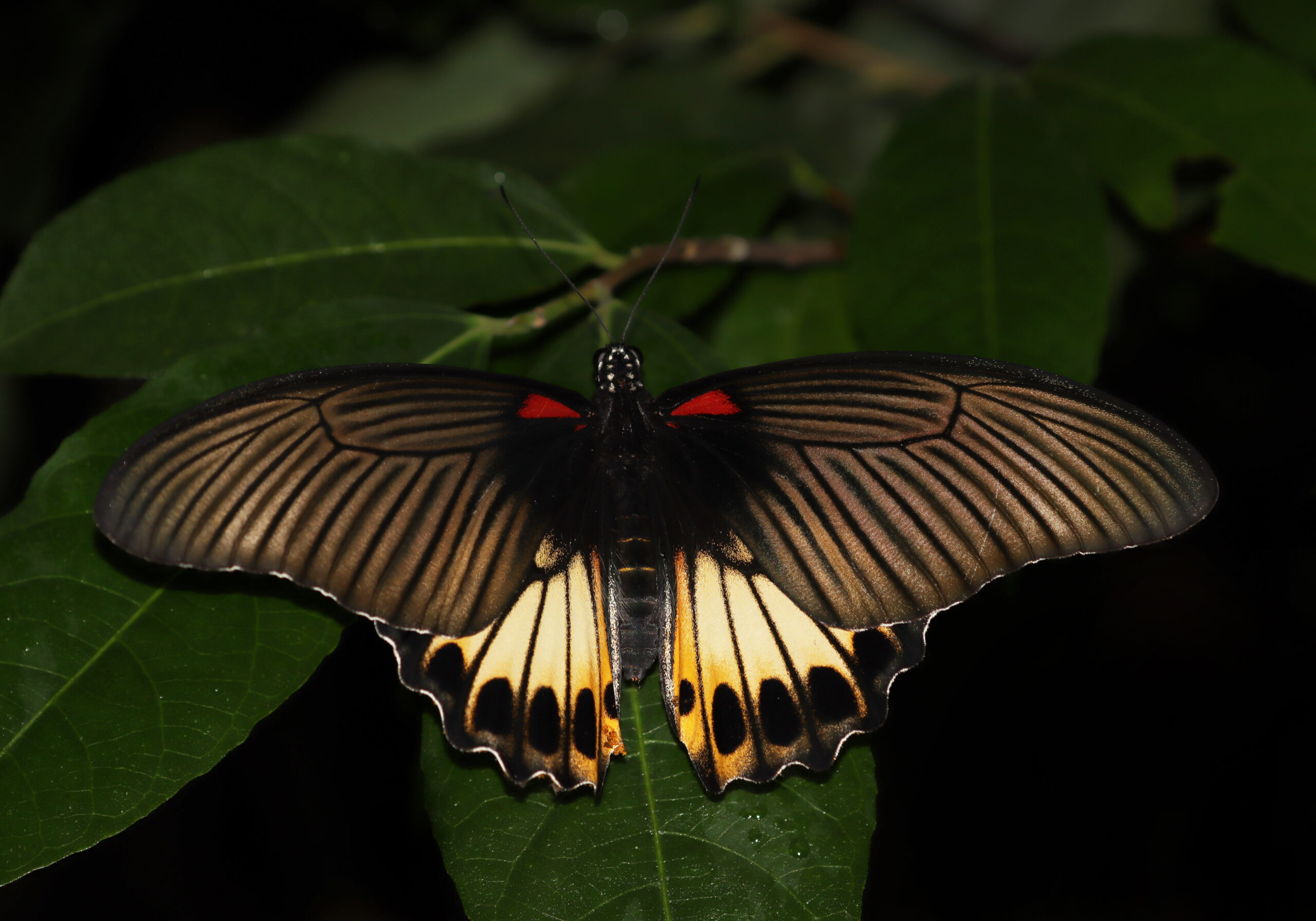
Papilionini is a tribe of swallowtail butterflies within the subfamily Papilioninae (Family Papilionidae, Superfamily Papilionoidea, Order Lepidoptera). It is one of the largest and most widely distributed tribes of swallowtails, comprising more than 250 described species found across tropical, subtropical, and temperate regions of the world. Members occur in diverse habitats, including tropical rainforests, temperate woodlands, grasslands, mountain forests, river valleys, agricultural landscapes, parks, and gardens, where suitable larval host plants are available.
Butterflies of the tribe Papilionini are generally medium to large in size and are characterized by a robust body, broad wings, and powerful, graceful flight. Many species possess the characteristic tail-like extensions on the hindwings typical of swallowtails, although these are absent or greatly reduced in some species. Wing coloration is highly diverse, ranging from black, brown, and white to vivid combinations of yellow, green, blue, orange, and red. Many species display iridescent scales, eye spots, or bold bands that function in camouflage, warning coloration, or mimicry.
Adults are diurnal and feed primarily on floral nectar using a long, coiled proboscis. They are strong fliers that readily travel between flowering plants, forest clearings, and open habitats. Males frequently engage in mud-puddling, gathering on damp soil, riverbanks, or animal droppings to obtain minerals, particularly sodium, which are important for successful reproduction.
The life cycle involves complete metamorphosis, consisting of egg, larva (caterpillar), pupa (chrysalis), and adult stages. Females lay eggs singly on the leaves or young shoots of host plants. Caterpillars feed mainly on members of the families Rutaceae, Apiaceae, Lauraceae, and several related plant families, depending on the species. Like other papilionids, the larvae possess a distinctive osmeterium, a retractable, forked gland located behind the head that emits pungent defensive chemicals when disturbed. Early instars often resemble bird droppings, whereas later instars become green and leaf-like, providing effective camouflage.
The tribe includes the well-known genus Papilio, one of the largest butterfly genera in the world, with species such as Papilio demoleus (Lime Swallowtail), Papilio polytes (Common Mormon), Papilio memnon (Great Mormon), and Papilio machaon (Old World Swallowtail). Many species exhibit remarkable forms of Batesian mimicry, particularly females that resemble distasteful butterflies to reduce predation.
Ecologically, Papilionini butterflies are important pollinators that contribute to the reproduction of numerous flowering plants. Their caterpillars play significant roles as herbivores, while both larvae and adults provide food for birds, reptiles, spiders, predatory insects, and parasitoids. Their dependence on specific host plants and healthy habitats makes them valuable indicators of ecosystem integrity, habitat quality, and biodiversity.