Bali Wildlife
Every Spices Matter


Papilioninae is the largest and most diverse subfamily within the family Papilionidae (Superfamily Papilionoidea, Order Lepidoptera). It comprises more than 500 described species of swallowtail butterflies distributed throughout tropical, subtropical, and temperate regions of the world, with the greatest diversity occurring in Asia, Africa, and the Americas. Members inhabit tropical rainforests, deciduous forests, grasslands, mountain slopes, river valleys, agricultural landscapes, parks, and gardens.
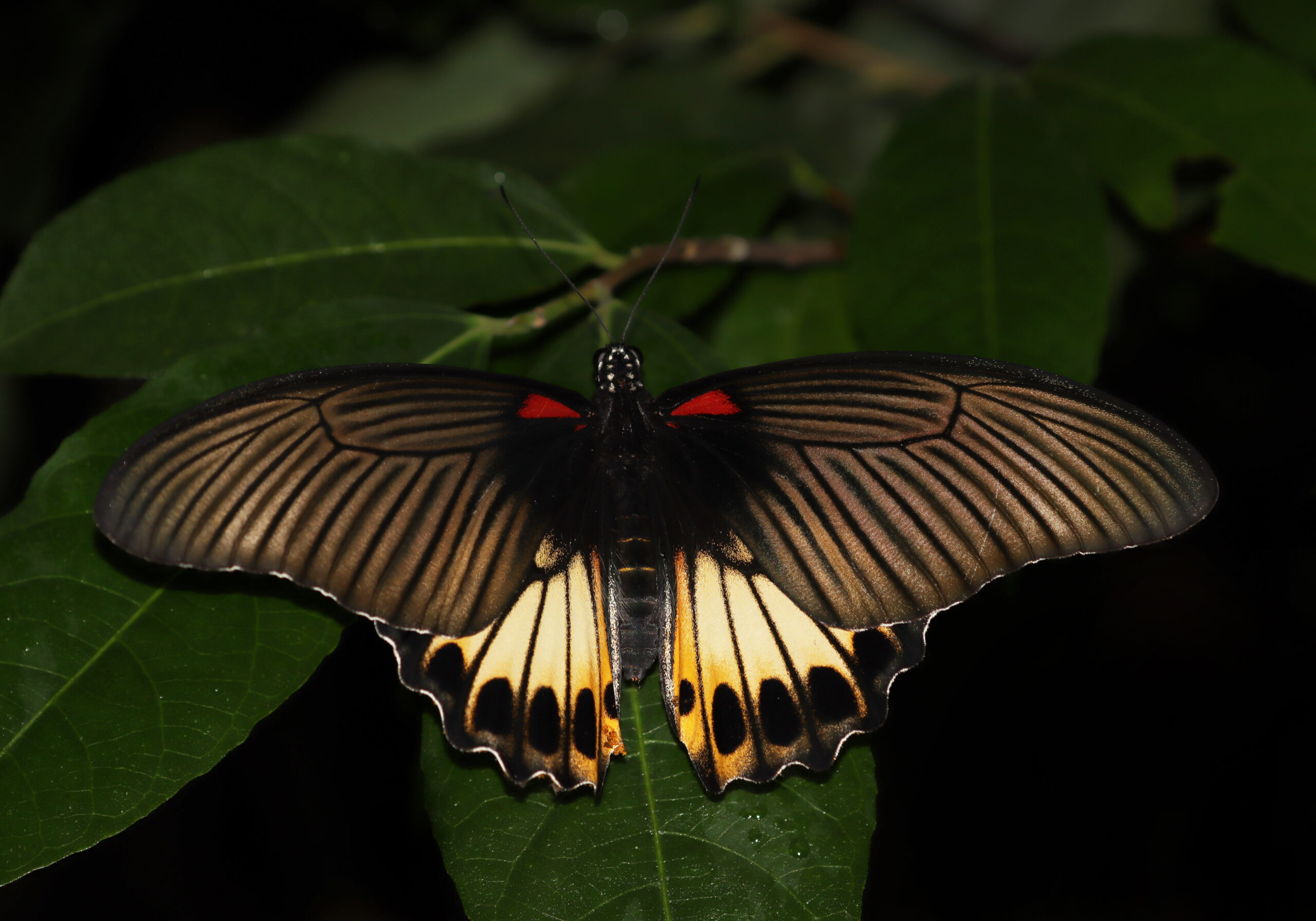
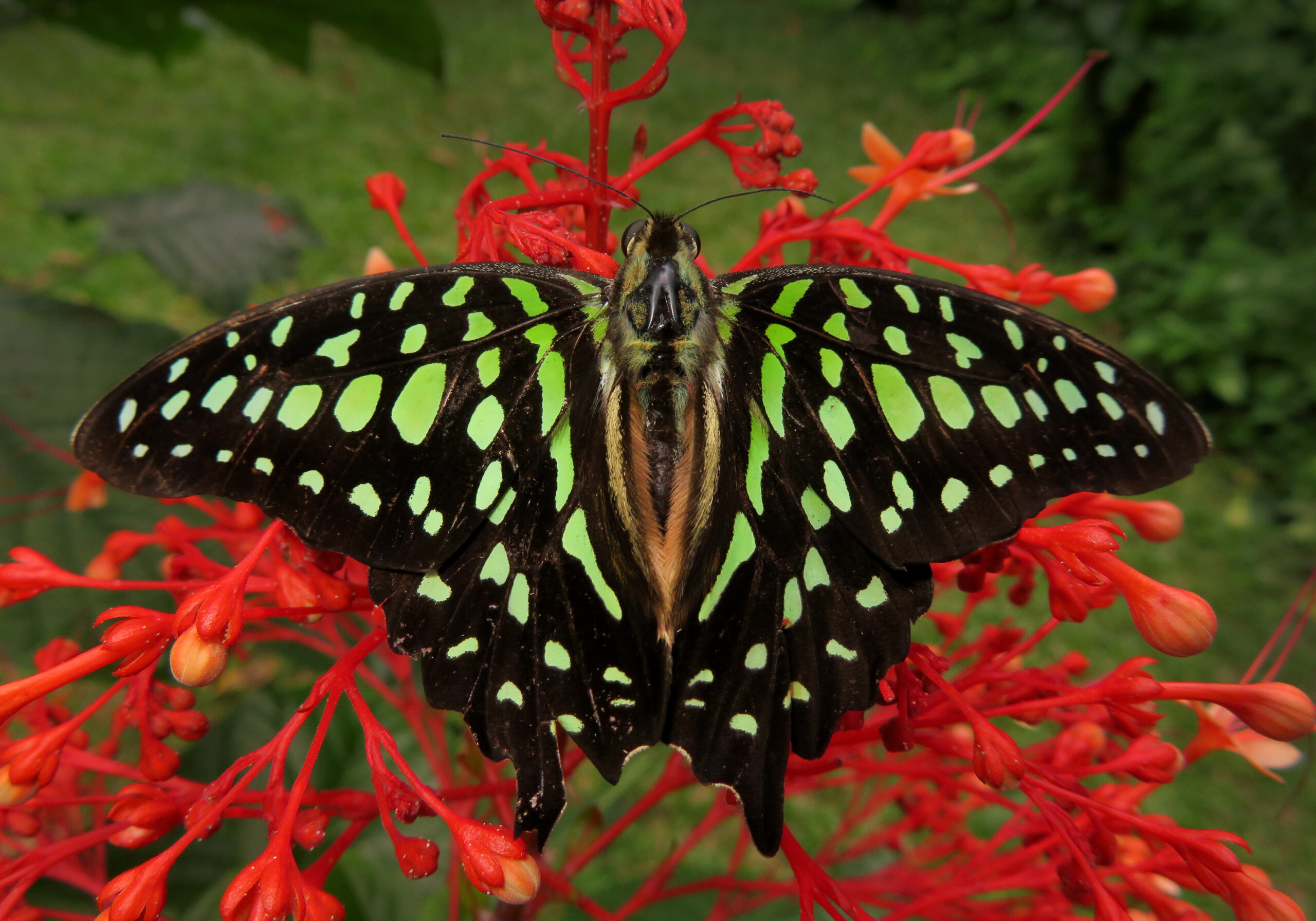
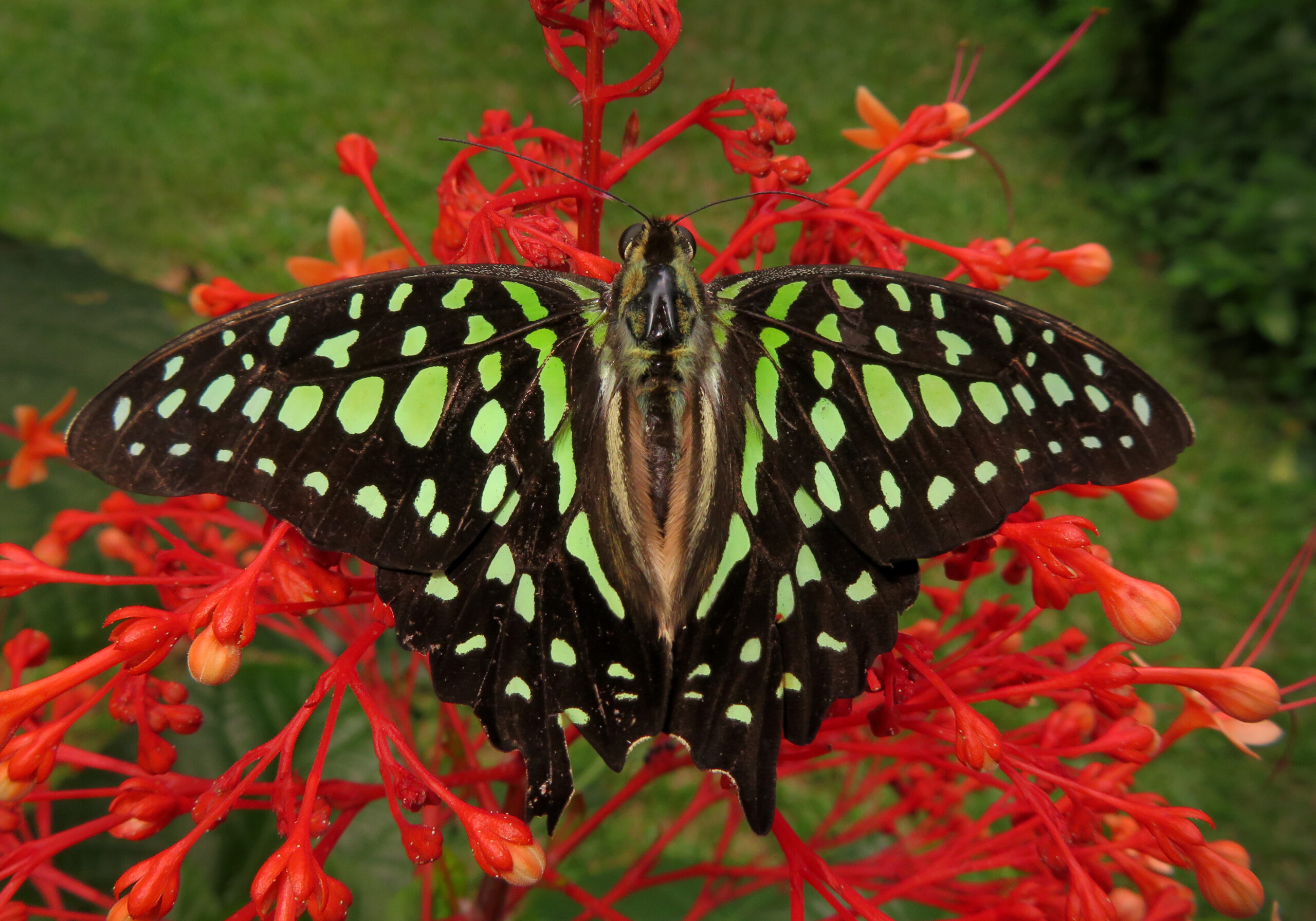
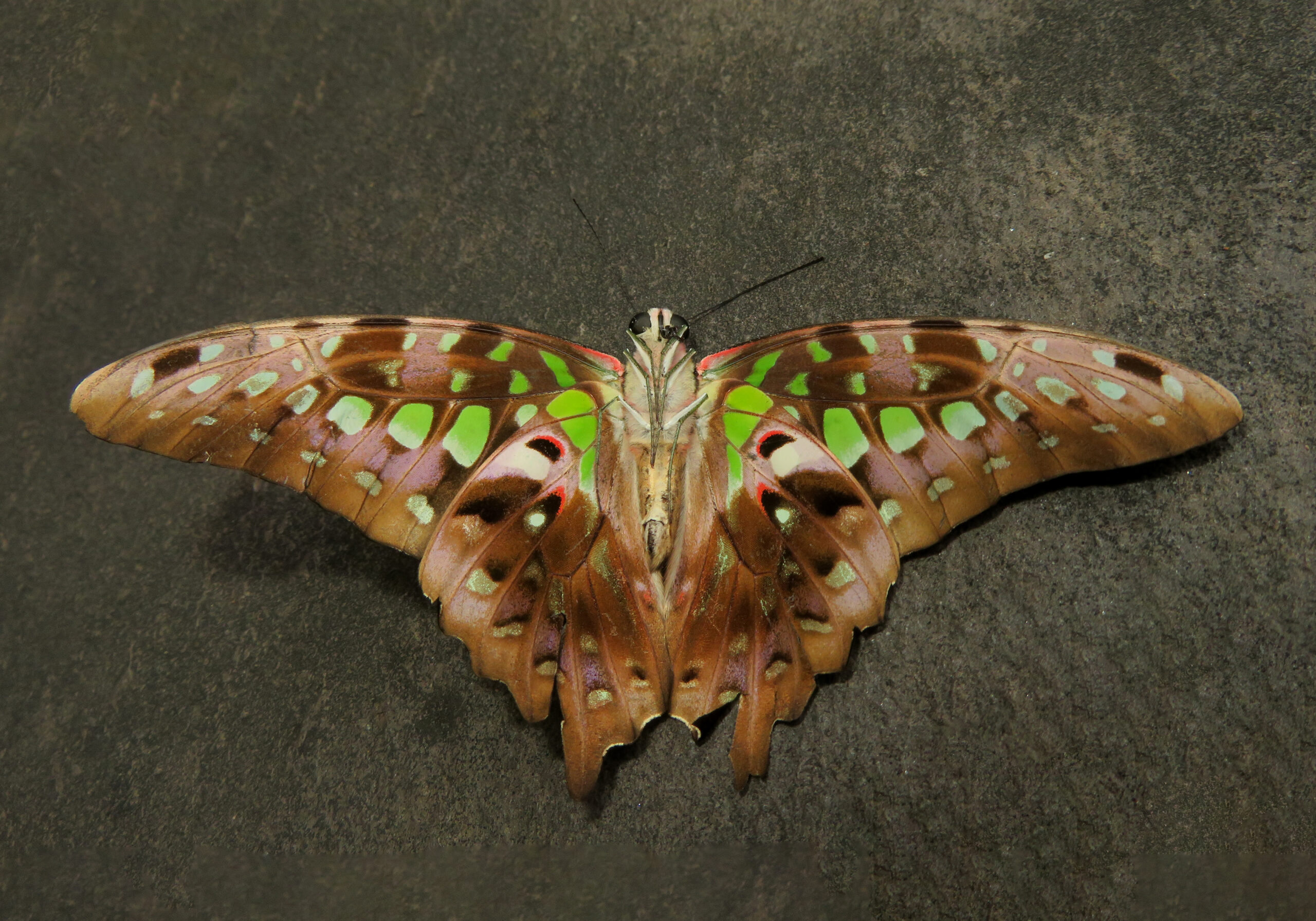
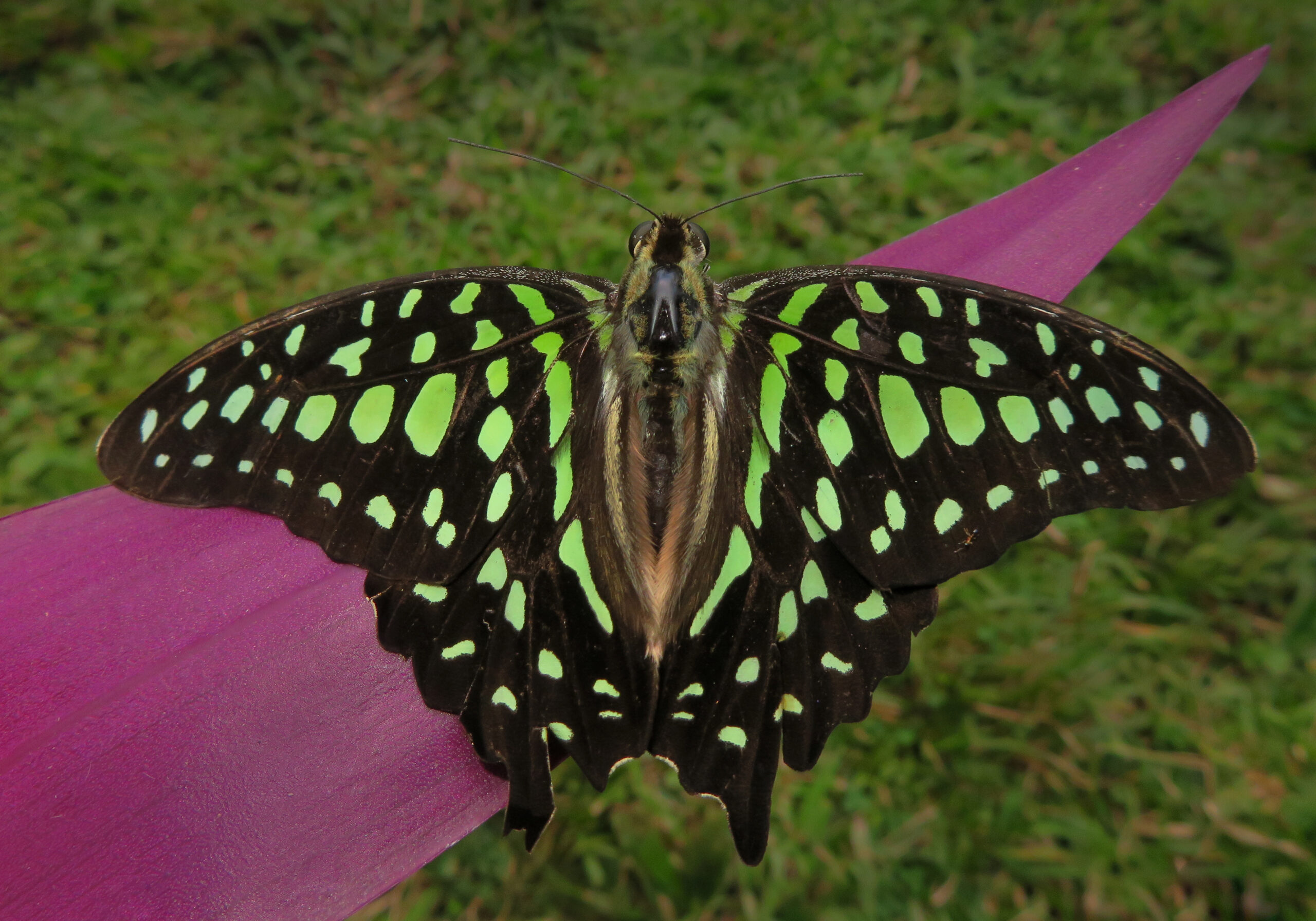
Butterflies of the subfamily Papilioninae are generally medium to large in size and are renowned for their elegant shape, powerful flight, and striking wing patterns. Many species possess the characteristic tail-like extensions on the hindwings that give swallowtail butterflies their common name, although tails are absent in some genera. Wing coloration ranges from black, white, and cream to brilliant shades of yellow, green, blue, red, and orange, often enhanced by iridescent scales and distinctive bands, spots, or eye-like markings.
Adults are diurnal and strong fliers, frequently visiting flowers to feed on nectar using their long, coiled proboscis. Males of many species engage in mud-puddling, gathering on damp soil, riverbanks, or animal droppings to obtain minerals and salts important for reproduction. Many species also exhibit territorial behavior, with males defending feeding or mating sites.
The life cycle involves complete metamorphosis, consisting of egg, larva (caterpillar), pupa (chrysalis), and adult stages. Caterpillars are typically solitary and feed on specific host plants belonging to families such as Rutaceae, Aristolochiaceae, Lauraceae, Annonaceae, and Apiaceae. A distinctive feature of papilionine caterpillars is the presence of an osmeterium, a retractable, forked gland located behind the head that emits pungent defensive chemicals when the caterpillar is disturbed.
The subfamily includes several well-known tribes and genera, including Papilio, Graphium, Pachliopta, Atrophaneura, Troides, Battus, and Eurytides. Many members are admired for their vivid coloration and ecological importance, while some rare species are protected because of habitat loss and overcollection.
Ecologically, Papilioninae butterflies are important pollinators of numerous flowering plants and contribute significantly to plant reproduction. Their caterpillars influence plant communities through herbivory, while both larvae and adults serve as prey for birds, reptiles, spiders, and predatory insects. Their dependence on specific host plants and sensitivity to environmental changes make them valuable indicators of habitat quality and biodiversity.