Bali Wildlife
Every Spices Matter


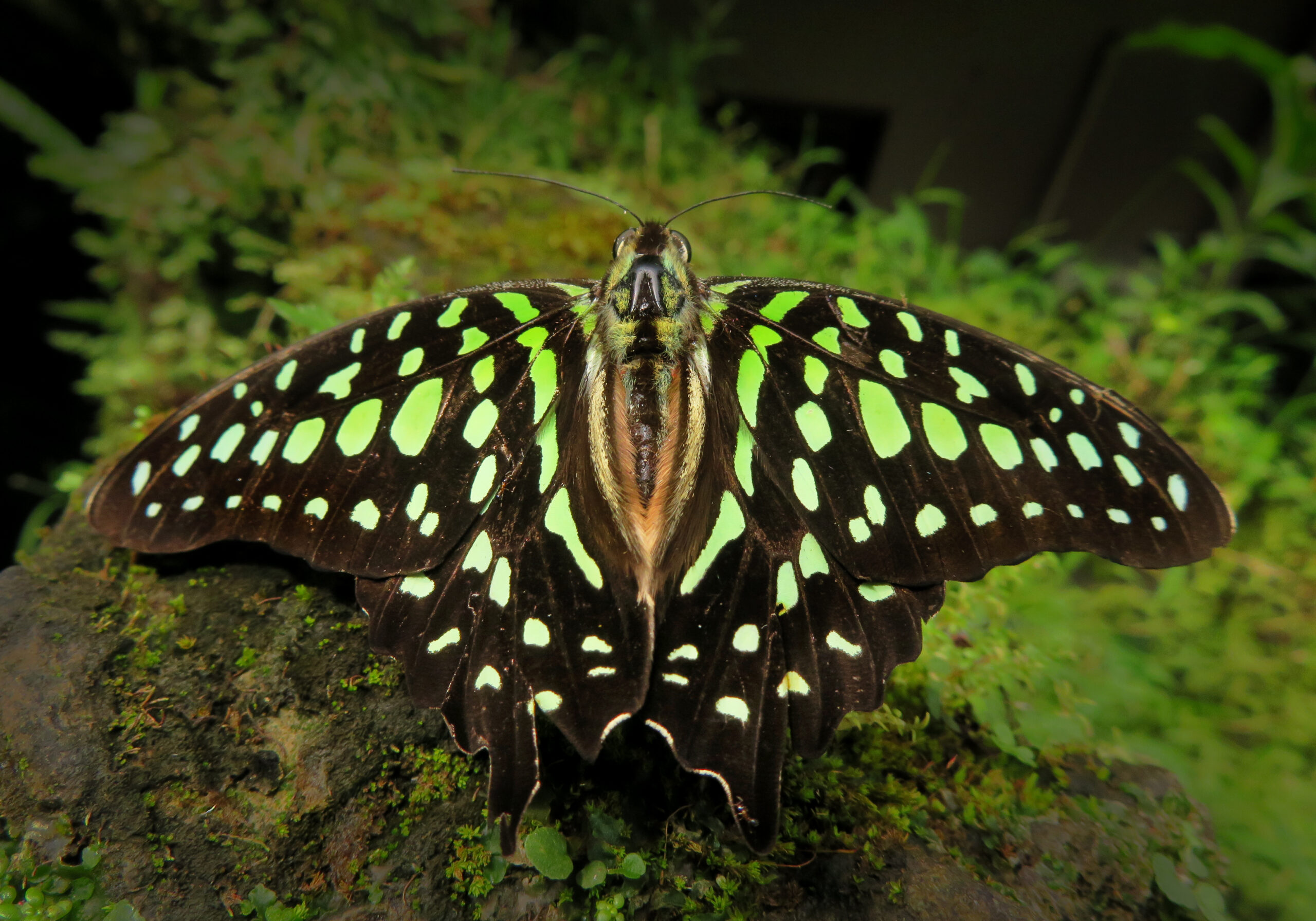
Leptocircini is a tribe of swallowtail butterflies within the subfamily Papilioninae (Family Papilionidae, Superfamily Papilionoidea, Order Lepidoptera). Members of this tribe are commonly known as kite swallowtails because of their graceful flight and distinctive wing shape. They are distributed throughout South and Southeast Asia, East Asia, Australia, and parts of the Indo-Pacific region, with a few representatives extending into Europe and Africa. They inhabit tropical and subtropical forests, woodland edges, riverbanks, secondary forests, gardens, and open habitats where their larval host plants occur.
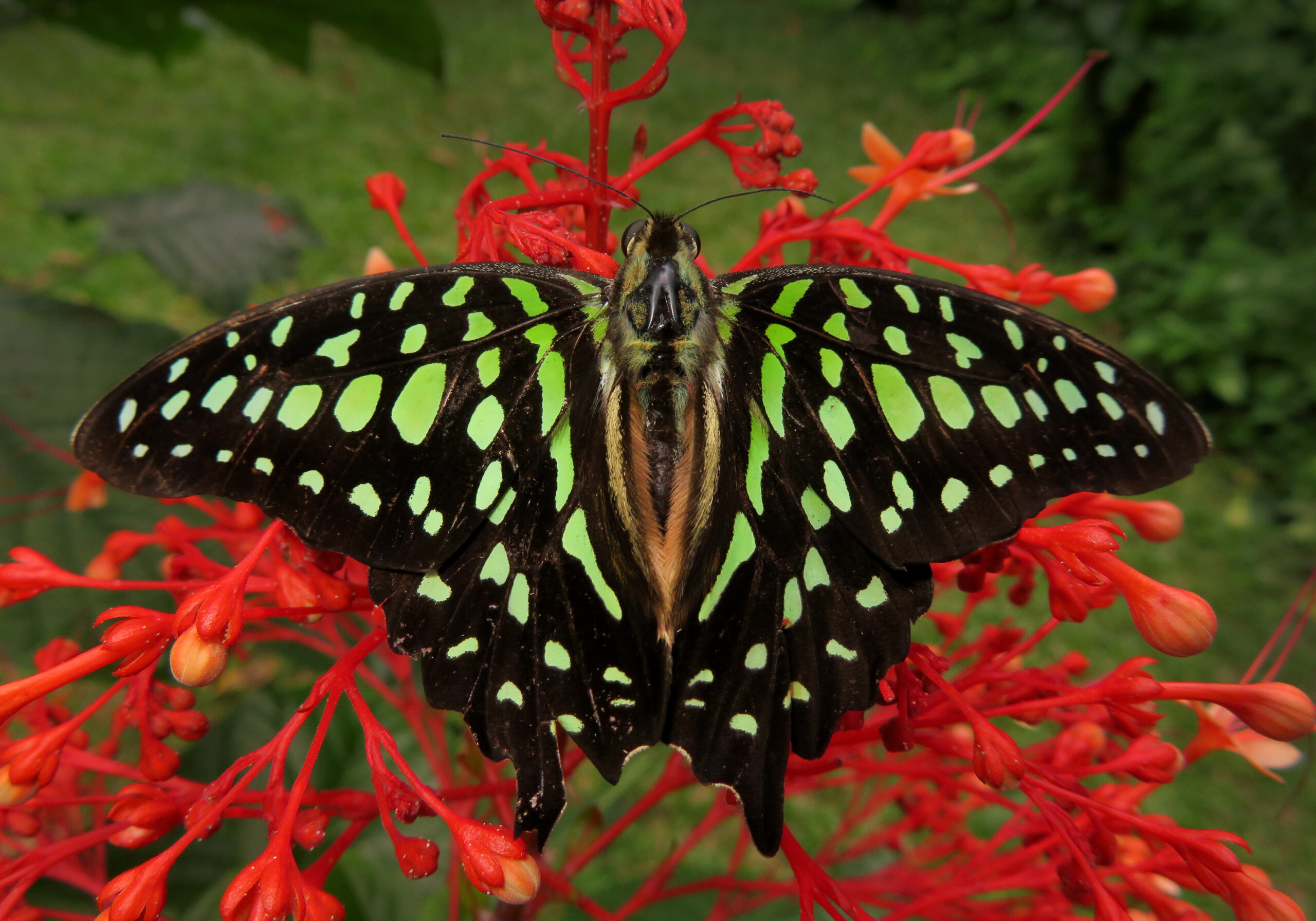
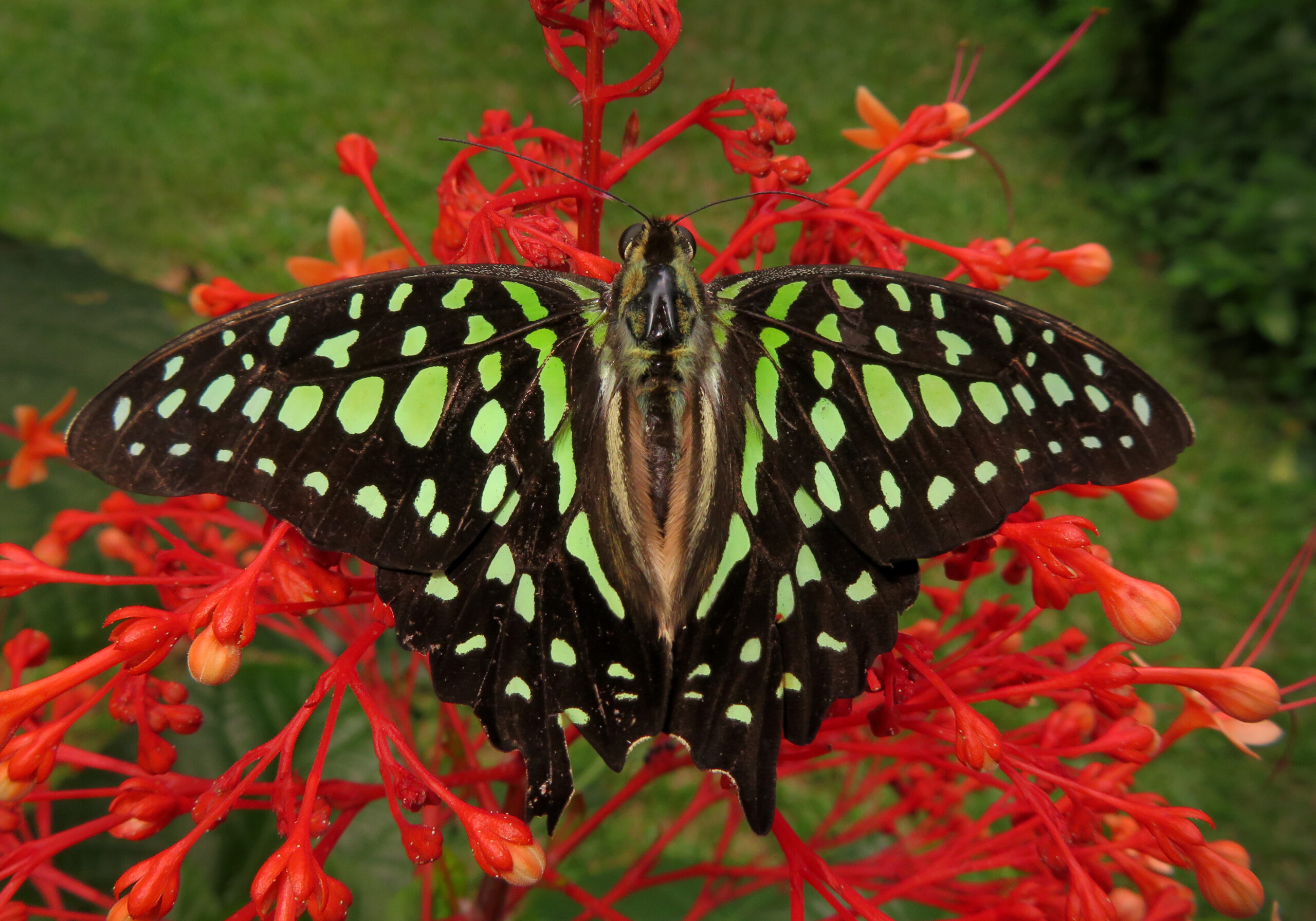
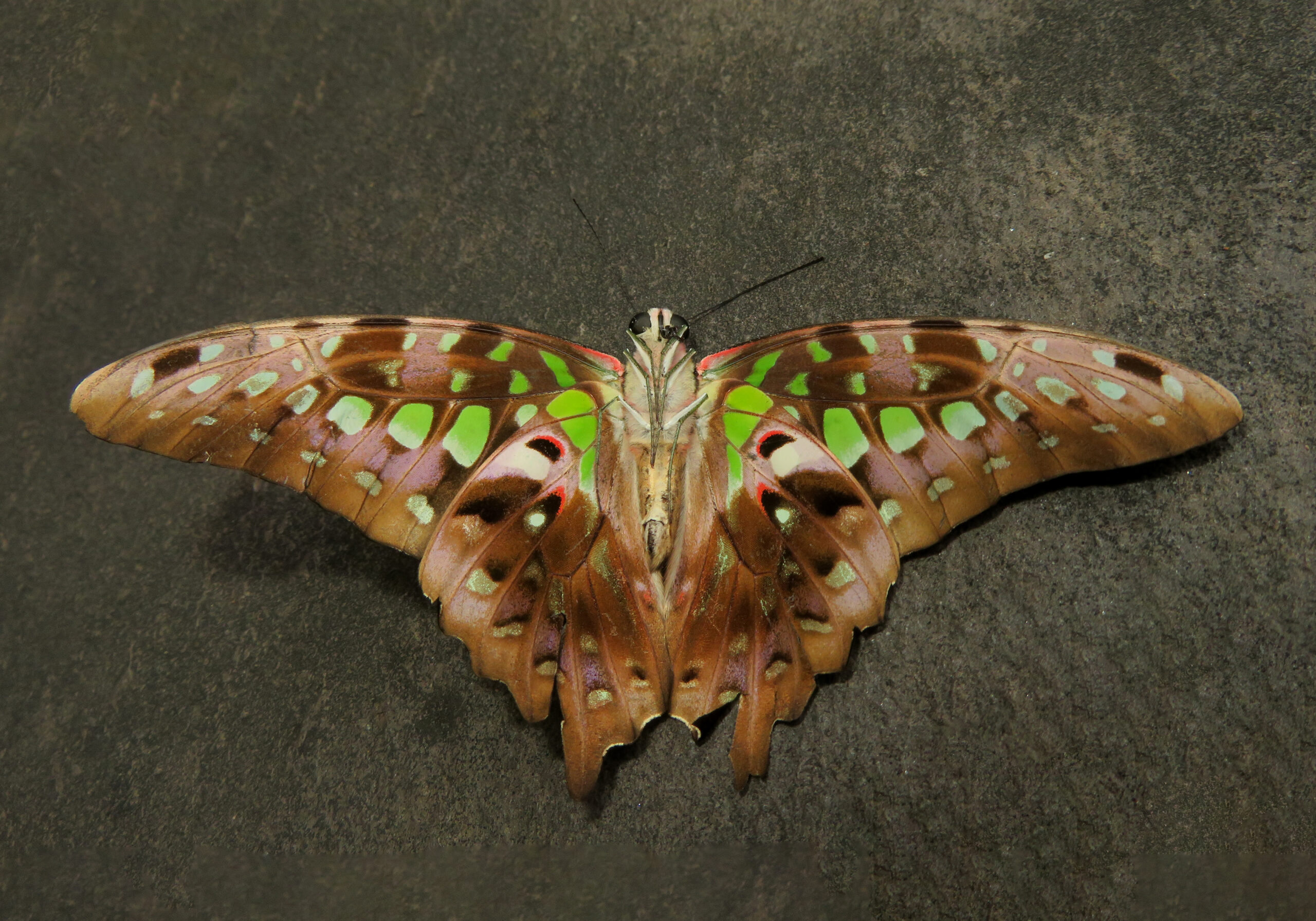
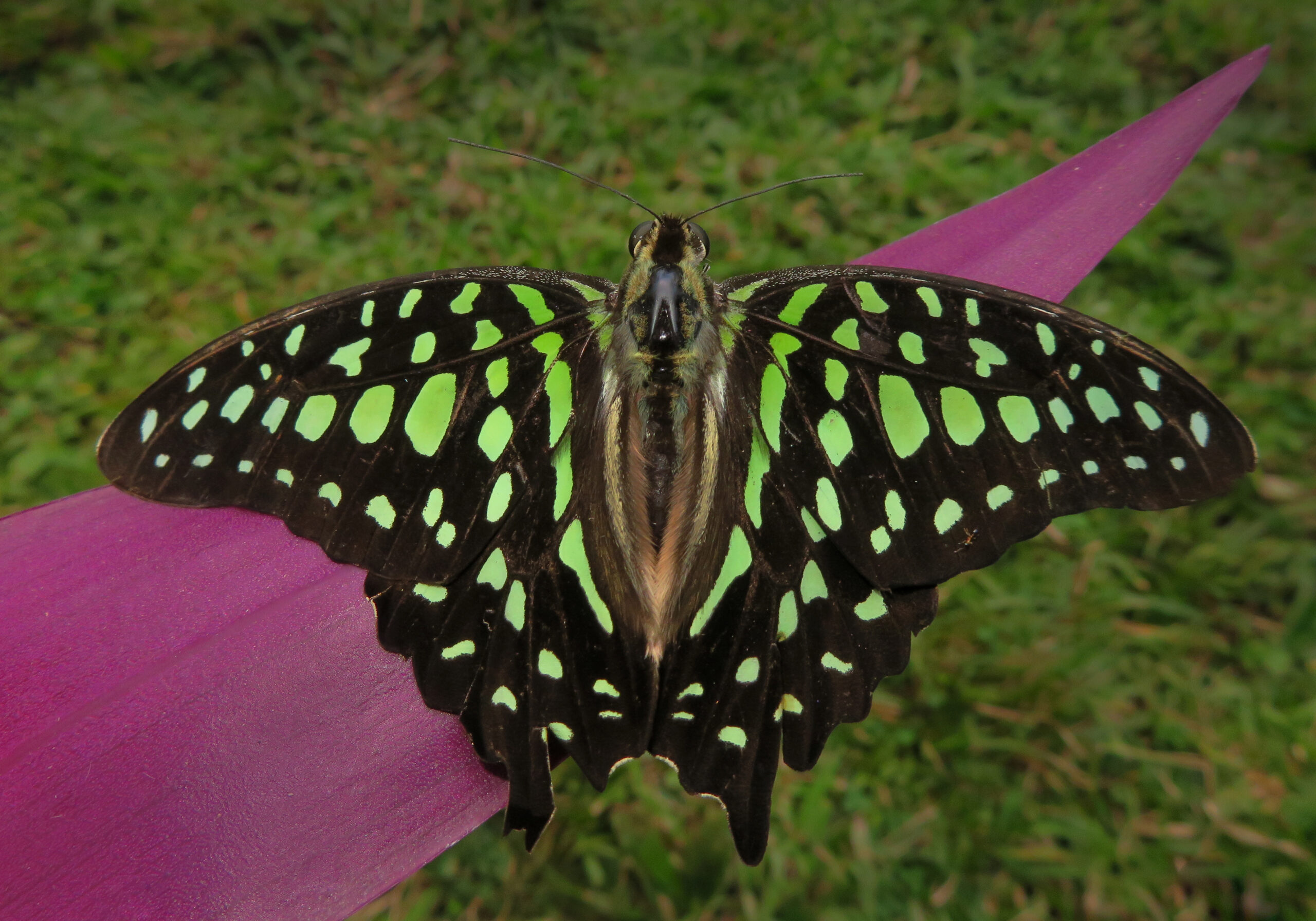
Butterflies of the tribe Leptocircini are generally medium-sized and are distinguished by their slender bodies, elongated forewings, and relatively long, narrow hindwing tails. Their wing coloration typically consists of black or dark brown markings contrasted with white, cream, pale green, or bluish bands and spots. This streamlined wing shape, combined with powerful flight muscles, enables them to fly rapidly and gracefully through forest clearings and along streams.
Adults are diurnal and frequently visit flowers to feed on nectar using their long, coiled proboscis. Males often gather at damp soil, stream banks, or puddles to obtain minerals in a behavior known as mud-puddling. They are active, fast-flying butterflies that rarely remain stationary for long periods.
The life cycle involves complete metamorphosis, consisting of egg, larva (caterpillar), pupa (chrysalis), and adult stages. Caterpillars are typically solitary and feed mainly on trees and shrubs of the families Annonaceae, Lauraceae, Magnoliaceae, and related plant groups. Like other papilionid larvae, they possess an eversible osmeterium, a forked gland behind the head that emits pungent defensive chemicals when threatened. Early instars often resemble bird droppings, while later instars become green and leaf-like, providing effective camouflage.
The tribe includes well-known genera such as Graphium and Lamproptera. Species of Graphium are among the most widespread and diverse swallowtails, while Lamproptera species are notable for their exceptionally long hindwing tails and delicate appearance.
Ecologically, Leptocircini butterflies are important pollinators of numerous flowering plants and contribute to forest pollination networks. Their caterpillars participate in plant–herbivore interactions, while both larvae and adults serve as prey for birds, reptiles, spiders, and predatory insects. Their dependence on healthy forest habitats and specific host plants makes them valuable indicators of ecosystem quality and biodiversity.