Bali Wildlife
Every Spices Matter


Zizeeriina is a subtribe within the tribe Polyommatini (Subfamily Polyommatinae, Family Lycaenidae, Order Lepidoptera), comprising a group of small blue butterflies that are widely distributed throughout tropical, subtropical, and warm temperate regions of Africa, Asia, Australia, and parts of Europe. Members of this subtribe are commonly found in grasslands, open fields, gardens, agricultural landscapes, roadsides, and other habitats with low-growing vegetation.
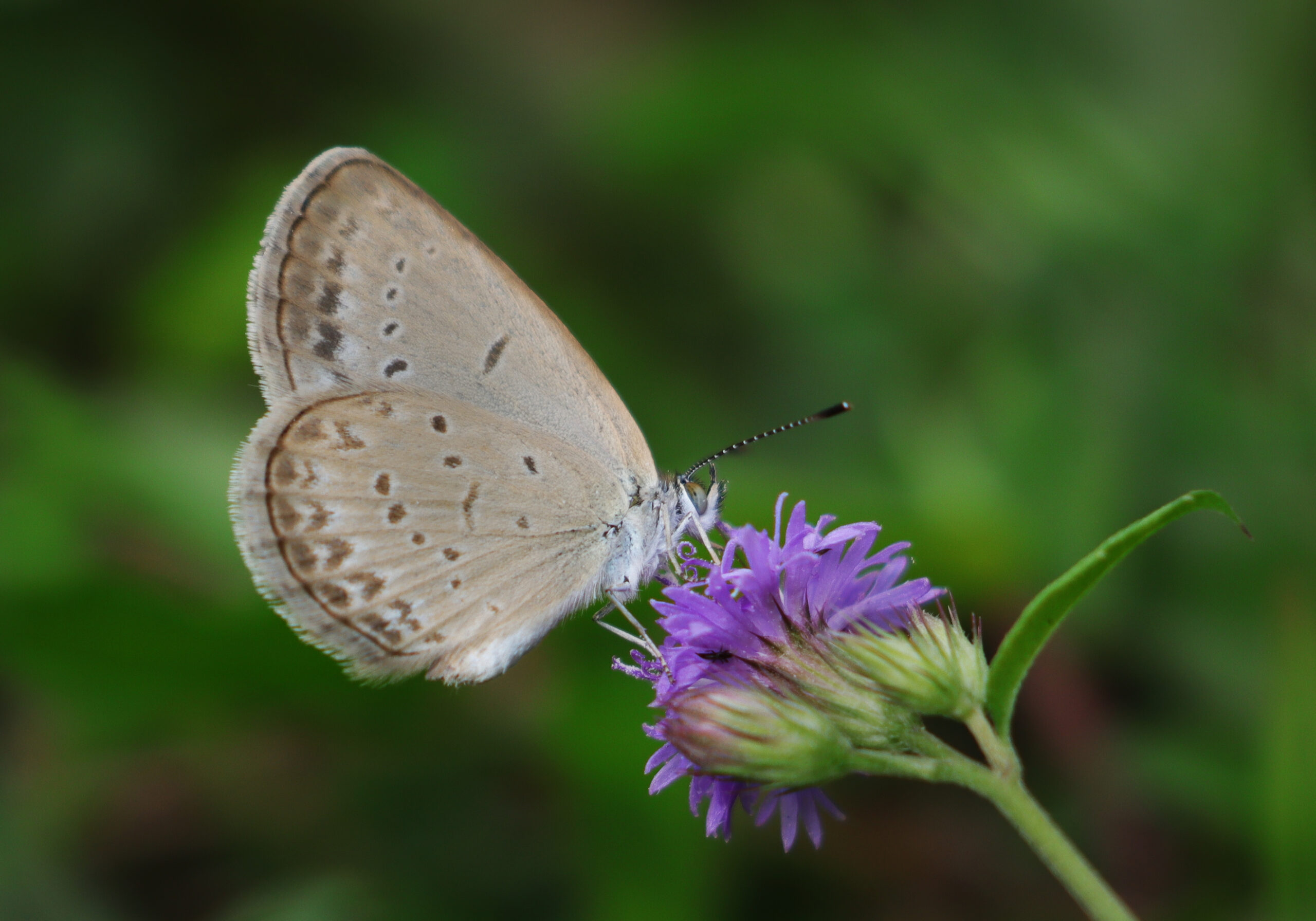
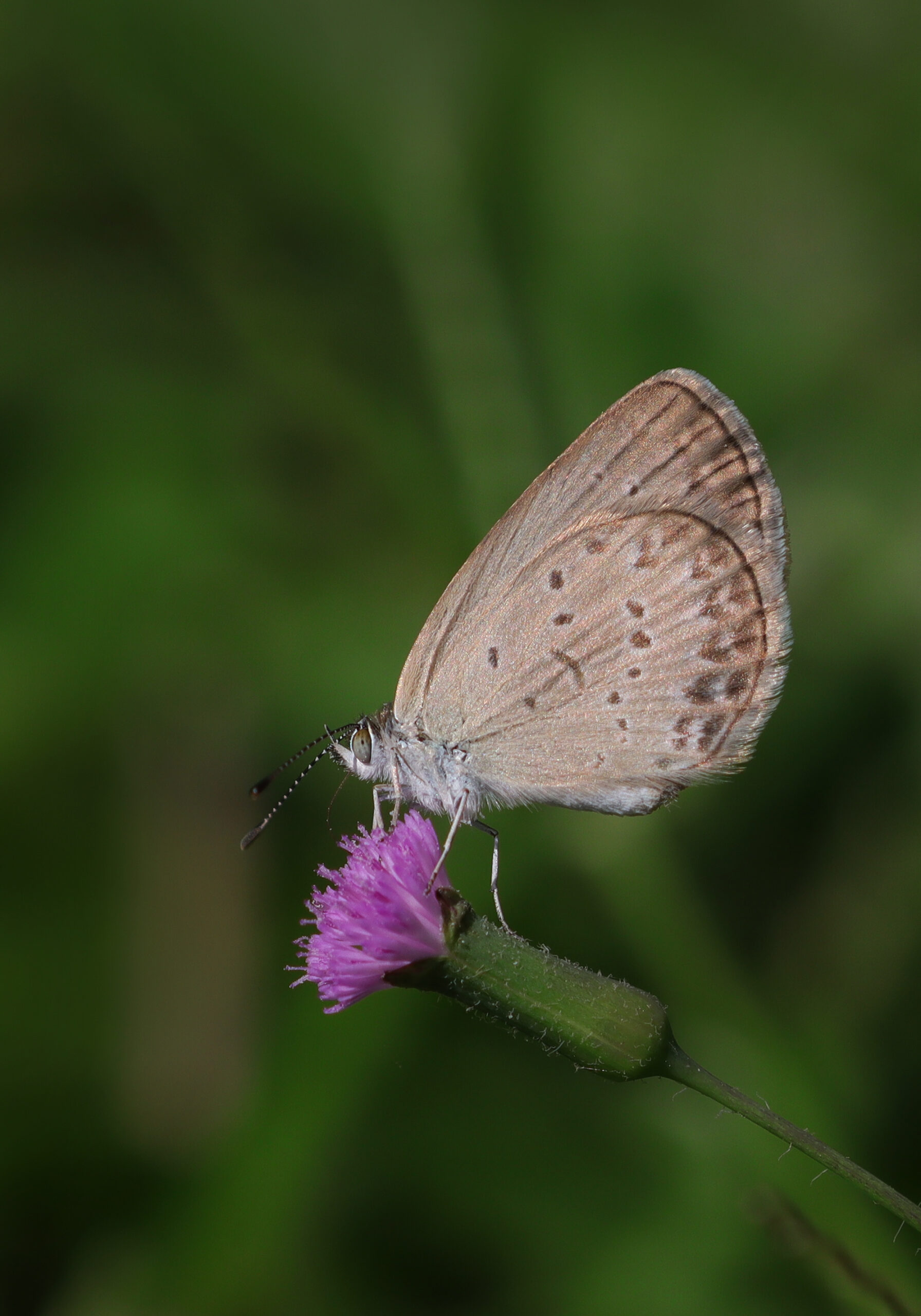
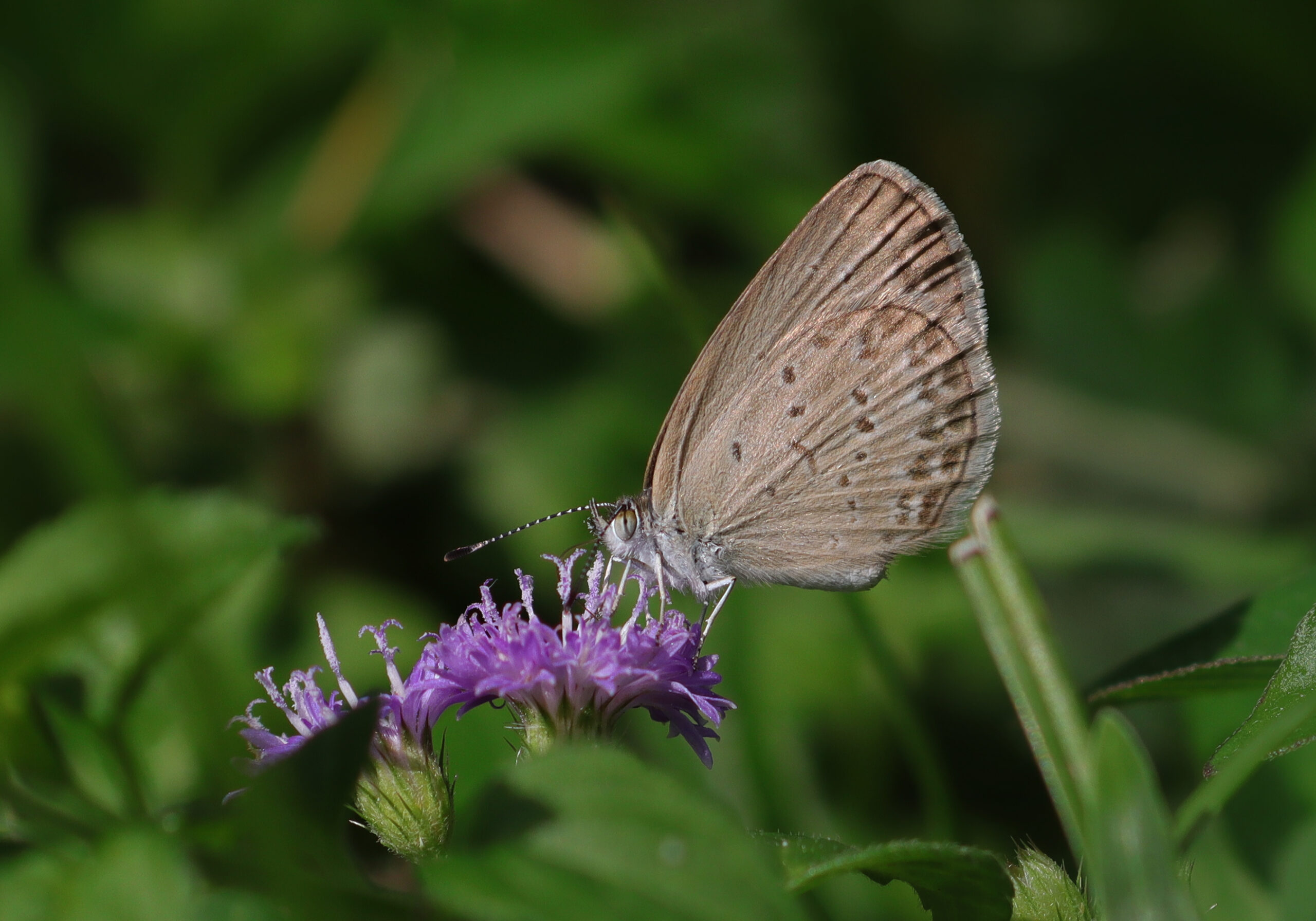
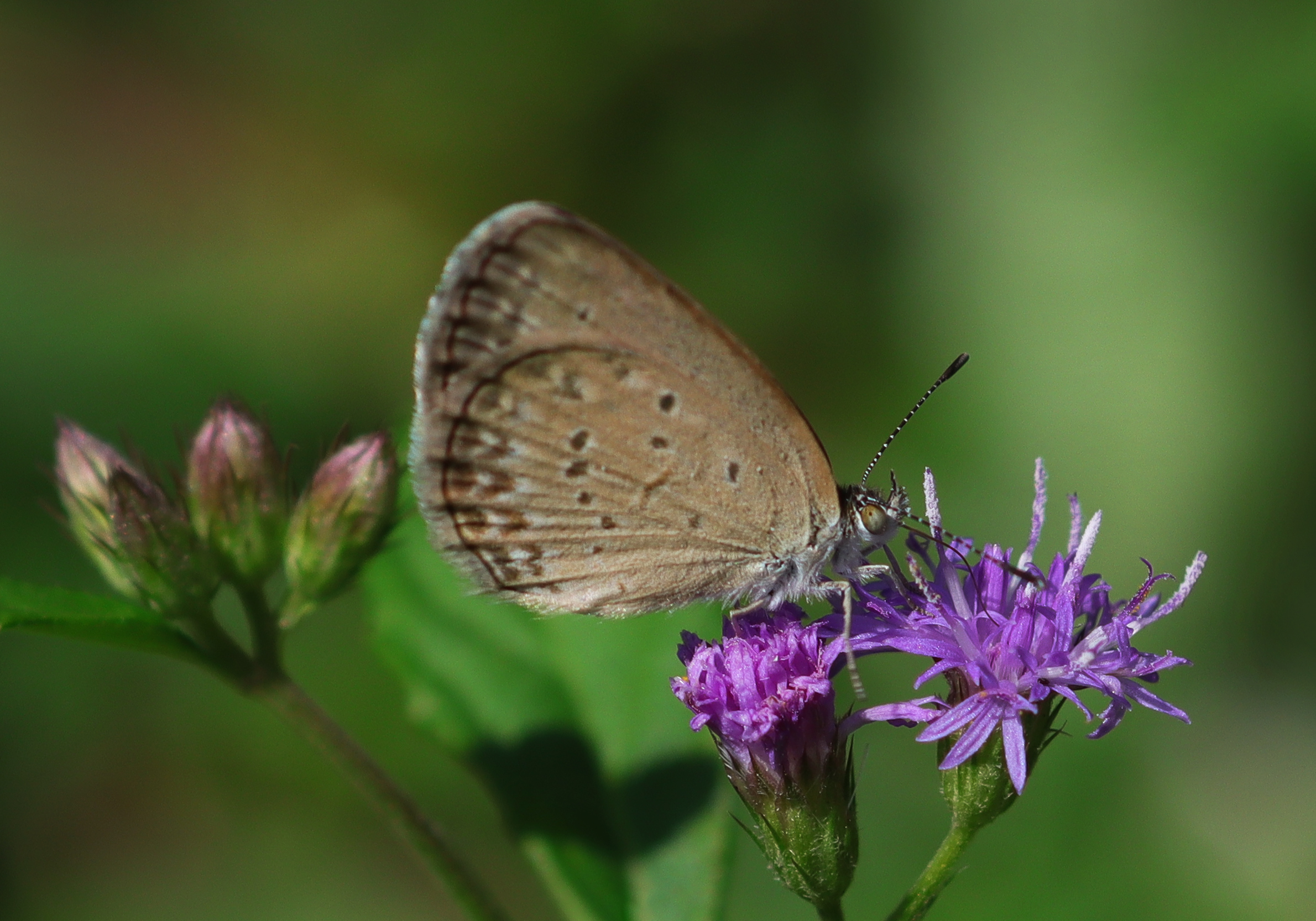
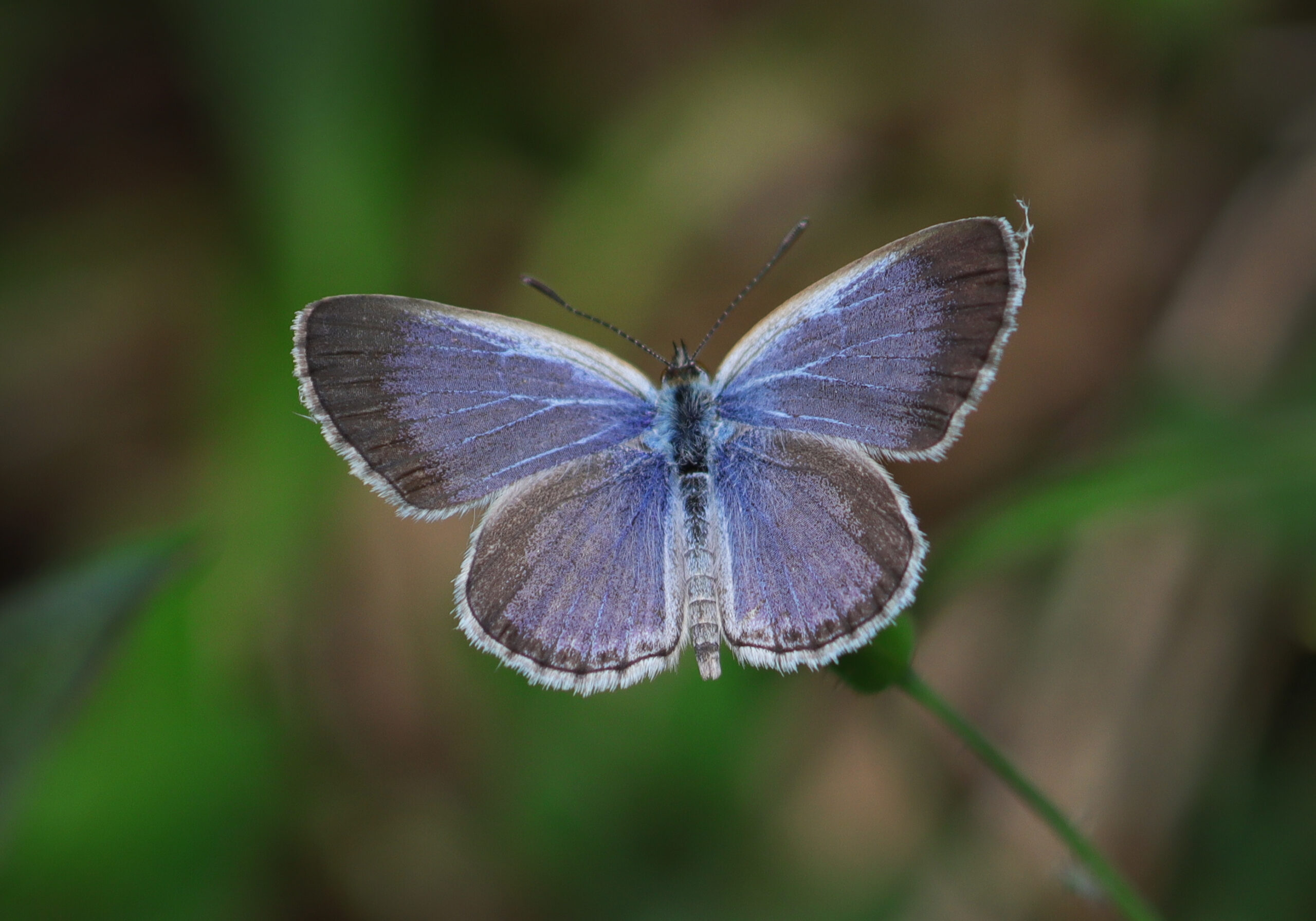
Butterflies of the subtribe Zizeeriina are generally very small and delicate, often among the smallest members of the family Lycaenidae. Males typically display pale blue, violet, or bluish-purple coloration on the upper surface of the wings, while females are often brown or gray with varying degrees of blue. The underside is usually light gray or brownish, marked with small dark spots and fine bands that provide camouflage when resting.
Like other lycaenids, they possess slender bodies, clubbed antennae, and a rapid fluttering flight. They are most active during sunny conditions and are frequently seen flying close to the ground among grasses and low vegetation.
The life cycle involves complete metamorphosis, consisting of egg, larva, pupa, and adult stages. Caterpillars are typically flattened and slug-like in appearance. Many species have ecological relationships with ants (myrmecophily), with larvae producing secretions that attract and reward ants in exchange for protection.
Larvae generally feed on herbaceous plants, particularly species in the legume family (Fabaceae), though host plant preferences vary among genera and species. Adults feed mainly on nectar from small flowering plants.
The subtribe includes genera such as Zizina, Zizeeria, Pseudozizeeria, and related forms, many of which are common and widespread in open habitats.
Ecologically, Zizeeriina butterflies contribute to pollination and form part of complex ecological networks involving host plants, ants, and predators. Their abundance and sensitivity to habitat conditions make them useful indicators of environmental quality and biodiversity in grassland and agricultural ecosystems.