Bali Wildlife
Every Spices Matter


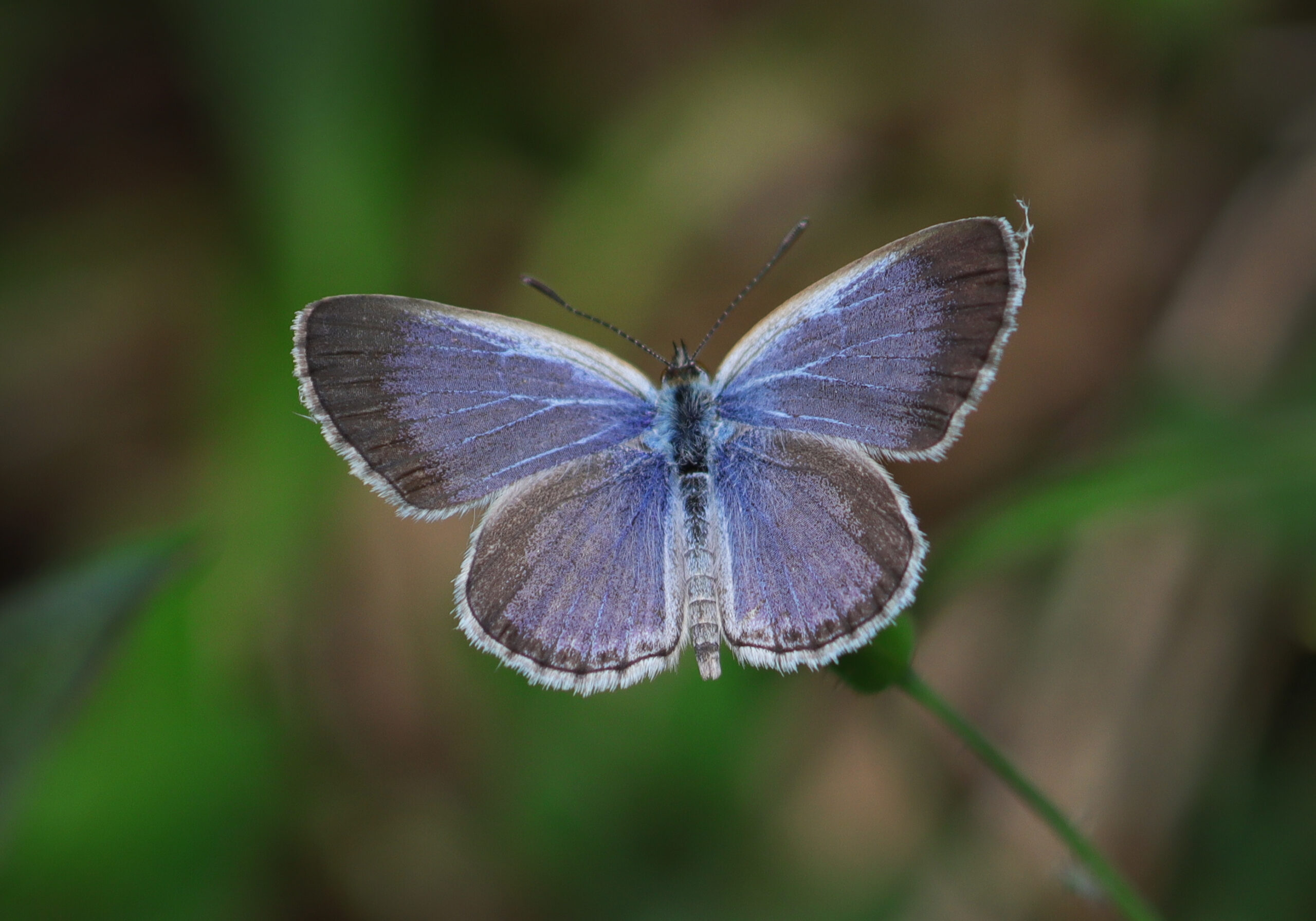
Polyommatini is the largest and most diverse tribe within the subfamily Polyommatinae (Family Lycaenidae, Superfamily Papilionoidea, Order Lepidoptera). Commonly known as the blues, members of this tribe are distributed worldwide and are especially abundant in grasslands, meadows, forest edges, shrublands, agricultural landscapes, and gardens.
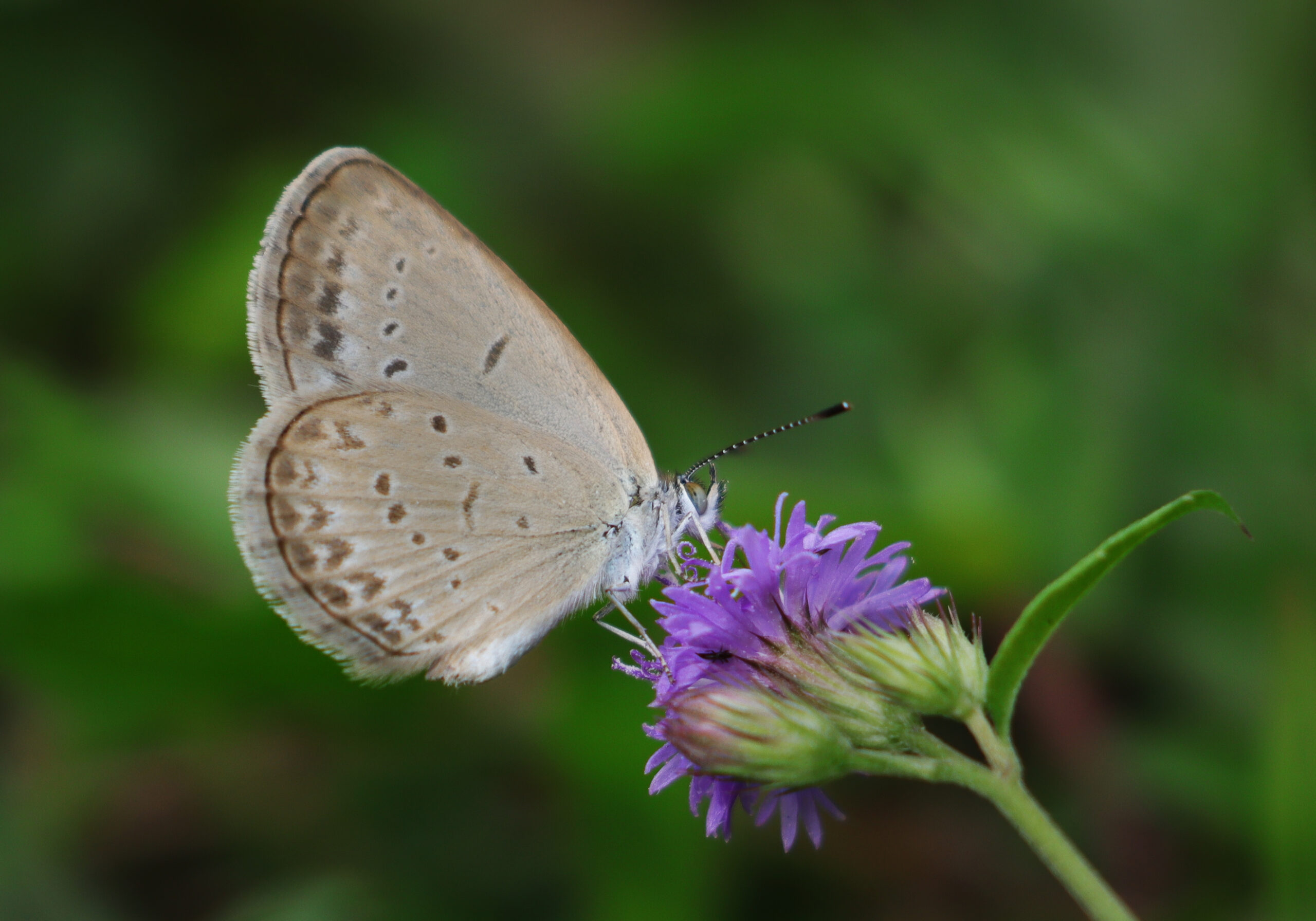
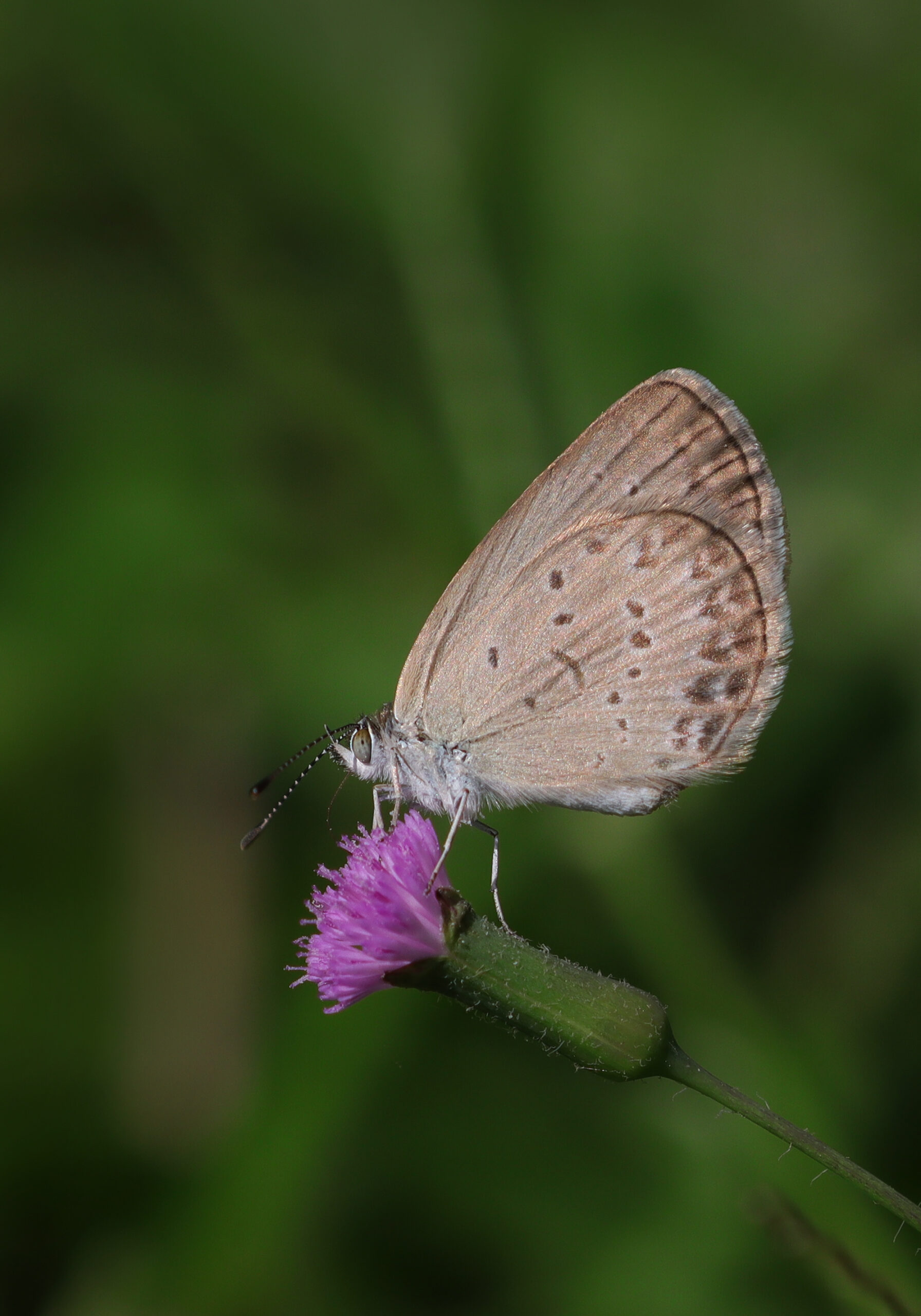
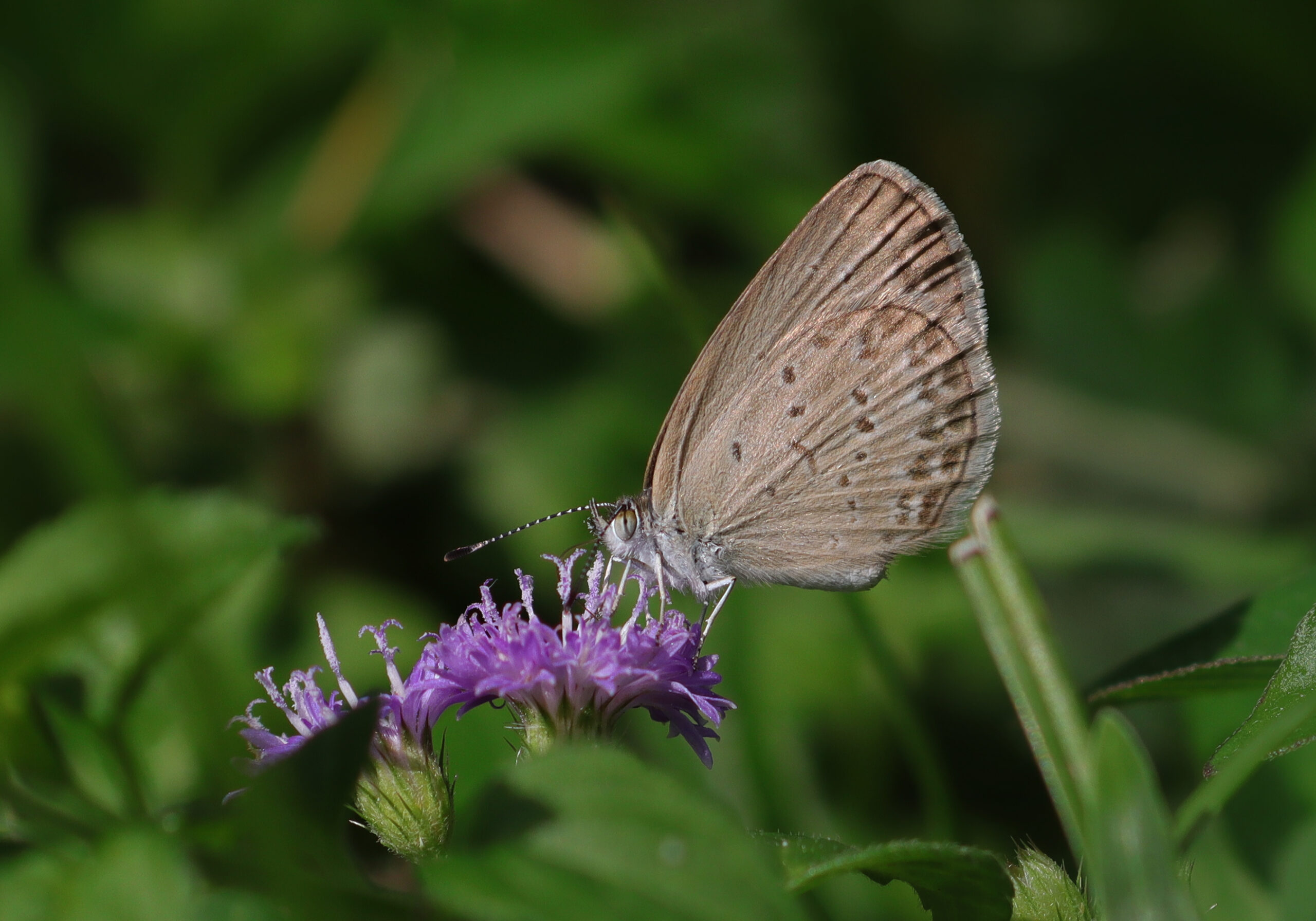
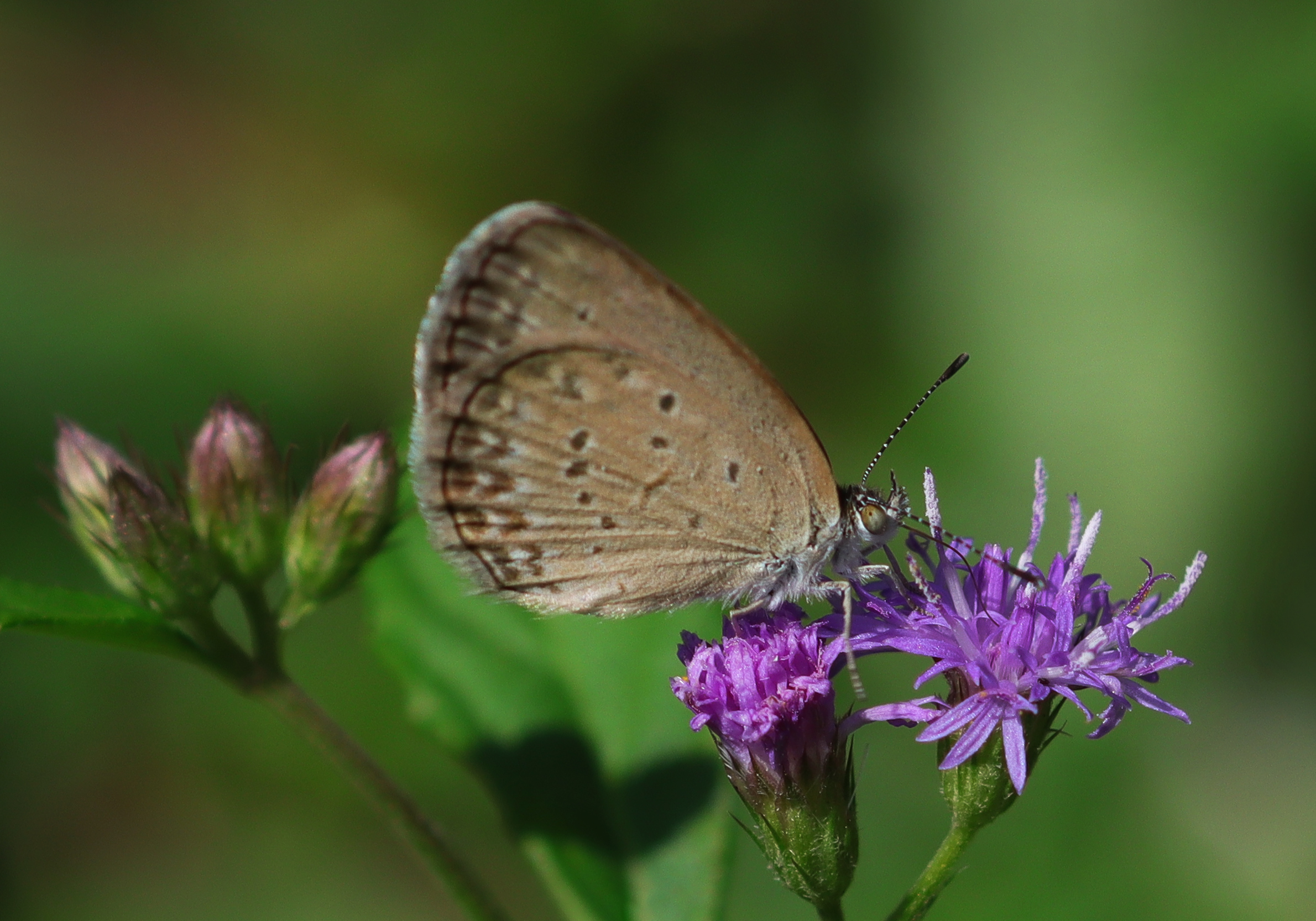
Butterflies of the tribe Polyommatini are generally small and delicate, with slender bodies and clubbed antennae. Many species are renowned for their vivid blue, violet, or purple wing coloration, particularly in males, while females are often brown, gray, or less brightly colored. The underside of the wings typically bears intricate patterns of spots, lines, and bands that provide camouflage when the butterfly is at rest.
Adults are primarily diurnal and are frequently observed visiting flowers to feed on nectar. Their flight is usually rapid, fluttering, and close to the ground, especially in open habitats.
The life cycle involves complete metamorphosis with egg, larva, pupa, and adult stages. Caterpillars are usually flattened and slug-like in appearance. A notable characteristic of many Polyommatini species is their association with ants, a phenomenon known as myrmecophily. Caterpillars produce sugary secretions from specialized glands that attract ants, which in return provide protection from predators and parasitoids.
Larvae feed on a variety of host plants, particularly members of the legume family (Fabaceae), although host preferences vary among species. Adults obtain energy primarily from flower nectar and occasionally from other nutrient sources such as honeydew.
The tribe includes numerous genera, such as Lampides, Jamides, Zizeeria, Zizina, Euchrysops, and Polyommatus, representing a vast diversity of species and ecological adaptations.
Ecologically, Polyommatini butterflies are important pollinators and contribute to the maintenance of plant diversity. Their caterpillars form part of complex ecological networks involving host plants and ants, while both larvae and adults serve as food for a variety of predators. Due to their sensitivity to environmental change, many species are valuable indicators of habitat quality and biodiversity.