Bali Wildlife
Every Spices Matter


Tinolius is a genus of moths within the subfamily Tinoliinae (Family Erebidae, Superfamily Noctuoidea, Order Lepidoptera). Species of this genus are distributed primarily throughout tropical and subtropical regions of South and Southeast Asia, where they occur in lowland and montane forests, secondary woodlands, plantations, and other habitats with dense vegetation. Adults are most frequently encountered in forested environments and are commonly attracted to artificial lights at night.
Moths of the genus Tinolius are generally small to medium-sized and possess a slender to moderately robust body with broad, delicately scaled wings. Their coloration is predominantly cryptic, consisting of shades of brown, gray, reddish-brown, cream, or olive, often marked with fine transverse lines, mottled patches, or darker bands. These markings closely resemble bark, dried leaves, or lichens, providing effective camouflage while the moths rest during daylight hours.
Adults are primarily nocturnal and become active after dusk. They are commonly attracted to artificial lights and are believed to feed on nectar, tree sap, fermenting fruits, or other sugar-rich plant exudates using a well-developed coiled proboscis. During the day they remain motionless on tree trunks, branches, or foliage, relying on their cryptic coloration to avoid predators.
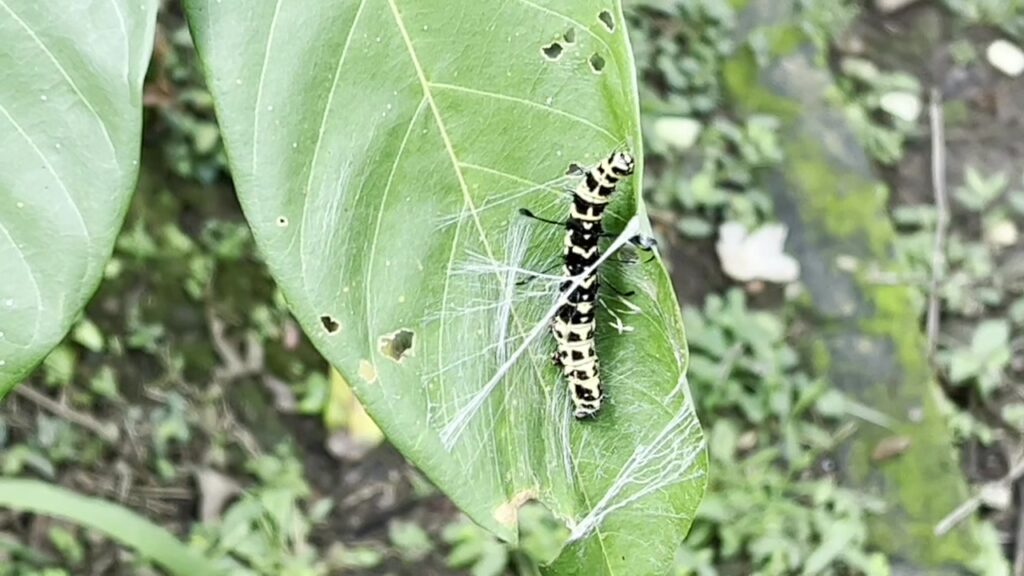
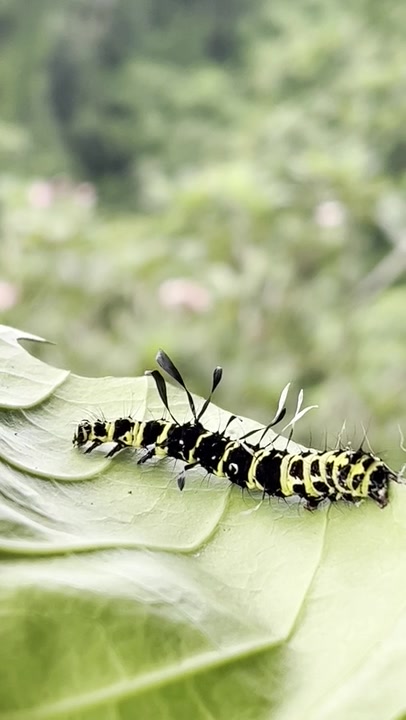
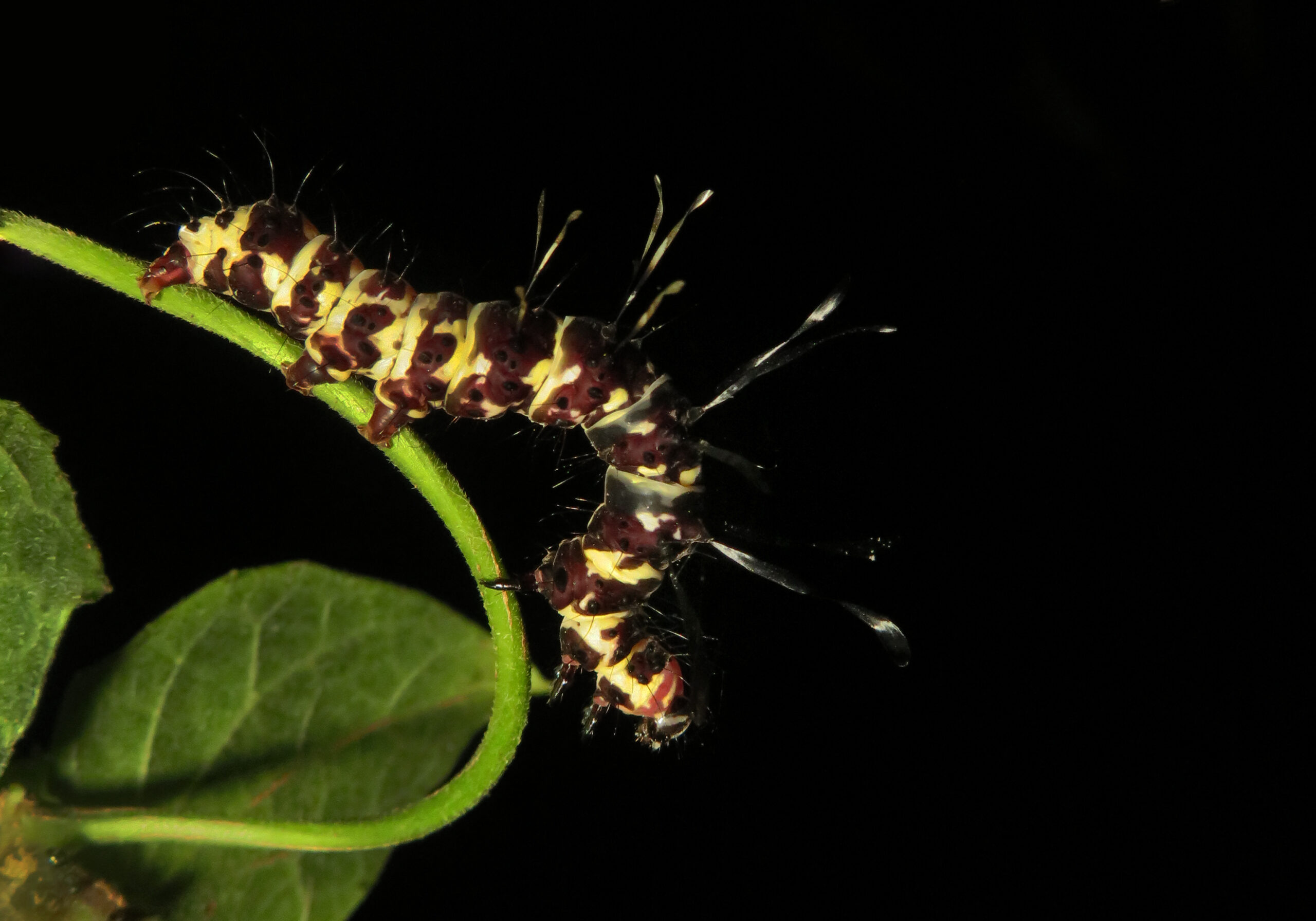
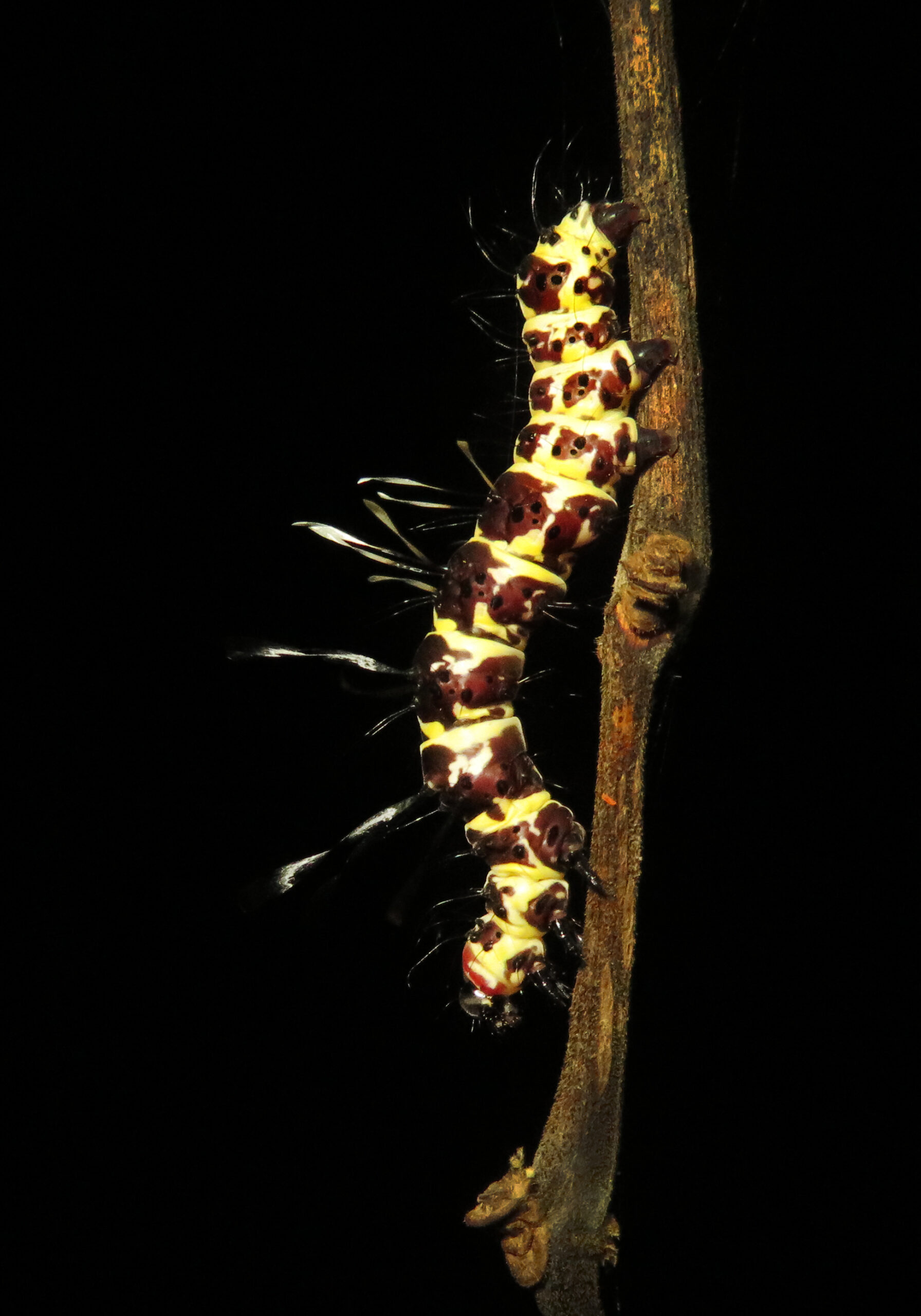
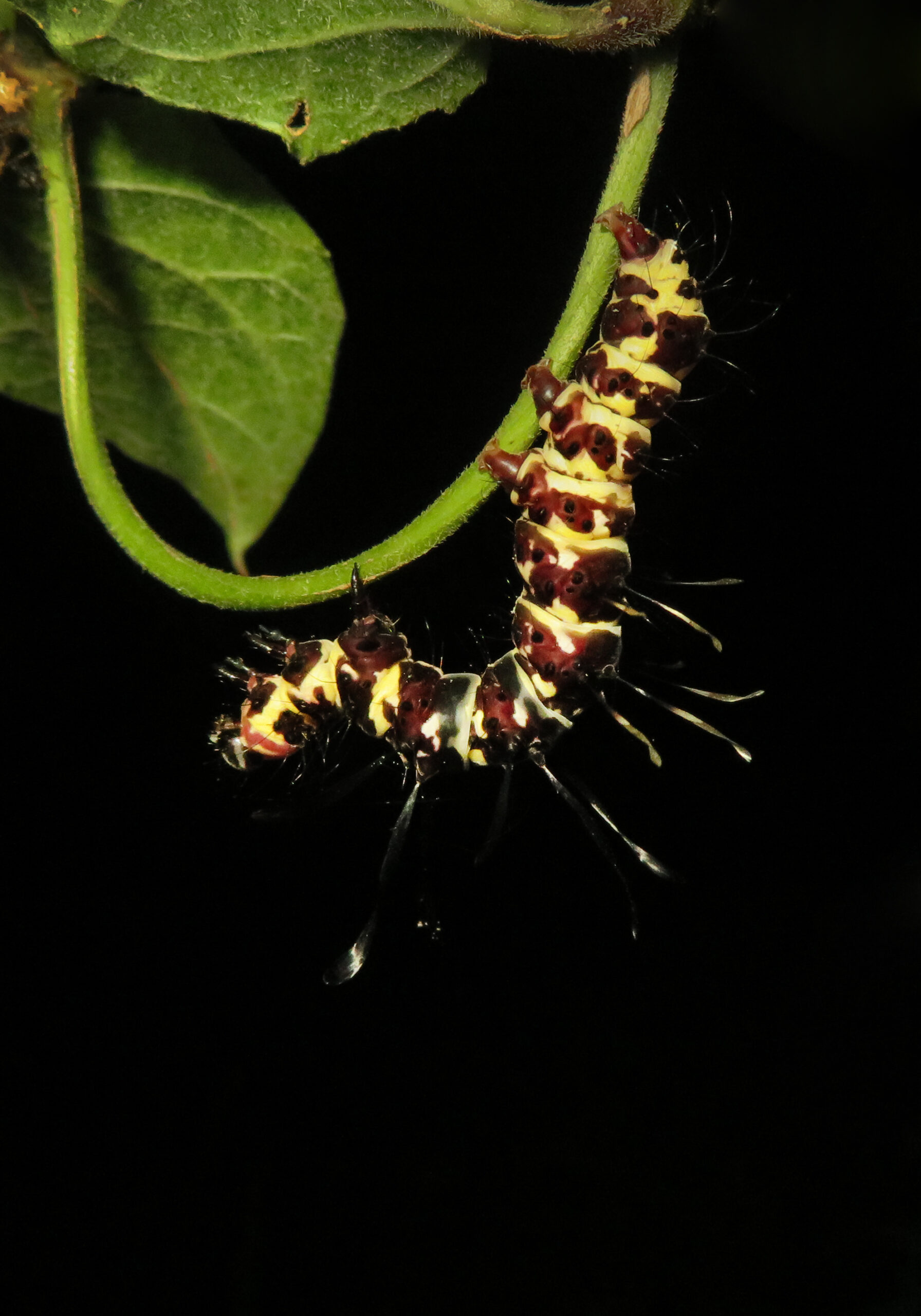
The life cycle involves complete metamorphosis, consisting of egg, larva (caterpillar), pupa, and adult stages. Caterpillars are herbivorous leaf feeders and are known to develop on a variety of broad-leaved plants, although the biology and host associations of most species remain poorly documented. Pupation occurs within a loose silken cocoon attached to vegetation or concealed among leaf litter.
The genus contains a relatively small number of described species, several of which remain poorly studied. Their taxonomy and evolutionary relationships continue to be refined as additional morphological and molecular research becomes available.
Ecologically, Tinolius moths contribute to forest ecosystems as herbivores during the larval stage and as components of nocturnal food webs as adults. Caterpillars participate in plant–herbivore interactions, while both larvae and adults serve as prey for bats, birds, spiders, predatory insects, and other insectivores. Their presence in well-vegetated habitats makes them part of the diverse moth communities that support the ecological functioning and biodiversity of tropical forests.