Bali Wildlife
Every Spices Matter


Calpinae is a subfamily of erebid moths within the family Erebidae (Superfamily Noctuoidea, Order Lepidoptera). Members of this subfamily are distributed throughout tropical, subtropical, and temperate regions of the world, with the greatest diversity occurring in Asia, Africa, and Australia. They inhabit forests, woodland edges, grasslands, agricultural fields, orchards, plantations, and gardens, where suitable larval host plants and adult food sources are available.
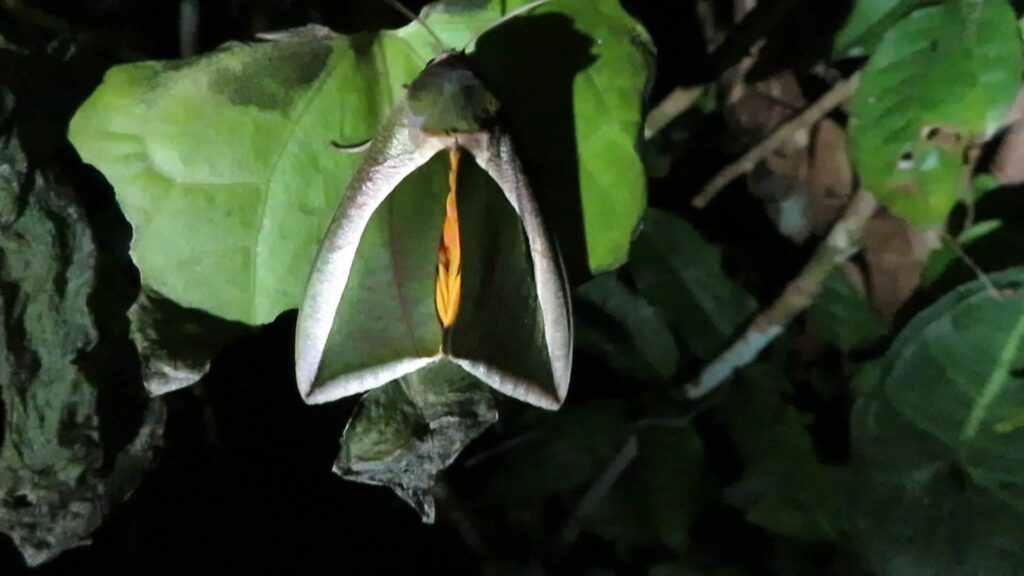
Moths of the subfamily Calpinae are generally medium to large in size and are characterized by a robust body, broad forewings, and cryptically colored wing patterns. Their wings commonly display shades of brown, gray, olive, or reddish-brown with intricate lines and markings that provide excellent camouflage against bark, dead leaves, and other natural surfaces. The hindwings are often paler or marked with contrasting bands.
Adults are primarily nocturnal and possess well-developed compound eyes, scaled wings, and a functional proboscis. While many species feed on nectar, tree sap, or fermenting fruits, several members of the subfamily are renowned as fruit-piercing moths. These species possess a heavily sclerotized proboscis capable of piercing the skin of ripe fruits to extract juices, and a few species are even known to feed opportunistically on animal secretions.
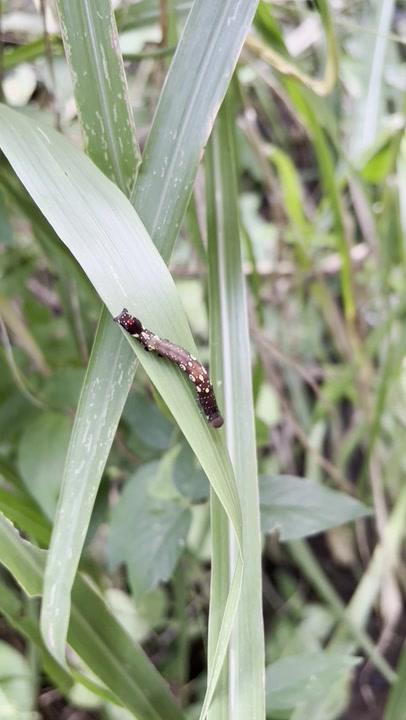
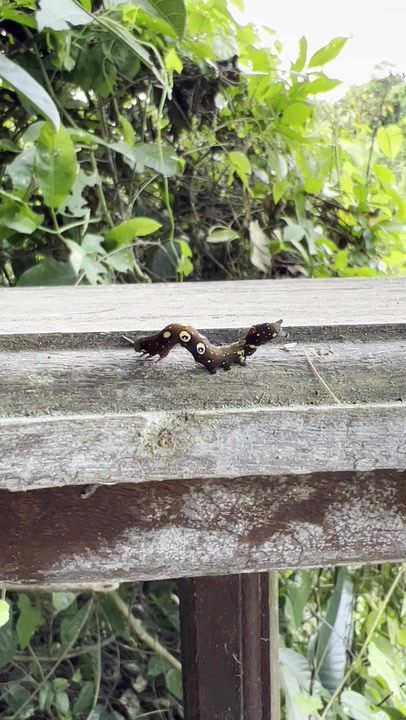
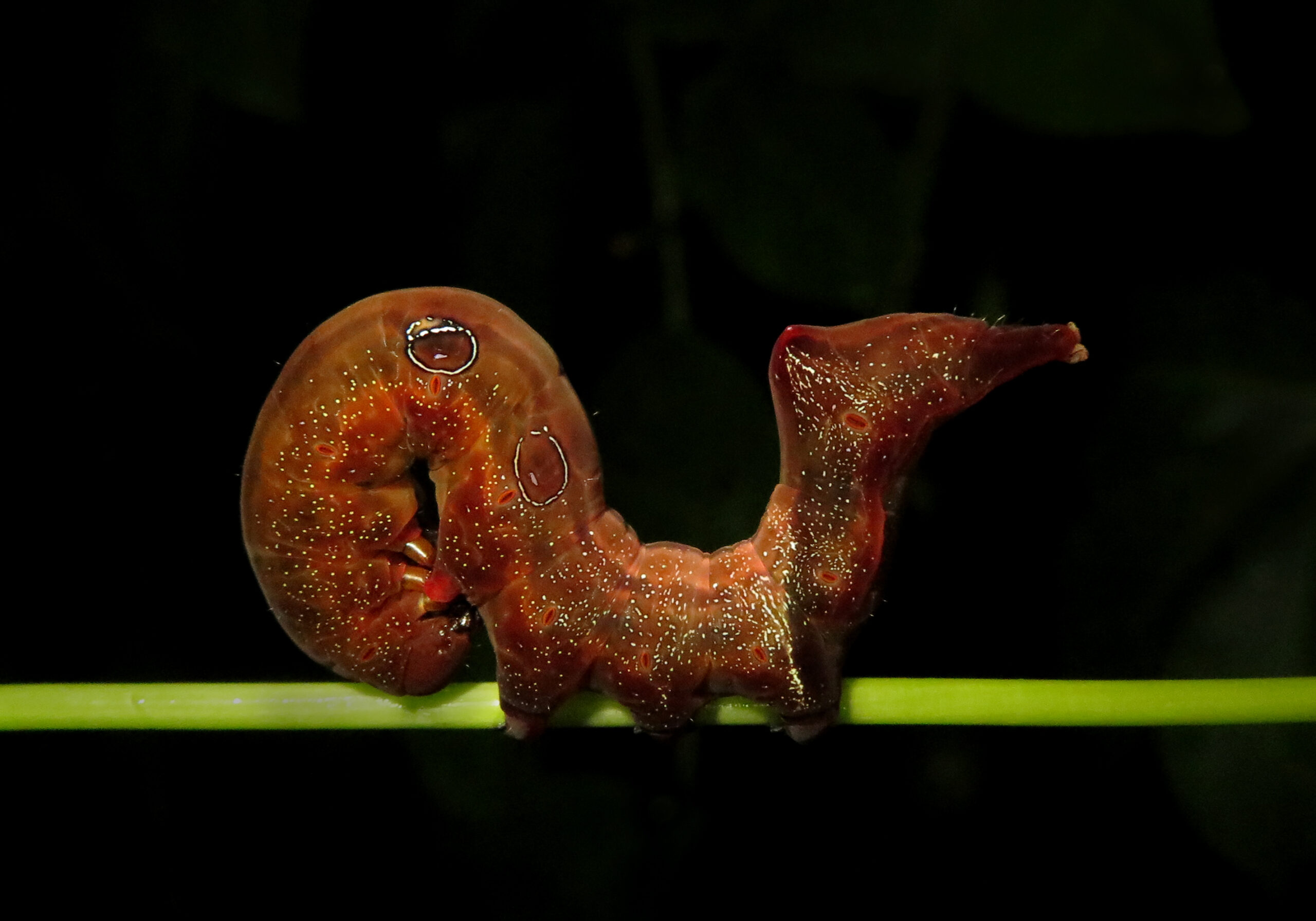
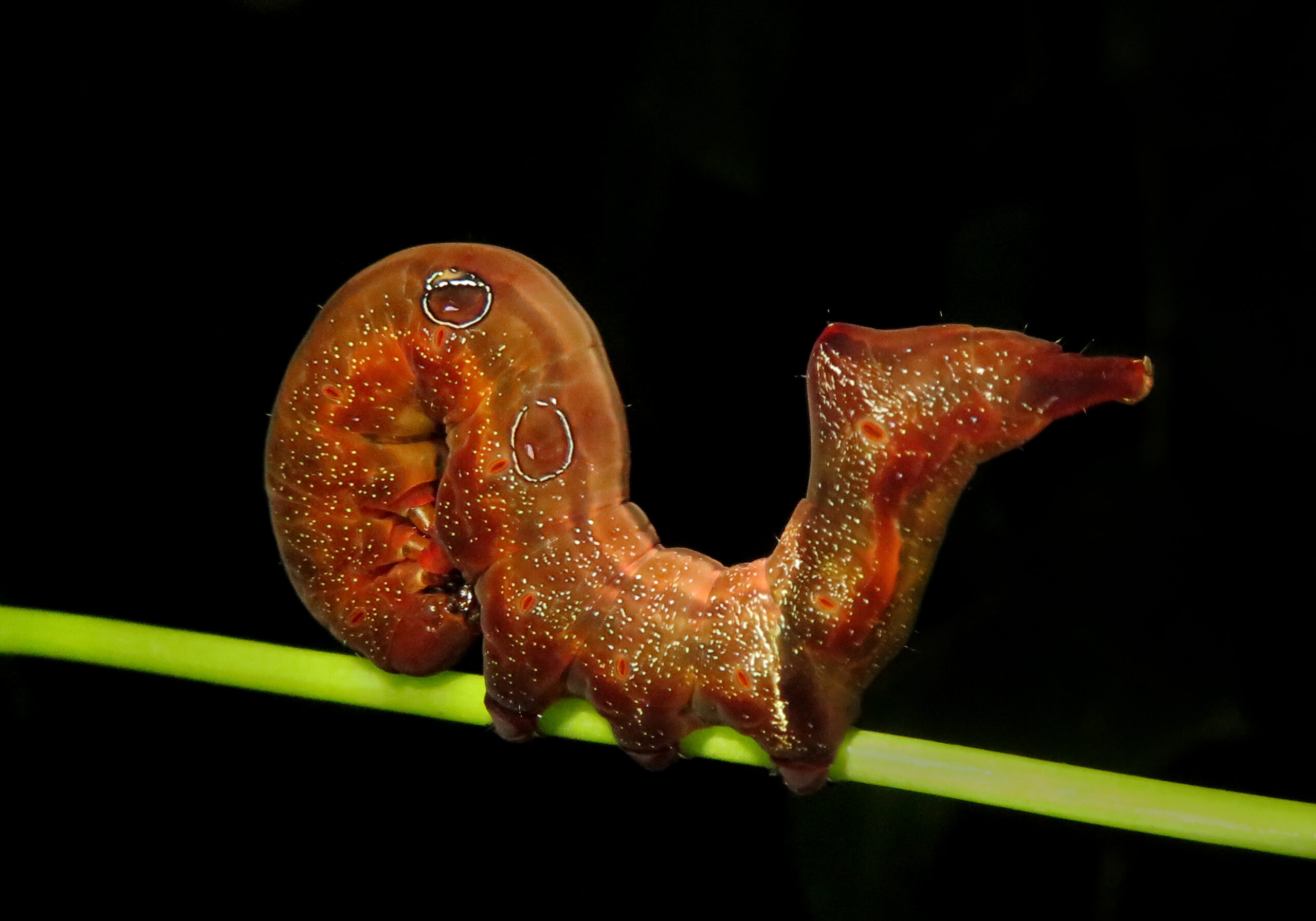
The life cycle involves complete metamorphosis, consisting of egg, larva (caterpillar), pupa, and adult stages. Caterpillars are generally smooth-bodied and feed on the leaves of a wide range of shrubs, vines, and trees. Many species show preferences for plants in the families Menispermaceae, Fabaceae, Vitaceae, and several other flowering plant families. Pupation usually occurs within a loose silken cocoon among leaf litter or in sheltered locations on vegetation.
The subfamily includes notable genera such as Calpe, Oraesia, Gonodonta, and related taxa. Several species are economically important because their fruit-piercing behavior damages cultivated fruits, including citrus, mango, banana, grape, and other commercial crops.
Ecologically, Calpinae moths contribute to terrestrial ecosystems as herbivores during the larval stage and as consumers of nectar, sap, and fruit juices during adulthood. They also serve as prey for bats, birds, reptiles, spiders, and predatory insects. Through their interactions with plants, predators, and decomposing fruits, they play important roles in food webs and nutrient cycling, while their fruit-feeding habits make certain species significant in agricultural ecosystems.