

Subfamily Boletobiinae
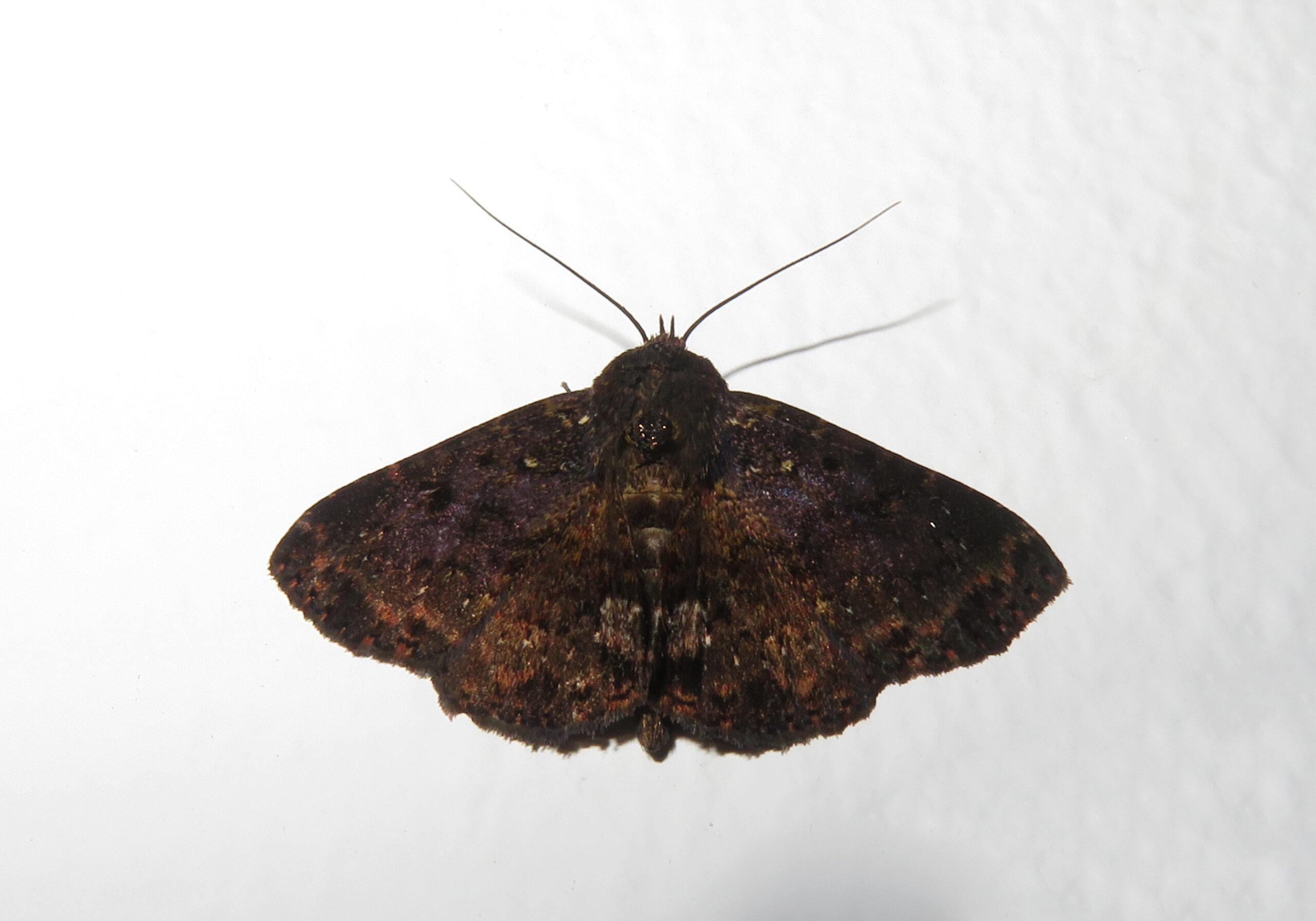
Boletobiinae is a subfamily of moths within the family Erebidae (Superfamily Noctuoidea, Order Lepidoptera). It comprises several hundred described species distributed worldwide, with the greatest diversity occurring in tropical and subtropical regions. Members inhabit tropical rainforests, temperate forests, woodland edges, shrublands, wetlands, grasslands, agricultural landscapes, parks, and gardens, where they occupy a variety of ecological niches.
Moths of the subfamily Boletobiinae are generally small to medium-sized and possess slender to moderately robust bodies with narrow to moderately broad wings. Their coloration is predominantly cryptic, consisting of shades of brown, gray, tan, reddish-brown, olive, or black, often decorated with fine wavy lines, transverse bands, speckles, or darker patches. These patterns closely resemble bark, dead leaves, lichens, or leaf litter, providing effective camouflage while the moths rest during daylight hours.
Adults are primarily nocturnal, becoming active after dusk and frequently visiting artificial lights. Most species possess a well-developed coiled proboscis and feed on nectar, tree sap, fermenting fruits, or other sugar-rich plant exudates, although some species feed little or not at all during the adult stage. During the day they remain concealed on tree trunks, branches, rocks, or among leaf litter.
The life cycle involves complete metamorphosis, consisting of egg, larva (caterpillar), pupa, and adult stages. Females lay eggs on or near suitable food sources. Caterpillars exhibit diverse feeding habits, depending on the genus and species. Many feed on dead leaves, fungi, lichens, algae, or decaying organic matter, while others consume living foliage or flowers of herbaceous plants, shrubs, and trees. Pupation usually occurs within a loose silken cocoon in leaf litter, soil, or among vegetation.
The subfamily includes numerous genera such as Boletobia, Autoba, Araeopteron, Prosoparia, Eublemma, and related taxa. Ongoing molecular and morphological studies continue to refine the classification and relationships of genera within Boletobiinae, reflecting the considerable diversity of the group.
Ecologically, Boletobiinae moths contribute to forest and grassland ecosystems as herbivores, detritivores, and decomposers during the larval stage. Adults participate in nocturnal pollination while feeding on nectar and form an important component of nighttime food webs. Both larvae and adults serve as prey for bats, birds, reptiles, amphibians, spiders, predatory insects, and parasitoids. Their close association with vegetation, fungi, and leaf litter makes many Boletobiinae species useful indicators of habitat quality, ecosystem health, and biodiversity.