Bali Wildlife
Every Spices Matter


Lepidoptera is one of the largest and most diverse orders of insects, comprising butterflies, moths, and skippers. With more than 180,000 described species worldwide, members of this order occur on every continent except Antarctica and inhabit nearly every terrestrial ecosystem, from tropical rainforests and grasslands to deserts, mountains, and urban environments.
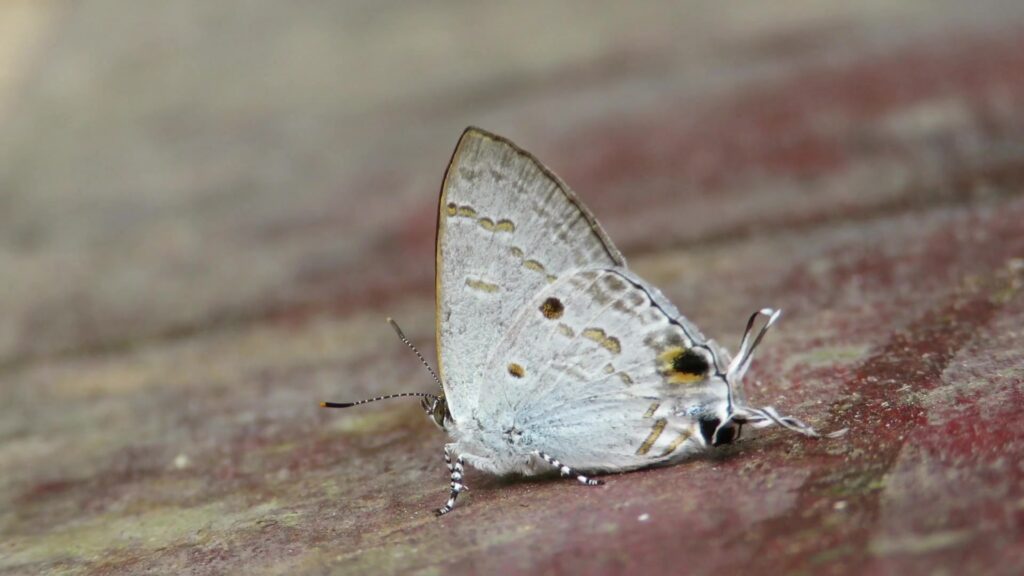
Lepidopterans are characterized by wings covered in microscopic scales, a feature that gives the order its name, derived from the Greek words lepido (scale) and ptera (wings). These scales create the remarkable colors and patterns seen in many species and may serve functions such as camouflage, warning coloration, mimicry, and communication.
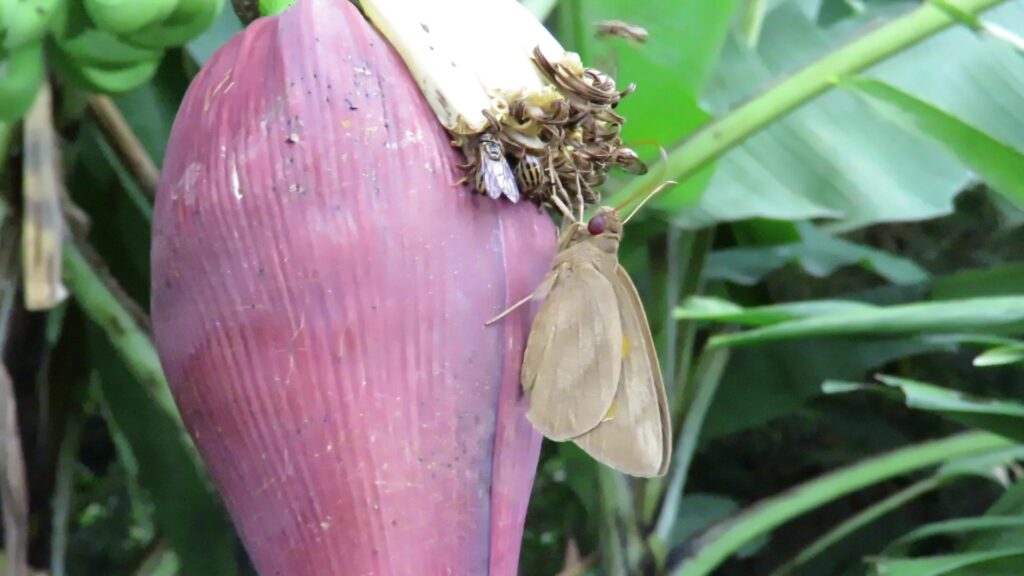
Adults typically possess a coiled proboscis adapted for feeding on liquid food sources, particularly nectar. The body is divided into head, thorax, and abdomen, and most species have two pairs of scaled wings. Butterflies are generally active during the day, while moths are predominantly nocturnal, although there are many exceptions.
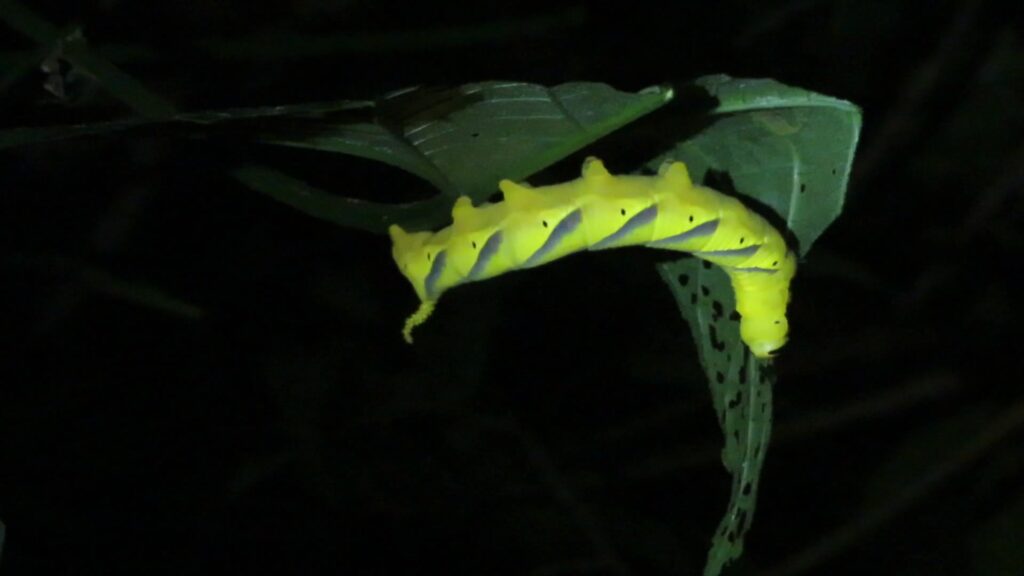
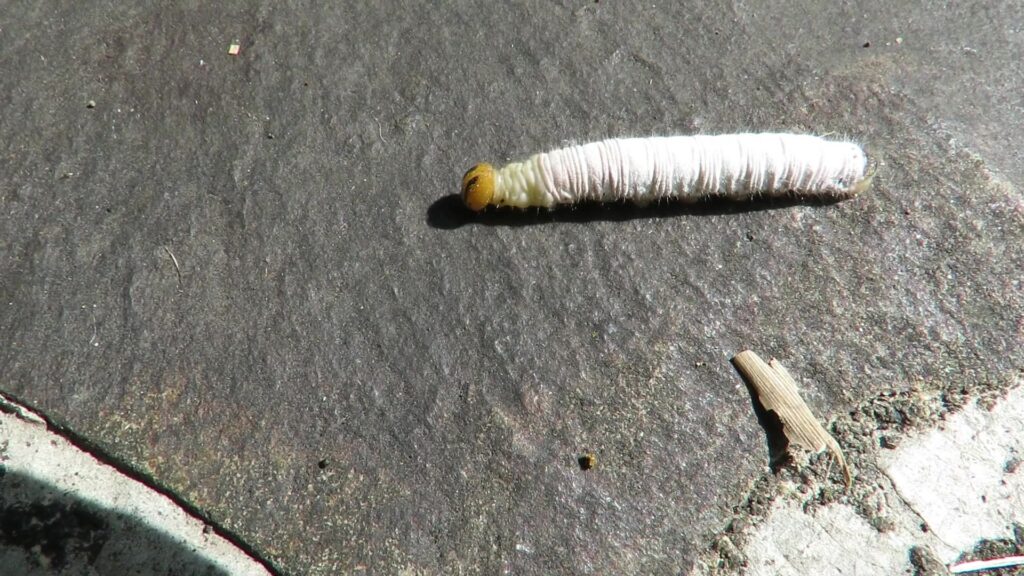
The life cycle involves complete metamorphosis, consisting of four distinct stages: egg, larva (caterpillar), pupa (chrysalis or cocoon), and adult. Caterpillars are specialized feeding stages with chewing mouthparts and are primarily herbivorous, consuming leaves, flowers, seeds, or other plant tissues. In contrast, adults often feed on nectar, fruit juices, sap, or may not feed at all.
The order includes numerous superfamilies and families, such as Papilionoidea (butterflies), Noctuoidea (owlet moths), Geometroidea (geometer moths), and Bombycoidea (silk moths and hawk moths), reflecting an extraordinary diversity of forms and ecological adaptations.
Ecologically, Lepidoptera plays vital roles in ecosystems. Caterpillars are important herbivores and a major food source for birds, reptiles, mammals, and other insects. Adult butterflies and moths contribute to pollination, particularly of flowering plants active during the day or night. Many species are indicators of environmental health, while others may become agricultural pests. Together, they form an essential component of terrestrial biodiversity and ecosystem functioning.