Bali Wildlife
Every Spices Matter


Macroglossini is the largest and most diverse tribe within the subfamily Macroglossinae (Family Sphingidae, Superfamily Bombycoidea, Order Lepidoptera). Members of this tribe are distributed worldwide, with the highest diversity occurring in tropical and subtropical regions of Asia, Africa, Australia, and the Americas. They inhabit forests, woodlands, grasslands, agricultural landscapes, and urban gardens, where flowering plants are abundant.
Moths of the tribe Macroglossini are generally small to medium-sized and are renowned for their rapid, agile flight. They possess streamlined bodies, narrow forewings, and powerful thoracic muscles that enable sustained hovering while feeding. This hovering behavior closely resembles that of hummingbirds and allows them to obtain nectar without landing on flowers.
A defining feature of Macroglossini is the presence of a long, well-developed proboscis, often exceeding the length of the body in some species. This adaptation enables adults to feed from deep, tubular flowers inaccessible to many other insects, making them highly effective pollinators. Their large compound eyes provide excellent vision, and the antennae assist in orientation and flight control.
Coloration ranges from cryptic brown, gray, and olive tones to vivid green, pink, yellow, or orange, depending on the species. Some members exhibit transparent wing areas or mimic bees, wasps, or bumblebees, reducing the risk of predation.
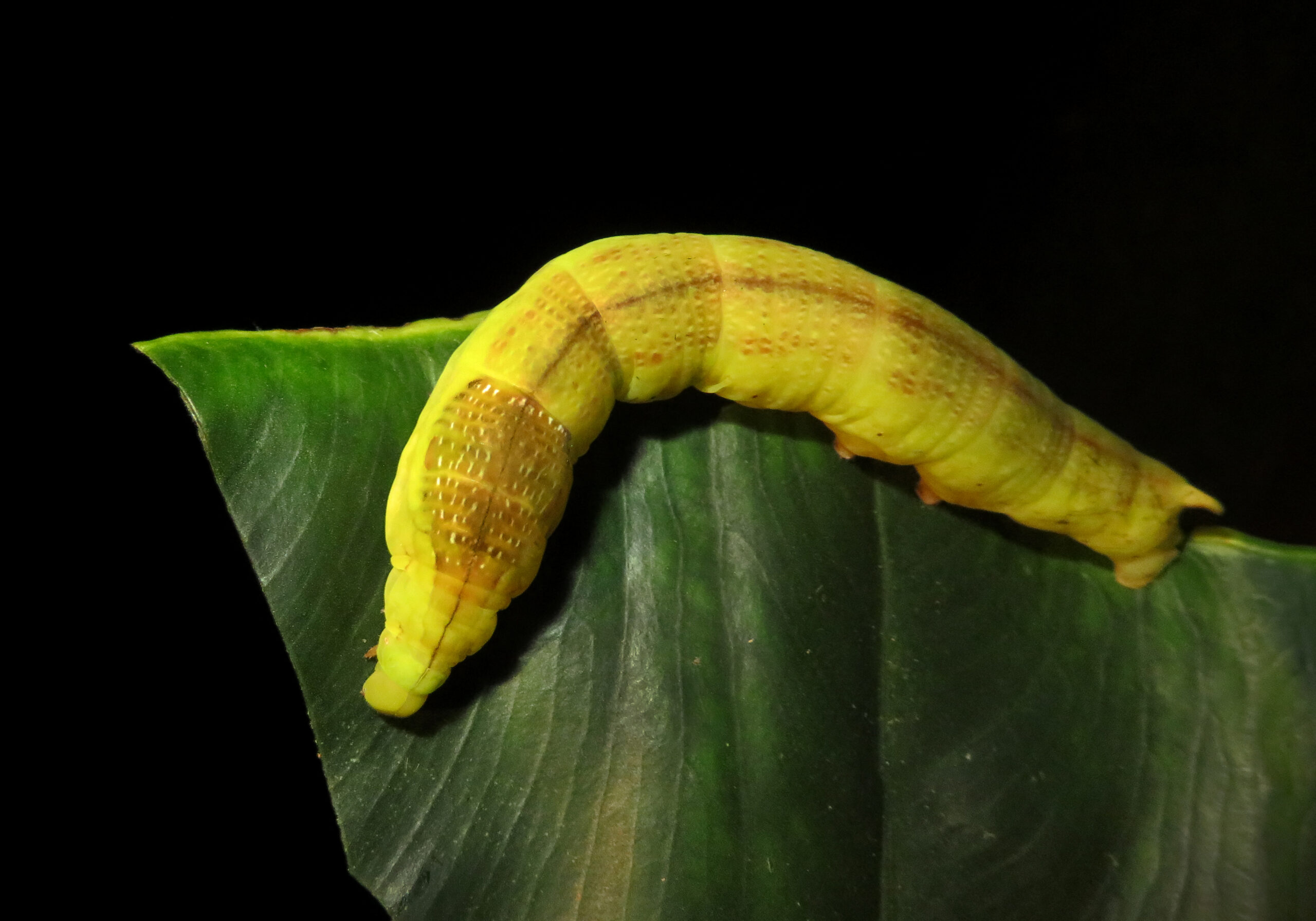
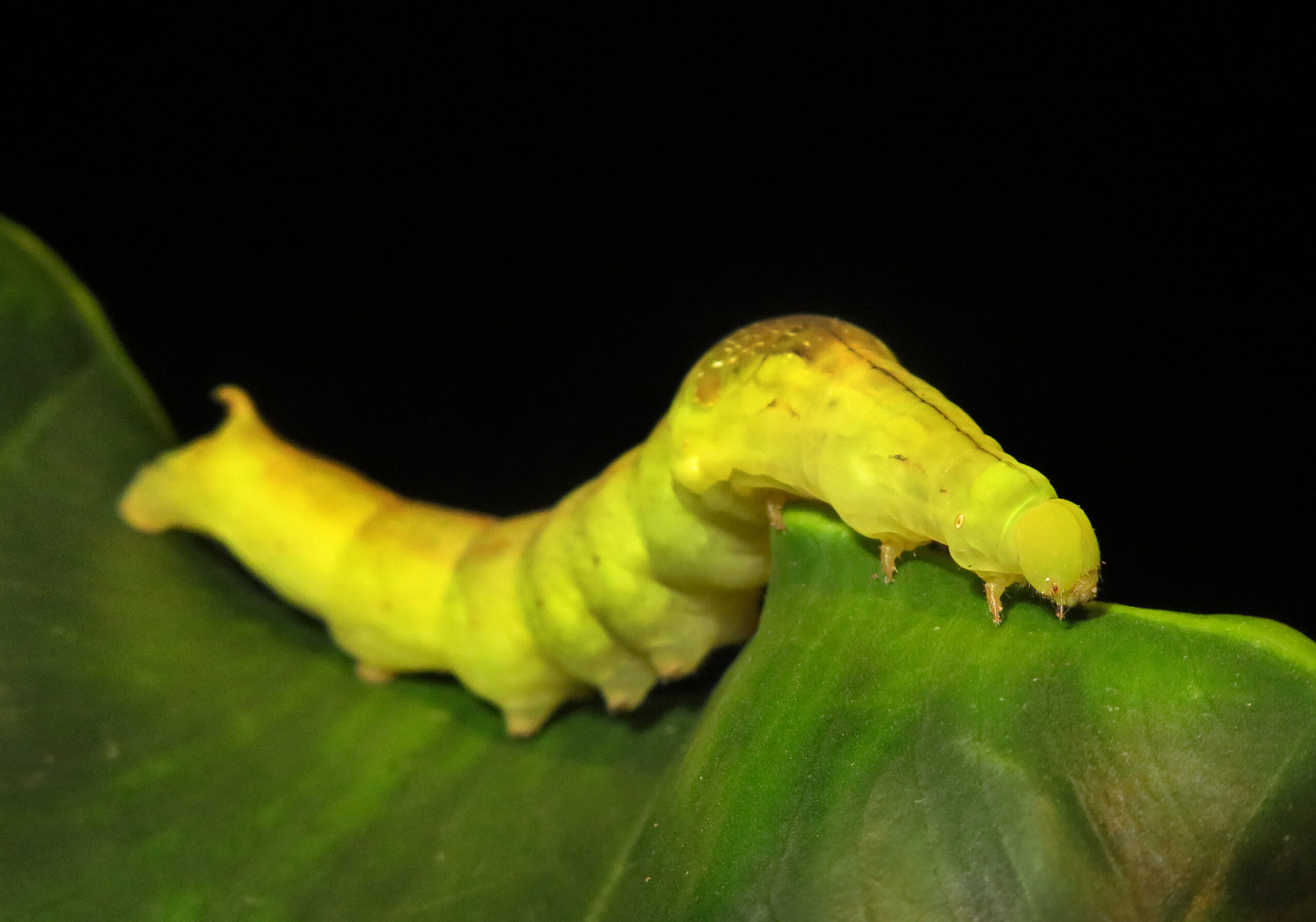
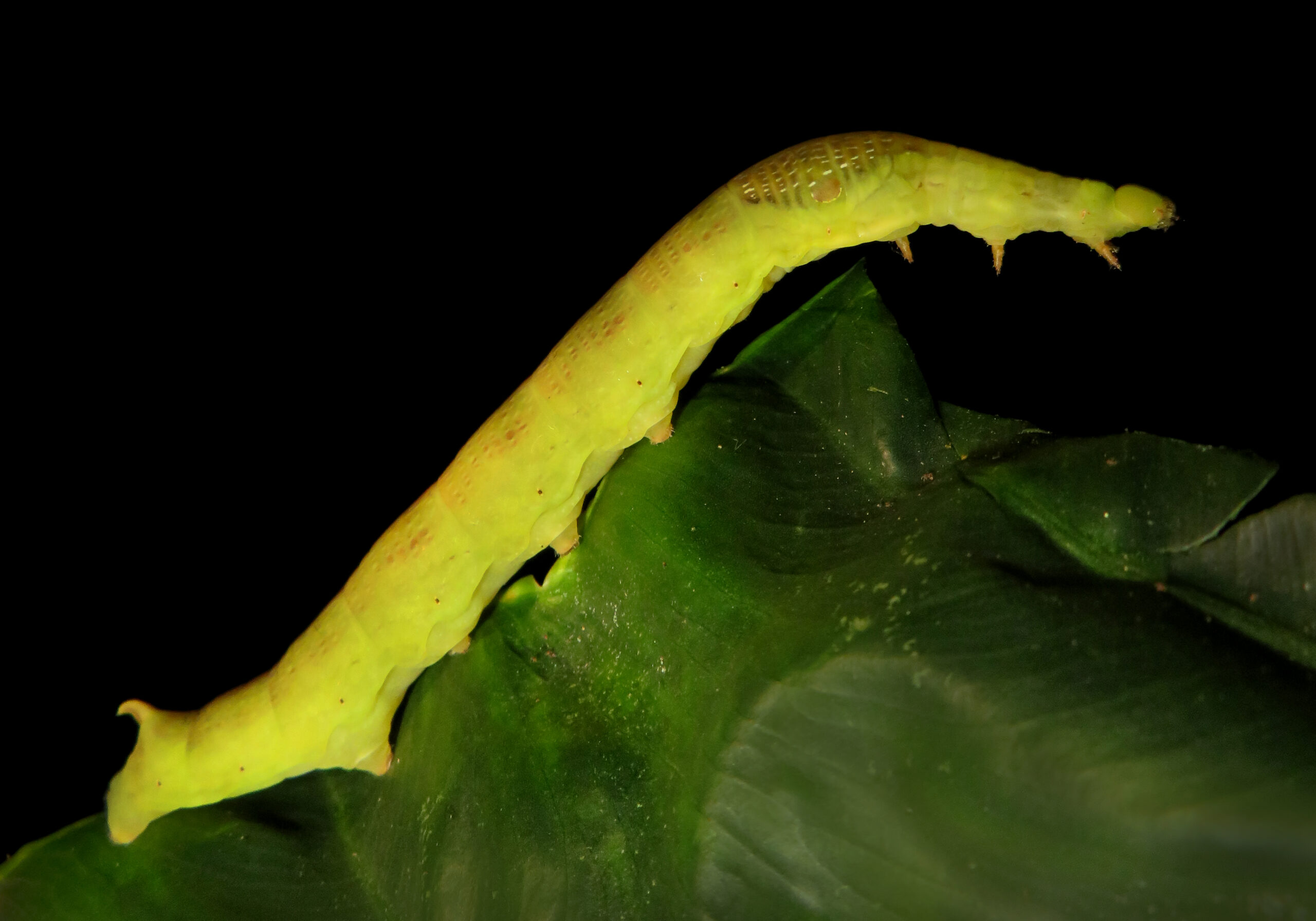
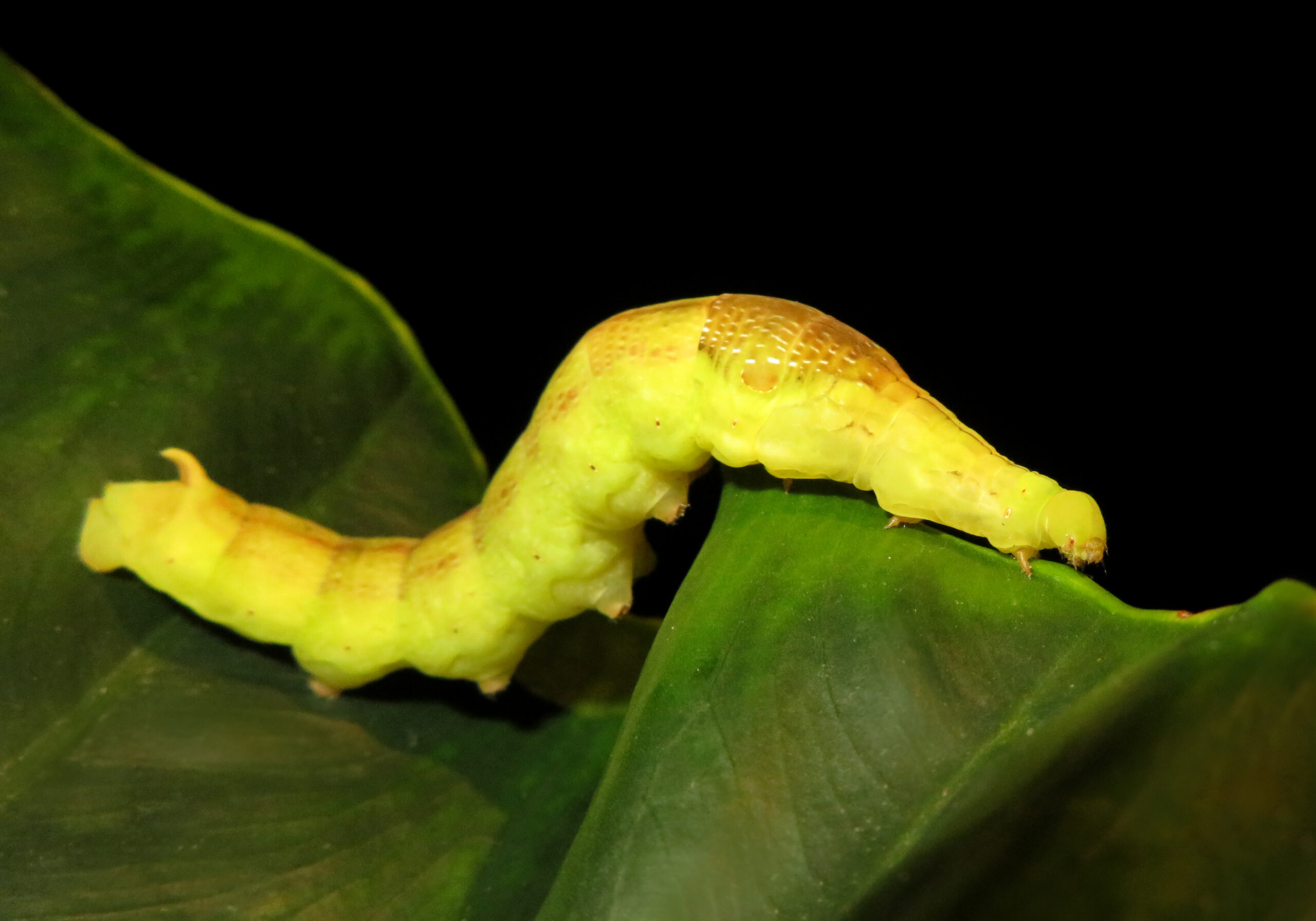
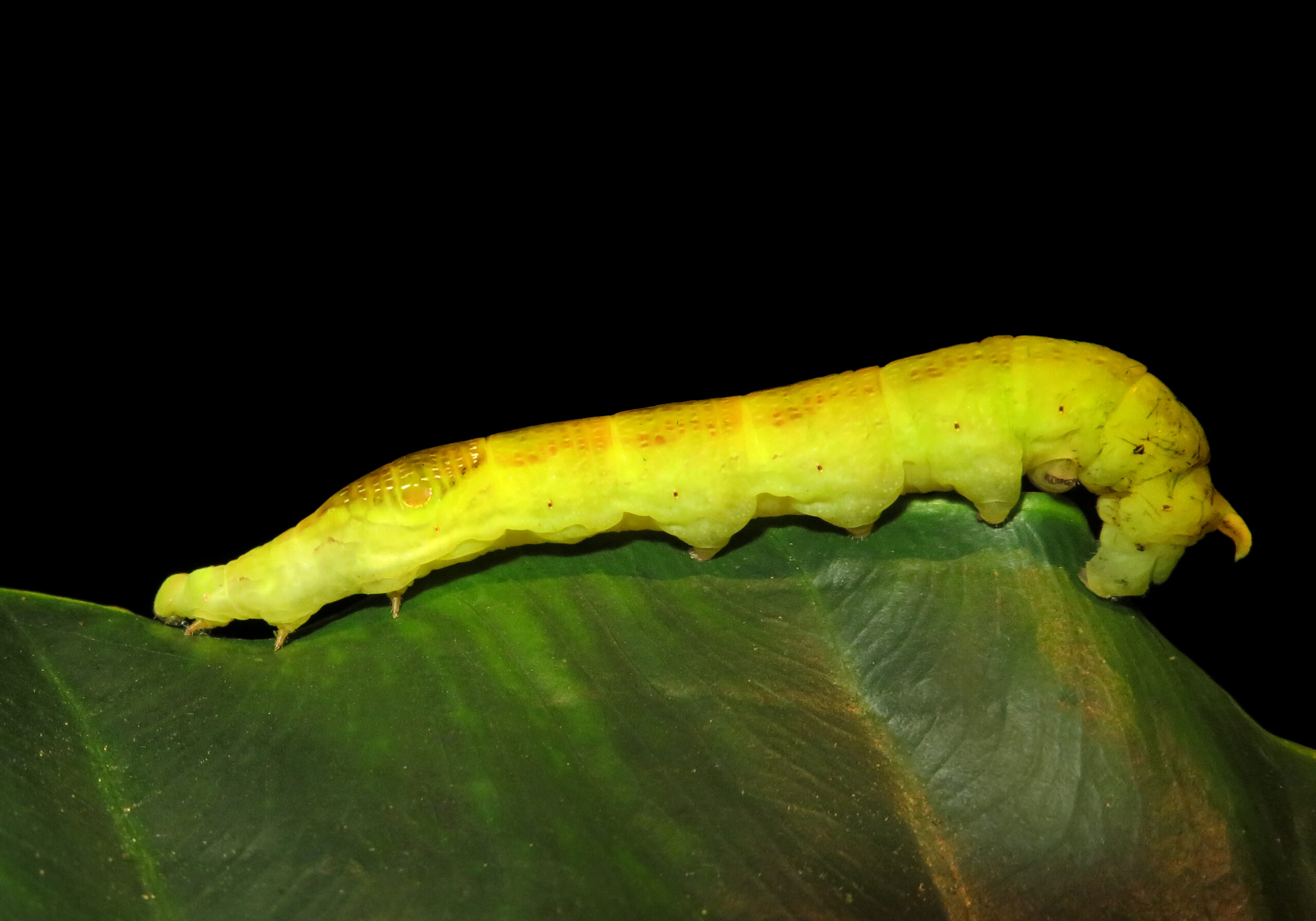
The life cycle follows complete metamorphosis, consisting of egg, larva (hornworm), pupa, and adult stages. Caterpillars are typically smooth-bodied and bear the characteristic horn-like projection on the last abdominal segment. They feed on a wide variety of herbaceous plants, shrubs, trees, and vines, with host plant preferences differing among genera.
The tribe includes numerous well-known genera, including Macroglossum (hummingbird hawk moths), Cephonodes (bee hawk moths), Theretra, Hippotion, Hemaris, and related genera, many of which are important pollinators in natural and agricultural ecosystems.
Ecologically, Macroglossini moths play a vital role in pollinating flowering plants, particularly those with long floral tubes that bloom during the day, dusk, or night. Their larvae contribute to plant–herbivore interactions, while both larvae and adults provide food for birds, bats, reptiles, spiders, and parasitoid insects. Through their specialized feeding adaptations and exceptional flight abilities, Macroglossini species are among the most important pollinating moths in terrestrial ecosystems.